Binh Ba Island sits in Cam Ranh Bay, a 3-square-kilometer landmass in Khanh Hoa Province. It's 60 kilometers south of Nha Trang (냐짱 / 芽庄 / ニャチャン) and 15 kilometers east of Ba Ngoi Port. The island is one of the "Tu Binh" (Four Binh) sites in Khanh Hoa, alongside Binh Hung Island, Binh Lap beach, and Binh Tien. Locals call it the "lobster island"—a name that sticks because the seafood here is genuinely fresh and plentiful.
The name "Binh" likely means "peaceful" or traces back to ancestors who migrated from Binh Dinh Province in the late 17th to early 18th centuries. The island divides into four hamlets—Binh Hung, Binh An, Binh Ba Dong, and Binh Ba Tay—with roughly 5,000 residents. Most live near the main pier at Bai Nom; the rest of the island stays quiet.
Getting There
The only practical route is from Ba Ngoi Port, 60 kilometers south of Nha Trang. Take a bus or taxi from Nha Trang (1.5–2 hours). At Ba Ngoi, ferries and speedboats depart regularly for Binh Ba—schedules shift with season and demand, so check locally before you arrive. The crossing offers views of Cam Ranh Bay's fishing boats and coastline.
A slow wooden ferry costs around 30,000–50,000 VND per person and takes roughly 20 minutes. Speedboats cut the trip to about 10 minutes but run 80,000–100,000 VND. Most boats operate between 7:00 AM and 4:00 PM, with the busiest departures in the early morning. If you are coming from Saigon, the fastest option is to fly into Cam Ranh International Airport, then grab a taxi south to Ba Ngoi Port—about 30 minutes and 150,000–200,000 VND by meter taxi. From Da Nang or Hue, you are looking at a long train ride to Nha Trang first, then the bus south.
You'll land at the main pier, the island's hub. Motorbike taxis ("xe om") and electric carts wait here to haul you around the compact island. Expect to pay 20,000–30,000 VND for a short ride across the island, or 150,000–200,000 VND to rent a motorbike for a full day. The whole island is bikeable in under an hour, so the motorbike is more about comfort than necessity.
Three Beaches, Three Vibes
Bai Chuong is the rocky, rugged option. Clear water makes it good for snorkeling—you'll see fish and small reef life. Sunrise here is the main draw; the sun rises straight over the water to the east. The walk from the main pier takes about 15 minutes along a coastal path. Bring your own mask and snorkel—there is no rental shop here, just rocks and water. A few locals sell drinks and snacks from coolers, but do not count on anything organized.
Bai Nom is the soft white-sand beach, calm and family-friendly. A row of seafood shacks and cafes runs along the sand. Weekends and holidays pack it with locals and visitors swimming and lounging. This is where most tourists end up, and for good reason. The beach stretches roughly 300 meters and stays shallow for a good distance out, making it safe for kids. Hammocks strung between trees cost 20,000 VND to claim for the afternoon. If you want lunch on the sand, the seafood stalls here serve grilled squid, steamed clams, and lobster congee—order at the counter and they will bring it to your table facing the water.
Bai Nha Cu (Old House Beach) is studded with sea urchins and rocks—not for swimming. But the tide pools reward snorkelers and tide-pool enthusiasts. You'll see urchins, small fish, and anemones in shallow water. Go during low tide for the best visibility. The beach is about 1.5 kilometers from the pier—an easy motorbike ride along the island's only paved road.

Image by NASA Johnson Space Center - Earth Sciences and Image Analysi via Wikimedia Commons (CC BY-SA)
What to See Beyond Sand
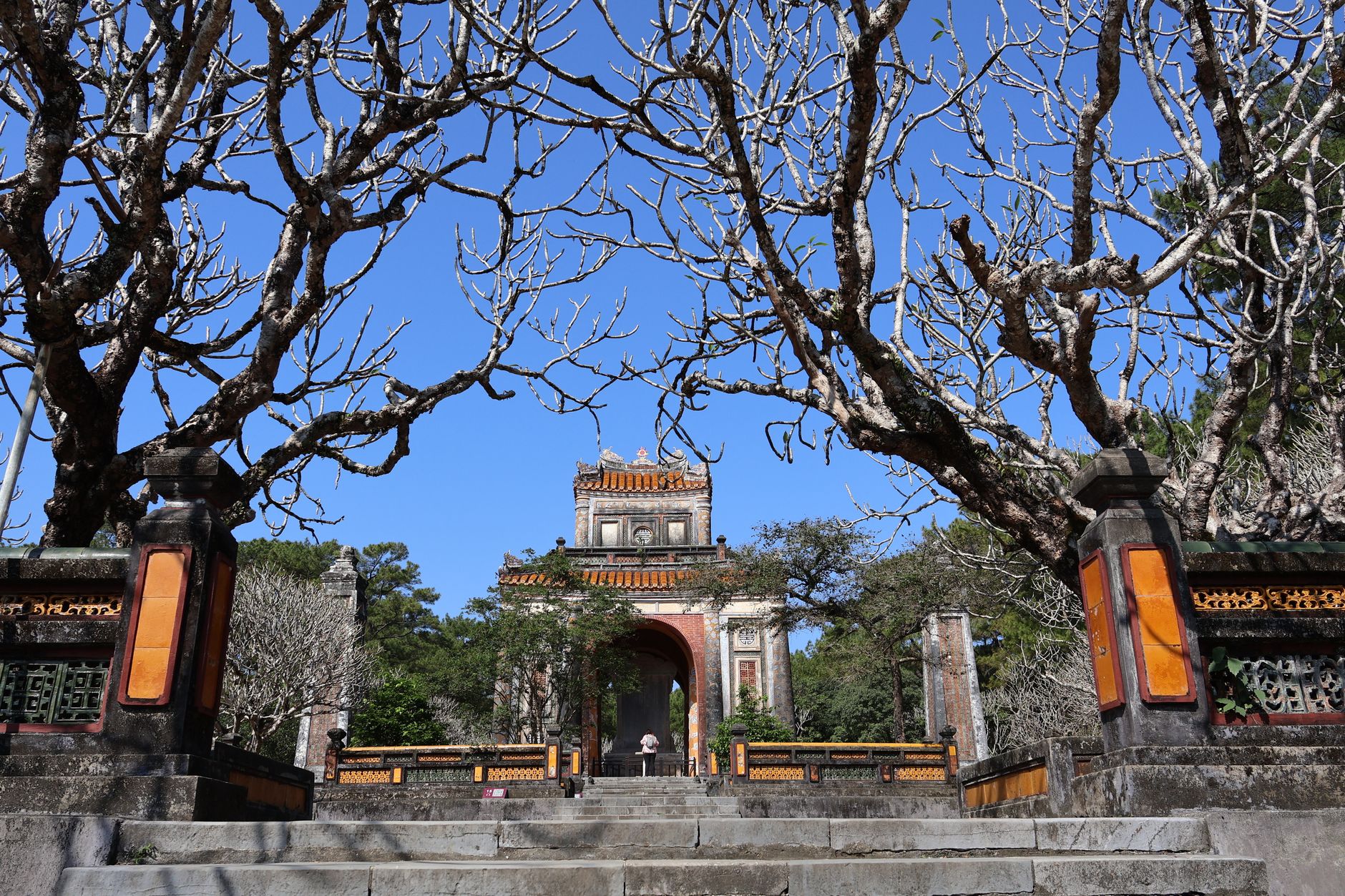
Visit Lang Ngu Hanh, a temple to the Five Elements, and the Binh Ba communal house, which hosts village gatherings and traditional events. Both offer quick glimpses of local life and belief. These are small, genuine stops—not packaged attractions.
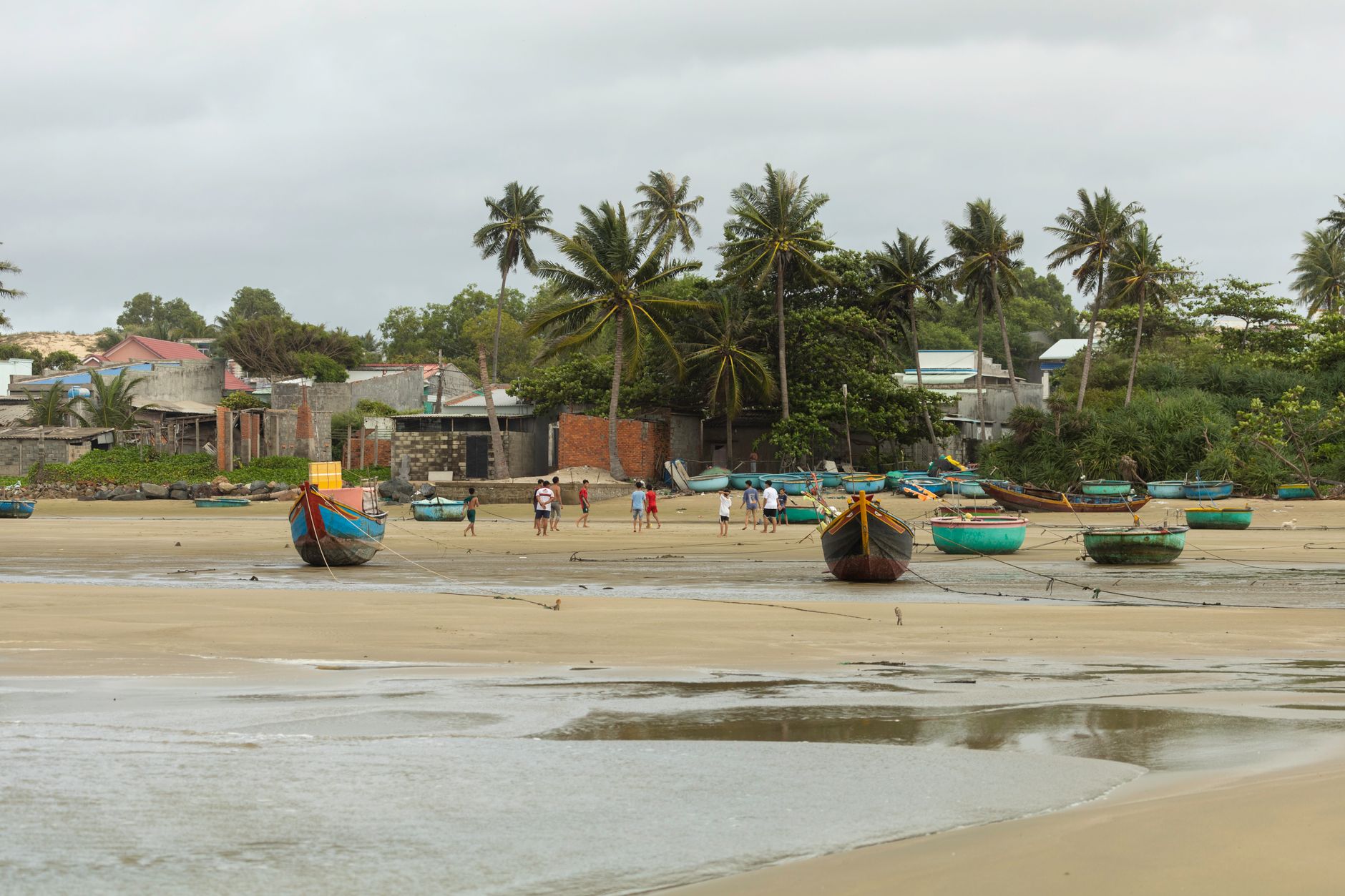
The island's fishing harbor, just south of the main pier, is worth a morning visit around 5:30–6:00 AM when the boats come in. You will see lobster traps being unloaded, fish sorted by hand, and squid laid out to dry on racks. Nobody minds if you watch or photograph, but stay out of the way of the workers. The harbor is also where you can arrange a boat trip around the island or out to the lobster farms—floating cage systems where "tom hum" grow for months before harvest. A boat circuit costs around 200,000–300,000 VND per person and takes about an hour. The farmers will show you the cages and explain the feeding cycle if you ask.
For a short hike, follow the dirt trail from Binh Ba Tay hamlet up to the island's modest ridge. The walk takes about 40 minutes each way and gives you a panoramic view of Cam Ranh Bay, the surrounding islets, and the lobster farms dotting the water below. Bring water—there is no shade for the last stretch.

Image by JOC E.J. Filtz via Wikimedia Commons (CC BY-SA)
The Lobster Island Meal
Fresh "tom hum" (lobster) is the main event. Grilled, steamed, or in congee—it's simple and good. Squid, fish, and shellfish round out menus at open-air stalls and casual restaurants around the pier and Bai Nom. Prices vary by season; expect to spend 250,000–500,000 VND per person for a seafood meal with beer. No fine dining here—just plastic chairs, cold beer, and lobster that was swimming that morning.
The classic order is "tom hum nuong mo hanh"—lobster grilled with spring onion and oil. Point at the tank, pick your lobster (priced by weight, usually 600,000–900,000 VND per kilogram depending on season), and wait 15 minutes. Pair it with white rice, a plate of morning glory stir-fried with garlic, and a round of "bia hoi" (fresh draft beer) or canned Saigon (사이공 / 西贡 / サイゴン) Beer for 15,000–25,000 VND each. If lobster is out of your budget, the grilled squid ("muc nuong") runs about 80,000–120,000 VND per plate and is just as fresh.
A few useful ordering phrases: "Cho toi mot con tom hum nuong" (give me one grilled lobster), "Bao nhieu tien mot ky?" (how much per kilo?), and "Tinh tien" (the bill, please). Most stall owners understand basic English numbers, but a little Vietnamese goes a long way on an island like this.
For comparison, lobster in Nha Trang tourist restaurants runs 30–50% higher for similar quality. That price gap is the whole reason Vietnamese domestic tourists make the crossing. If you have eaten "pho" or "banh mi" your whole trip and want one memorable seafood blowout, Binh Ba is where to do it.
Where to Stay & Practical Notes
Guesthouses and homestays run by local families are your only option. Book ahead in peak season (Tet, summer holidays); rooms fill quickly. Cash is essential—ATMs and card readers are rare or absent. The island is small enough to walk or rent a motorbike for a day. Respect temple customs (remove shoes, dress modestly). Keep valuables close, though theft is rare.
Rooms typically run 250,000–400,000 VND per night for a basic double with fan and private bathroom. Air-conditioned rooms, where available, cost 500,000–700,000 VND. Most homestays include breakfast—usually instant coffee, bread, and fruit. Ask your host to arrange dinner at their home or at a specific seafood stall; they often get better prices than walk-ins. A handful of places along Bai Nom have added rooftop terraces in recent years, which are pleasant for an evening beer after the beach clears out.
Mobile signal (Viettel works best on the island) is reliable near the pier and Bai Nom but patchy on the far side. Wi-Fi exists in most guesthouses but do not rely on it for anything heavy. There is one small medical clinic near the pier for basic first aid; anything serious means a boat back to the mainland.
What Surprises Foreigners
The island used to be restricted. Binh Ba was a controlled-access area for years, and foreign visitors needed a permit. Restrictions have eased significantly, but it is worth confirming the latest entry requirements before you go—ask your homestay host or the ferry office at Ba Ngoi Port. Policies can shift without much public notice.
Lobster is seasonal. Peak lobster season runs roughly from March to September. Visit in December or January and you might find fewer options in the tanks and higher prices for what is available. The island does not shut down in the off-season, but the seafood selection narrows.
It is not a party island. There are no bars, no nightclubs, no beach clubs. By 9:00 PM most of the island is dark and quiet. If you want nightlife, stay in Nha Trang. If you want to sit on a plastic chair drinking cheap beer while listening to fishing boats creak in the harbor, Binh Ba is your place.
Trash is a growing problem. The island's waste infrastructure has not kept up with rising visitor numbers. You will notice plastic on some stretches of beach, especially after holidays. Bring a reusable water bottle and take your trash back to the mainland if you can.
No motorbike rental shops exist in the formal sense. You rent from your homestay host or from someone at the pier. Helmets are provided but often in rough shape. The island roads are mostly flat and short, so even inexperienced riders manage fine.
Quick Reference
- Location: Cam Ranh Bay, Khanh Hoa Province, 60 km south of Nha Trang
- Size: roughly 3 square kilometers
- Population: approximately 5,000 residents across four hamlets
- Getting there: ferry from Ba Ngoi Port (30,000–50,000 VND, 20 min) or speedboat (80,000–100,000 VND, 10 min)
- Ferry hours: approximately 7:00 AM–4:00 PM, varies by season
- Accommodation: homestays and guesthouses, 250,000–700,000 VND/night
- Lobster meal budget: 250,000–500,000 VND per person including beer
- Lobster peak season: March–September
- Best beaches: Bai Nom (swimming), Bai Chuong (snorkeling/sunrise), Bai Nha Cu (tide pools)
- Cash only: bring enough VND from the mainland, no ATMs on the island
- Best mobile network: Viettel
- Peak crowds: Tet / 越南春节 / テト), summer weekends (June–August), public holidays
Final Note
Binh Ba is not trying to be the next Phu Quoc or a polished resort destination. It is a working fishing island where lobster farming is the economy and tourism is a side benefit. That is exactly what makes it worth the ferry ride. Come for the seafood, stay a night or two, and leave before you start wishing for better Wi-Fi.
Last updated · May 29, 2026 · independently researched, never sponsored.