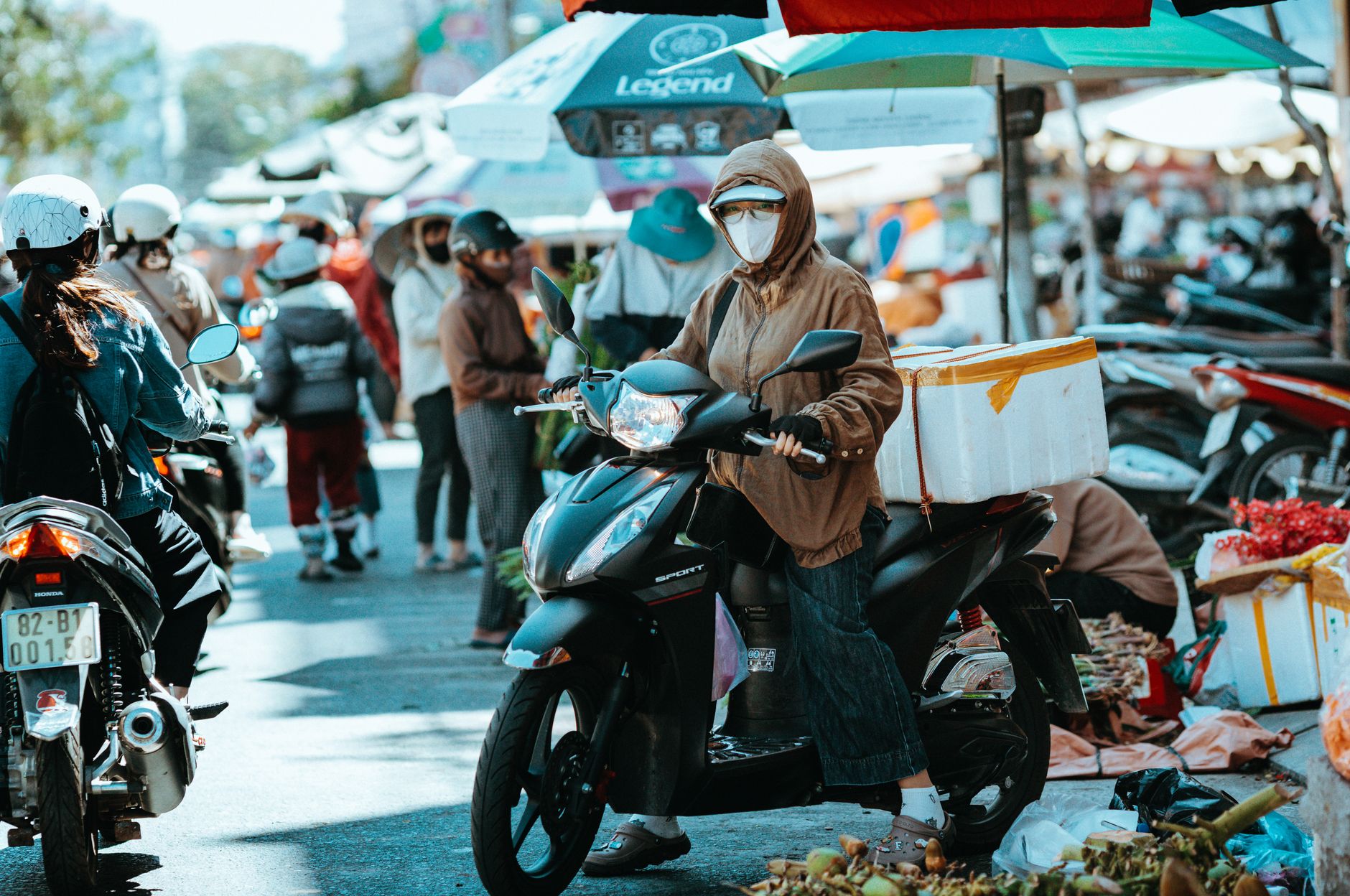
Tuyen Lam Lake sits 7 kilometers south of Da Lat city center in Lam Dong province—a man-made reservoir surrounded by pine forest and ringed with resorts, cafes, and the cable car station for Truc Lam Zen Monastery. It's the kind of place Da Lat visitors slot into their itinerary as a half-day excursion: calm water, cool air, monastery grounds to walk through, maybe a coffee with a view.
The Cable Car to Truc Lam Zen Monastery
The main reason most people come to Tuyen Lam Lake is the cable car. The ride departs from Robin Hill, a short taxi or motorbike ride from Da Lat center, and carries you 1.5 kilometers over the lake to Truc Lam Zen Monastery—an active Buddhist retreat set in pine forest. The journey takes roughly 15 minutes and serves up aerial views of the lake, the city, and the surrounding landscape. On clear days it's genuinely good for photographs.
Round-trip cable car fare is approximately 100,000 VND (subject to change). Operating hours are typically early morning to late afternoon, so plan your timing accordingly. The station at Robin Hill has a small waiting area with snacks and drinks—nothing special, but useful if you arrive early and the queue is short. Weekday mornings before 10:00 tend to have the shortest waits. Weekend afternoons, especially during Vietnamese holidays like Tet or the April 30 break, can mean 20–30 minutes in line. If you're traveling with small children, note that the gondolas seat four to six people comfortably and the ride is smooth enough that most kids handle it fine.
Truc Lam Zen Monastery
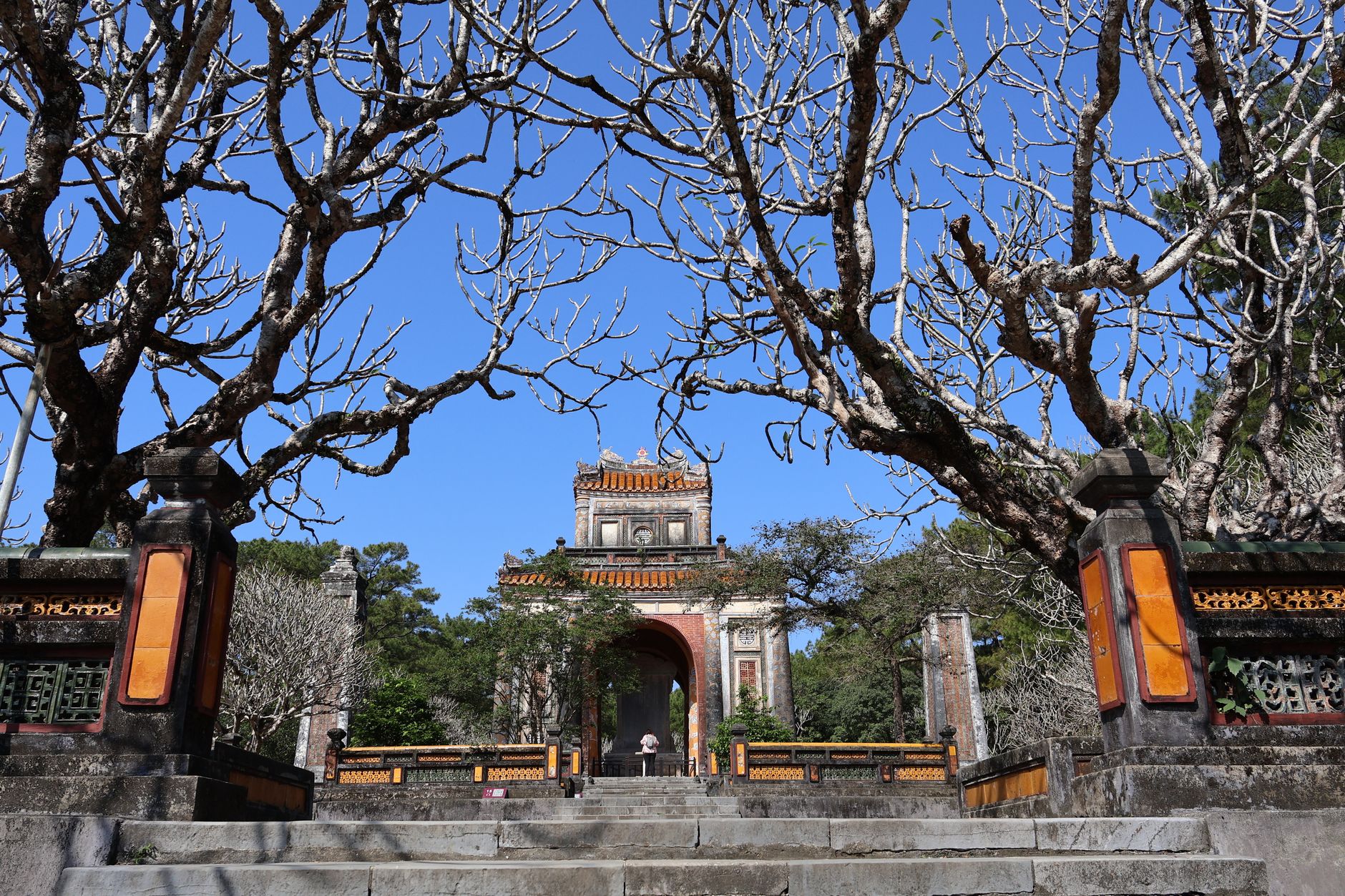
The monastery itself is a functioning meditation and worship space, not a museum. Visitors can walk the grounds, observe traditional Vietnamese architecture set against pine trees, and watch monks move through their daily routines. It's peaceful and quiet—the kind of place where you lower your voice without being told. If you're looking for a spiritual experience, this delivers it. If you're just after a pleasant walk and some photographs, that works too. Respectful dress (shoulders and knees covered) is expected.
The main hall ("chanh dien") faces a courtyard with a large bronze bell and manicured gardens. Behind it, a path leads through a bamboo grove to a smaller meditation hall that most visitors walk right past—it's worth the extra five minutes. The flower gardens on the monastery's eastern side change with the season: cherry blossoms and wild sunflowers in the cooler months, hydrangeas and orchids when the rains arrive. If you've visited temples in Hue or Hanoi—places like the Temple of Literature—Truc Lam feels different. Less historical artifact, more living practice. Monks are sometimes willing to talk briefly with visitors, but don't interrupt if they're in prayer or walking meditation. There's no entrance fee for the monastery grounds, which is a pleasant change from some of Da Lat's ticketed attractions.

Image by Diane Selwyn (talk) via Wikimedia Commons (CC BY-SA)
Activities on and Around the Lake
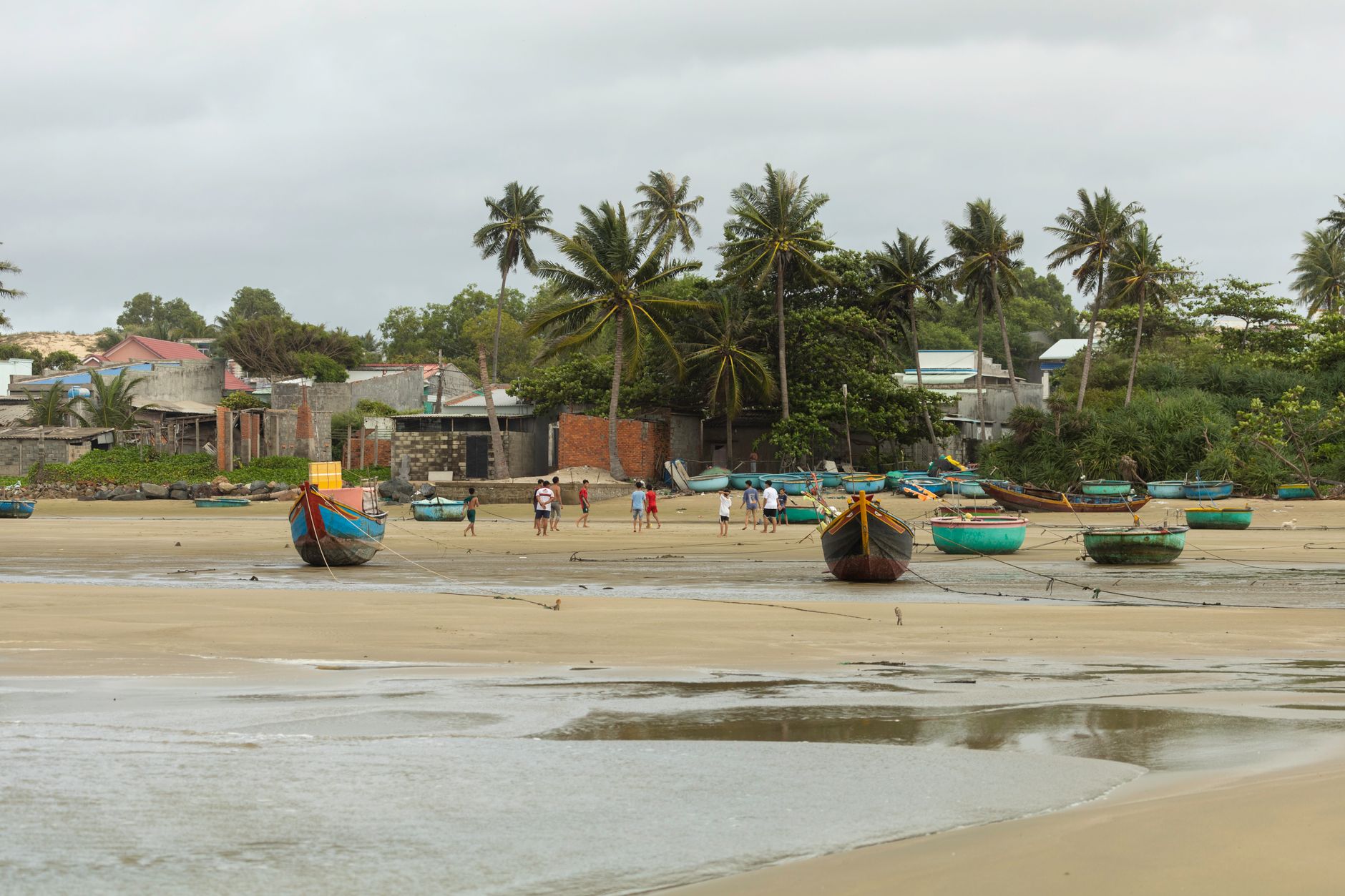
Boat rides are the second major draw. Resorts and cafes along the shore rent kayaks, paddle boats, and small motorized boats. A short paddle or ride typically starts around 200,000 VND and gives you a different angle on the pine-forested shore and any monasteries or lodges visible from the water. Kayak rentals usually run 150,000–250,000 VND for 30 to 60 minutes, depending on the operator and how hard you negotiate. Swan-shaped pedal boats—Da Lat (달랏 / 大叻 / ダラット) loves these—go for around 100,000–150,000 VND per half hour. If you want a motorized boat that seats six to eight people, expect 400,000–600,000 VND for a 30-minute loop. Most rental spots cluster along the northern shore near the road from Da Lat, roughly 1 km past the cable car turnoff.
Light trekking and forest walks through the pine trees are straightforward. Trails wind through the surrounding area; comfortable shoes and a water bottle are all you need. The elevation keeps the air cool even during Vietnam (베트남 / 越南 / ベトナム)'s hot months. Flora and fauna spotting is possible, though you're in a semi-developed area, not wilderness. The most popular trail runs roughly 3 km along the western shore, starting near the Dalat Edensee Lake Resort entrance and looping back through a pine plantation. It's flat, well-trodden, and takes about an hour at a relaxed pace. A second trail heads uphill toward a ridge with a partial view of the lake—steeper, maybe 45 minutes each way, and better suited to people who actually want a workout rather than a stroll.
Fishing is popular among locals and some visitors. If this interests you, ask at one of the resorts about access and permits.
Cycling is another option that's grown more popular. The road circling the lake is roughly 25 km in total, paved but with some uneven patches. You can rent a bicycle in Da Lat center (50,000–100,000 VND per day for a basic bike) and ride down, or arrange a rental through your hotel. The ride from Da Lat center to the lake is mostly downhill going south—enjoyable—but that means the return is uphill, so factor in your fitness level or plan for a Grab bike back.

Image by Diane Selwyn (talk) via Wikimedia Commons (CC BY-SA)
Where to Stay, Eat, and Drink
Resorts line the lakeshore, ranging from simple bungalows (60,000–120,000 VND per night) to mid-range hotels with lake views (300,000–800,000 VND). Many resorts include their own cafes or restaurants. Standalone cafes dot the water's edge—order "ca phe sua da" (iced coffee with condensed milk) or a light meal and watch the water. Don't expect fine dining; think simple com tam, noodle soups, and omelets.
Da Lat's food scene in general leans toward comfort eating in cool weather. Down by the lake, most cafe menus overlap: "banh mi" with pate and pickled vegetables (20,000–35,000 VND), bowls of "pho" or "bun bo Hue" (35,000–55,000 VND), fried rice, and grilled corn from cart vendors. For something more memorable, head back into Da Lat center after your lake visit and find a "lau" (hotpot) place—Da Lat's elevation and chilly evenings make hotpot a natural fit here. Egg coffee, originally a Hanoi specialty, has also made its way to several Da Lat cafes if you want to try it in a highland setting. A few lakeside spots serve "banh canh"—thick tapioca noodle soup—which is a Central Highlands staple worth ordering if you see it on the board.
What Surprises Foreigners
The lake is quieter than you expect. If you've been in Saigon or even Da Lat's night market, Tuyen Lam Lake feels like someone turned the volume down. Midweek, you might share a trail with nobody. That's the appeal, but it can also feel underwhelming if you're expecting a major attraction with organized activities and signage.
It's cooler than the rest of southern Vietnam. Da Lat sits at roughly 1,500 meters elevation. Mornings at the lake can dip to 15–18°C, and in December or January it occasionally drops below 15°C. Visitors arriving from Da Nang, Hoi An, or Saigon in shorts and sandals sometimes regret it. Bring a jacket—not just a light one.
The cable car closes earlier than you think. Last cars typically depart by 16:30 or 17:00. If you're lingering at the monastery and lose track of time, you'll be walking or arranging a motorbike down the back road instead. It's not a disaster, but the road from the monastery down to the lake is steep and not well-lit.
Boat rental prices aren't always posted. Some operators quote a price, then add fees for "peak hours" or extra passengers. Confirm the total before you get on the water. A simple "bao nhieu?" ("how much?") followed by pointing at the boat and holding up fingers for your group size usually gets you a clear answer.
Weekends vs. weekdays are different experiences. Saturday and Sunday bring Vietnamese domestic tourists, student groups, and families. The cafes fill up, the cable car queue grows, and the trails have more foot traffic. If you value solitude, go Tuesday through Thursday.
Combining Tuyen Lam Lake With Other Da Lat Stops
A half day at the lake pairs well with other Da Lat attractions. The Valley of Love ("Thung Lung Tinh Yeu") is about 5 km north of Da Lat center—kitschy, yes, but popular. Datanla Waterfall sits along the road between Da Lat and Tuyen Lam Lake (roughly 3 km south of the city center), so you can stop on the way. The entrance fee for Datanla is around 50,000 VND, and there's a small alpine coaster that's fun if you don't take it too seriously.
If you're spending multiple days in Da Lat, Tuyen Lam Lake makes a solid morning before heading to the Da Lat train station (a restored French-colonial building worth 20 minutes of your time), Xuan Huong Lake in the city center, or the sprawling Linh Phuoc Pagoda in Trai Mat, 8 km east of town. Riders who want to reach Ninh Binh, Sapa, or Ha Giang will need to fly north from Lien Khuong Airport (about 30 km south of Da Lat) or take a long bus ride—Tuyen Lam Lake is a good final stop before heading to the airport, since it's on the way.
For food-focused travelers spending time in the Central Highlands, Da Lat's market stalls offer "banh xeo" (sizzling crepes) and "goi cuon" (fresh spring rolls) alongside highland specialties like avocado smoothies and grilled sweet potatoes. These pair naturally with a morning at the lake and an afternoon eating your way through the city.
Quick Reference
- Location: 7 km south of Da Lat center, Lam Dong province
- Cable car fare: ~100,000 VND round trip
- Cable car hours: typically 07:30–17:00 (confirm locally)
- Monastery entrance: free
- Kayak rental: 150,000–250,000 VND / 30–60 min
- Pedal boat rental: 100,000–150,000 VND / 30 min
- Getting there: 20–30 min by motorbike, taxi, or Grab from Da Lat center
- Elevation: ~1,500 m—bring a jacket
- Best months: November–March (dry, cool, clear skies)
- Time needed: 3–5 hours for cable car, monastery, and lake walk
- Useful phrase: "Cho toi mot ve cap treo" ("One cable car ticket, please")
Practical Details
Location: 7km south of Da Lat center, Lam Dong province.
Getting there: Motorbike or car from Da Lat (roads are well-maintained). Taxis and ride-hailing apps (Grab) work. To reach Robin Hill and the cable car station specifically, allow 20–30 minutes from downtown Da Lat.
Best time to visit: November to March (dry season) offers the clearest skies and coolest temperatures. April to October brings heavier rain and fewer visitors; the landscape is greener but some activities may be curtailed by weather.
Entrance fees: Free to access Tuyen Lam Lake itself. Fees apply for cable car rides, boat rentals, and resort facilities.
Opening hours: The lake area is open all day. Cable car and monastery typically operate early morning to late afternoon. Check with your hotel or the cable car station for exact times on the day you visit.
What to bring: Comfortable walking shoes, sunscreen, water, a light rain jacket (especially in wet season), and a camera if photography matters to you.
Final Note
Tuyen Lam Lake isn't the reason most people come to Da Lat, but it's one of the things they remember afterward. The cable car ride, the quiet monastery grounds, a slow coffee by the water—none of it is flashy, and that's the point. Budget a morning, leave your expectations loose, and let the pine trees and cool air do the work.
Last updated · May 29, 2026 · independently researched, never sponsored.