Vietnam's first national park opened in 1962, and Cuc Phuong still doesn't get the foot traffic it deserves. Most travelers pass through Ninh Binh (닌빈 / 宁平 / ニンビン) for Tam Coc and move on — which means the forest here is genuinely quiet, even on weekends.
What You're Actually Getting Into
Cuc Phuong covers about 222 square kilometers of primary tropical limestone forest straddling Ninh Binh, Hoa Binh, and Thanh Hoa provinces. The core zone is dense, humid, and loud with birds. The park sits in a valley between two limestone ridges, and the vegetation is noticeably different from the karst scenery you see at Tam Coc — this is closed-canopy jungle, not paddies and cliffs.
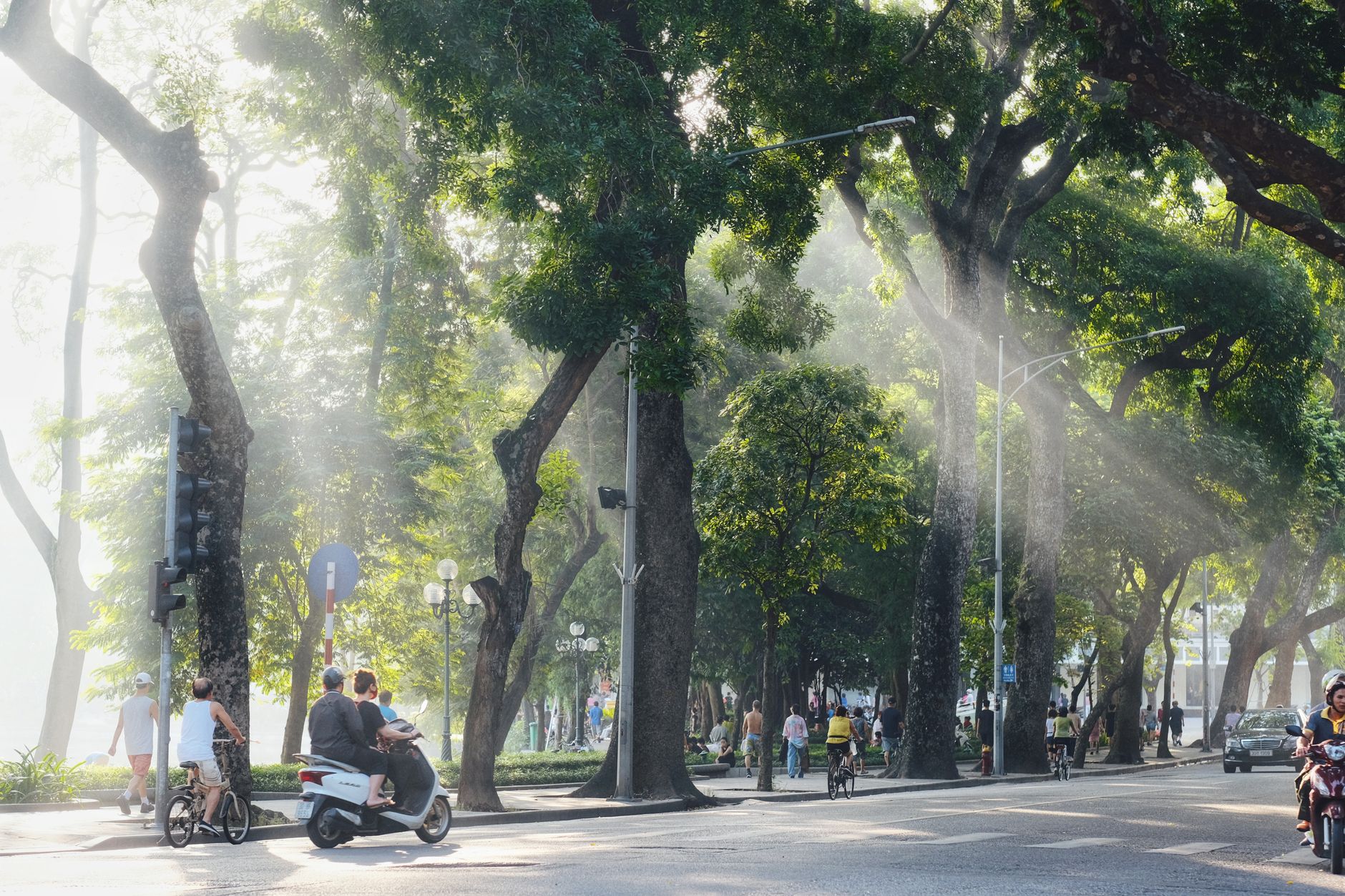
The drive in from the park gate to the park center is around 20 km, and that road alone is worth the trip. Giant trees arch over it at several points, and if you're arriving early (before 8am), you stand a reasonable chance of spotting macaques on the road.
The Primate Conservation Center
This is the main draw for most visitors who know what they're looking for. The Endangered Primate Rescue Center (EPRC), run as a collaboration between the park and a German conservation NGO, rehabilitates animals confiscated from the illegal wildlife trade — mostly langurs, gibbons, and lorises. The center holds more than 180 individuals across multiple species.
You can visit in organized groups with a guide. Morning visits (around 9am) are better — animals are more active before the heat sets in. The viewing areas keep you at a distance, which is the point; these animals are being prepared for re-release where possible, not habituated to humans. Entry to the EPRC is included with the park ticket (180,000 VND for adults), though you should confirm current hours at the gate since they've adjusted schedules seasonally.
The Turtle Conservation Center nearby is smaller but worth a look if you have time — it holds critically endangered freshwater turtles, including the Annam leaf turtle.
The 1,000-Year-Old Cho Tree
About 4 km past the park center on a marked trail sits what the park labels its oldest tree — a "cho" (Dipterocarpus tonkinensis) estimated at over a thousand years old. The trunk requires several people to link hands around it. The trail to reach it is well-maintained and takes around 45 minutes return from the park center. You don't need a guide for this walk, but a guide helps if you want context on what you're seeing in the forest around it.
Do not expect a manicured attraction. The area around the tree is shaded and mossy, with exposed roots and a low wooden fence. It's simple. That's fine.

Photo by Bid on Pexels
Cave Shelters
Cuc Phuong contains several cave systems that show evidence of prehistoric human habitation going back approximately 7,000 years. Dong Nguoi Xua ("Ancient People's Cave") is the most accessible — about 1 km from the park center on a paved path. Archaeological finds including bones and tools have been recovered here, though what you see now is mainly the cave chambers themselves and interpretive signage.
Con Moong Cave, deeper in the forest, has more significant archaeological value but requires more effort to reach and a guide. If you're spending two days in the park, it's worth adding to the itinerary.
Trails and Birdwatching
The park has several marked trails ranging from 1 to 25 km. The most popular longer route runs between the park center and Mac Lake (Ho Mac), passing through dense forest where the canopy gets high enough to feel properly remote. Early morning birdwatchers do well here — the park lists over 300 bird species, and the limestone forest edge at dawn is productive.
For serious birding, contact the park's ecotourism office in advance. They can arrange guides who know the forest well enough to actually find what you're looking for.
Photo by Bid on Pexels
Where to Stay
The park runs its own accommodation at the park center, ranging from basic guesthouses to wooden bungalows. Prices run from around 250,000 VND for a dorm bed to 800,000–1,200,000 VND for a bungalow with air conditioning. Booking through the park's official channels directly is more reliable than third-party sites. The bungalows closest to the forest edge have the best chance of wildlife sightings in the early morning.
Alternately, Nho Quan town (the nearest market town, about 15 km from the park gate) has cheaper guesthouses if you'd rather base yourself outside and drive in. Ninh Binh city is about 45 km away — perfectly doable as a day trip if you have your own transport, though you'll miss the dawn and dusk hours when the forest is most active.
Food at the park center canteen is basic — rice dishes, grilled meat, soup. Bring snacks if you're spending a full day on trails. There's no convenience store inside.
Getting There
From Ninh Binh city: roughly 45 km northwest. A motorbike is the most practical option — the road from Nho Quan into the park runs through pleasant countryside and you can stop where you like. Grab drivers will take you to the gate from Ninh Binh city for around 150,000–200,000 VND one way. There is no reliable public bus service into the park itself.
From Hanoi: about 120 km south, or 2.5–3 hours by car depending on traffic out of the city. Most people combine Cuc Phuong with a Ninh Binh trip rather than making it a standalone Hanoi day trip.
Practical Notes
Best months to visit are November through April, when the forest is drier and wildlife more visible. Avoid major holidays — the park gets crowded with Vietnamese domestic tourists during Tet and long weekends in April and May. Entry opens at 7am; get there early if the primate center is your priority.
Last updated · May 27, 2026 · independently researched, never sponsored.