Tra da: Vietnamese iced tea culture and where it fits in everyday life
Tra da—Vietnamese iced tea—is free with meals, made from fresh leaves, and woven into daily life. Here's what you need to know about ordering it, the variations, and why locals drink it constantly.

Vietnamese iced tea, or "tra da", is not a tourist drink or a specialty item you hunt for in guidebooks. It's what shows up automatically in a glass of ice at your table when you sit down at a restaurant, a noodle stall, or a cafe. It's free. It's expected. And for most people in Vietnam (베트남 / 越南 / ベトナム), it's the default way to stay hydrated through a meal.
What tra da actually is
Tra da is steeped green or jasmine tea, chilled and served over ice. That's it. The leaves are usually fresh—sometimes bagged, more often a bundle of loose dried tea leaves dropped into a thermos or pitcher of hot water and left to sit. You'll see it at every level of the food economy: a 20,000 VND lunch at a com tam stall, a sit-down restaurant meal, a coffee shop.
It tastes clean, slightly grassy if it's green tea, floral if it's jasmine. No sugar, no milk. The temperature is what matters—ice-cold on a warm day or after eating something hot and oily.
Why locals drink it constantly
The logic is practical. Tea aids digestion, especially after a rich meal. It's cheap to serve and costs the restaurant almost nothing. It keeps you hydrated in heat and humidity. It's a neutral counterpoint to salty, fried, or fatty food. You won't find someone asking for water at a Vietnamese meal; they ask for more tra da.
In the afternoon, when the sun is at its worst, you'll see street vendors and construction workers refilling their glasses from a shared pitcher. It's a communal thing—not quite as ritualized as "egg coffee" or Vietnamese coffee culture, but built into the texture of the day in a way that caffeine-free water never is.
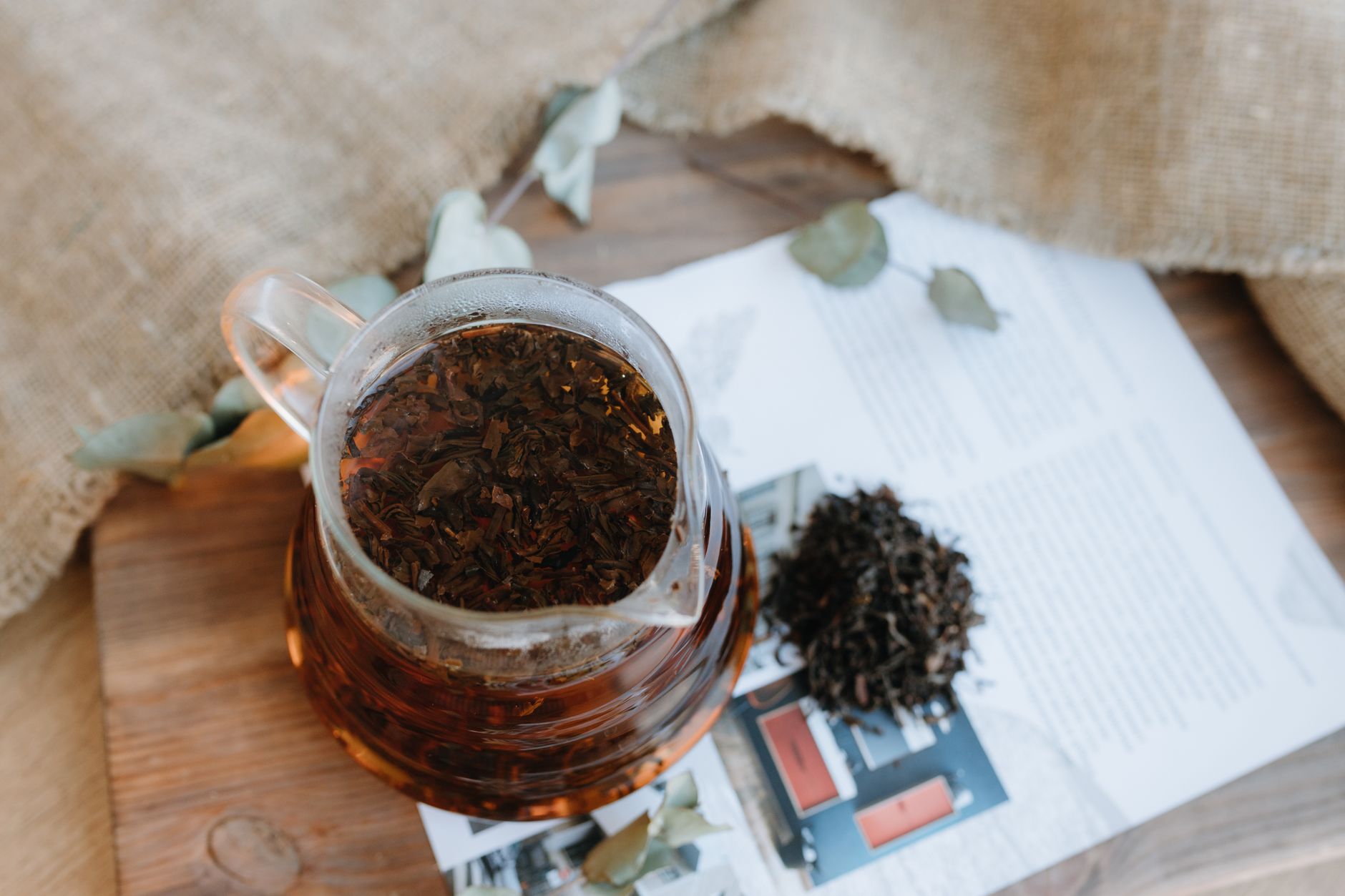
Photo by Alina Matveycheva on Pexels
Variations you'll encounter
Tra da chanh is tra da with fresh lime juice and sometimes a pinch of sugar. It tastes brighter, less herbal, and is often ordered as a drink rather than a meal accompaniment—think of it as the iced-tea equivalent of a "banh mi": ubiquitous but distinct enough to order by name.
Tra atiso (artichoke tea) is made from dried artichoke leaves and tastes slightly sweet and earthy. It's less common than straight green or jasmine, but you'll see it at cafes and health-conscious spots. The Vietnamese associate it with digestion and liver health.
Tra thanh (herbal tea) can mean anything from chrysanthemum to a mix of cooling herbs like lo han fruit. In summer, cooling teas are marketed as "heat-relief" drinks. In Saigon (사이공 / 西贡 / サイゴン)'s old French cafes, you might get a pot of jasmine tea leaves with a side of hot water—self-serve brewing, which is closer to Chinese tea culture.
You'll also see branded bottled versions (Tra Xanh, tra packages from Tan Phat) at convenience stores, but these are for when you're not sitting down to eat. The real thing is what the restaurant makes from a thermos.
How to order and etiquette
You don't usually order tra da. It comes with the meal. If your glass empties, you catch the server's eye and gesture, or say "Toi khong an man" (I don't eat salty)—which is the polite refusal. If you want it with lemon, ask for "tra da chanh." If you want something warm, ask for "tra nong" (hot tea). If you prefer no ice, say "khong da" (no ice), though this is uncommon.
At a cafe or if you're ordering it as a drink rather than a meal side, you can ask for it sweet ("tra da duong") or unsweetened ("tra da khong duong"). Prices are usually 5,000–15,000 VND depending on the venue.
There's no ceremony. You're not sipping it slowly. You drink it between bites, let it settle your stomach, refill it. It's functional, which is the entire point.
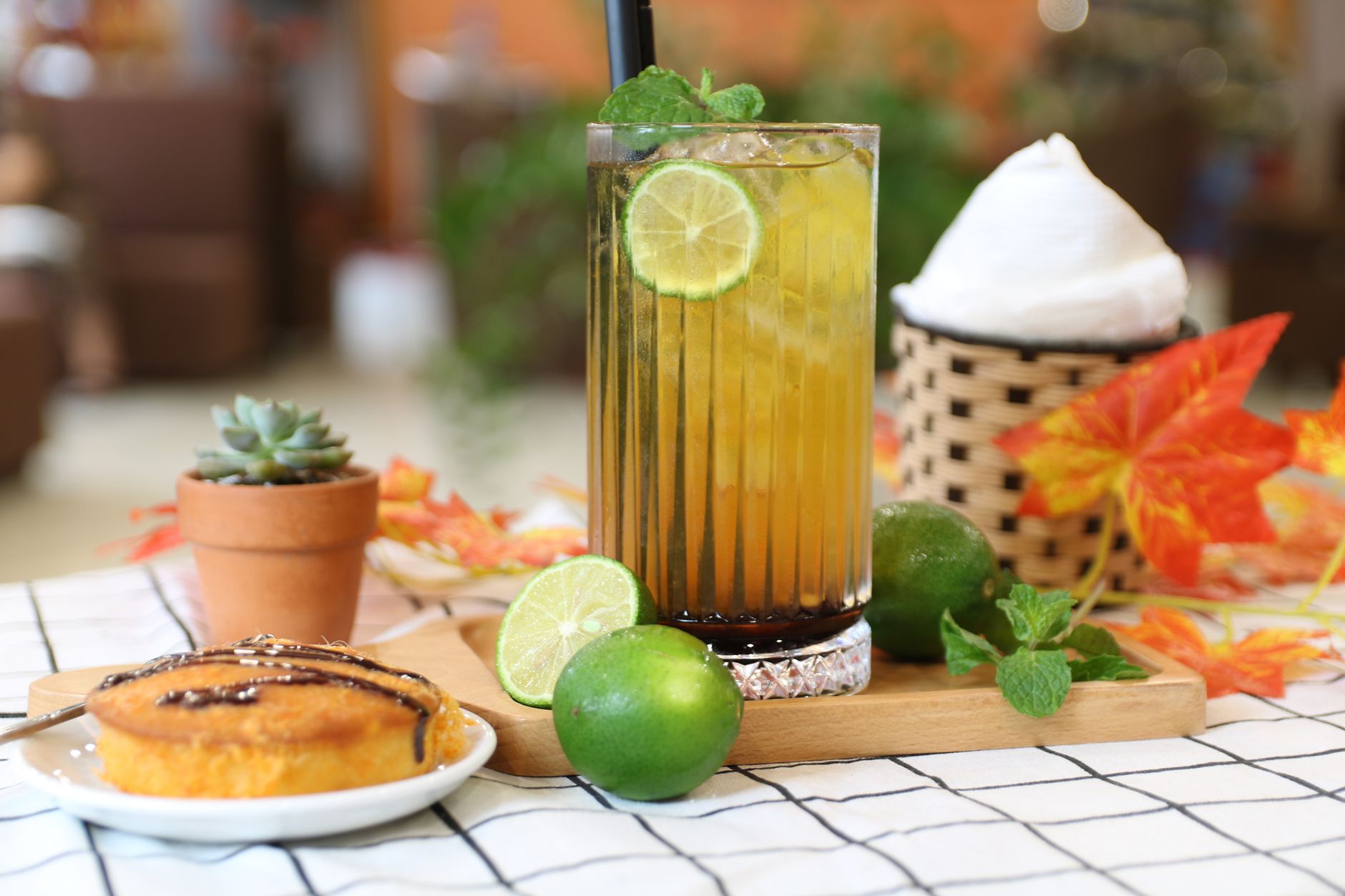
Photo by Ngoc Binh Ha on Pexels
Where it doesn't fit
At a formal sit-down dinner or a wedding, you might get hot tea in a proper cup, often served toward the end of the meal. Tra da is everyday—the stall, the casual lunch, the sweaty afternoon. At a cafe where you're lingering over work, you're more likely to order Vietnamese coffee (베트남 커피 / 越南咖啡 / ベトナムコーヒー), egg coffee, or a smoothie.
But even then, tra da is usually nearby. A lot of cafes have a pitcher of it sitting on a side table, available if you want it.
Practical notes
If you're traveling in Vietnam and sitting down to eat, assume tra da comes free. It's one of those invisible courtesies that foreigners often don't register until they've been here a while. Don't be shy about asking for more, or asking for "tra da chanh" if you want variation. The tea won't be a surprise—it's there to help you digest and cool off. That's the whole idea.
Going to Vietnam? Eat and travel smarter.
Monthly: new dishes, off-the-beaten-path destinations, and itineraries — straight to your inbox. No spam. Unsubscribe anytime.
Join 0 expats. (We just launched.)
More from All of Vietnam
Other articles covering the same region.

7 Days in Vietnam: A Yoga and Meditation Itinerary
A week-long route through Vietnam's quietest corners: Sapa's mountain silence, a meditation center in the Mekong, and coastal stillness in Da Lat. Real costs, transport, and retreat recommendations.

7 Days in Vietnam: A Solo Backpacker Itinerary
A tested week-long route through Hanoi, Ha Long Bay, and Saigon with budget lodging, street food, and overland transport. Real costs and booking tips included.

Best Banh Xeo in Nha Trang: Where Locals Send You
Nha Trang's banh xeo scene is rowdier and greasier than the south. Here's where locals actually eat, what to order, and why the crispy rice pancakes here taste different.
More in Food & Drink
More articles from the same category.

Best Pho Saigon in Ho Chi Minh City: Where Locals Send You
Pho Saigon is thinner, sweeter, and faster than its northern cousin. Here's where to find the real thing in HCMC, plus what makes it different and how to order.

Best Banh Nam in Hue: Where Locals Send You
Hue's version of "banh nam" is a steamed rice cake pocket stuffed with shrimp and pork—nothing like its northern cousin. Here's where locals actually eat it.

Best Banh Uot Thit Nuong in Buon Ma Thuot: Where Locals Send You
Banh uot thit nuong — steamed rice rolls with grilled pork — is a breakfast staple in Buon Ma Thuot's Central Highlands. Here are the spots locals actually eat.

Best Banh Canh Ca in Da Nang: Where Locals Send You
Da Nang's version of "banh canh ca" — thick tapioca noodles in crab broth — tastes different from Hanoi or Saigon. Here's where locals actually eat it, what to order, and why timing matters.

Best Muc 1 Nang in Mui Ne: Where Locals Send You
Muc 1 nang—grilled squid stuffed with herbs and meat—reaches its peak in Mui Ne. Here's where locals actually eat it, what to order, and why this coastal town makes it better than anywhere else.

Best Chao Ca Loc in Can Tho: Where Locals Send You
Chao ca loc—rice porridge with snakehead fish—is a Can Tho breakfast ritual. Here's where locals actually eat it, what it costs, and why this city does it better than anywhere else.
Comments
Loading…