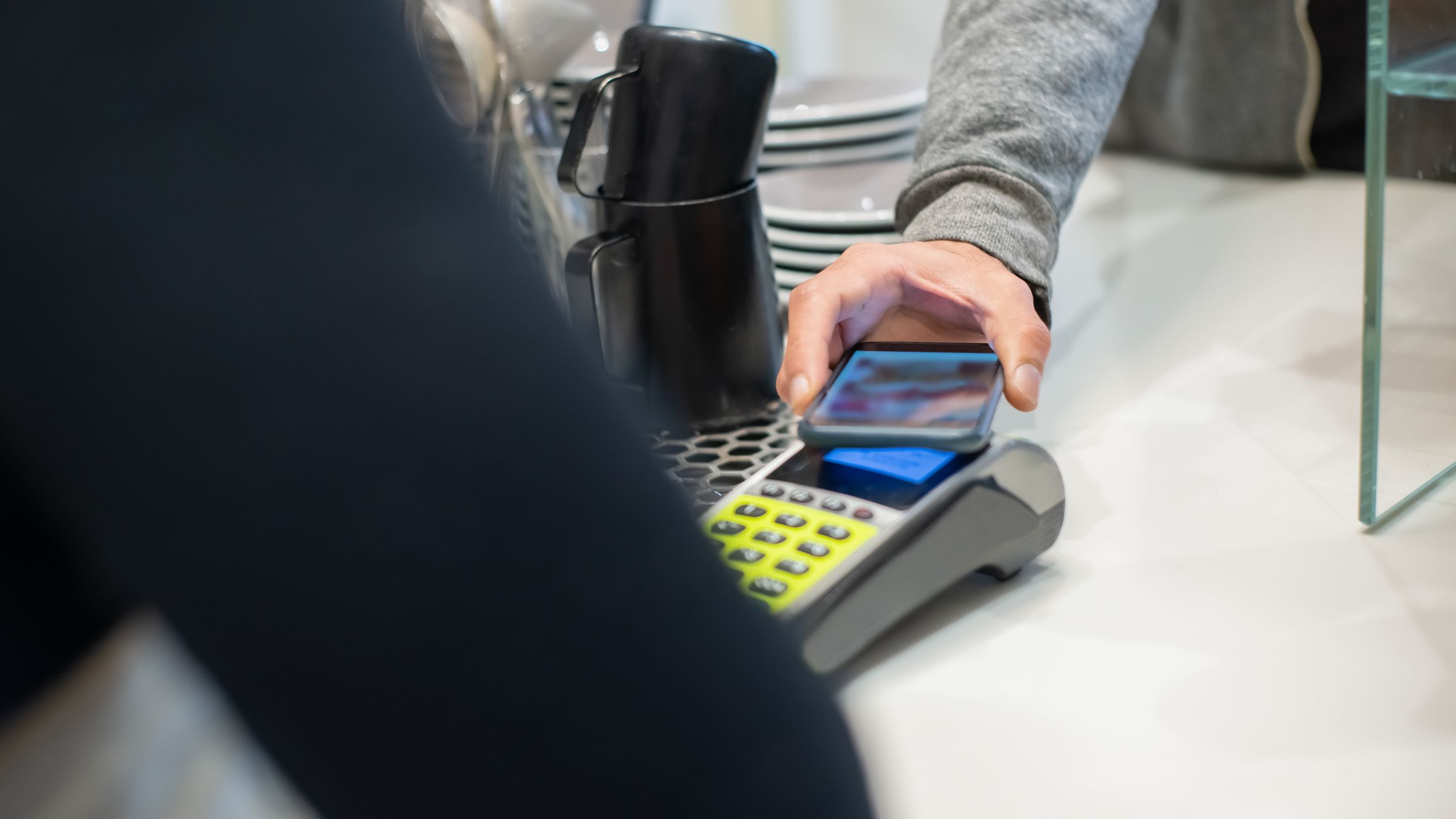
Contactless payments are slowly making inroads in Vietnam (베트남 / 越南 / ベトナム), but "slowly" is the operative word. If you're arriving from a country where tapping your phone at a coffee shop is second nature, Vietnam will recalibrate your expectations fast.
Which Banks Support Apple Pay and Google Pay
As of 2024-2025, the list of Vietnamese banks with full Apple Pay and Google Pay integration is short but growing.
Techcombank was one of the earliest domestic banks to go live with both platforms, and it remains the most reliable option. If you're opening a local bank account during a longer stay, Techcombank is the practical choice for contactless support. Their Visa and Mastercard debit/credit cards link without issues.
TPBank rolled out Apple Pay support and has been aggressive about promoting it — their app-first model makes them a decent fit for younger travellers who want a digital-first banking experience in Vietnam.
VPBank, MB Bank (Military Bank), and HSBC Vietnam have also added support for one or both platforms, though the integration quality varies. HSBC Vietnam is worth flagging for expats already holding HSBC cards internationally — the link process is relatively smooth.
Vietcombank and BIDV, the two largest state-affiliated banks and the ones most tourists encounter, have been slower to adopt. Vietcombank has made noises about Apple Pay support but rollout has been patchy. Don't count on it working reliably if you've linked a Vietcombank card.
Foreign cards — your Chase Sapphire, Revolut, Wise, or Monzo — will generally work fine with Apple Pay and Google Pay where those platforms are accepted, since the payment terminal just sees a Visa or Mastercard transaction. The limitation isn't your home bank; it's merchant acceptance.
Where Merchants Actually Accept Contactless
This is where things get realistic.
International hotel chains — Marriott, Accor, IHG properties in Hanoi, Saigon, Da Nang, Hoi An — accept contactless at front desks and restaurants without issue. Same for higher-end international restaurants and rooftop bars in District 1 (Saigon) and Hoan Kiem (Hanoi).
Convenience store chains are your most consistent bet for day-to-day use. Circle K, FamilyMart, and 7-Eleven locations across major cities have NFC-enabled terminals. GS25 and Ministop are hit-and-miss depending on the specific terminal installed.
Coffee chains: Highlands Coffee, The Coffee House, and Phuc Long generally support contactless at city-centre branches. Smaller independent cafes — including most of the places where you'd order Vietnamese coffee or egg coffee in Hanoi's Old Quarter — are cash or QR only.
Shopping malls: Vincom, AEON, and Lotte Mart have NFC terminals at most checkout lanes. This is probably the smoothest contactless experience you'll have in Vietnam.
Street food, local markets, pho stalls, banh mi (반미 / 越式法包 / バインミー) carts: cash only, full stop. No exceptions worth noting. Dong Xuan Market in Hanoi and Ben Thanh Market in Saigon are predominantly cash environments. Budget around 50,000–150,000 VND per meal at local spots and keep small bills on hand.

Photo by Quang Nguyen Vinh on Pexels
The QR Code Factor
Here's what trips up a lot of visitors: Vietnam has essentially leapfrogged contactless card payments and gone straight to QR. VietQR — the national interoperable QR standard — is everywhere. Every pho shop, every xe om driver, every small guesthouse has a VietQR code printed or laminated somewhere near the register.
The catch is that VietQR works through Vietnamese bank apps. If you have a Techcombank or TPBank account and app, you can scan and pay instantly. If you're a tourist without a local account, those QR codes are useless to you unless your bank's international app supports VietQR (most don't).
This means the payment landscape breaks down roughly like this: locals pay by QR or bank transfer, tourists pay by cash or card swipe, and Apple/Google Pay fills a narrow middle lane — useful in malls and chain stores, largely irrelevant everywhere else.

Photo by Monstera Production on Pexels
What It Costs and the Cash Reality
ATMs are widely available in every city. Withdrawal fees typically run 30,000–85,000 VND per transaction depending on the ATM network and your home bank's foreign transaction policy. Vietcombank ATMs are generally the most accessible and lowest-fee for foreign cards.
For a week-long trip mixing street food in Hanoi, a couple of nights in Hue, and a day trip to Hoi An, you'll realistically want 1,500,000–2,500,000 VND in cash on hand at any given time. Contactless is a bonus for mall runs and hotel checkouts — not a replacement for carrying dong.
If you're staying longer and want the full digital payment experience, opening a TPBank or Techcombank account (possible with a valid passport and visa at a branch) gets you into the VietQR ecosystem and gives you a locally-issued card that links cleanly to Apple or Google Pay.
Final Note
Apple Pay and Google Pay work well enough in Vietnam if you're sticking to chain stores, international hotels, and malls — but the country's payment infrastructure runs on cash and QR codes, and neither of those is going away soon. Come prepared with dong and treat contactless as a convenient extra, not a primary strategy.
Last updated · May 29, 2026 · independently researched, never sponsored.