Nam Du Islands: Kien Giang's Quieter Alternative to Phu Quoc
Nam Du is a cluster of 21 islands off the Kien Giang coast where fishing boats still outnumber tourists and the reefs haven't been loved to death yet.

Nam Du is a cluster of 21 islands off the Kien Giang coast where fishing boats still outnumber tourists and the reefs haven't been loved to death yet. If Phu Quoc's development pace has put you off, this archipelago — about 90 km southwest of Rach Gia — is worth the extra effort to reach.
Getting There from Rach Gia
The only practical entry point is Rach Gia city, the provincial capital of Kien Giang. From there, two speedboat operators — Superdong and Thanh Thoi — run daily departures to Nam Du, typically at 7:30 AM and 1:00 PM. The crossing takes around 2 hours and costs 200,000–250,000 VND one way. Bring a light jacket; the open-sea wind is colder than you expect even in dry season.
If you're coming from Phu Quoc (푸꾸옥 / 富国岛 / フーコック), there's no direct ferry. You'll need to return to Ha Tien or Rach Gia first, which adds half a day. Budget travelers sometimes do a Phu Quoc–Rach Gia–Nam Du loop over 8–10 days and find it worthwhile.
Boats dock at Nam Du's main island, Hon Lon. The village here is compact — you can walk end to end in 20 minutes. Motorbike rentals are available near the pier for around 120,000–150,000 VND per day if you want to explore the island's single coastal road.
The Snorkeling
Nam Du's clearest water sits around the smaller outer islands: Hon Ngang, Hon Mau, and the rock formations near Hon Da Bac. Visibility runs 8–15 meters during dry season (March through June), which is good enough to see hard coral, reef fish, and the occasional sea turtle if you're patient and quiet about it.
Day-trip boat charters from Hon Lon cost roughly 800,000–1,200,000 VND for a private boat holding 4–6 people. Your homestay can arrange this; it's how most of the local economy works. Gear rental — mask, fins, snorkel — is usually included or available for 50,000 VND extra. Don't expect dive shops or PADI courses; this isn't that kind of island yet.
The coral around Hon Ngang in particular is in better shape than most of what you'll find closer to the mainland. That said, anchor damage is visible in spots, and the marine environment here isn't actively managed. Go now rather than in five years.
The Lighthouse Hike
Hon Lon's lighthouse sits on a hill at the island's southern end, reached by a concrete staircase of around 500 steps cut into the hillside. It's not a difficult climb — allow 30–40 minutes up — but do it before 9 AM or after 4 PM in April or May when midday heat sits at 35°C and the path offers no shade.
The view from the top covers the full spread of the archipelago: Hon Ngang to the southwest, the fish farms dotting the shallows, fishing boats making their way back from overnight runs. It's the kind of panorama that makes you glad you didn't just go to Phu Quoc and lie on a resort beach for a week.
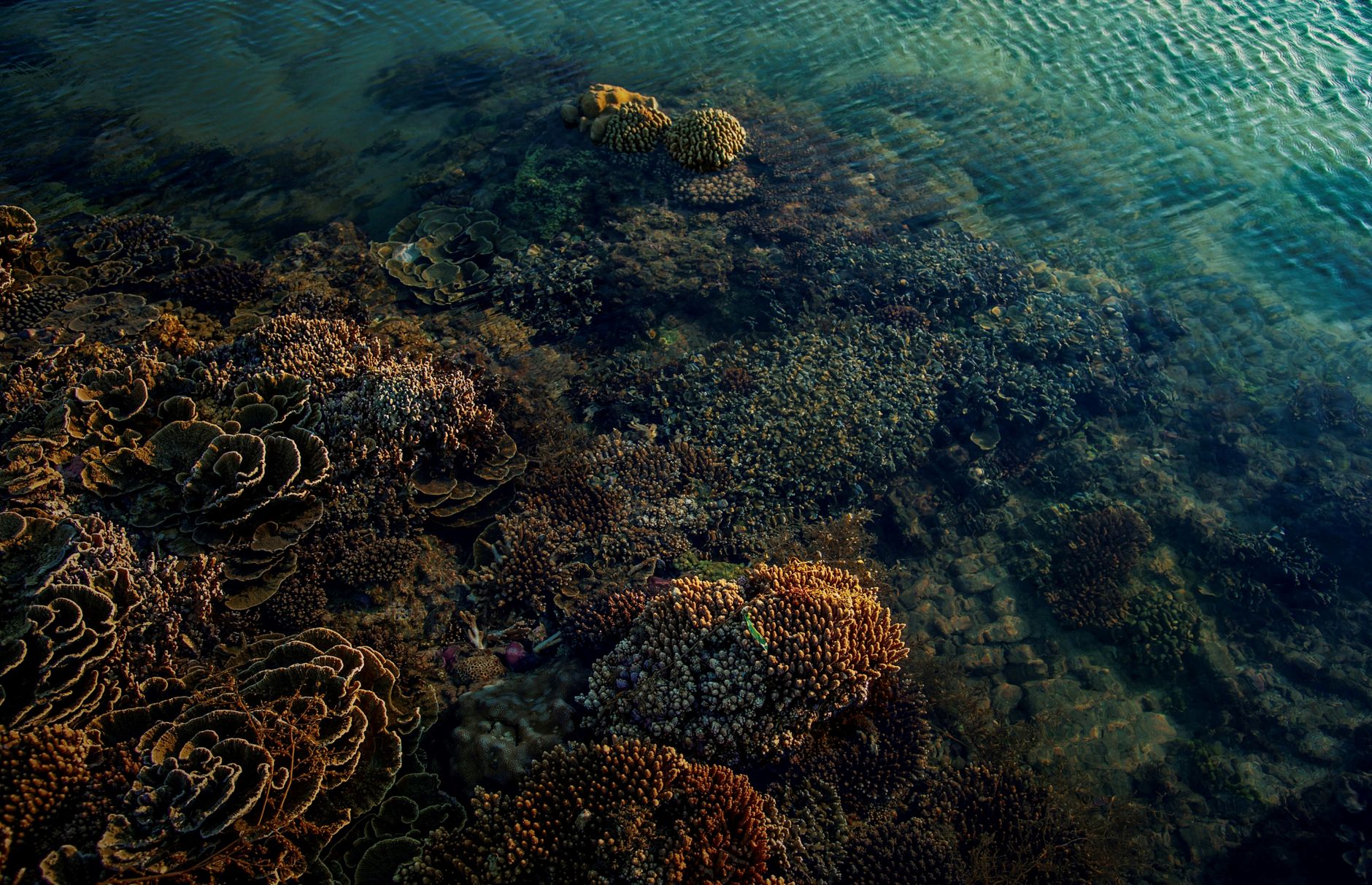
Photo by Trung Nguyen on Pexels
Where to Sleep
Accommodation on Nam Du is mostly family-run homestays and basic guesthouses. Expect clean rooms, a fan or wall-unit AC, a shared or private bathroom, and meals cooked by whoever runs the place. Rates run 200,000–400,000 VND per night for a double room; the higher end gets you air conditioning and a private bathroom.
A few names that come up repeatedly among repeat visitors: Nha Nghi Phuong Thanh and Nha Nghi Bien Xanh on Hon Lon both have reliable reviews for cleanliness and helpful owners who can sort boat charters. Book ahead from March through June — the island has limited beds and fills up on weekends when Vietnamese day-trippers arrive from Rach Gia.
There are no international-standard hotels here and none planned as far as anyone can tell. The infrastructure is thin: power occasionally cuts out, hot water isn't guaranteed, and Wi-Fi is spotty even by Vietnamese island standards. If that's a dealbreaker, Phu Quoc has what you need. If it sounds like a reasonable trade for an island that still feels like an island, Nam Du delivers.
Eating on the Island
Seafood is the obvious answer and it's genuinely good. Grilled squid (muc nuong), steamed crab, and fried fish with rice are the staples at the small restaurants clustered near the pier. A full seafood meal for two with rice and vegetables runs 200,000–350,000 VND depending on what's been caught.
Breakfast options are limited to whatever the guesthouses provide — usually rice porridge, fried eggs, or instant noodles. A few stalls near the market open early and sell "banh mi" and coffee. Don't arrive expecting a cafe scene; the island runs on fishing hours, not tourist hours.
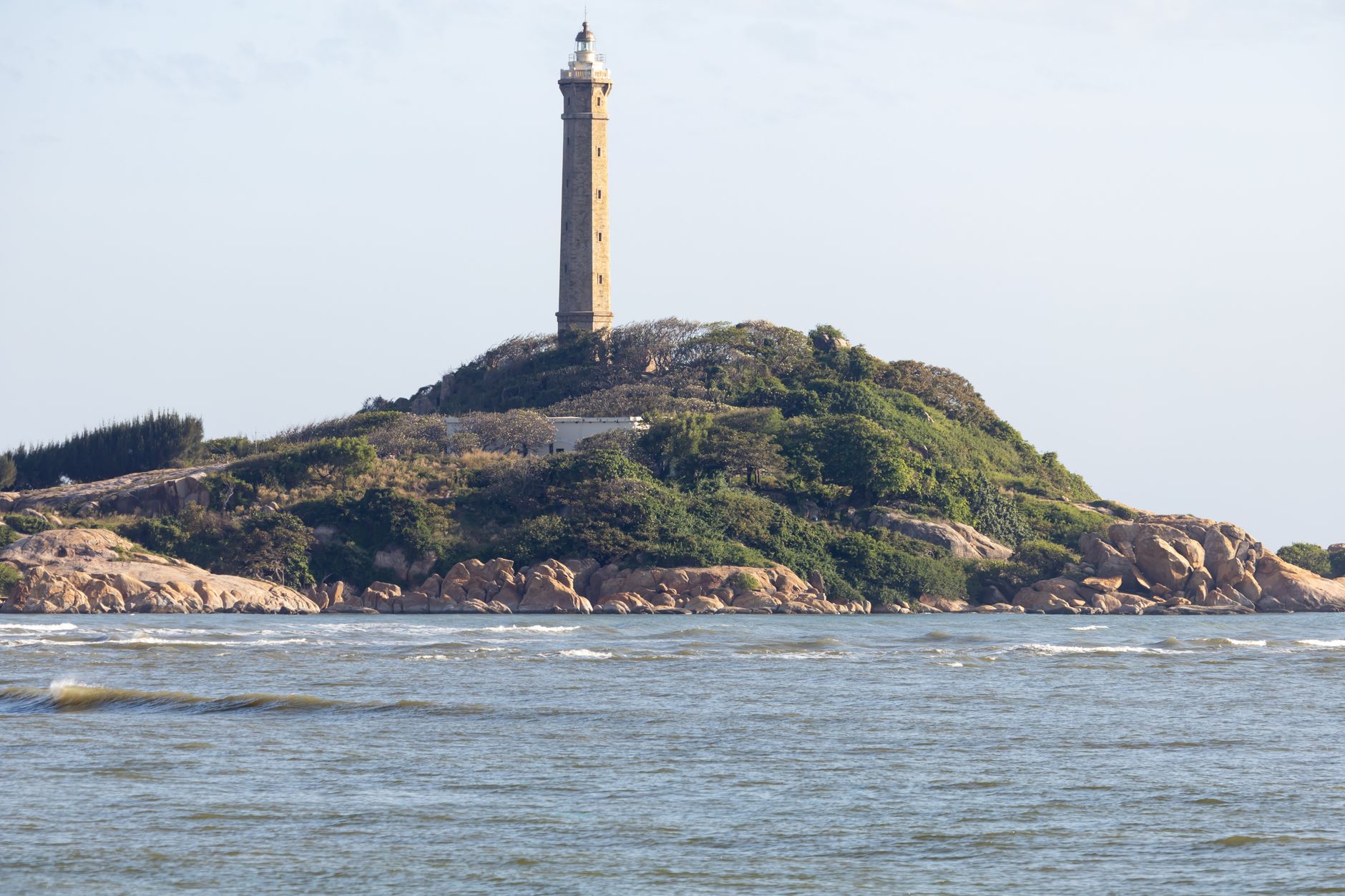
Photo by Serg Alesenko on Pexels
Best Time to Go
March through June is the window. Seas are calm, visibility is at its peak, and the heat is manageable with early starts. July through November brings southwest monsoon swells that can cancel boat services for days at a stretch — not ideal if you have a return flight to catch. December through February is transitional; crossings are possible but rougher, and some homestays close for the off-season.
If you're planning a longer southern loop, pairing Nam Du with Ha Tien (for its limestone karst coast and border-town atmosphere) and Phu Quoc makes geographic sense and gives you three distinct versions of what Kien Giang's coastline actually looks like.
Practical Notes
Bring enough cash from Rach Gia — there are no ATMs on the island. A 4G SIM (Viettel has the strongest signal out here) keeps you connected enough for basic navigation and booking boats. Pack reef-safe sunscreen, a dry bag for boat trips, and any medication you might need; the nearest pharmacy is back on the mainland.
Going to Vietnam? Eat and travel smarter.
Monthly: new dishes, off-the-beaten-path destinations, and itineraries — straight to your inbox. No spam. Unsubscribe anytime.
Join 0 expats. (We just launched.)
More from Southern Vietnam
Other articles covering the same region.

Long Hai and Ho Coc: The Quieter Beach Alternatives to Vung Tau
When Vung Tau feels too crowded, Saigon drivers push another 30-50 km east to Long Hai and Ho Coc — two coastal stretches that still feel like weekends used to.

Vinh Long Mekong Homestay: Orchards, Brick Kilns, and the Slow Boat Life
Vinh Long sits an hour from Can Tho but feels a world apart — island homestays, working orchards, and crumbling brick kilns that most Mekong tourists never reach.
Ben Tre: Coconut Country, Canal Boats, and the Mekong's Quietest Corner
Ben Tre moves slower than the rest of the Mekong Delta — fewer tour buses, more waterways, and coconut palms as far as you can see. Here's how to spend two days properly.
More in Destinations
More articles from the same category.

Bat Trang vs Phu Lang vs Chu Dau: Vietnam's Three Ceramic Villages Compared
Three villages, three completely different traditions in clay. Here's how Bat Trang, Phu Lang, and Chu Dau compare — and how to visit each from Hanoi.

Tet Nguyen Dan: What Really Happens During Vietnam's Lunar New Year Week
Tet shuts Vietnam down and lights it back up simultaneously. Here's what actually unfolds day by day — and how to navigate it as a visitor.

Hat Xam: The Blind Beggar Music of Vietnam Making a Comeback
Hat xam was sung by blind street performers for centuries — then nearly vanished. Here's where to hear it live in Hanoi today.

Vietnamese Calligraphy: The Ong Do Tradition and Where to Commission a Piece
Vietnam's 'ong do' calligraphy tradition peaks at Tet but survives year-round. Here's the history, where to find calligraphers in Hanoi and Saigon, and how to commission a piece.

Van Phuc Silk Village: The 1000-Year Loom Town Just Outside Hanoi
Twelve kilometers southwest of Hanoi's Old Quarter, Van Phuc has been weaving silk for over a millennium — and it's still the best place in the north to buy the real thing.

Son Mai: Vietnam's Lacquer Art, From Temple Walls to Hanoi Galleries
Son mai lacquerware is one of Vietnam's most technically demanding crafts. Here's how it's made, who the key artists are, and where to find the real thing in Hanoi.
Comments
Loading…