Soc Trang Province: Mekong Delta Khmer Culture and Pagodas
Soc Trang, in the Mekong Delta's heart, blends Vietnamese and Khmer heritage. Home to striking pagodas and river life, it's a quieter gateway to the region's spiritual landscape and local rhythms.

Soc Trang sits in the southern Mekong Delta (메콩 델타 / 湄公河三角洲 / メコンデルタ), 231 kilometers from Ho Chi Minh City. Its name comes from the Khmer "Srok Khleang"—meaning "Land of Depositories"—a nod to its historical role as a storage hub. What draws visitors now is the blend of Vietnamese and Khmer cultures, visible in everything from daily life along the Maspero River to the pagodas scattered across the province.
The Khmer Pagodas
Soc Trang's religious architecture sets it apart. These aren't just worship sites; they're architectural statements and windows into local devotion.
Bat Pagoda (Mahatup), in Ward 3 of Soc Trang City, is the most famous draw. It's a working Theravada Buddhist monastery—and home to hundreds of fruit bats. At dusk, they wake and scatter across the city. The experience feels closer to wildlife encounter than temple visit.
Khleang Pagoda, in Ward 6, showcases Khmer architectural style in full: sloped roofs, ornate carvings, a sense of deliberate craftsmanship. Buu Son Pagoda (Clay Pagoda) is nearby, known for intricate clay sculptures—human figures, animals, religious motifs—all carved and assembled on-site. It's raw craftwork, not mass-produced souvenir material.
La Han Pagoda in Ward 8 rounds out the circuit. Som Rong Temple, with its stupa, adds another layer of spiritual geography.
Geography and River Life
Two rivers define the landscape: the Hau River and the My Thanh River. Soc Trang has a 72-kilometer coastline along the South China Sea, but the real appeal is inland—low-lying, flat terrain crisscrossed by waterways and rice paddies.
The province was historically divided into 8 districts and 2 district-level towns (Vinh Chau and Nga Nam are the notable ones for travelers). Soc Trang City, the former capital, remains the hub for exploring temples, eating local food, and finding river-based boat tours. The Maspero River, which cuts through the city, is where you see morning fish drying, kids playing, vendors setting up.
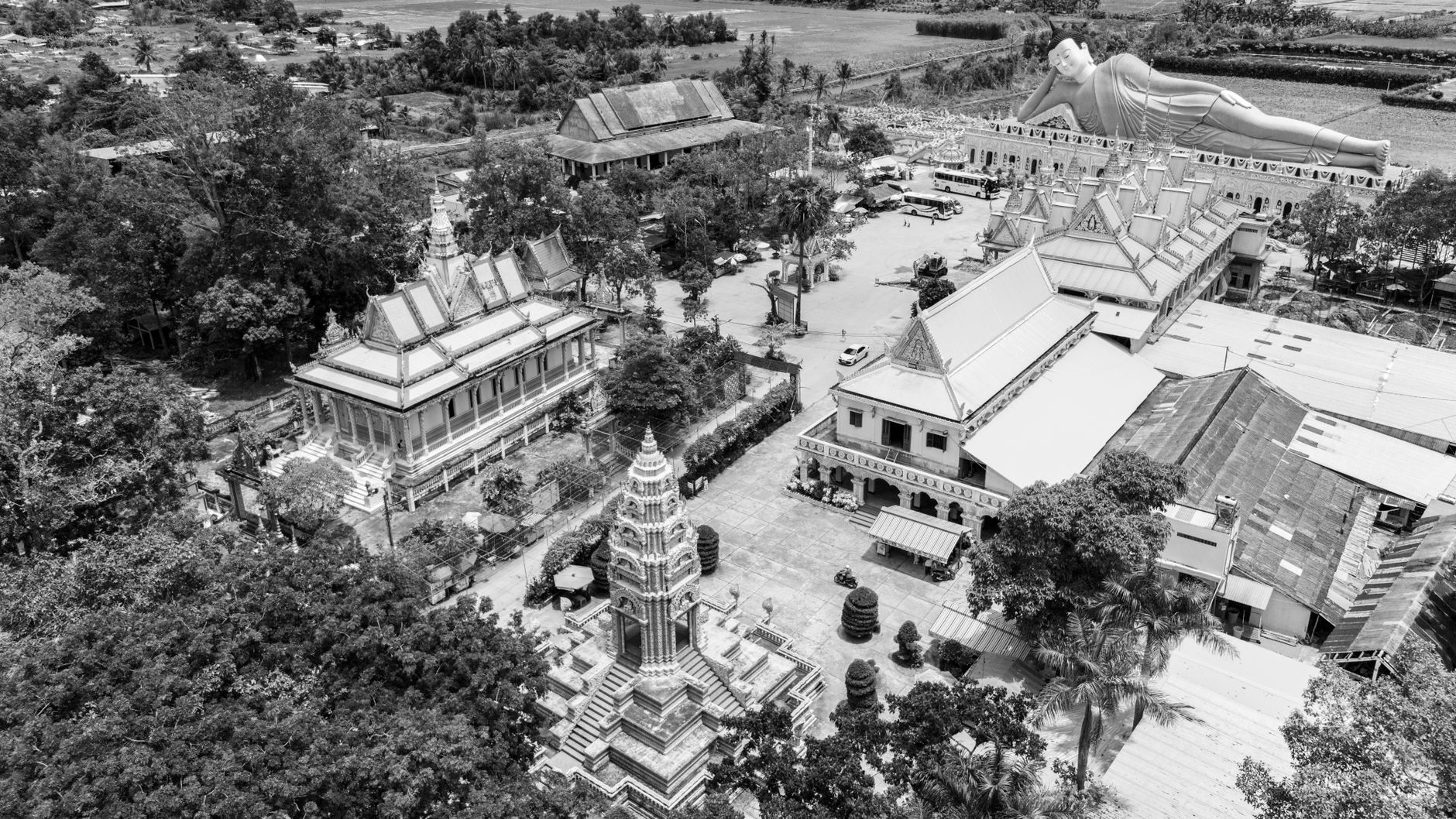
Photo by Duy Nguyen on Pexels
Getting Around and What to Expect
Soc Trang is not a tourist hotspot like Hoi An or Ha Long Bay. That's partly its appeal. You'll encounter fewer tour groups, lower prices, and a stronger sense of unfiltered local routine. Budget accommodations cluster in Soc Trang City; restaurants serve straightforward Mekong fare—river fish, rice, seasonal vegetables.
Best visited as part of a broader Mekong Delta loop: Soc Trang → Can Tho → Chau Doc, or as a quieter alternative to the busier delta towns. Pagoda visits work best early morning (6–8 a.m.) before heat peaks and crowds arrive (though crowds are modest).
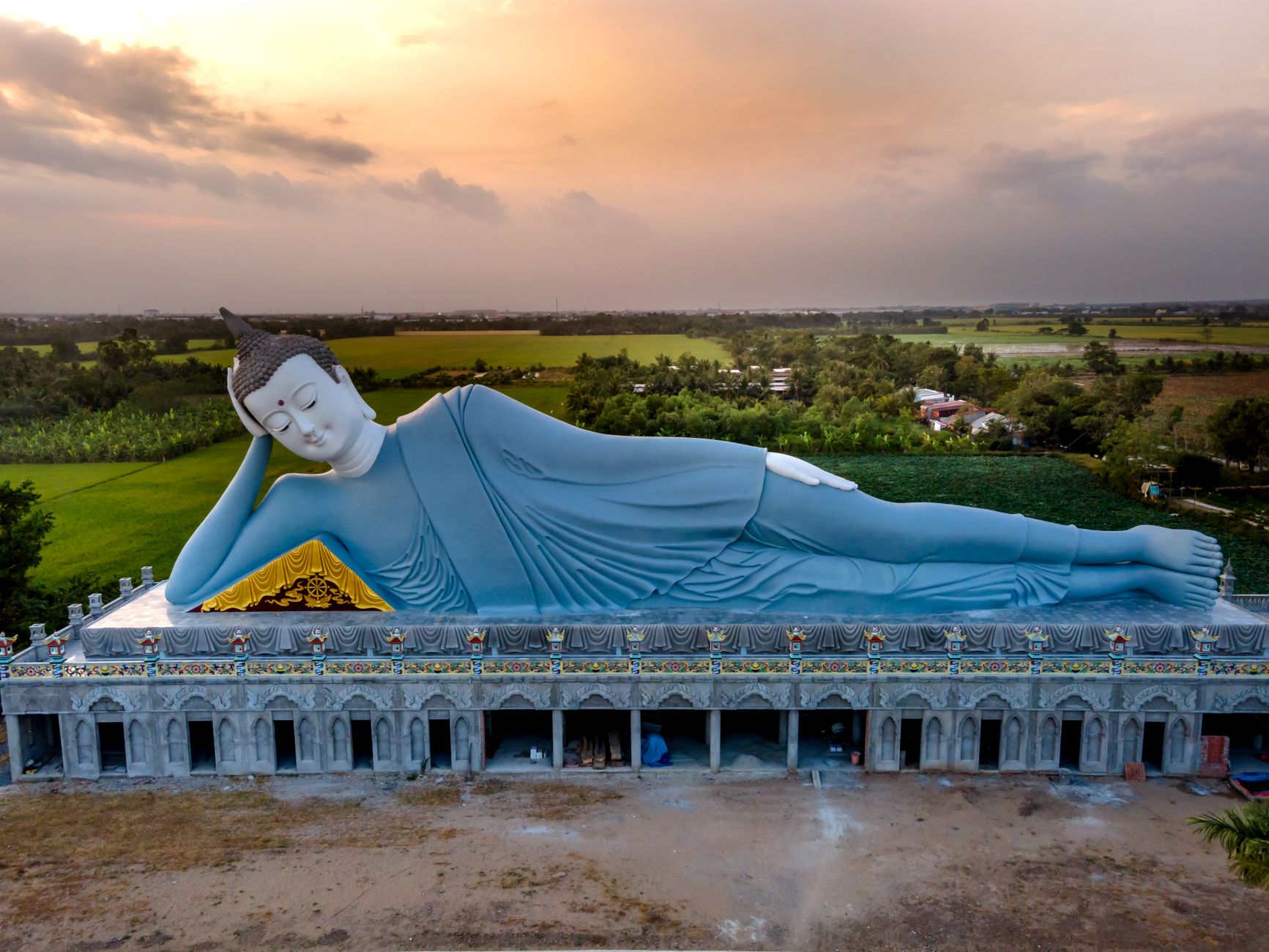
Photo by Quang Nguyen Vinh on Pexels
On the Ground
The province underwent administrative restructuring in mid-2025, merging into a larger city administration, but the towns and pagodas remain accessible. Local transport is cheap (shared minibuses, motorbike taxis). Street-level food—breakfast pho (쌀국수 / 越南河粉 / フォー), bun cha, fresh sugarcane juice—is abundant and costs 20,000–40,000 VND.
Soc Trang doesn't offer the dramatic landscapes or famous-name sites of northern or central Vietnam (베트남 / 越南 / ベトナム). What it offers is slower immersion: river time, temple quiet, a genuine glimpse of how the Mekong Delta functions when tourists aren't the main event.
Going to Vietnam? Eat and travel smarter.
Monthly: new dishes, off-the-beaten-path destinations, and itineraries — straight to your inbox. No spam. Unsubscribe anytime.
Join 0 expats. (We just launched.)
More from Southern Vietnam
Other articles covering the same region.

Landmark 81 Saigon: Observation Deck, Ice Rink, and Getting There from District 1
Landmark 81 is Vietnam's tallest building and Saigon's most visible skyline anchor. Here's what's actually inside and whether it's worth the trip.

Bitexco Financial Tower: Skydeck, Helipad Bar, and Whether the Ticket Is Worth It
Saigon's most recognizable skyscraper charges 250,000 VND to ride up to the 49th floor — here's what you actually see, and whether you should bother.

Notre Dame Cathedral Saigon: French Colonial Centerpiece in the Heart of HCMC
Saigon's Notre Dame Cathedral has been wrapped in scaffolding for years, but the square in front of it remains one of the best starting points for a colonial-era walking tour of District 1.
More in Destinations
More articles from the same category.

Paradise Cave, Quang Binh: The 31km Marble Cave That Beats Phong Nha for Photographers
Paradise Cave runs 31km through Quang Binh's karst and delivers the kind of cathedral-scale formations that Phong Nha's boat tour simply can't match. Here's how to see it properly.

Son Doong Cave: What the $3,000 Oxalis Expedition Actually Includes
Son Doong is the world's largest cave and only one operator is legally allowed to take you inside. Here is what the permit-only expedition covers and whether it is worth it.

Phong Nha Cave: Wet Cave, Dry Cave, and How to Choose
Phong Nha has two main caves worth your time — one you reach by river boat, one on foot. Here's how to pick, what each costs, and when to go.

Hoi An Lantern Festival: Full Moon Nights and How to Plan Around Them
Once a month, Hoi An cuts the electricity and lights the Ancient Town with silk lanterns. Here's what actually happens and how to not spend the evening stuck in a crowd.

Japanese Bridge Hoi An: 400 Years of History, a Restoration Row, and How to See It Right
Hoi An's Japanese Bridge has anchored the Ancient Town for four centuries. Here's what to know about its origins, the restoration that divided locals, and when to visit.

Hoi An Old Town Walking Guide: Yellow Walls, Lantern Alleys, and the Japanese Bridge
A street-level route through Hoi An's UNESCO core — old merchant houses, assembly halls, the famous Japanese Bridge, and when to walk each stretch for the best light.
Comments
Loading…