What to Eat in Thanh Hoa: Regional Dishes and Where Locals Go
Thanh Hoa's food scene balances coastal seafood, mountain game, and understated local dishes that rarely show up on tourist menus. Here's where to find them and what they cost.

Thanh Hoa sits in a pocket of central Vietnam most travelers skip—which is precisely why the food here tastes like it's cooked for locals, not Instagram. You get seafood from the coast, game from the highlands, and dishes that have held their shape for decades without chasing trends.
The Signature Dish: Com Tam Thanh Hoa
"Com tam" (broken rice) is a national staple, but Thanh Hoa's version leans harder into pork fat and char. The rice itself is cooked in a clay pot over charcoal until the bottom layer crisps into a golden crust called "com chay"—that's what makes it worth seeking out. You'll find it heaped with grilled pork rib ("sương sườn"), a fried egg, and a small dish of fish sauce with chili. The standard plate costs 35,000–45,000 VND at any com tam stall. Look for the ones with queues at 6:30 a.m.; that means the pork was butchered yesterday.
Best bets: lanes running off Quang Trung Street have three or four com tam vendors within 200 meters. No names—just arrive early.
Banh Da Cua (Crab Cake)
This is a Thanh Hoa obsession and almost nowhere else does it the same way. It's a flat, thin "banh" (cake) made with a mix of rice flour, egg, and blue crab meat, pan-fried until the edges blister. Locals tear it into pieces, wrap it in fresh herbs and lettuce, then dip it in fish sauce. The sweetness of the crab cuts through the funk of the dipping sauce in a way that feels accidental but isn't.
You'll see vendors at Thanh Hoa Market (Cho Thanh Hoa) in the morning, around 6:30–8 a.m., making them fresh on a flat griddle. A whole cake (about 15 cm across) runs 25,000–35,000 VND. Don't buy them from coolers at lunchtime; they sit and dry out. Morning, always.
Mam Tom (Shrimp Paste) and Its Dishes
Thanh Hoa's "mam tom"—fermented shrimp paste—is pungent even by Vietnamese standards. It's a 200-year tradition tied to the coastal salt marshes, and while you can buy jars at the market to take home, the real way to taste it is in a dish: usually tossed through "canh chua" (sour soup with fish and tamarind) or stirred into a vegetable stir-fry at the stall level.
If you have a strong stomach and no jet lag, try it at a vendor near the water market (Cho Nuoc), where fishmongers sell it fresh alongside squid and grouper. A bowl of mam tom with water spinach or mustard greens costs 20,000–30,000 VND. Tourists who order it by accident often regret it; locals love it.
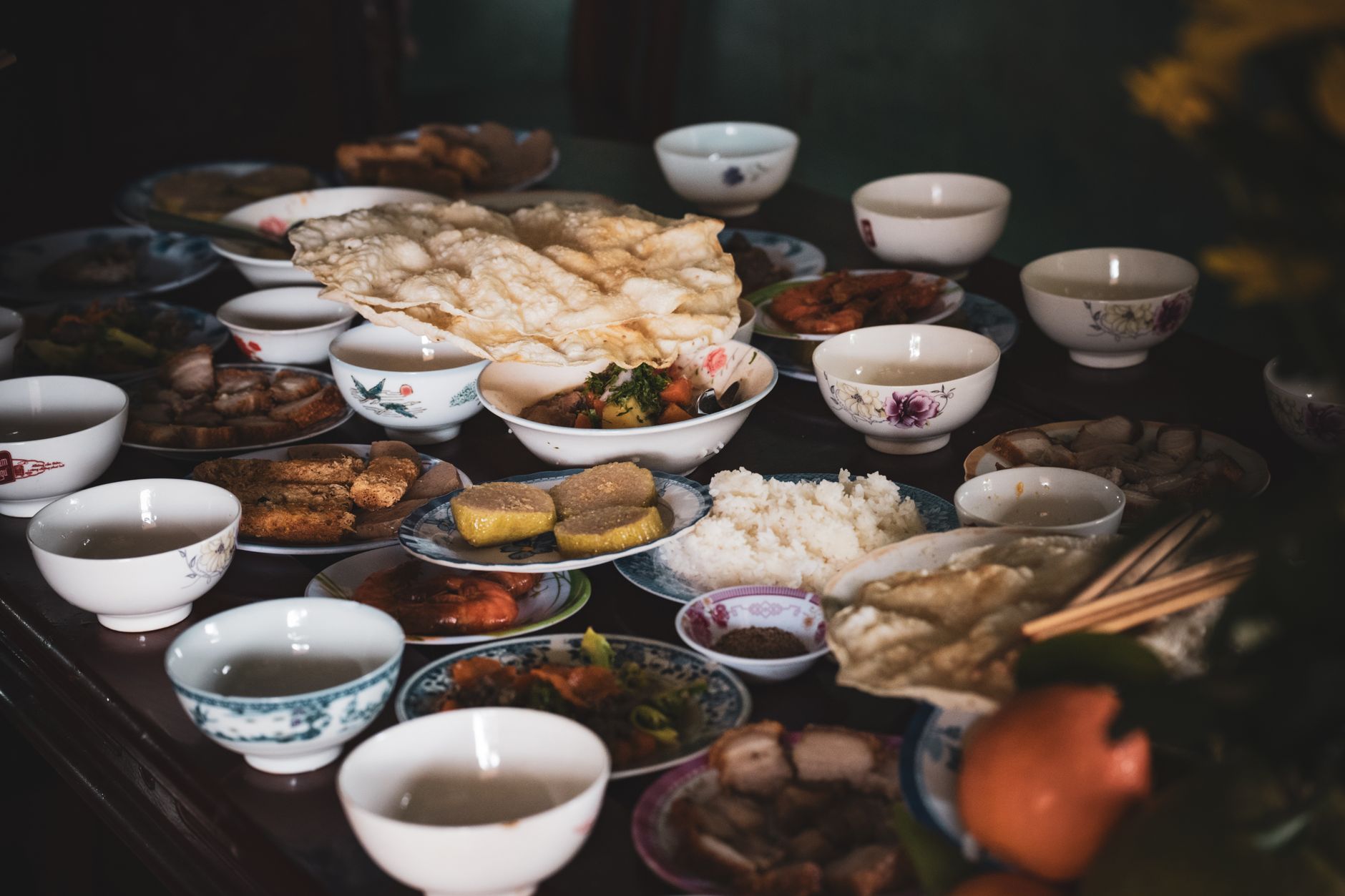
Photo by Vuong on Pexels
Seafood You Won't Fight Over
Because Thanh Hoa has a coastline—specifically Sam Son Beach, 20 km south—fresh fish and shrimp are cheaper and more reliable than in Hanoi or Saigon. Most of it hits local seafood restaurants in the evening, cooked simply: grilled, steamed with aromatics, or tossed into a hot pot.
Head to the restaurants clustered near the harbor in Sam Son (about 30 minutes south by motorbike or car from central Thanh Hoa) in the late afternoon. Whole grilled fish ("ca nuong") 300–500g runs 100,000–150,000 VND. Shrimp ("tom"), by weight, is roughly 250,000–350,000 VND per kg. A family meal of three dishes, rice, and beer will cost 300,000–450,000 VND. These places have no English menus, but pointing works fine. The trade-off: they're not fancy, and some tourists find them rough.
Markets and Street Food Clusters
Cho Thanh Hoa (Central Market) is the main morning show, 5–9 a.m. You'll find banh da cua, "banh chung" (square glutinous rice cake), grilled meats on sticks ("nem nuong"), and seasonal fruit. Everything is cheap: a full breakfast for two—rice cake, sausage, coffee—runs 60,000–80,000 VND.
Cho Nuoc (Water Market), closer to the river, is where fishmongers work. It's working-class and loud. Go if you want to see how the city eats raw; the food stalls here serve mam tom, fresh crab, and river fish.
Quang Trung Street hosts the evening food parade. After 5 p.m., street vendors set up with grilled meat skewers, pho, banh mi, and rotating noodle soups. Prices: 20,000–50,000 VND per serving.
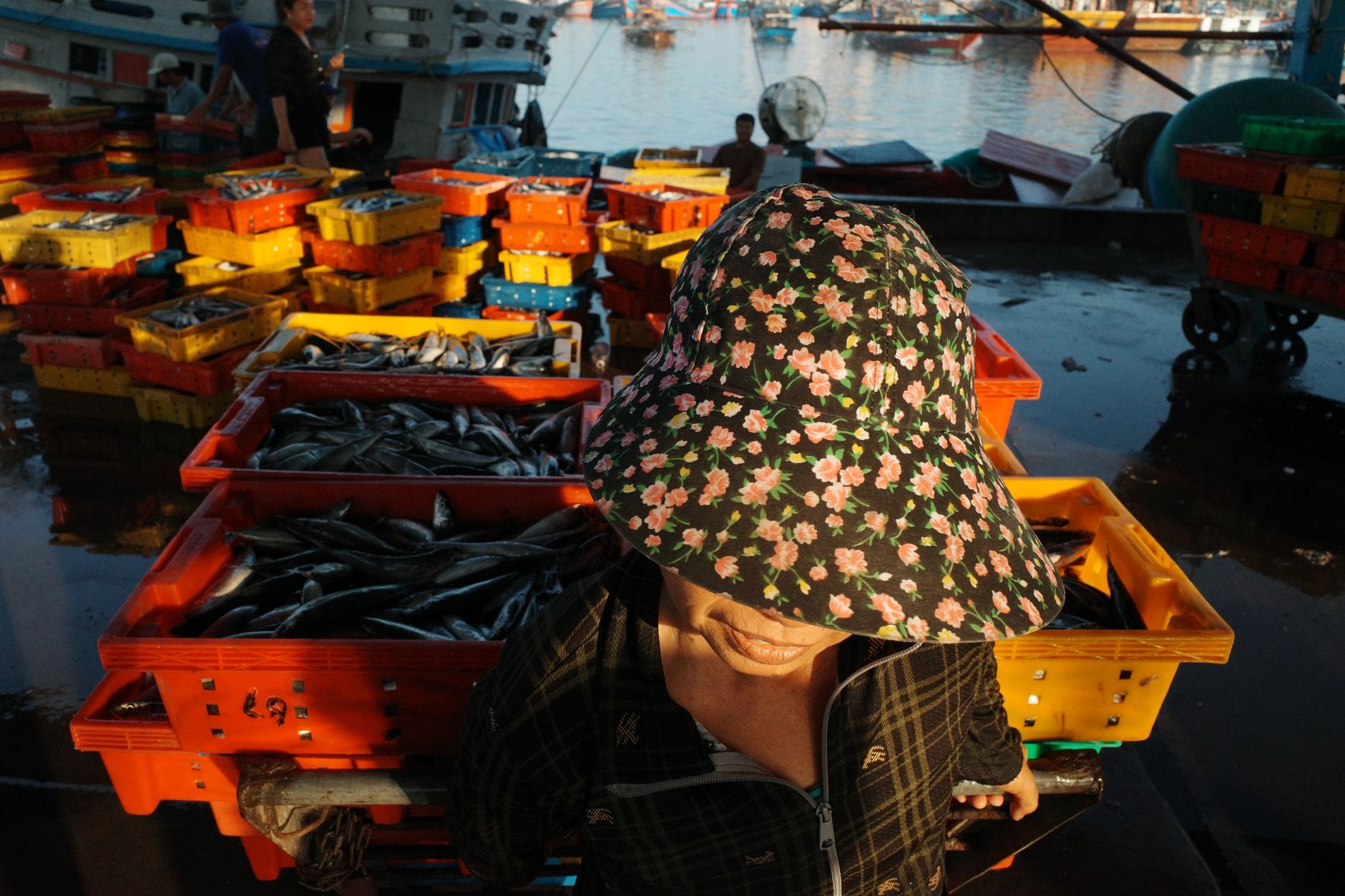
Photo by baolong thai on Pexels
Game and Mountain Specialties
Thanh Hoa borders the Ha Tinh province highlands, so venison ("thit hươu") and wild boar ("thit lợn rừng") appear on some restaurant menus, especially in winter. These aren't tourist dishes—they're expensive (venison around 250,000–350,000 VND per kg) and served at older, unmarked restaurants frequented by hunters and rural traders. You'll need a local to point you; they're not advertised.
If you're interested, ask your hotel staff or a local guide. Otherwise, don't go looking solo.
Egg Coffee and Thanh Hoa Twists
Thanh Hoa doesn't have a signature coffee culture like Hanoi or Da Lat, but you'll find "ca phe sua da" (iced coffee with condensed milk) everywhere, usually 15,000–20,000 VND. Some cafes attempt "egg coffee", though the tradition is northern. Quality is hit-or-miss outside the city center.
Where to sip: Nguyen Du Street has three or four cafes aimed at locals and the occasional traveler. No pretense, strong coffee, cold.
Practical Notes
Thanh Hoa's food scene is genuinely local—which means fewer English menus, less hand-holding, and no Instagram-bait plating. Expect to point, eat quickly, and pay in cash. The payoff is authenticity and price: a hearty breakfast costs 30,000–50,000 VND; lunch under 100,000 VND is standard. Avoid restaurant tourist traps near Thanh Hoa's main square and bus station; head instead to the markets and Quang Trung Street after work hours. The water market and Sam Son harbor are 20–30 minutes away but worth the motorbike ride if you want to eat where fishermen do.
Bring a light stomach and an open mind. Mam tom isn't for everyone, but it's real.
Going to Vietnam? Eat and travel smarter.
Monthly: new dishes, off-the-beaten-path destinations, and itineraries — straight to your inbox. No spam. Unsubscribe anytime.
Join 0 expats. (We just launched.)
More from thanh-hoa
Other articles covering this city.

Thanh Hoa Best Time to Visit: A Traveler's Guide
Thanh Hoa's wet monsoons and typhoon season shape when you can actually hike, cycle, and explore. Here's what each month really looks like.

Thanh Hoa: What to Do — Beaches, Caves, and Quiet Towns
Thanh Hoa sits between Hanoi and Hue, offering limestone caves, fishing villages, and empty beaches without the crowds. Here's where to spend your time.

Nem Chua: Vietnam's Funky Fermented Pork You Need to Try
Tangy, garlicky, wrapped in banana leaves — "nem chua" is Vietnam's answer to salami. Here's what it is, where to find the best versions, and how to eat it without looking lost.
More from Central Vietnam
Other articles covering the same region.

Paradise Cave, Quang Binh: The 31km Marble Cave That Beats Phong Nha for Photographers
Paradise Cave runs 31km through Quang Binh's karst and delivers the kind of cathedral-scale formations that Phong Nha's boat tour simply can't match. Here's how to see it properly.

Son Doong Cave: What the $3,000 Oxalis Expedition Actually Includes
Son Doong is the world's largest cave and only one operator is legally allowed to take you inside. Here is what the permit-only expedition covers and whether it is worth it.

Phong Nha Cave: Wet Cave, Dry Cave, and How to Choose
Phong Nha has two main caves worth your time — one you reach by river boat, one on foot. Here's how to pick, what each costs, and when to go.
More in Destinations
More articles from the same category.

Landmark 81 Saigon: Observation Deck, Ice Rink, and Getting There from District 1
Landmark 81 is Vietnam's tallest building and Saigon's most visible skyline anchor. Here's what's actually inside and whether it's worth the trip.

Bitexco Financial Tower: Skydeck, Helipad Bar, and Whether the Ticket Is Worth It
Saigon's most recognizable skyscraper charges 250,000 VND to ride up to the 49th floor — here's what you actually see, and whether you should bother.

Notre Dame Cathedral Saigon: French Colonial Centerpiece in the Heart of HCMC
Saigon's Notre Dame Cathedral has been wrapped in scaffolding for years, but the square in front of it remains one of the best starting points for a colonial-era walking tour of District 1.

Hoi An Lantern Festival: Full Moon Nights and How to Plan Around Them
Once a month, Hoi An cuts the electricity and lights the Ancient Town with silk lanterns. Here's what actually happens and how to not spend the evening stuck in a crowd.

Japanese Bridge Hoi An: 400 Years of History, a Restoration Row, and How to See It Right
Hoi An's Japanese Bridge has anchored the Ancient Town for four centuries. Here's what to know about its origins, the restoration that divided locals, and when to visit.

Hoi An Old Town Walking Guide: Yellow Walls, Lantern Alleys, and the Japanese Bridge
A street-level route through Hoi An's UNESCO core — old merchant houses, assembly halls, the famous Japanese Bridge, and when to walk each stretch for the best light.
Comments
Loading…