Ba Na Hills draws enormous weekend crowds year-round, but hit it on the right weekday in the right month and it feels like a completely different place. The Golden Bridge queue shrinks from 45–60 minutes to around 10, and the cable car platforms are calm enough that you can actually look out the window.
Why November and February Work
Ba Na Hills sits at roughly 1,500 metres above Da Nang, which gives it its own microclimate disconnected from the coast. Two windows exist when domestic tourism softens and international visitors are thinner on the ground.
November (mid-month onwards) is arguably the better of the two. Vietnamese school calendars are in full swing, so family groups largely stay home. International arrivals into Da Nang (다낭 / 岘港 / ダナン) drop after the October peak. Temperatures at the summit hover around 15–18°C, cool but not cold, and mist rolls through the French Quarter in the mornings in a way that is genuinely atmospheric rather than just cold and wet. Mid-November to late November is the sweet spot — Tet is months away and Christmas group tours have not arrived yet.
February (post-Tet (뗏 (베트남 설날) / 越南春节 / テト), roughly day 10 onwards) is the other window. The Tet holiday itself — usually late January to early February — is one of the most crowded periods of the entire year. Families treat Ba Na Hills as a Tet outing and queues can run 90 minutes at the Golden Bridge. Wait that out. Once the Tet holiday disperses, roughly from the 10th day of the Lunar New Year onward, visitor numbers fall sharply and stay low through most of February. Weather at this time is cool and occasionally foggy; pack a layer.
Avoid weekends in both months regardless. Domestic day-trippers from Da Nang and Hoi An fill the gondolas on Saturdays and Sundays even during otherwise quiet periods.
What Time to Ride the Cable Car
The Ba Na Hills cable car system opens at 07:00. Gates at the base station typically start moving visitors around 07:30. Getting on a gondola before 09:00 is the single most effective thing you can do to manage your day.
By 09:30–10:00 on any day of the week, tour buses from Da Nang and Hoi An begin offloading. These are mostly full-day packages that include pickup from coastal hotels, and the timing is predictable — they bunch between 09:30 and 11:00. If you are already at the top by then, you can walk the Golden Bridge, explore the French Village, and reach Le Jardin D'Amour before the tour groups arrive at those spots.
Coming back down: the descent cable car gets congested between 15:00 and 16:30 as organised tours wrap up. Either descend before 14:30 or sit it out with a coffee at the summit until 16:45 when the rush thins. The last cable car down typically departs around 17:00, so do not cut it too fine.

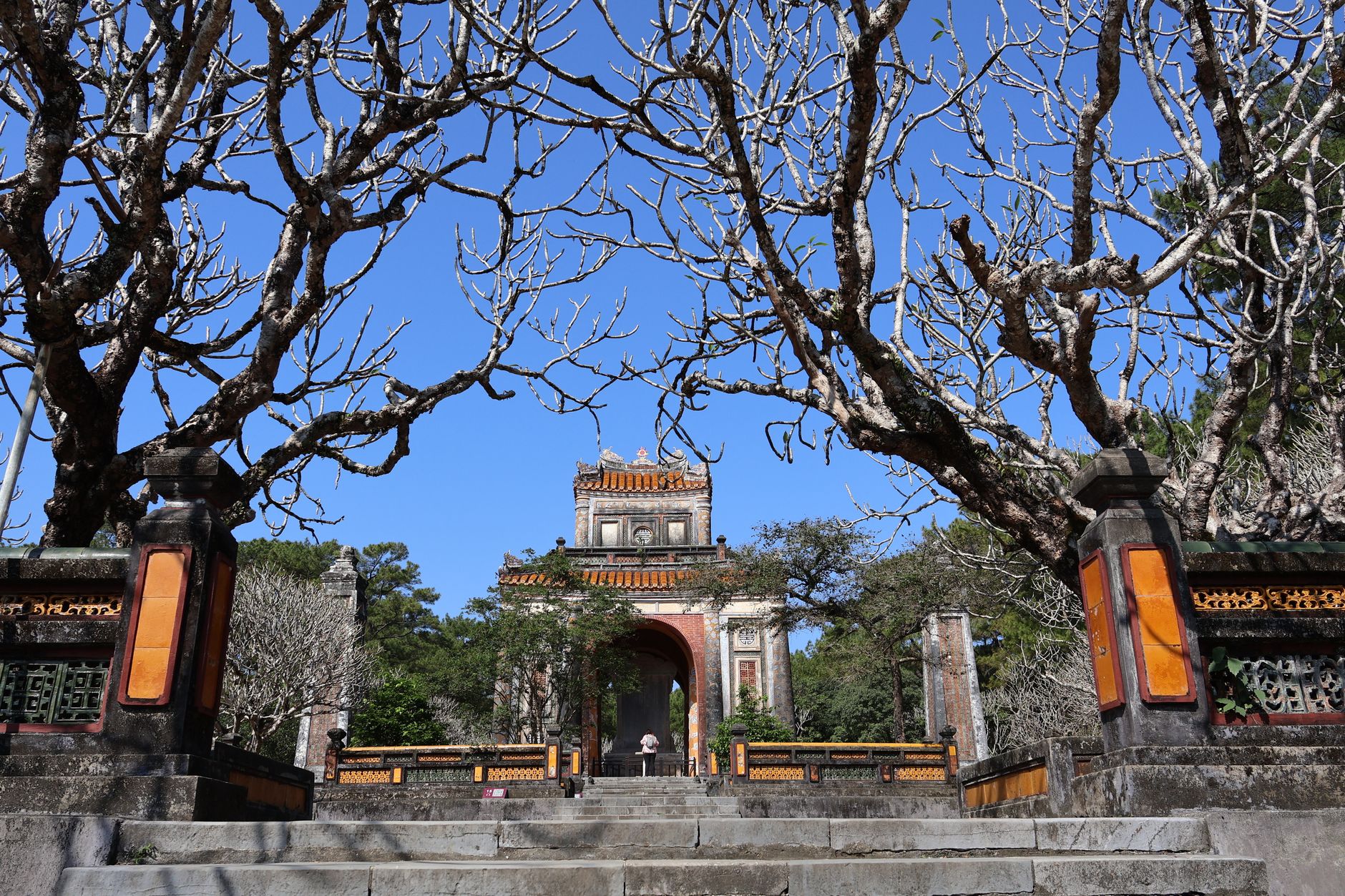
Photo by Ba Uoc Phung on Pexels
Weather Warnings Worth Taking Seriously
The mountain generates its own weather and it changes fast. A clear base station does not guarantee a clear summit. In November specifically, cloud cover at 1,500 metres can close in within 20 minutes, reducing visibility on the Golden Bridge to a few metres. This is not dangerous but it is disorienting, and if you have come specifically for the view, you may end up seeing nothing but white.
Check the Da Nang weather forecast but treat the summit as a separate question. The Ba Na Hills official app and some local Facebook travel groups post summit webcam snapshots. Arriving early also helps here — mornings in November tend to clear by 08:00–09:00 before cloud builds again after midday.
February brings occasional drizzle and temperatures that feel colder than the numbers suggest because of wind exposure on the bridge walkway. 12°C with wind at altitude is not 12°C on the Da Nang beachfront. A light windproof jacket is worth the bag space.
Rain gear matters in both months. The covered sections of the French Village provide shelter but the Golden Bridge itself is fully exposed.

Photo by Kirandeep Singh Walia on Pexels
Practical Notes on Getting There from Da Nang
Ba Na Hills is approximately 25 km from Da Nang city centre, heading west into the Truong Son foothills. A grab car from the city runs around 180,000–220,000 VND one way depending on traffic and surge. Some travellers coming from Hoi An (roughly 50 km) arrange a return car for the day, which tends to cost 600,000–800,000 VND total depending on wait time negotiated with the driver.
Entrance tickets — which include the cable car — were priced at 750,000 VND for adults and 600,000 VND for children as of early 2025, though Sun World adjusts pricing periodically. Buy online in advance; the online queue moves faster than the walk-up counter on busy days.
Food at the summit is overpriced resort food. It is edible but unremarkable. Have a proper breakfast in Da Nang before you leave — a bowl of "mi quang" near Han Market costs around 35,000–40,000 VND and will carry you further than anything at the summit cafe.
Practical Notes
Off-season weekdays in November and mid-to-late February are the only realistic times the Golden Bridge feels worth the trip without significant queue frustration. Arrive before 08:00, descend before 14:30 or after 17:00, and pack for summit temperatures that run 8–12°C cooler than Da Nang city. Everything else at Ba Na Hills — the French Village, the gardens, the fantasy castle — is secondary to getting that timing right.
Last updated · May 29, 2026 · independently researched, never sponsored.