Most people come to Vietnam (베트남 / 越南 / ベトナム) and try to do everything. Ten cities, fifteen dishes, seventeen bus journeys. This itinerary is the opposite — four destinations, deliberately chosen for their ability to slow you down, each offering something different in the way of rest, movement, and quiet.
Day 1–3 — Phu Quoc: Salt Air and Stillness
Fly into Phu Quoc directly from Hanoi or Saigon. You're here to decompress, so resist the urge to immediately rent a scooter and chase waterfalls. Check into one of the spa resorts on the western coast — the stretch between Duong Dong town and Ong Lang beach has the best sunset orientation and the most established wellness properties, with treatments that lean on Vietnamese traditional massage and herbal steam rather than generic hotel-spa menus.
Spend your mornings on the beach before the sun gets punishing — roughly 6am to 9am. After that, retreat indoors. Most resort spas offer Vietnamese herbal compress massage (look for the term "da lieu" treatment lists, or just ask for traditional massage with lemongrass and ginger compresses). Expect to pay 350,000–600,000 VND for a 60-minute session at a reputable in-house spa; street-side places in Duong Dong run cheaper but quality varies sharply.
On Day 2, take a half-day to walk through Duong Dong market in the morning — it's genuine, loud, and completely untouched by the resort bubble. Try "banh canh" at one of the sidewalk stalls near the market entrance, a thick-noodle soup that's comfort food in the best sense. Afternoons: hammock, book, nothing scheduled.
By Day 3 you should feel the pace shift in your body. That's the point.
Day 4–5 — Da Lat: Cold Air and Forest Walks
Fly to Da Lat via Saigon (you'll likely connect). The temperature drop from Phu Quoc (푸꾸옥 / 富国岛 / フーコック) to Da Lat — often 10°C or more — is itself a form of therapy. At 1,500 meters, the air is pine-scented and genuinely cool, sometimes cold at night in the dry season.
Da Lat's wellness appeal is less spa-formal and more elemental: walking, cycling, eating well. The valleys around the city are covered in vegetable farms and flower fields — this is where Saigon gets most of its produce. The Langbiang plateau, about 12km north of the city center, has hiking trails that take you above the cloud line on clear mornings.
For food, Da Lat is exceptionally good. "Banh mi" here comes stuffed with local charcuterie and house-made pate at a different standard than the coastal cities. The night market on Nguyen Thi Minh Khai Street is worth one evening visit — not for the tourist trinkets, but for the grilled corn, hot soy milk, and "banh uot" (fresh rice sheets with spring onion oil) sold from the same stalls that have been there for decades. A bowl of anything warm here costs 20,000–40,000 VND.
Book one yoga or meditation class if that's your thing — several small studios operate near the central lake area, typically charging 150,000–200,000 VND per drop-in session.

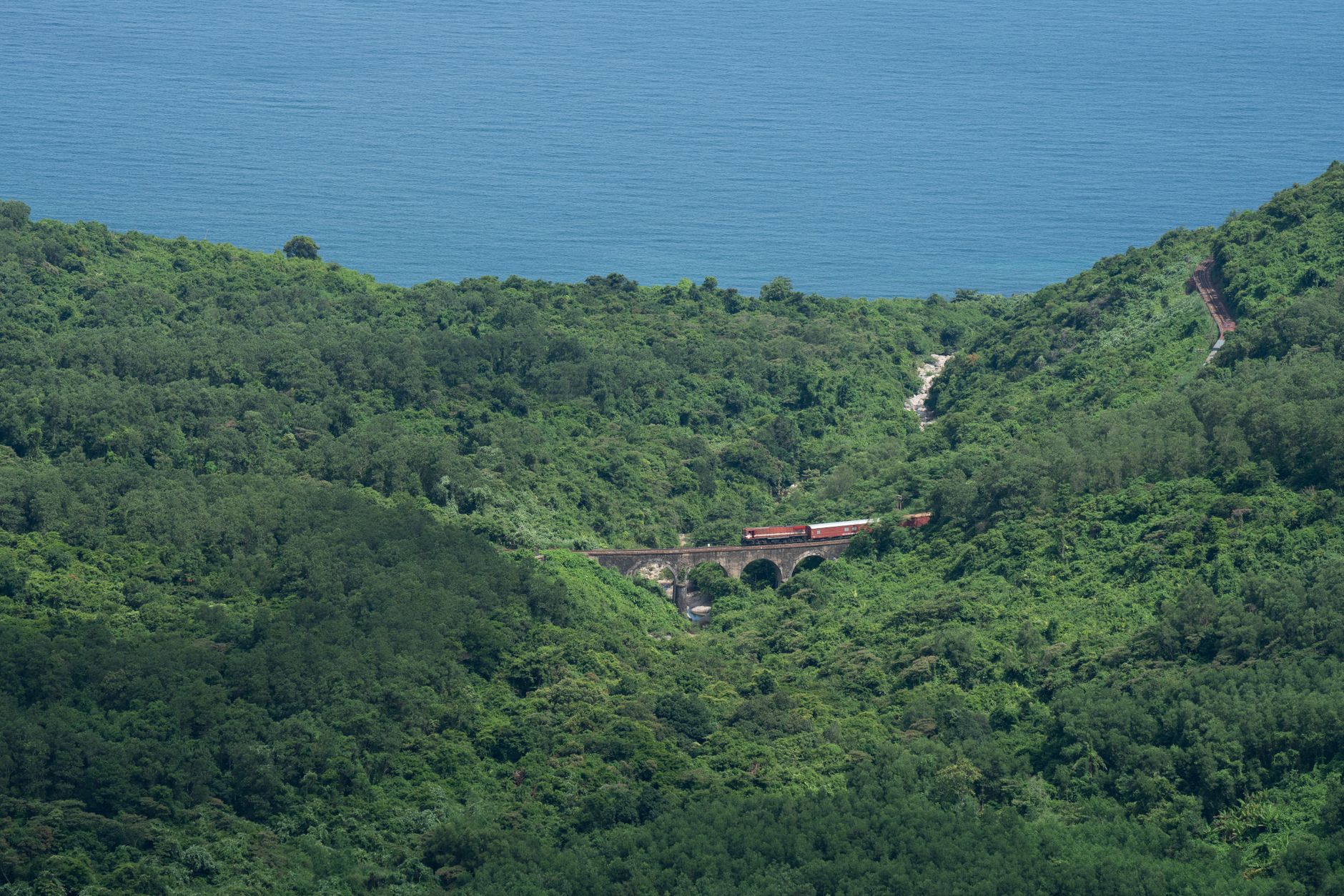
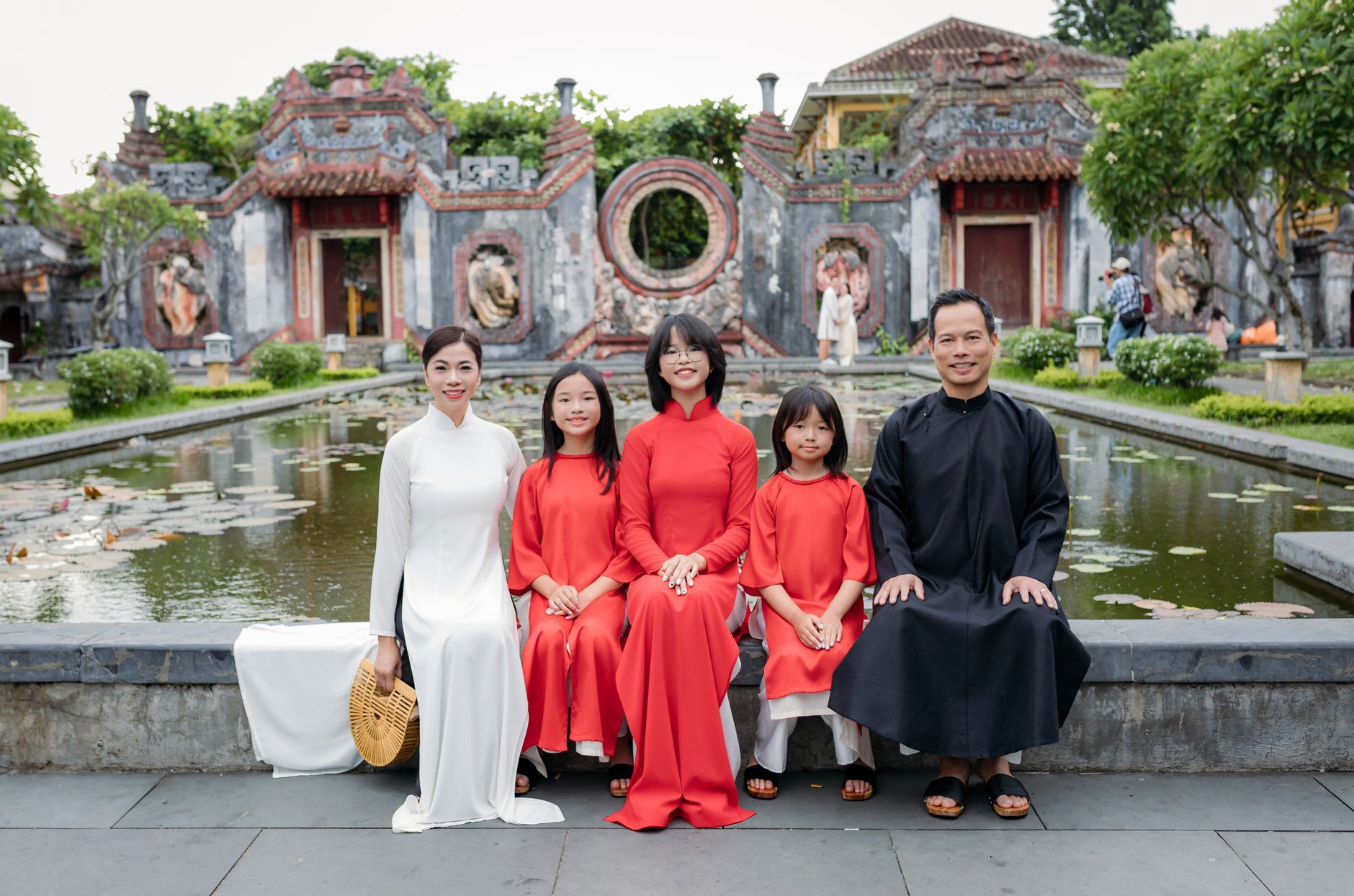
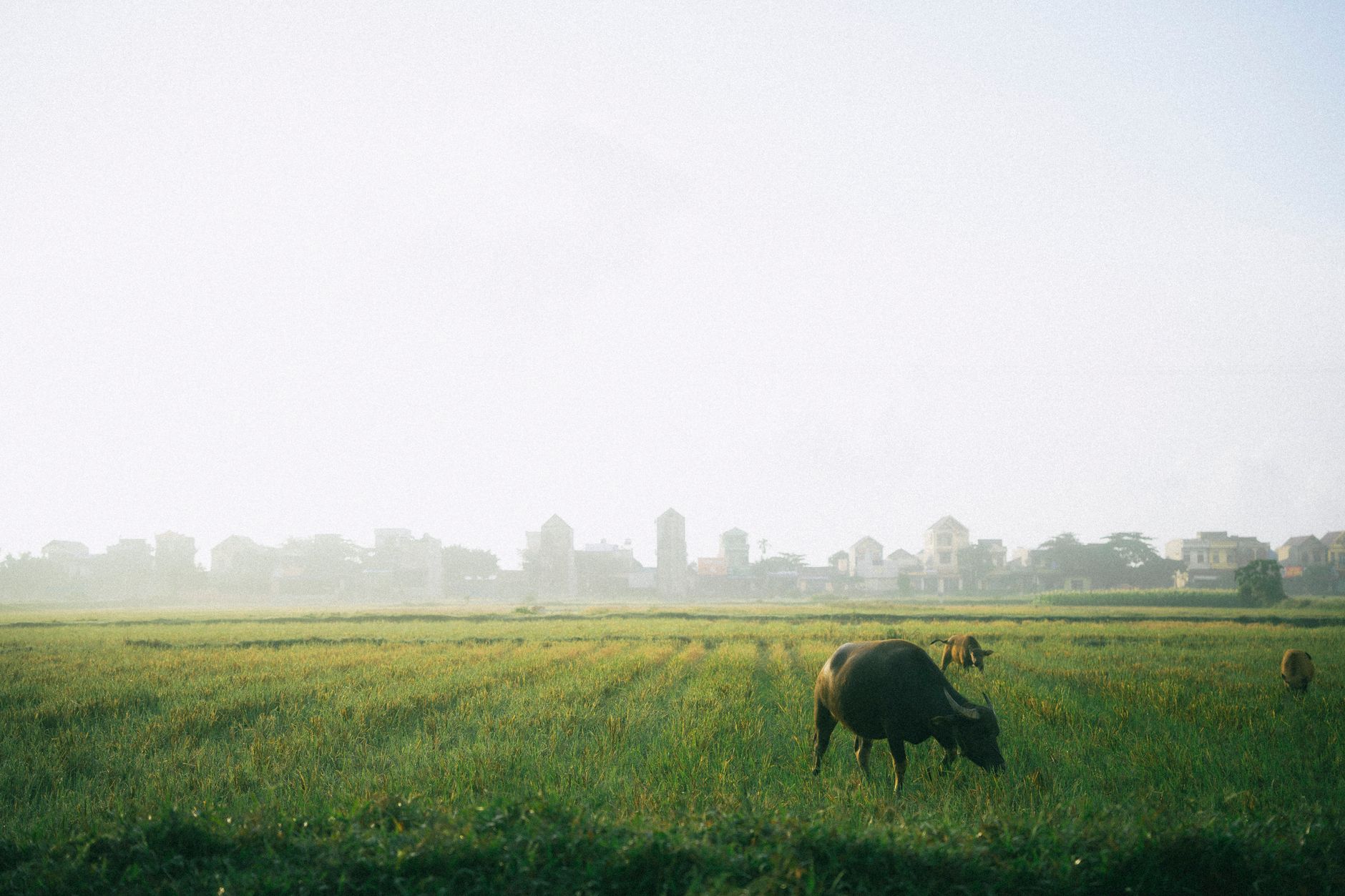
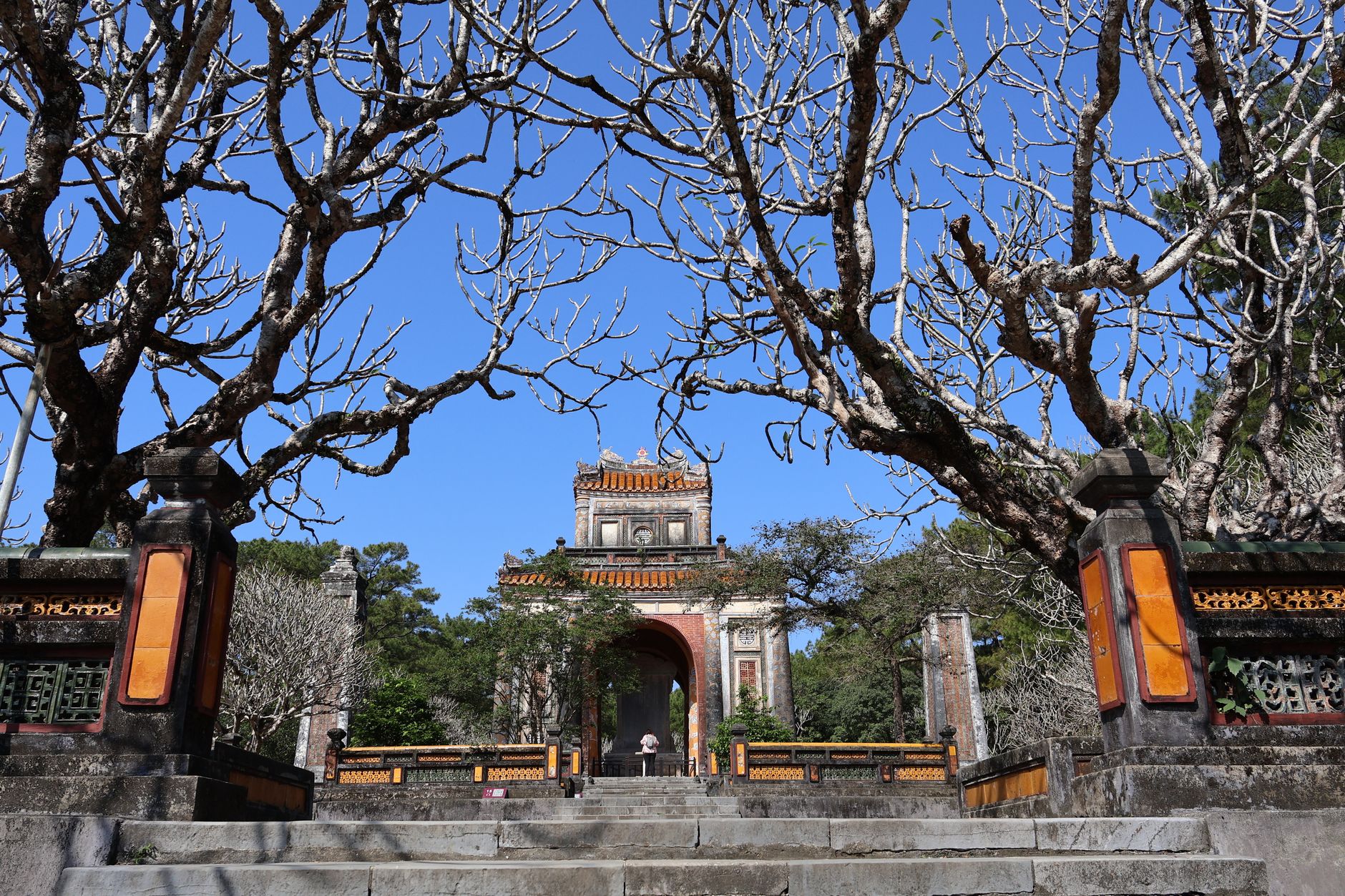
Photo by Quang Nguyen Vinh on Pexels
Day 6–7 — Hoi An: Movement and Mindfulness
Train or fly up to Da Nang, then take a taxi 30km south to Hoi An. The Ancient Town is UNESCO-listed and genuinely beautiful, but the wellness community here has grown up slightly outside the old quarter — in the An Bang and Cua Dai beach areas, and in the quieter lanes off Cam Pho street.
Hoi An has a real, established yoga scene — not just resort classes but independent studios running daily Hatha, Yin, and breathwork sessions. Drop-in rates run 180,000–250,000 VND. Several studios also offer half-day retreats combining movement, cooking, and short meditations.
On the food side, this is a good place to eat slowly and learn something. Take a half-day cooking class (many start with a bicycle ride to the market) and come back knowing how to make "cao lau" — the Hoi An-specific pork and noodle dish that you genuinely cannot replicate outside the region because the water used to make the noodles is drawn from specific local wells. Eat "mi quang" at a street-side spot for breakfast — 35,000–50,000 VND a bowl.
Spend one afternoon just sitting at a table along the Thu Bon River with an iced Vietnamese coffee and no plan. That qualifies as wellness too.

Photo by Quang Nguyen Vinh on Pexels
Day 8–10 — Hanoi: Pagodas, Parks, and a Slower Exit
Fly north to Hanoi for the final stretch. This might seem counterintuitive — Hanoi is dense and loud — but it has a contemplative side that rewards patience.
Start at Tran Quoc Pagoda on the western shore of West Lake. Go early, before 8am, when it's mostly elderly locals doing their morning ritual visits rather than tour groups. The grounds are calm, the lake light is soft, and the architecture, dating back to the sixth century, earns your attention without demanding it.
The Temple of Literature is worth a slow hour — not rushing between gates, but sitting in one of the courtyards and reading.
For movement, West Lake has a 17km perimeter path that's popular with joggers and cyclists from 5am onward. Rent a bicycle from one of the shops near Truc Bach Lake — around 50,000–80,000 VND per day — and do a lap before breakfast.
Eat well on your final days. "Bun thang" — a delicate Hanoi rice-noodle soup with shredded chicken, egg crepe, and dried shrimp — is the kind of dish that requires sitting still to appreciate. "Egg coffee" at one of the old-school cafes in the Old Quarter (Giang Ca Phe on Nguyen Huu Huan is the original) gives you something to think about beyond the caffeine. Sit upstairs. Stay longer than you planned.
Finish your last evening with a walk along Hoan Kiem Lake after dark, when the crowds thin and the lake reflects the Huc Bridge in red and gold. No agenda. Just a good ending.
Practical Notes
This route works best November through March, when Phu Quoc is dry, Da Lat is cool without being rainy, and Hanoi is crisp rather than humid. Internal flights can be booked through VietJet or Bamboo Airways — budget 800,000–2,000,000 VND per leg depending on timing. Build in buffer days if you can; the whole point of this itinerary collapses if you're rushing to catch the next connection.
Last updated · May 29, 2026 · independently researched, never sponsored.