Bac Lieu: Mekong Delta History, Music, and the Teochew Connection
Once a distinct province in the Mekong Delta, Bac Lieu merged with Ca Mau in 2025—but its legacy lives on. From the birthplace of a haunting music form to the Teochew communities that shaped the region, here's what makes this former province worth understanding.

Bac Lieu: Mekong Delta History, Music, and the Teochew Connection
Bac Lieu used to be its own province. On June 12, 2025, it formally merged with Ca Mau, ending 29 years as a distinct administrative unit. But if you're traveling the Mekong Delta (메콩 델타 / 湄公河三角洲 / メコンデルタ) or curious about southern Vietnamese culture, the story of Bac Lieu still matters—it's embedded in the region's food, music, and identity.
Where It Sat, and Why It Mattered
Bac Lieu occupied a narrow coastal strip about 100 kilometers south of Can Tho, the Mekong Delta's largest city. Flat, fertile land and a long coastline meant two economies: rice farming inland and fishing offshore. The province's waterways—rivers, canals, the delta's vein system—tied everything together. If you've eaten Mekong Delta rice or fish, it likely passed through Bac Lieu at some point.
The mixing of cultures here was distinctive. Teochew Chinese communities (migrants from Guangdong, originally) settled and stayed, bringing their own foodways, temples, and festivals. You'll still find that blend today in Ca Mau.
"Vong Co": A Song Born in Bac Lieu
Bac Lieu's biggest cultural export is "vong co"—a song form that emerged around 1918 or 1919 and became central to southern Vietnamese traditional music. "Vong co" literally means "looking back," and the style is melancholic, lyrical, and often performed within "cai luong" (reformed opera). If you hear it live—in a heritage performance or a temple celebration in the delta—you're hearing a tradition born in Bac Lieu.
The form is distinctive to the south; Northerners don't sing it. Traveling musicians and recordings spread it throughout southern Vietnam (베트남 / 越南 / ベトナム), but Bac Lieu was the birthplace. That's worth remembering if you encounter it on a delta tour.
Prince Bac Lieu: The Legendary Playboy
Bac Lieu's folklore is tied to one outsized personality: Tran Trinh Huy, known as "Prince Bac Lieu" or "Cong Tu Bac Lieu" (literally "young master of Bac Lieu"), also called the Black Prince. In the 1930s and 1940s, he was famous for extravagant wealth and lifestyle—not just in Bac Lieu, but in Saigon and across southern Vietnam.
His reputation is part delta legend, part cautionary tale of old-money excess. Vietnamese folklore and film have kept his memory alive; he represents a specific historical moment and social class that's gone. If you visit Bac Lieu City, local guides may reference him—it's a window into pre-1975 social history.
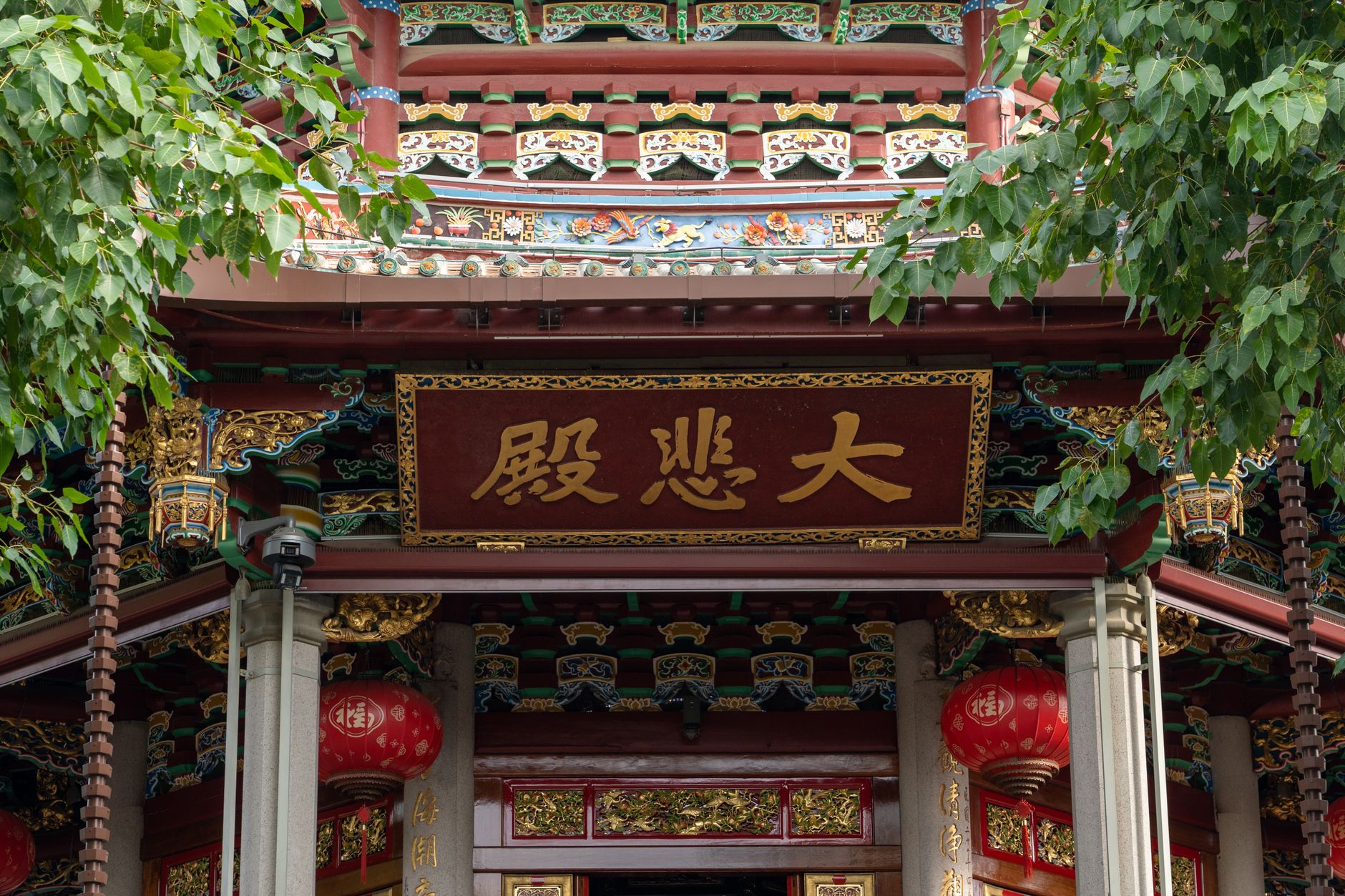
Photo by Peter Xie on Pexels
The Administrative Timeline
Bac Lieu's borders shifted several times:
- 1899–1900: Established as an administrative unit.
- 1956: Dissolved into Ba Xuyen Province.
- 1964: Re-established as independent Bac Lieu Province.
- 1975: Merged with Ca Mau to form Minh Hai province.
- 1996: Split back into Bac Lieu and Ca Mau provinces.
- 2025: Merged with Ca Mau again as part of a nationwide administrative consolidation.
For travelers, the takeaway is simple: Bac Lieu is now part of Ca Mau province on maps and official documents. But its history and cultural identity remain distinct.
What You Can Still Visit
Bac Lieu City, the former provincial capital, still exists. It's a quiet delta town—less touristy than Soc Trang or Can Tho (껀터 / 芹苴 / カントー). You can visit Teochew temples, walk the waterfront, eat fresh fish and shrimp, and soak in slow-paced Mekong Delta life. The surrounding districts (Dong Hai, Hoa Binh, Hong Dan, Phuoc Long, Vinh Loi) are agricultural and fishing communities; think rice paddies, fish ponds, and boat docks rather than tourist facilities.
If you're doing a deep delta itinerary—beyond the standard Can Tho–Ben Tre–My Tho circuit—Bac Lieu offers authentic, less-crowded immersion. It's where delta people actually work and live, not where tour groups converge.
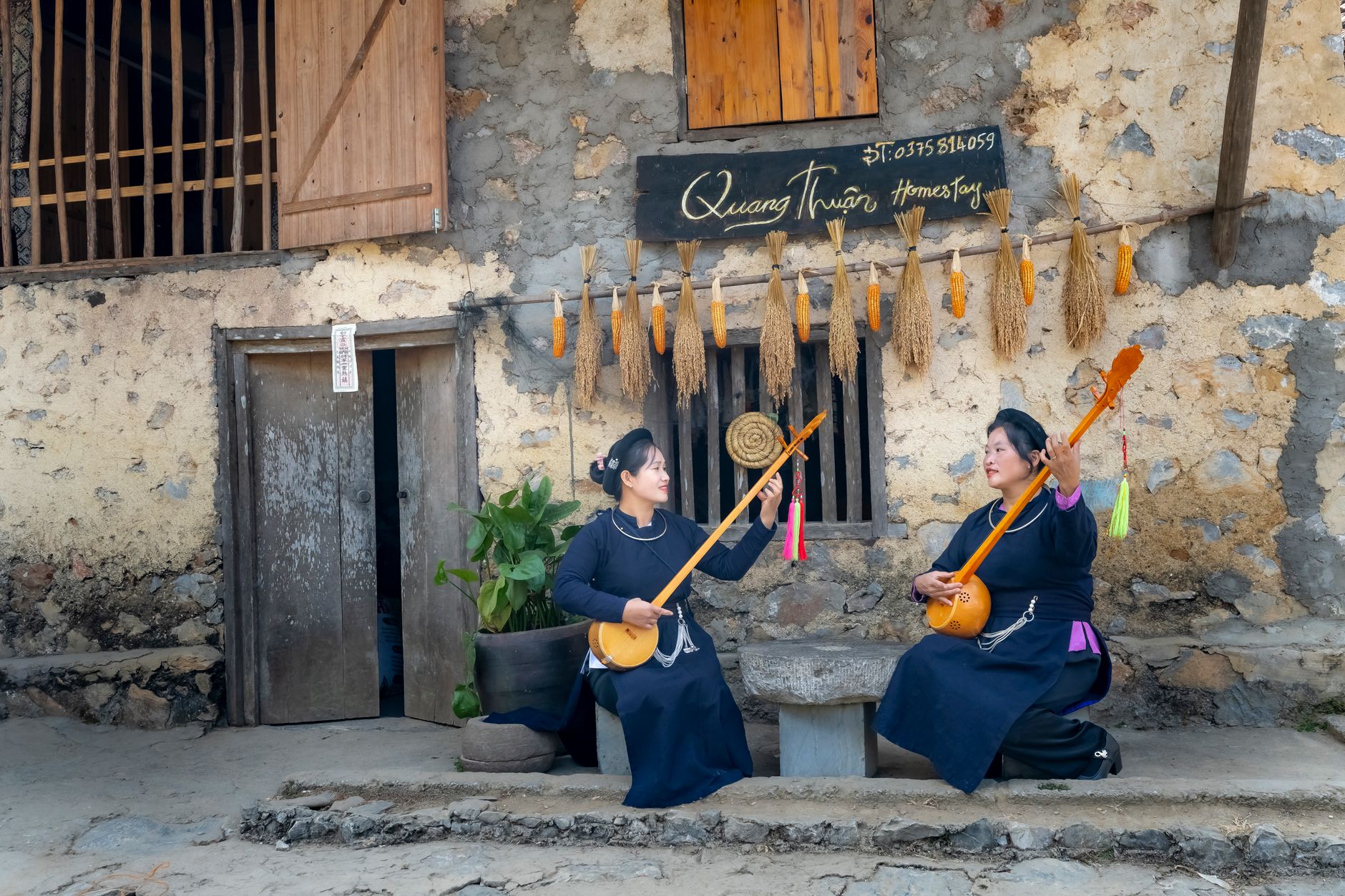
Photo by Quang Nguyen Vinh on Pexels
The Teochew Influence
The Teochew Chinese presence gave Bac Lieu a flavor distinct from other delta provinces. You'll see it in:
- Food: Teochew-style steamed fish, char siu (pork), and dim sum–influenced dishes.
- Temples: Ornate Chinese-Vietnamese fusion temples dedicated to Teochew deities and ancestors.
- Language and names: Teochew spoken alongside Vietnamese; Chinese surnames in local records.
- Festivals: Teochew New Year celebrations and other traditional observances.
This cultural layer enriches the Mekong Delta's identity. It's not unique to Bac Lieu—other delta provinces have Chinese minorities—but Bac Lieu's Teochew community was particularly prominent and historical.
Why It Matters Now
Administrative borders shift; that's normal governance. But Bac Lieu's story—its music, its legendary figures, its Teochew heritage, its place in delta agriculture—doesn't disappear. When you eat or travel in southern Vietnam, you're still encountering Bac Lieu's legacy, even if the province name is no longer on the map.
For travelers interested in authentic Mekong Delta culture, history, and food, understanding Bac Lieu gives you deeper context. You'll appreciate the region more, ask better questions, and make richer connections with the people and places you encounter.
Going to Vietnam? Eat and travel smarter.
Monthly: new dishes, off-the-beaten-path destinations, and itineraries — straight to your inbox. No spam. Unsubscribe anytime.
Join 0 expats. (We just launched.)
More from Southern Vietnam
Other articles covering the same region.

Landmark 81 Saigon: Observation Deck, Ice Rink, and Getting There from District 1
Landmark 81 is Vietnam's tallest building and Saigon's most visible skyline anchor. Here's what's actually inside and whether it's worth the trip.

Bitexco Financial Tower: Skydeck, Helipad Bar, and Whether the Ticket Is Worth It
Saigon's most recognizable skyscraper charges 250,000 VND to ride up to the 49th floor — here's what you actually see, and whether you should bother.

Notre Dame Cathedral Saigon: French Colonial Centerpiece in the Heart of HCMC
Saigon's Notre Dame Cathedral has been wrapped in scaffolding for years, but the square in front of it remains one of the best starting points for a colonial-era walking tour of District 1.
More in Destinations
More articles from the same category.

Paradise Cave, Quang Binh: The 31km Marble Cave That Beats Phong Nha for Photographers
Paradise Cave runs 31km through Quang Binh's karst and delivers the kind of cathedral-scale formations that Phong Nha's boat tour simply can't match. Here's how to see it properly.

Son Doong Cave: What the $3,000 Oxalis Expedition Actually Includes
Son Doong is the world's largest cave and only one operator is legally allowed to take you inside. Here is what the permit-only expedition covers and whether it is worth it.

Phong Nha Cave: Wet Cave, Dry Cave, and How to Choose
Phong Nha has two main caves worth your time — one you reach by river boat, one on foot. Here's how to pick, what each costs, and when to go.

Hoi An Lantern Festival: Full Moon Nights and How to Plan Around Them
Once a month, Hoi An cuts the electricity and lights the Ancient Town with silk lanterns. Here's what actually happens and how to not spend the evening stuck in a crowd.

Japanese Bridge Hoi An: 400 Years of History, a Restoration Row, and How to See It Right
Hoi An's Japanese Bridge has anchored the Ancient Town for four centuries. Here's what to know about its origins, the restoration that divided locals, and when to visit.

Hoi An Old Town Walking Guide: Yellow Walls, Lantern Alleys, and the Japanese Bridge
A street-level route through Hoi An's UNESCO core — old merchant houses, assembly halls, the famous Japanese Bridge, and when to walk each stretch for the best light.
Comments
Loading…