Ben Tre Province: Coconuts, Rivers, and Mekong Delta Life
Ben Tre, a province in the Mekong Delta, is defined by its coconut groves, intricate river system, and the legendary Coconut Religion. Now merged into Vinh Long, its geography and cultural legacy remain distinct.

A Province Apart
Ben Tre was something unusual in Vietnam's Mekong Delta (메콩 델타 / 湄公河三角洲 / メコンデルタ): a province almost entirely surrounded by water. Squeezed between two main branches of the Tien Giang River—a major tributary of the Mekong—the province was actually composed of two river islands with no highway connection to the outside world until 2009. The only land border was a narrow strip touching Vinh Long Province at its western tip.
On June 12, 2025, Ben Tre was officially merged into Vinh Long as part of a national administrative consolidation. But for travelers and food explorers, Ben Tre's identity remains rooted in its geography, crops, and culture.
The Landscape: Floods, Fields, and Coconuts
Ben Tre's entire territory was crisscrossed by rivers, canals, and irrigation ditches—a maze of waterways that made it ideal for rice production but also made it vulnerable to flooding. The province's average elevation was just 1.25 meters (about 4 feet) above sea level, making it one of the lowest points in the Mekong region.
Climate researchers at Can Tho University estimated that a one-meter rise in sea levels could inundate 51% of Ben Tre's land. That vulnerability is why you see so much coastal adaptation here: houses on stilts, floating gardens, and a culture built around water management.
But Ben Tre's fame wasn't for rice—it was for coconuts. Endless groves of coconut palms covered the province, and over time they became as much a part of the region's identity as the water itself.
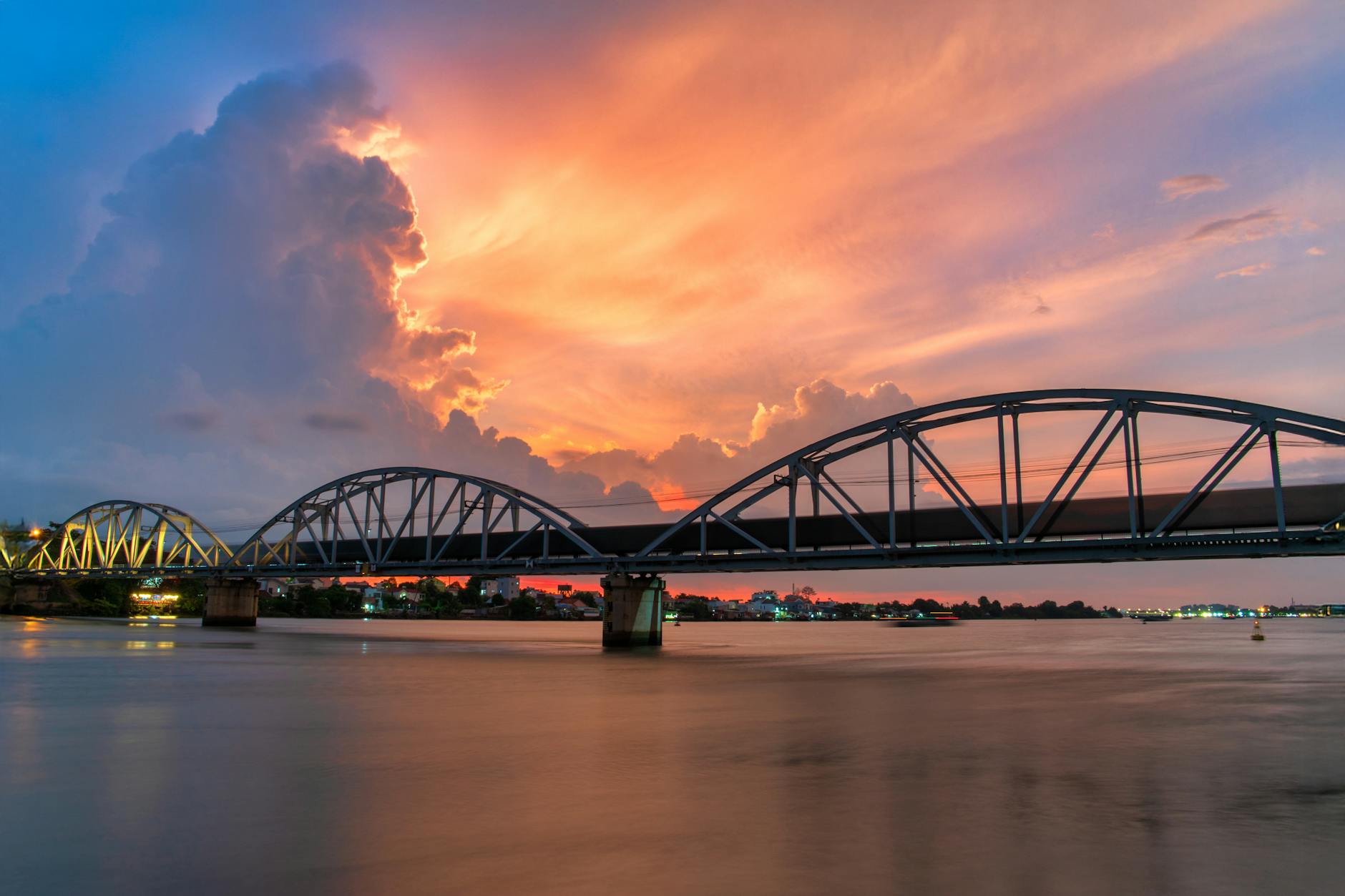
Photo by Đan Thy Nguyễn Mai on Pexels
A Bridge Changes Everything
For decades, the only way to reach Ben Tre by car was by ferry across the Tien Giang. That isolation ended on January 19, 2009, when the Rach Mieu Bridge opened, connecting Ben Tre directly to Tien Giang Province to the north. The bridge became one of southern Vietnam (베트남 / 越南 / ベトナム)'s major transport arteries, finally linking the island-province to the mainland road network.
Before the bridge, Ben Tre was genuinely cut off—a place where water was the primary highway. Boats and ferries still matter today, but the bridge gave the province a new relationship with the wider region.
The Coconut Religion
Ben Tre's most distinctive cultural artifact is the "Coconut Religion," or Dao Dua—a syncretic spiritual movement founded by Nguyen Thanh Nam in the mid-20th century. Followers of the religion consumed only coconuts and coconut products, treating the coconut as sacred.
The religion's spiritual center was Con Phuong (Phoenix Islet), where remnants of structures and a memorial stone dedicated to Truong Vinh Ky can still be seen. Though the movement was suppressed by authorities, it left a permanent mark on Ben Tre's cultural identity—a blend of agriculture, spirituality, and local history.
Visiting Con Phuong today offers a glimpse into this unusual chapter of Vietnam's religious landscape, as well as views across the river system that defined the province.
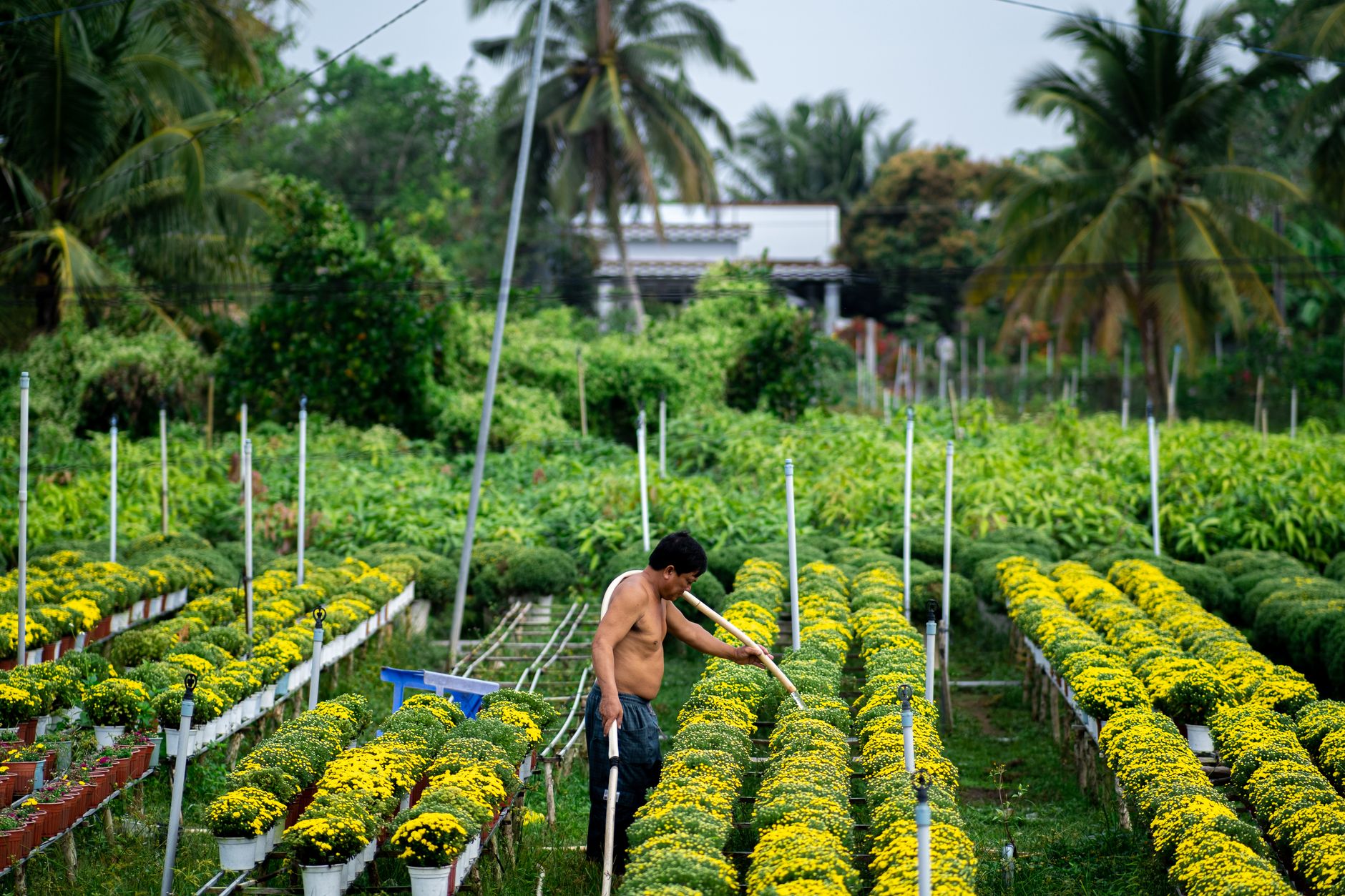
Photo by Đạt Đào on Pexels
A Name and Its Origins
The name "Ben Tre" translates roughly to "bamboo port," though the irony is obvious given the province's worldwide reputation for coconuts, not bamboo. Scholars believe the area was originally inhabited by Khmer people and may have had a different name before Vietnamese settlement waves brought their own language and place names.
The name itself is a reminder that Vietnam's Mekong Delta was a frontier of migration and cultural blending—Khmer, Vietnamese, Chinese, Cham, and other communities all left their mark on the region's identity.
Visiting Ben Tre Today
While Ben Tre province officially no longer exists as an administrative unit, its geography and culture are unchanged. Travelers still navigate by water here; coconut products—from husks to milk to candy—remain the economic lifeblood; and the low, river-cut landscape shapes everything from food to architecture to daily life.
The Rach Mieu Bridge has opened Ben Tre to day trips and longer stays, but the province's identity as a water-based, agricultural, tightly-knit region persists. It remains one of the most distinctive corners of the Mekong Delta.
Going to Vietnam? Eat and travel smarter.
Monthly: new dishes, off-the-beaten-path destinations, and itineraries — straight to your inbox. No spam. Unsubscribe anytime.
Join 0 expats. (We just launched.)
More from ben-tre
Other articles covering this city.

Seven Days in Saigon, Cu Chi, and the Mekong Delta
A week covering Saigon's museums and markets, the Cu Chi Tunnels, Ben Tre's coconut plantations, and the floating markets of Can Tho—enough to taste both the city and the rural delta.

3 Days by Motorbike from Saigon: Tay Ninh, Ben Tre, Vung Tau Loop
A 3-day motorbike loop from Ho Chi Minh City covering the Cao Dai temple, coconut-farm backroads, and a beach reset in Vung Tau. Doable on a rental 110cc bike with basic route planning.

7 Days in the Mekong Delta: Floating Markets, Homestays & Eco-Tours
A week-long loop through the Mekong's quietest towns: My Tho, Ben Tre, Vinh Long, Can Tho, and Chau Doc. Sleep in family homestays, catch dawn at Cai Rang market, and paddle through orchards and rice paddies.
More from Southern Vietnam
Other articles covering the same region.

Landmark 81 Saigon: Observation Deck, Ice Rink, and Getting There from District 1
Landmark 81 is Vietnam's tallest building and Saigon's most visible skyline anchor. Here's what's actually inside and whether it's worth the trip.

Bitexco Financial Tower: Skydeck, Helipad Bar, and Whether the Ticket Is Worth It
Saigon's most recognizable skyscraper charges 250,000 VND to ride up to the 49th floor — here's what you actually see, and whether you should bother.

Notre Dame Cathedral Saigon: French Colonial Centerpiece in the Heart of HCMC
Saigon's Notre Dame Cathedral has been wrapped in scaffolding for years, but the square in front of it remains one of the best starting points for a colonial-era walking tour of District 1.
More in Destinations
More articles from the same category.

Paradise Cave, Quang Binh: The 31km Marble Cave That Beats Phong Nha for Photographers
Paradise Cave runs 31km through Quang Binh's karst and delivers the kind of cathedral-scale formations that Phong Nha's boat tour simply can't match. Here's how to see it properly.

Son Doong Cave: What the $3,000 Oxalis Expedition Actually Includes
Son Doong is the world's largest cave and only one operator is legally allowed to take you inside. Here is what the permit-only expedition covers and whether it is worth it.

Phong Nha Cave: Wet Cave, Dry Cave, and How to Choose
Phong Nha has two main caves worth your time — one you reach by river boat, one on foot. Here's how to pick, what each costs, and when to go.

Hoi An Lantern Festival: Full Moon Nights and How to Plan Around Them
Once a month, Hoi An cuts the electricity and lights the Ancient Town with silk lanterns. Here's what actually happens and how to not spend the evening stuck in a crowd.

Japanese Bridge Hoi An: 400 Years of History, a Restoration Row, and How to See It Right
Hoi An's Japanese Bridge has anchored the Ancient Town for four centuries. Here's what to know about its origins, the restoration that divided locals, and when to visit.

Hoi An Old Town Walking Guide: Yellow Walls, Lantern Alleys, and the Japanese Bridge
A street-level route through Hoi An's UNESCO core — old merchant houses, assembly halls, the famous Japanese Bridge, and when to walk each stretch for the best light.
Comments
Loading…