Bia Hoi vs Craft Beer in Vietnam: A Beer Scene Guide
Vietnam's beer culture splits between cheap, fresh "bia hoi" draft beer and a growing craft scene. Here's where to drink each, and how the two cities differ.

Two Beer Worlds in One Country
Vietnam (베트남 / 越南 / ベトナム)'s beer landscape doesn't fit a single story. Walk into a streetside "bia hoi" stand in the Old Quarter at dusk and you'll see Hanoi's working-class tradition: plastic stools, 8,000–12,000 VND pints of fresh draft that turn over daily. Step into a craft brewery in District 1, Saigon, and you're in a different Vietnam — temperature-controlled taps, 60,000–90,000 VND per glass, IPA and sour ale. Both are real, both matter, and they tell you something about how the two cities drink.
Bia Hoi: The Daily Beer
"Bia hoi (비아호이 / 鲜啤 / ビアホイ)" (literally "fresh beer") is not a brand. It's a category — unpasteurized draft beer brewed locally, delivered to streetside stands daily, and meant to be drunk within hours. The alcohol is light (around 3–4%), the price is pocket change, and the ritual is social.
In Hanoi (하노이 / 河内 / ハノイ), "bia hoi" corners are where the city actually congregates. Ta Hien Street in the Old Quarter is the tourist version: crowded, loud, foreigner-heavy, but functional — you'll pay 10,000–12,000 VND for a tall glass and sit elbow-to-elbow with backpackers and locals mixing freely. If you want the real thing, slip into any side street off Hang Dao or Ly Thuong Kiet in the early evening. Locals appear around 5 PM, order a round, settle in for 30–45 minutes, then leave. The beer is cold, the snacks are grilled squid or peanuts, and no one is there to perform Vietnamness for a camera.
In Saigon (사이공 / 西贡 / サイゴン), "bia hoi" survives but feels more marginal. You'll find it in District 4 and District 5, where older Saigonese still drink standing at corner stands. Prices are slightly higher (12,000–15,000 VND), and the crowd is thinner — the city's sprawl and traffic make the streetside "bia hoi" stand less of a natural gathering point than in compact Hanoi.
What makes "bia hoi" work is the freshness and the price point. Breweries like Hanoi Brewery and Saigon Brewery produce it constantly; it arrives at stands warm and leaves warm. No fridge survives the turnover. This is not an aspirational drink — it's a functional one, and that's exactly why it works.
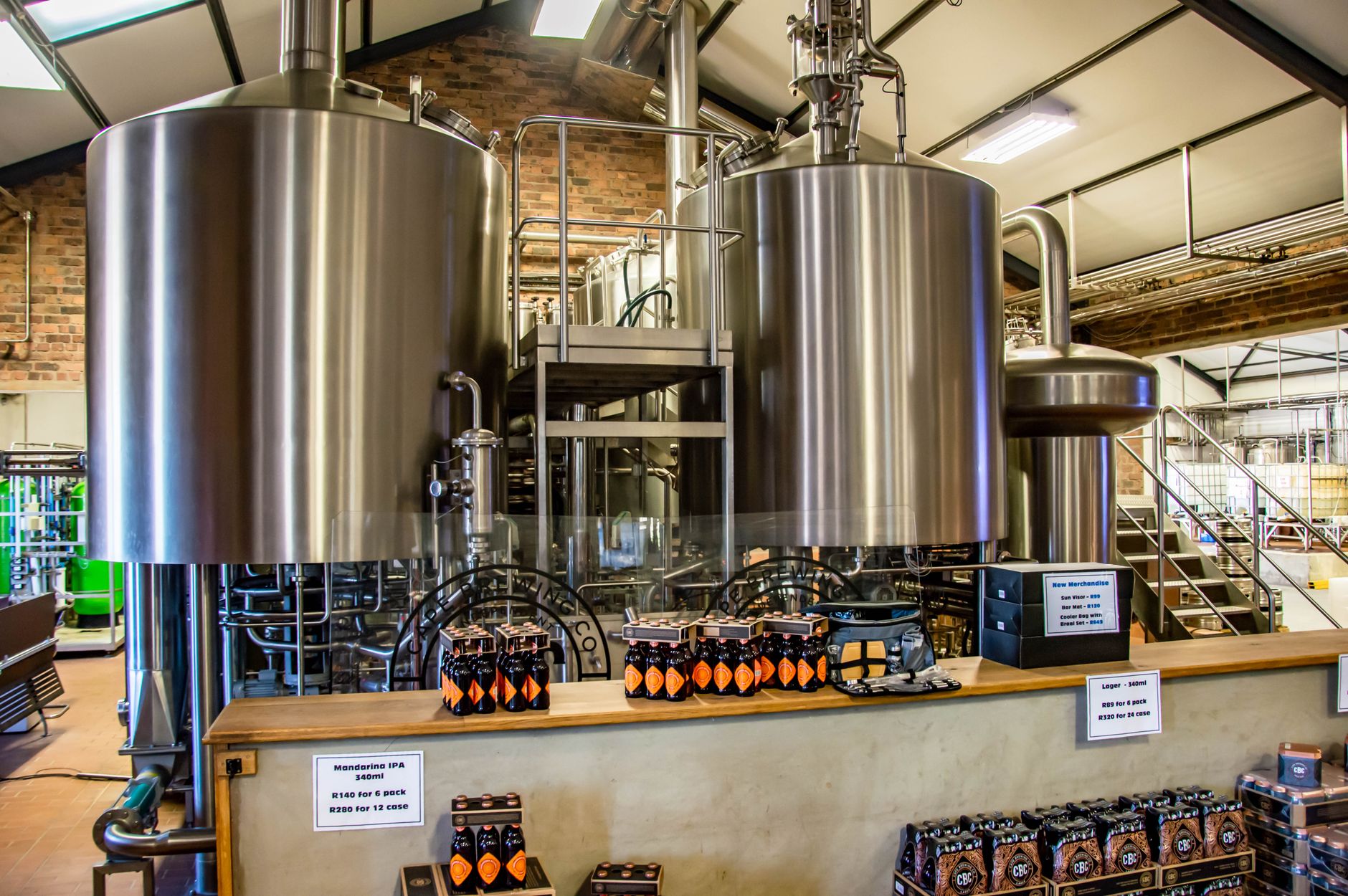
Photo by Adriette Benade on Pexels
Craft Beer: The New Wave
Vietnam's craft beer scene is maybe 10 years old, and it's concentrated in Hanoi and Saigon (with satellite locations in Da Nang and Hoi An). It emerged partly from expat demand and partly from a younger Vietnamese generation with disposable income and interest in hobbies beyond survival. The beers are imported or brewed locally, priced for margins, and drunk more slowly and more deliberately than "bia hoi."
Hanoi's craft scene clusters around the French Quarter and Tay Ho. Pasteur Street Brewing has two locations (one near Tran Tien Street, one in the Northside) and was among the first to land. The beers rotate — pale ales, amber lagers, stouts — and the vibe is casual-but-intentional: long communal tables, live music some nights, 60,000–75,000 VND per 330ml bottle. Heart of Darkness, also in the French Quarter area, is darker and moodier, with a focus on darker styles and a smaller footprint. Both draw a mix of expat regulars and Vietnamese beer-curious drinkers.
Saigon's craft scene is denser. Pasteur Street has a flagship in District 1, just off Pasteur Street itself (hence the name). East West Brewing, also in District 1, sits on Nguyen Hue Walking Street and leans harder into the "brewery-as-destination" model: rooftop seating, food menu, and a stronger footprint with Saigonese day-drinkers. 7 Bridges Brewery is slightly further north, in Binh Thanh, and operates more like a neighborhood bar with serious beer chops. Prices track the Hanoi scene (55,000–80,000 VND per serving), but competition keeps things fresh — new breweries open every year, and the range of styles is wider than it was five years ago.
Both cities have bottle shops (like Taps, in Saigon) where you can buy cans and bottles to take home, usually at 40,000–60,000 VND per unit. These are growing as home beer appreciation becomes more normal.
Hanoi vs. Saigon: The Cultural Divide
Hanoi's beer culture still cleaves to "bia hoi." Yes, craft beer exists and is growing, but it's still a subcultural thing — expats, young professionals, hobbyists. The average Hanoian drinks "bia hoi" or one of the macro lagers (Heineken, Tiger, Saigon Lager) at restaurants and family gatherings. Craft beer is cool but optional.
Saigon has more appetite for experimentation and upscaling. The city is richer, more transient, and less bound to single rituals. You'll find craft beer drinkers in Saigon who have never had a "bia hoi" draft, and "bia hoi" drinkers who wouldn't recognize a hazy IPA. The two scenes don't really touch.
This split matters if you're visiting. In Hanoi, prioritize the "bia hoi" experience — it's the cultural marker of how the city drinks, and it's disappearing slowly as younger Hanoians move away or shift to bottled beer. Craft beer is a side dish. In Saigon, craft beer is more integrated into the bar scene; you can drink well without seeking out a "bia hoi" stand, though it's worth trying at least once in District 4 or 5 to understand the baseline.
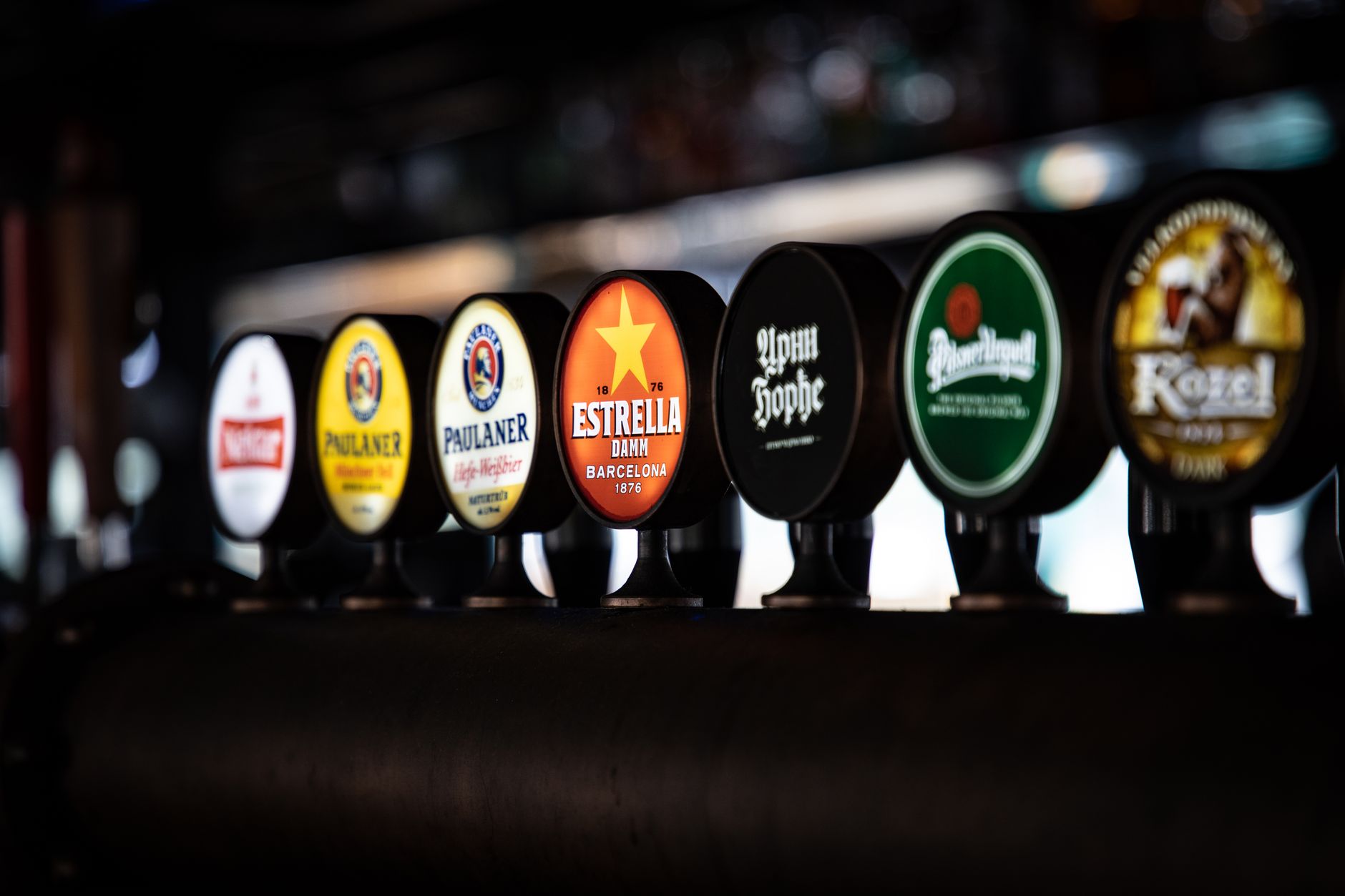
Photo by Boris Hamer on Pexels
Where to Drink Now
Hanoi:
- "Bia hoi" — Ta Hien Street (touristy but fun), or any corner stand in Hang Dao or Ly Thuong Kiet after 5 PM (real locals, no fuss).
- Craft — Pasteur Street Brewing (French Quarter or Northside), Heart of Darkness (quieter, moodier).
Saigon:
- "Bia hoi" — District 4 or District 5, early evening, standing-room corners.
- Craft — Pasteur Street (Pasteur Street proper, very central), East West Brewing (rooftop, food, busier), 7 Bridges (neighborhood feel, serious beer selection).
Practical Notes
Bring cash for "bia hoi" stands — many don't take cards. Craft breweries are card-friendly. Peak times are 5–7 PM for "bia hoi" and 6 PM onward for craft bars. Expect to stay for at least 45 minutes at a "bia hoi" stand; craft beer drinkers often linger 2+ hours. Neither scene is particularly expensive by global standards; a full evening of drinking in either city will cost 150,000–300,000 VND depending on venue and pace.
Going to Vietnam? Eat and travel smarter.
Monthly: new dishes, off-the-beaten-path destinations, and itineraries — straight to your inbox. No spam. Unsubscribe anytime.
Join 0 expats. (We just launched.)
More from Hanoi
Other articles covering this city.

Notre Dame Cathedral Saigon: French Colonial Centerpiece in the Heart of HCMC
Saigon's Notre Dame Cathedral has been wrapped in scaffolding for years, but the square in front of it remains one of the best starting points for a colonial-era walking tour of District 1.

Hoan Kiem Lake: The Sword Legend, Ngoc Son Temple, and When to Visit
Hoan Kiem Lake sits at the center of Hanoi's Old Quarter — here's the legend behind it, how to walk it properly, and when the streets actually belong to you.

Perfume Pagoda Day Trip from Hanoi: Boats, Pilgrims, and Festival Season
About 70km southwest of Hanoi, the Perfume Pagoda is part pilgrimage site, part river journey — here's how to do it without wasting a day.
More from All of Vietnam
Other articles covering the same region.

Best Tau Hu in Hoi An: Where Locals Send You
Tau hu—silky tofu soup—tastes different in Hoi An. Here's where locals actually eat it, and why.

7 Days in Vietnam: A Yoga and Meditation Itinerary
A week-long route through Vietnam's quietest corners: Sapa's mountain silence, a meditation center in the Mekong, and coastal stillness in Da Lat. Real costs, transport, and retreat recommendations.

7 Days in Vietnam: A Solo Backpacker Itinerary
A tested week-long route through Hanoi, Ha Long Bay, and Saigon with budget lodging, street food, and overland transport. Real costs and booking tips included.
More in Food & Drink
More articles from the same category.

Best Pho Chua in Ha Giang: Where Locals Send You
Ha Giang's take on sour pho is sharper, tangier, and less known than the southern version. Here's where locals actually eat it.

Best Pho Saigon in Ho Chi Minh City: Where Locals Send You
Pho Saigon is thinner, sweeter, and faster than its northern cousin. Here's where to find the real thing in HCMC, plus what makes it different and how to order.

Best Banh Xeo in Nha Trang: Where Locals Send You
Nha Trang's banh xeo scene is rowdier and greasier than the south. Here's where locals actually eat, what to order, and why the crispy rice pancakes here taste different.

Best Banh Nam in Hue: Where Locals Send You
Hue's version of "banh nam" is a steamed rice cake pocket stuffed with shrimp and pork—nothing like its northern cousin. Here's where locals actually eat it.

Best Banh Uot Thit Nuong in Buon Ma Thuot: Where Locals Send You
Banh uot thit nuong — steamed rice rolls with grilled pork — is a breakfast staple in Buon Ma Thuot's Central Highlands. Here are the spots locals actually eat.

Best Banh Canh Ca in Da Nang: Where Locals Send You
Da Nang's version of "banh canh ca" — thick tapioca noodles in crab broth — tastes different from Hanoi or Saigon. Here's where locals actually eat it, what to order, and why timing matters.
Comments
Loading…