The Khiem Mausoleum: A Royal Retreat and Final Resting Place
Located in Hue, the Tomb of Tu Duc, officially known as Khiem Mausoleum (or "Khiem Lang"), is unlike any other royal tomb in Vietnam (베트남 / 越南 / ベトナム). Constructed between 1864 and 1867, this sprawling complex served as Emperor Tu Duc's palatial retreat during his lifetime—not just his burial ground. The mausoleum divides into two main areas: the Temple Area and the Tomb Area, each revealing something different about one of Vietnam's longest-reigning monarchs.
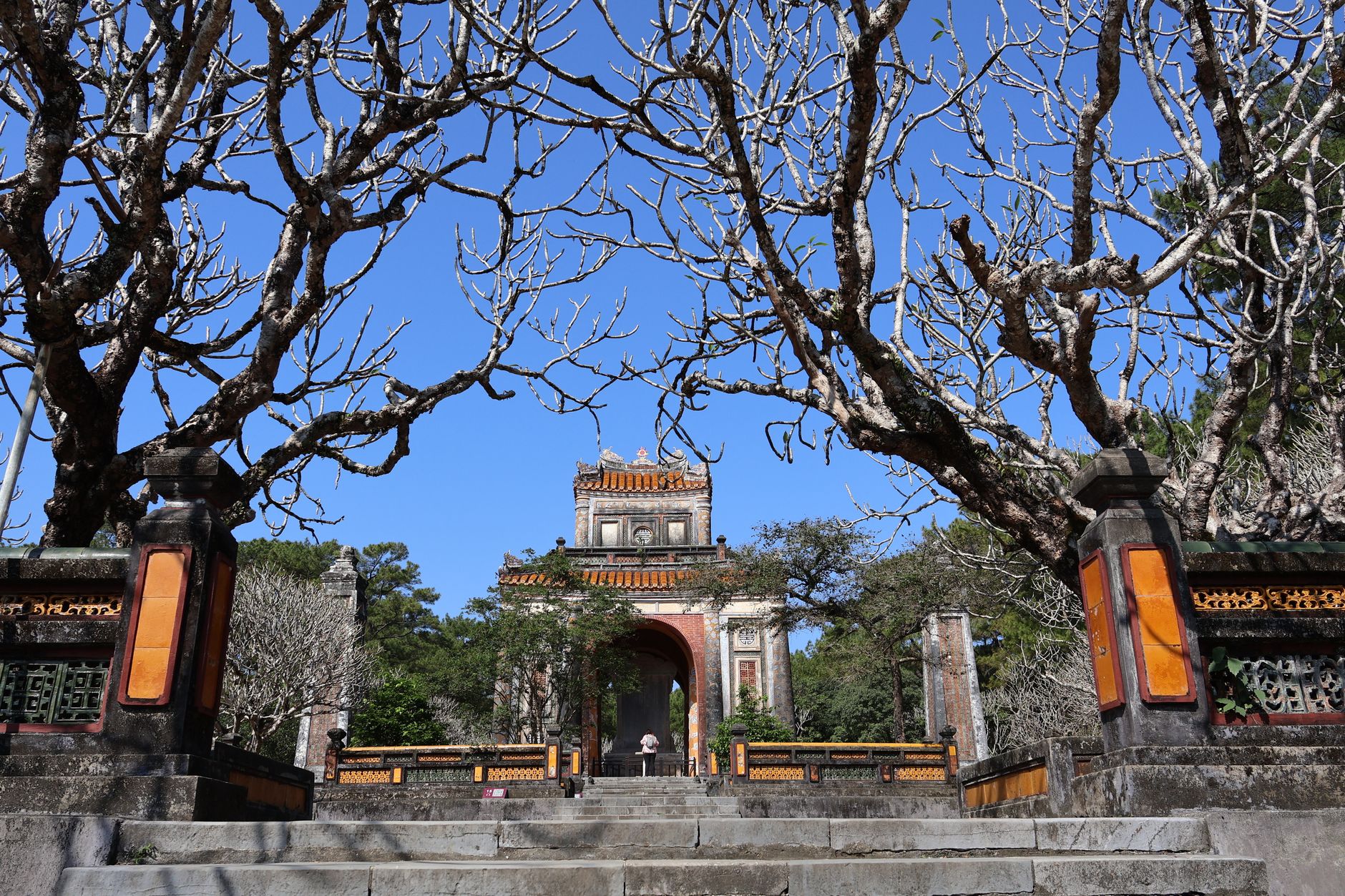
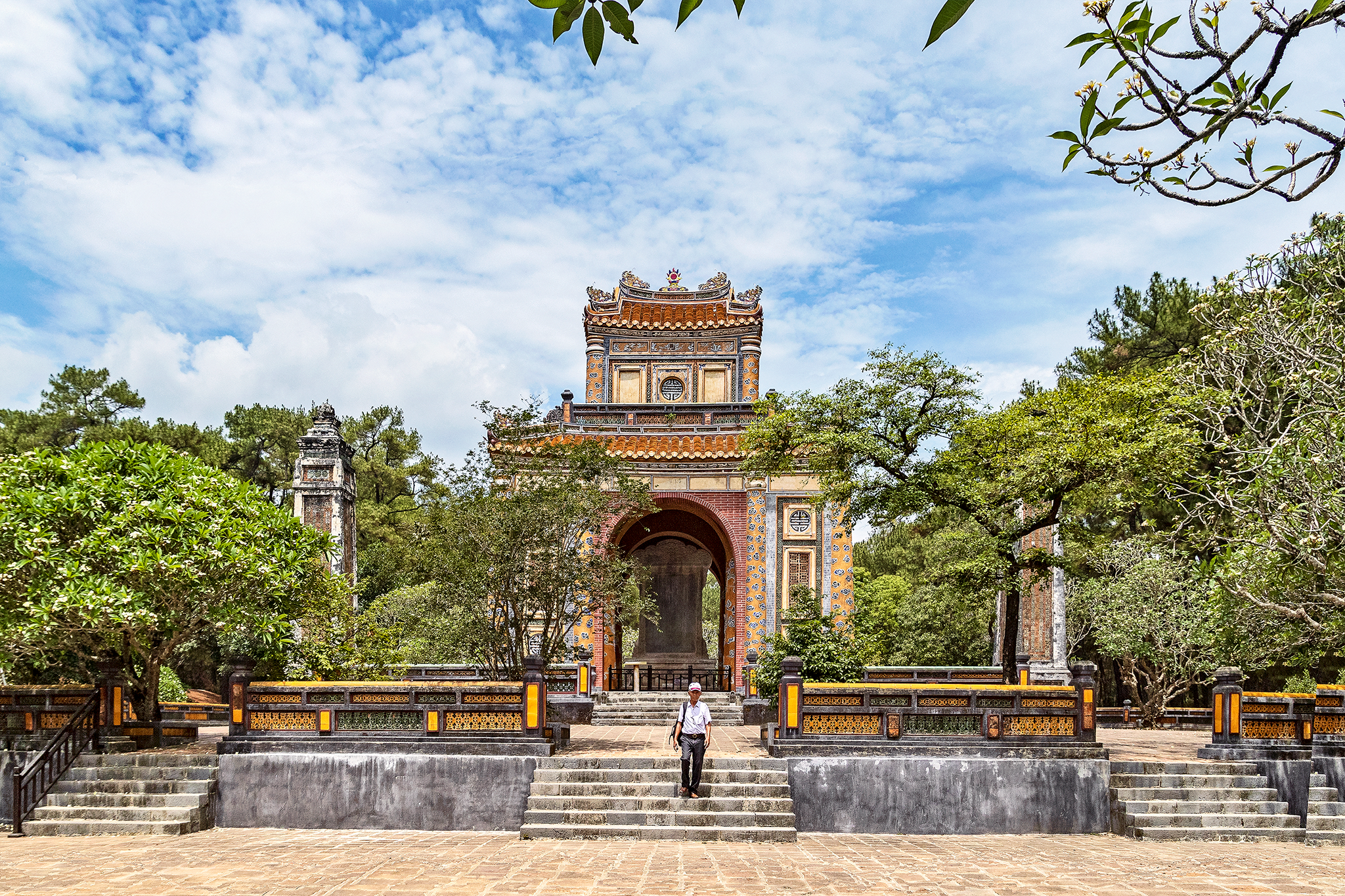
Tu Duc ruled from 1848 to 1883. Despite having 104 wives and concubines, he fathered no heir—possibly due to smallpox. He composed his own epitaph, an act he considered inauspicious. Today that stele stands as the largest of its kind in Vietnam, carved from stone quarried over 500 kilometers away and dragged here over four years. The inscription runs to over 4,900 characters—part autobiography, part self-criticism. Tu Duc admitted his failures as a ruler directly on the stone, which is unusual for an emperor who could have written anything he wanted.
Built by Burden and Rebellion
Tu Duc began planning this complex decades before his death. The main structures rose between 1864 and 1867, designed to be luxurious: spaces where the Emperor and his wives could live, not merely mourn. The project demanded corvee labor and heavy taxation from the region. In 1866, the weight of those demands sparked an abortive coup against Tu Duc himself. The rebellion failed. He lived here anyway, in the palace section, for the rest of his life.
No other royal tomb in Vietnam offered such amenities for the living. Tu Duc could boat on the serene lake, hunt small game on its central island, or recline at the Xung Khiem Pavilion composing poetry among his concubines. After lake excursions, boats moored at Du Khiem Pavilion, granting direct access to the palace grounds.
The lake itself—Luu Khiem Lake—was man-made, dug out by the same laborers who built the tomb structures. A small island in the center, Tinh Khiem Island, was planted with frangipani and pine. Tu Duc used it as a private hunting ground for deer and small birds. The scale of personal indulgence here is hard to overstate: this was a sitting emperor building himself a vacation estate disguised as a future tomb.

Image by Janet via Wikimedia Commons (CC BY-SA)
The Family Burials
After Tu Duc died in 1883, his adopted son Kien Phuc ascended the throne. Kien Phuc reigned only seven months before his own death. Rather than build a separate tomb, he was laid to rest in a small corner of Tu Duc's grounds. Between their graves lies the tomb of Empress Le Thien Anh, Tu Duc's primary wife.
But here's the puzzle: despite spending decades at Khiem Mausoleum, Tu Duc's actual remains lie elsewhere—in a secret location somewhere in Hue that has never been found. The 200 laborers who buried him were reportedly beheaded upon return, to seal the secret. That burial site remains undiscovered nearly 150 years later.
What you see labeled as Tu Duc's tomb on-site is therefore symbolic—a cenotaph. The stone tomb structure behind the stele house is empty. This detail escapes most visitors who assume they're standing above the emperor's bones. They aren't. Nobody knows where those bones are.

Image by CEphoto, Uwe Aranas via Wikimedia Commons (CC BY-SA)
Architecture Worth Walking
The complex features several standout buildings. The Hoa Khiem hall anchors the grounds as the main shrine dedicated to Tu Duc's veneration. The Luong Khiem hall honors Empress Dowager Tu Du. The Xung Khiem Ta pavilion marks the Emperor's favored poetry spot. Statues of mandarins stand guard throughout, reflecting imperial court hierarchy. The Minh Khiem Theater hosted court performances—it's considered one of the oldest theater stages still standing in Vietnam.
The layout follows feng shui principles common to Nguyen Dynasty architecture: south-facing orientation, symmetrical courtyards, lotus ponds flanking the approach. But unlike the rigid formality of, say, the Imperial Citadel in central Hue, the mausoleum grounds feel organic. Paths wind through forests of longan and frangipani. Moss covers the lower walls. The effect is more garden estate than necropolis.
Entry is 150,000 VND per person (2023 rate). The grounds sprawl enough to warrant 1-2 hours of walking. Best visited early morning to avoid midday heat and tour groups.
How Khiem Mausoleum Compares to Other Hue Tombs
Hue (후에 / 顺化 / フエ) has seven major Nguyen Dynasty tombs open to visitors. Each reflects the personality of its emperor, and they differ more than you'd expect.
Khai Dinh's tomb (about 10 km south of the city center) is the most European-influenced—concrete and slate on the outside, ornate ceramic mosaic on the inside. It took 11 years to build and feels like a French colonial chateau crossed with a Vietnamese temple. Minh Mang's tomb (also south, near the Perfume River) is the most classically symmetrical, built around a strict central axis with lakes, bridges, and gates in perfect balance.
Tu Duc's complex is the most livable. Where Minh Mang's tomb impresses with geometry and Khai Dinh's with decoration, Khiem Mausoleum draws you in with atmosphere. The lake, the scattered pavilions, the theater—it was built for daily use, not posthumous grandeur alone. If you only visit one tomb in Hue, this is the one most locals would recommend. If you have a half day, pair it with Khai Dinh's tomb since both sit on the same side of the Perfume River, roughly 2 km apart.
The Tomb of Tu Duc is also the most photogenic in soft morning light, when mist sometimes sits on Luu Khiem Lake and the frangipani trees catch the first sun.
Getting There and Practical Details
Khiem Mausoleum sits about 6 km southwest of Hue's city center, in Thuy Xuan ward. From the backpacker area around Pham Ngu Lao or Le Loi streets, you can reach it by:
- Motorbike or scooter: 15 minutes. Parking at the gate costs 5,000-10,000 VND.
- Grab car: Around 50,000-70,000 VND one way from central Hue.
- Bicycle: Feasible in cooler months (November-February). The road is flat until the final approach.
- Organized tour: Most Hue day tours from Da Nang or Hoi An include this tomb plus the Imperial Citadel and Thien Mu Pagoda. Typical price: 600,000-900,000 VND per person including transport and lunch.
The site opens daily from 7:00 AM to 5:30 PM (summer) or 7:00 AM to 5:00 PM (winter, October-March). Arrive before 8:00 AM or after 3:00 PM for fewer crowds. Midday visits between 11:00 and 2:00 are uncomfortable—Hue's humidity is aggressive, and most of the walking paths are unshaded.
A combined ticket covering multiple Hue heritage sites (Imperial Citadel, Khiem Mausoleum, Khai Dinh Tomb, and others) costs 530,000 VND and is valid for two days. If you plan to see three or more sites, the combo ticket saves money.
Common Mistakes and What Surprises Foreigners
Thinking the tomb contains Tu Duc. It doesn't. The burial is symbolic. His real grave has never been located. Guides sometimes gloss over this, so visitors leave without understanding the most interesting fact about the place.
Rushing through in 30 minutes. Tour buses often allocate 45 minutes here. That's barely enough to reach the stele house and snap a photo. The atmospheric parts—the lake path, the back courtyards behind Luong Khiem hall, the overgrown corners near the family tombs—require at least 90 minutes.
Skipping the Minh Khiem Theater. It's easy to walk past. The small wooden stage doesn't look like much, but it's one of Vietnam's oldest surviving court theater buildings. Performances of "nha nhac" (Hue royal court music, UNESCO-recognized) occasionally take place here during festivals.
Wearing heels or sandals without straps. The paths are uneven stone and packed earth. After rain, moss makes steps slippery. Closed shoes or sport sandals work best.
Not reading the stele. An English translation panel stands near the massive stone tablet. The text is genuinely interesting—Tu Duc writing about his own failures, his childlessness, the burdens he placed on his people. It's rare self-awareness from a 19th-century monarch.
Visiting only this tomb. Khiem Mausoleum pairs naturally with lunch in Thuy Bieu village (about 2 km away), known for its "com hen" (baby clam rice) stalls and pomelo gardens. Or combine it with a boat trip on the Perfume River back toward Thien Mu Pagoda.
Quick Reference
- Official name: Khiem Lang (Khiem Mausoleum)
- Location: Thuy Xuan ward, Hue city, Thua Thien Hue province
- Distance from Hue center: ~6 km southwest
- Built: 1864-1867
- Emperor: Tu Duc (reign 1848-1883)
- Entry fee: 150,000 VND per person / 530,000 VND combo ticket (2023)
- Hours: 7:00 AM - 5:30 PM (summer) / 7:00 AM - 5:00 PM (winter)
- Time needed: 1-2 hours
- Best time to visit: Early morning (7:00-8:30 AM) or late afternoon
- Nearest other tomb: Khai Dinh (~2 km away)
- Parking: 5,000-10,000 VND for motorbikes
- Amenities: Small drink vendors outside the gate; no food stalls inside
Why Visit
Khiem Mausoleum is a rare window into how Vietnam's royal court actually lived—not in ceremonial distance, but in daily, intimate spaces. The mystery of Tu Duc's true burial, the peculiar blend of palace and tomb, and the architectural detail make it more than a standard historical site. You're walking through the leisure spaces of a man who ruled half his life and planned his death in the other half.
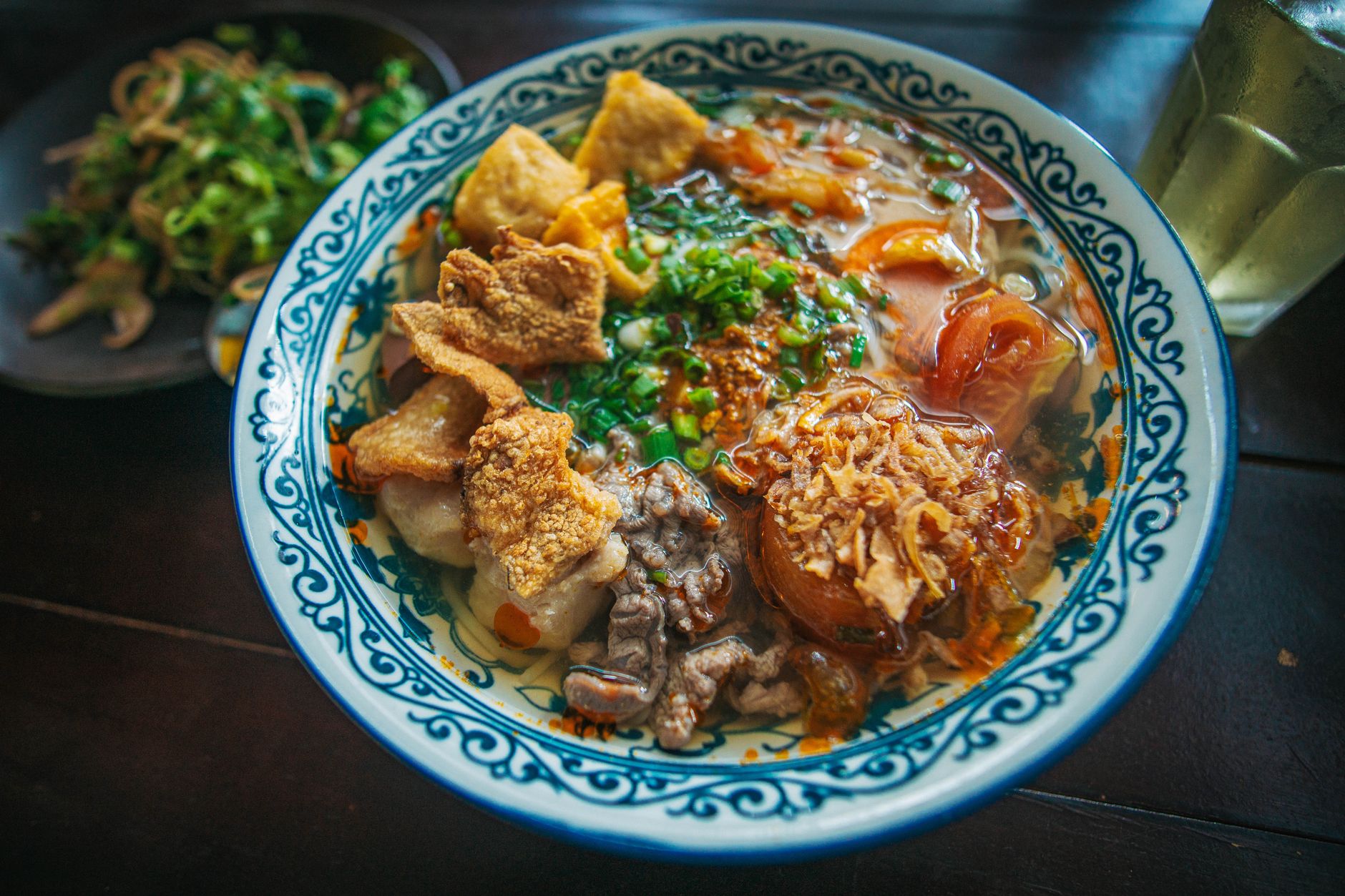
If you're building a broader Hue itinerary that includes the Imperial Citadel, the royal tombs, and the city's famous food scene—"bun bo Hue", "com hen", "banh khoai"—this tomb fits naturally into a morning loop before lunch back in town. It also works as a quiet counterpoint to the density of Hanoi or the pace of Ho Chi Minh City. Hue moves slower, and this mausoleum is the slowest, most contemplative corner of it.
Bottom Line
Khiem Mausoleum isn't the grandest tomb in Hue, but it's the most human. A childless emperor built himself a lakeside palace, wrote poetry there for two decades, then arranged for his body to vanish. The architecture tells that whole story if you give it 90 minutes and read the stele. Come early, wear decent shoes, and don't skip the theater.
Last updated · May 26, 2026 · independently researched, never sponsored.