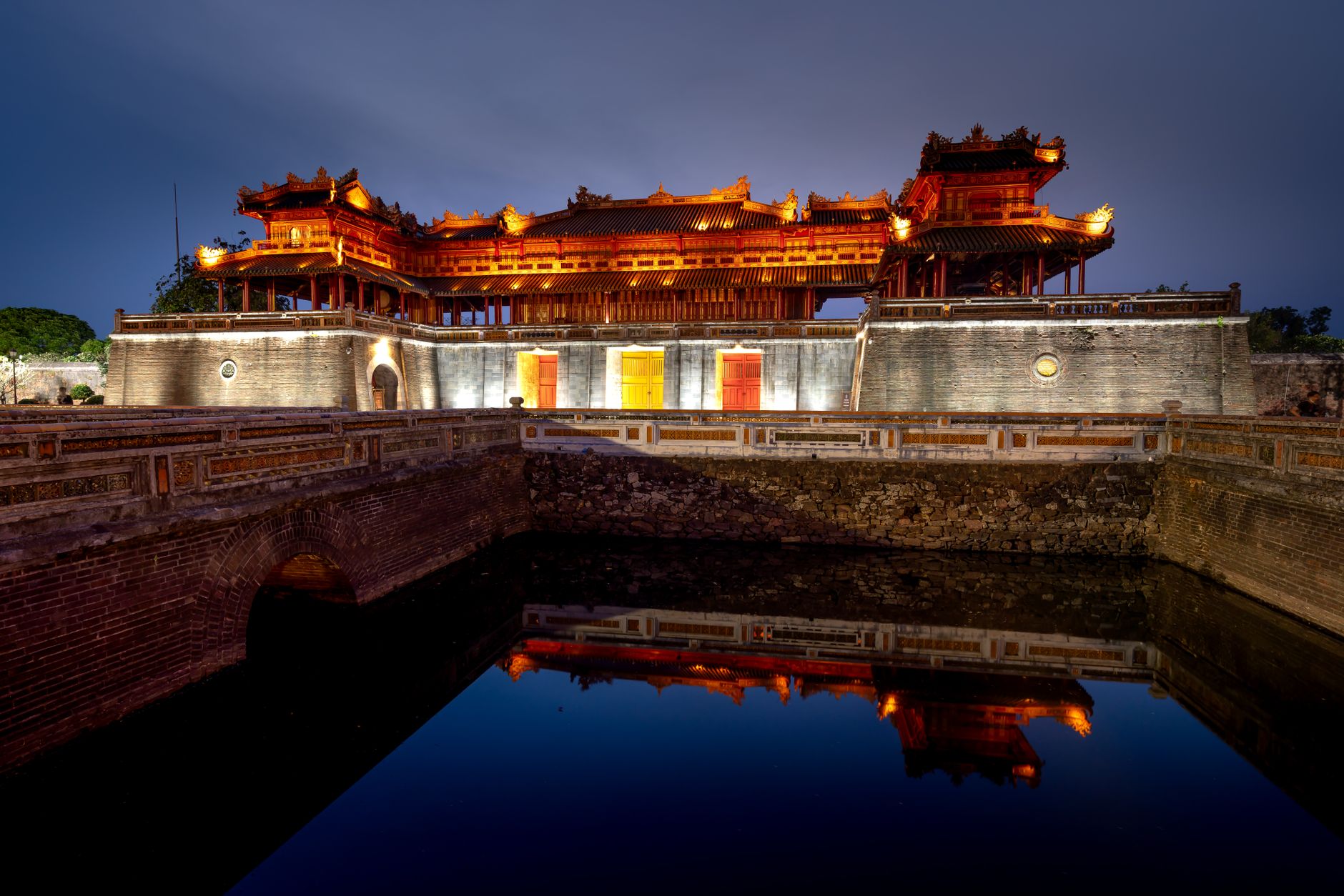
Temples and Pagodas
Visiting a temple or pagoda in Vietnam comes with real rules, not suggestions. You need to cover your shoulders and knees. This applies whether you're at the One Pillar Pagoda in Hanoi or a small village shrine in the Mekong Delta (메콩 델타 / 湄公河三角洲 / メコンデルタ).
Wear long pants, a skirt below the knee, or a dress that reaches mid-calf minimum. T-shirts are fine as long as your shoulders are covered; avoid tank tops, sleeveless tops, and anything that shows your collarbone area. Some temples are stricter than others—the larger, more touristed ones (like Bai Dinh in Ninh Binh (닌빈 / 宁平 / ニンビン)) tend to have signage but enforce less strictly. Smaller, working temples where local people pray are more traditional, and locals notice if you're dressed inappropriately.
Many temples provide sarongs at the entrance for free or a small donation (10,000–50,000 VND). These are loose wraparounds that work if you forgot to cover up, but they're often worn-looking and uncomfortable in heat. Better to just carry lightweight linen pants or a long skirt in your daypack. In summer (May–September), this means synthetic quick-dry fabrics that won't stick to you.
Remove your shoes before entering the main prayer hall or sanctuary—there will be a shoe rack outside. Don't step on thresholds; step over them. Photography inside is usually fine, but some temples restrict it near the main altar. Ask before you shoot.
Beaches
Vietnam's beach culture is casual. Swimwear—one-piece, two-piece, board shorts, rashguard—is all normal. You'll see Vietnamese families in beachwear at Phu Quoc, Mui Ne, and the islands around Da Nang, and foreign tourists in every imaginable swim style.
That said, toplessness is not standard. Even on busy tourist beaches, topless sunbathing is rare and can draw stares or passive comment from locals. Wear a top.
After swimming, a sarong, light shirt, or cover-up is practical—sun protection, sand avoidance, and a quick bathroom trip to the beachside warung. Flip-flops are universal; locals wear them everywhere. Many beaches have warung and casual restaurants right on the sand where you can eat in swimwear without anyone blinking.
For beach dinners at nicer resorts or seafood restaurants slightly inland (not beachfront), change into casual clothes—shorts and a clean t-shirt, or a sundress. You don't need formal dress, but show you've left the beach.
Casual Dining and Street Food
At a pho stall, banh mi cart, or casual restaurant—the kind with plastic stools and a line of locals—no one cares what you wear. Shorts, t-shirt, workout gear, yesterday's clothes. This covers 80% of where you'll eat in Vietnam.
At a mid-range restaurant (500,000–2,000,000 VND per person), wear clean casual clothes. Shorts are fine, but if they're very short or visibly worn, pair them with a neat top. Sundresses, linen pants, collared shirts all work. You're just not in a tank top with sand in your hair.
Upscale Restaurants
In upscale restaurants in Hanoi, Saigon, Da Nang, and Hue—the kind in a colonial villa, a riverside restaurant with tablecloths, or a Michelin-rated venue—smart casual is the baseline. This means:
- No shorts (or only dressy knee-length shorts).
- No tank tops or very casual t-shirts.
- Collared shirt, blouse, sundress, tailored trousers, neat skirt.
- Closed-toe shoes or dressy sandals (not flip-flops, not gym shoes).
For truly fine dining (high-end international, expensive local haute cuisine), business casual to business formal is safer: blazer, dress trousers, a nice dress, dressy heels or shoes. A man in a nice linen shirt and trousers will never be turned away; a woman in a sundress and sandals might be gently asked to change in the strictest places.
When in doubt, ask your hotel concierge about a specific restaurant. They know the actual policy.
Business and Office Settings
If you're meeting Vietnamese colleagues, clients, or attending a business event, dress conservatively. Men: long-sleeved button-up shirt, trousers, closed-toe shoes. Tie optional in casual offices, expected in formal meetings or state/government contexts. Women: knee-length dress or skirt, blouse, closed-toe shoes. Avoid low necklines or very fitted silhouettes in formal settings. Light colors and natural fabrics (cotton, linen) help in the heat.
Northern Winter (December–February)
Sapa, Ha Giang, and Hanoi get cold, and some days require long sleeves and layers. Daytime temps in Hanoi drop to 10–15°C (50–59°F); in Sapa, it can fall below 5°C (41°F) at night. Bring a light sweater, cardigan, or hoodie. Jeans, closed-toe shoes, and a scarf are practical. Temples are even colder inside without heat, so a thin jacket is worth carrying.
Saigon, Hoi An, and southern beaches stay warm year-round, so this doesn't apply there.
Footwear
Flip-flops and sandals are worn everywhere in Vietnam—shops, restaurants, temples (before you enter), markets. For temple visits, anything easy to remove is fine. For restaurants, nicer places appreciate closed-toe or more structured footwear, but it's not a hard rule. Avoid walking around cities in athletic shoes unless you're hiking; they can look out of place.
Frequently Asked Questions
What should I wear to visit temples and pagodas in Vietnam?
Temples require covered shoulders and knees — no tank tops, sleeveless shirts, or anything exposing the collarbone. Long pants, a skirt below the knee, or a mid-calf dress all work. Many temples offer sarongs at the entrance for 10,000–50,000 VND if you arrive unprepared, but carrying lightweight linen pants or a long skirt in your daypack is more comfortable, especially May through September.
Is topless sunbathing acceptable on Vietnamese beaches?
No. Even on busy tourist beaches at Phu Quoc, Mui Ne, and the islands around Da Nang, topless sunbathing is rare and draws stares or comments from locals. Standard swimwear — one-piece, two-piece, board shorts, rashguard — is all normal and widely worn by both Vietnamese families and foreign tourists. Wear a top.
How formal do I need to dress for restaurants in Vietnam?
It depends on the type of restaurant. Street food stalls and casual plastic-stool spots have no dress code at all. Mid-range restaurants (500,000–2,000,000 VND per person) call for clean casual clothes. Upscale venues in Hanoi, Saigon, Da Nang, and Hue require smart casual at minimum — collared shirts, blouses, tailored trousers, dressy sandals — with no flip-flops or gym shoes.
Practical Notes
Buy a lightweight sarong or scarf in Vietnam (night markets, souvenir shops)—they're cheap (50,000–200,000 VND), take no luggage space, and solve both temple and sun-protection problems. Vietnamese people dress modestly in general, so matching that vibe—covered shoulders and knees in public, neat appearance in restaurants—is respectful and practical. You won't be denied entry for being a foreigner, but locals will clock whether you're trying or not.
Last updated · May 29, 2026 · independently researched, never sponsored.