Tap water: don't drink it straight
Vietnamese tap water isn't potable. The infrastructure for treating and distributing drinking water exists in Hanoi, Saigon, and a few other cities, but even there, mineral content and occasional contamination make it unsafe for visitors with non-local gut bacteria. Outside the major urban centers, it's worse. Locals often don't drink it either—most households and small businesses use bottled water or boil water for cooking and drinking.
The issue isn't dramatic cholera or typhoid in most cases; it's mineral content, rust from aging pipes, and bacteria that might upset your stomach for days. Not worth the risk when the alternative costs nothing.
In Hanoi, the tap water supply draws from both the Red River and underground wells. The treatment plants do their job, but the pipe network between the plant and your faucet is where things go sideways—some pipes in the Old Quarter date back decades. In Saigon, the situation is similar: treated at the source, degraded in transit. Da Nang has newer infrastructure in the tourist districts near My Khe Beach, but that still doesn't make it drinkable for visitors.
Bottled water: the standard
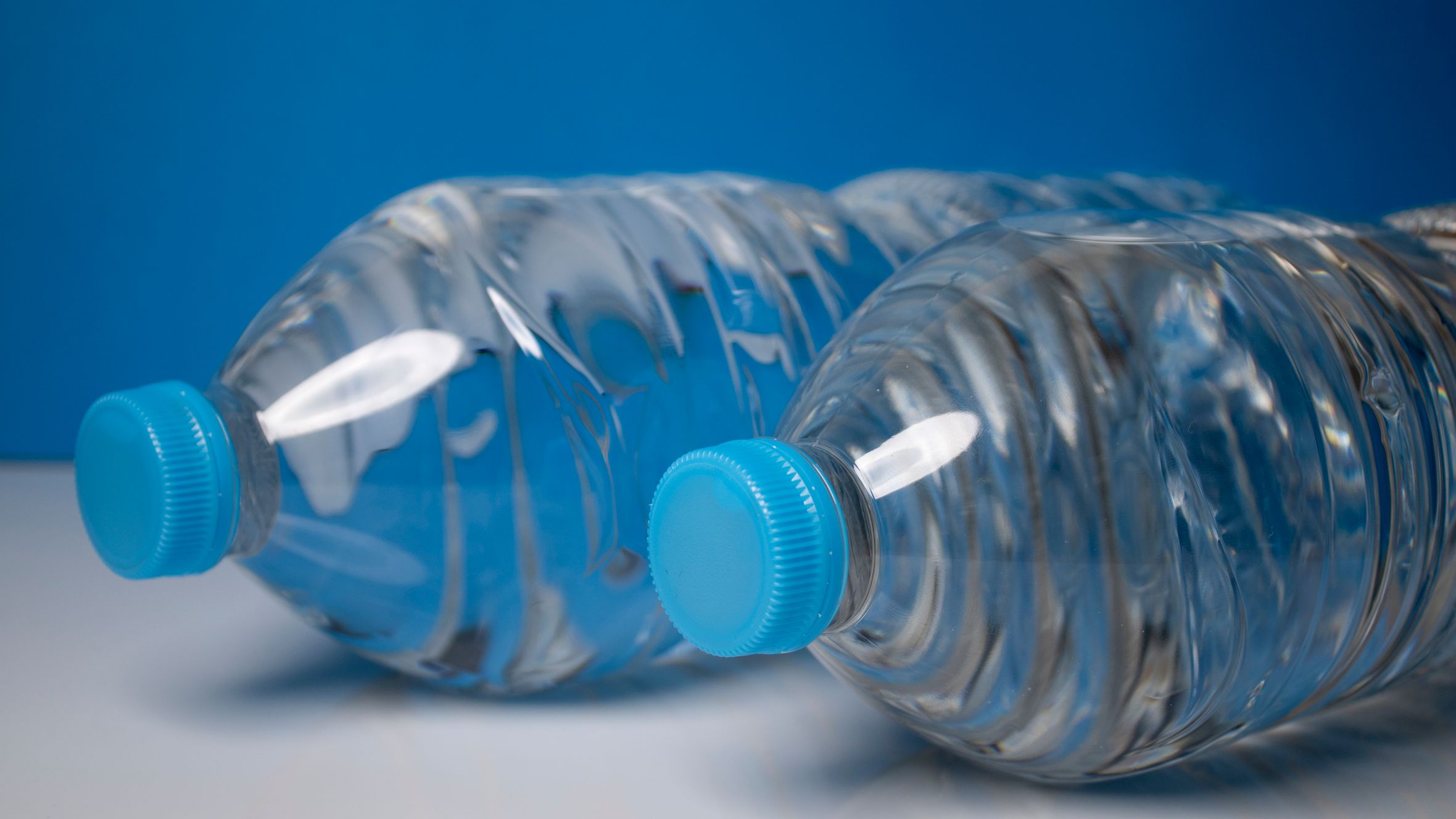
Buy it everywhere. Small bottles (350–500 ml) cost 5,000–8,000 VND; larger ones (1.5 L) run 10,000–15,000 VND. Convenience stores, street vendors, and hotel mini-bars all stock it. Brands like Aquafina, Lavie, and Tran Chau are fine. Don't overthink the brand—they're all regulated and safe.
Keep a bottle with you when you're out. Dehydration in heat and humidity sneaks up. Refillable water stations exist in some cafes and hostels, but carrying your own is simpler.
One thing worth knowing: the 19-liter jugs you see stacked outside shops and in restaurant kitchens are the same filtered water used for cooking your "pho" and brewing your "ca phe." These cost around 15,000–25,000 VND per jug and get swapped out constantly at busy places. If a restaurant has a branded water dispenser with those big jugs, the water and ice coming out of that kitchen are fine.
At convenience stores like Circle K, GS25, or Ministop—common in Hanoi, Saigon (사이공 / 西贡 / サイゴン), and Da Nang—a 500 ml bottle runs about 5,000 VND. These shops are open 24/7 in most tourist districts, so you're never far from clean water. In smaller towns like Ninh Binh or Hoi An, look for "nuoc uong" signs at local shops—same brands, same prices, no markup.
Ice: generally safe in restaurants and cafes
Ice in established restaurants, cafes, and hotels is made from bottled or filtered water. You can order it without worry. Street-stall ice, especially at night markets or from unmarked vendors, is a grey area—the source isn't always clear. If you're cautious, skip it. If you're relaxed and the place looks busy and clean, it's probably fine.
The real issue with ice abroad isn't usually the ice itself; it's the glass or cup it goes into. Rinse it with your bottled water or use straws, which most places offer.
Here's how to read the ice: factory-made ice comes in uniform tubes or cylinders with a hollow center. That's the safe stuff, and it's what you'll see in your "ca phe sua da" at any decent cafe. Hand-chipped ice from large blocks is also generally factory-made—the blocks get delivered from industrial ice plants. What you want to avoid is cloudy, irregularly shaped ice at a stall that doesn't look like it has any water filtration setup. In practice, this is rare in tourist areas. The banh mi cart on the corner probably isn't serving you drinks with ice anyway.
Brushing teeth: tap water in 4–5 star hotels, bottled elsewhere
In modern hotel rooms (4 stars and up) with reliable plumbing in Hanoi, Saigon, Da Nang, and Hue, tap water for brushing is acceptable. The hotels filter or treat it. Anywhere else—smaller hotels, guesthouses, homestays, private rentals—use bottled water to rinse your toothbrush and mouth. It's a small hassle and removes all uncertainty.
Some travelers swallow tap water accidentally while brushing and never get sick. Others get sick and blame a different meal. The risk is low in good hotels but not zero elsewhere. Bottled water costs nothing by comparison.
A practical move: keep a half-empty bottle on the bathroom counter specifically for brushing. You'll use maybe 50 ml each time. One 500 ml bottle lasts several days for teeth alone, so the cost is essentially zero.
Hot drinks are safe
"Pho", "banh mi", coffee, and tea made with boiling water are all safe. The heat kills pathogens. Even street vendors boiling pho or coffee in the morning pose no water-safety risk. This is one reason "Vietnamese coffee" and "egg coffee" are fine to drink without hesitation—the water's been boiled or the drink is ice-cold and made from filtered water.
Where caution applies: herbal teas or drinks served at ambient temperature without boiling, and fruit juices that might use diluted tap water. Most juice stands blend fruit fresh, but some cut juice with tap water. If you're unsure, ask or skip it.
This extends to all the soups and broths you'll encounter. A bowl of "bun rieu" simmered for hours, a pot of "bun bo Hue" rolling at a boil all morning, the broth in your "hu tieu" at a Saigon street stall—these are all safe from a water standpoint. The risk with street food, when it exists, comes from ingredients sitting out too long or cross-contamination, not from the water in the broth.
Same logic applies to "bia hoi (비아호이 / 鲜啤 / ビアホイ)"—the fresh draft beer you'll find at sidewalk joints across Hanoi. It's brewed and kegged, so water safety isn't the concern there. At around 5,000–10,000 VND per glass, it's cheaper than bottled water in some spots.
Shower and washing: no risk
Tap water for showering, washing your face, and laundry is fine. Your skin is a barrier. Don't drink it, don't get it in open wounds, and you're good.
When traveling to remote areas
In places like Sapa, Ha Giang, or rural homestays, bring purification tablets or a portable filter if you're concerned. Most homestays and guesthouses in tourist zones provide bottled water, but remote trekking routes might not. A water bottle with a built-in filter (Grayl, LifeStraw) weighs nothing and solves the problem.
Alternatively, boil water yourself if the accommodation allows it. Boiling for 1 minute at a rolling boil kills everything.
If you're doing a motorbike loop in Ha Giang or trekking between villages near Sapa, plan your water supply. Shops in small towns along the route sell bottled water, but the gaps between them can be 20–30 km. Carry at least 1.5 liters when you set out in the morning. On multi-day treks, your guide will typically arrange boiled water at lunch stops and homestays—confirm this before you go. Da Lat and Phu Quoc are easier; bottled water is available even in smaller beach or highland settlements.
What surprises foreigners about water in Vietnam
Free hot tea at restaurants. Sit down at many Vietnamese restaurants—especially "com tam" (broken rice) spots, "bun cha" joints, and pho shops—and a pot of hot tea appears before you order. This is "tra da" or "tra nong" and it's complimentary. The water has been boiled, so it's safe. This is one of the small pleasures of eating in Vietnam: free tea with every meal.
Hotels give you free bottles. Almost every hotel and guesthouse, even budget ones at 200,000–300,000 VND per night, puts two complimentary bottles of water in the room daily. Use them. Refill your day bottle from these before heading out. It saves you a few thousand VND and means one less plastic bottle bought on the street.
Sugarcane juice and coconut water are generally fine. Sugarcane juice ("nuoc mia") is pressed fresh in front of you. The cane goes through the press, the juice comes out, ice goes in. As long as the ice is factory-made (those tubes with holes), this is safe and costs about 10,000–15,000 VND. Same with fresh coconut water—the coconut is sealed until they chop it open. These are better hydration options than plain water on a hot day in Saigon or Hoi An.
Locals boil and cool water at home. Most Vietnamese families keep a thermos or a jug of boiled-then-cooled water in the kitchen. When visiting someone's home, the water you're offered has been boiled. Accept it politely.
Fruit smoothies are a grey area. The fruit is fine; the ice is usually fine; the variable is whether tap water gets added to thin the blend. At established smoothie and juice bars in tourist areas—especially around Ben Thanh Market in Saigon or the Old Quarter in Hanoi—the answer is no, they use filtered water. At a random roadside stand in a small town, maybe ask: "Nuoc loc khong?" (Filtered water?).
How to stay hydrated without single-use plastic
Vietnam has a plastic problem, and as a traveler you'll notice it fast. If you want to reduce your footprint without risking your gut, a few options work well:
- Bring a reusable bottle with a filter. Grayl GeoPress or LifeStraw Go let you fill from any tap. The upfront cost (around $30–80 USD) pays for itself in a two-week trip and you stop buying plastic bottles entirely.
- Refill at your hotel. Those free daily bottles plus any water dispenser in the lobby can fill your reusable bottle each morning.
- Use cafes as refill points. Many specialty coffee shops in Hanoi's Hoan Kiem district, Saigon's District 1, and Da Nang's An Thuong area have filtered water dispensers. Order a "ca phe sua da" for 30,000–45,000 VND and ask to fill your bottle. Most will say yes.
- Hostels with refill stations. Increasingly common in backpacker districts. Places in Hanoi's Ma May area and Saigon's Bui Vien / Pham Ngu Lao zone often have a filtered water tap in the common area.
You won't eliminate plastic entirely—Vietnam's infrastructure isn't set up for that yet—but you can cut your usage by half without any stomach risk.
Quick reference: water safety at a glance
- Tap water: Do not drink. Not in Hanoi, Saigon, Hue, or anywhere else.
- Bottled water: Safe everywhere. 5,000–15,000 VND depending on size.
- Hotel room bottles: Safe. Use the free ones daily.
- Ice in cafes and restaurants: Safe (factory-made tubes/cylinders).
- Ice at unmarked street stalls: Probably fine, but skip if anxious.
- Boiled drinks (coffee, tea, pho broth): Safe. Always.
- Sugarcane juice, fresh coconut: Safe when pressed/opened in front of you.
- Fruit smoothies in tourist areas: Generally safe. Ask if unsure.
- Fruit smoothies at random roadside stalls: Ask "Nuoc loc khong?"
- Shower and pool water: Safe on skin. Don't swallow.
- Brushing teeth at 4-5 star hotels: Acceptable.
- Brushing teeth elsewhere: Use bottled water.
- Remote trekking (Ha Giang, Sapa highlands): Carry 1.5 L minimum; bring filter or tablets.
The practical reality
Most travelers drink bottled water, brush teeth with bottled water outside of good hotels, and don't get sick. A few drink tap water or ice without caution and don't get sick. Some get sick regardless of water and blame it on that one street-food meal. Stomach trouble in Vietnam is usually from food, not water, if the food was prepared in questionable conditions.
If your stomach is sensitive, stick to bottled water strictly and eat at busy, clean places. If you're relaxed, follow the common-sense rule: drink bottled water, assume restaurant ice and hot drinks are safe, and brush teeth with bottled water anywhere but modern hotels.
Practical notes
Carry a 500 ml bottle of water with you when exploring. Refill it at your hotel or buy a new one for a few thousand VND. In cafes, ask for water ("Cho toi nuoc lon" — tap water, or point and say "bottled"). Most places provide it free or for a small charge. Stay hydrated; the heat is real.
Useful phrases for ordering water:
- "Cho toi mot chai nuoc" — Give me one bottle of water
- "Nuoc loc" — Filtered/purified water
- "Nuoc da" — Ice water
- "Khong da" — No ice
Final note
Water safety in Vietnam is a solved problem for travelers—it just requires one habit: default to bottled or boiled. Once that's automatic, you stop thinking about it entirely and focus on the food, the coffee, and the road ahead. The real risk to your stomach is eating that fourth "banh xeo" at midnight, not the water.
Last updated · May 29, 2026 · independently researched, never sponsored.