Why these phrases matter
You don't need fluency to navigate Vietnam (베트남 / 越南 / ベトナム), but knowing 20–30 key phrases transforms how locals treat you. A street vendor will smile and give you better service the moment you say "xin chao" instead of pointing. Taxi drivers respect tourists who attempt the language. This guide covers what actually works in the field, not textbook formality.
Greetings and politeness
Xin chao (SIN-chow) — "Hello" Use anytime, to anyone. The most essential phrase. Works in shops, restaurants, on the street.
Cam on (kahm-ern) — "Thank you" Always appreciated. Say it after someone helps you, gives you food, or just serves you.
Khong sao (khong-sow) — "No problem" or "It's okay" Use when someone apologizes, or when you're reassuring someone. Locals use it constantly.
Vang (vung) — "Yes" (formal, respectful) Khong (khong) — "No" Vang is more polite than just nodding. Use it when you're talking to an elder or shop owner asking permission.
Tam biet (tam-bee-et) — "Goodbye" Less common for tourists; most just say "see you" in English. But nice if you're leaving a cafe where the owner knows you.
Ordering and food
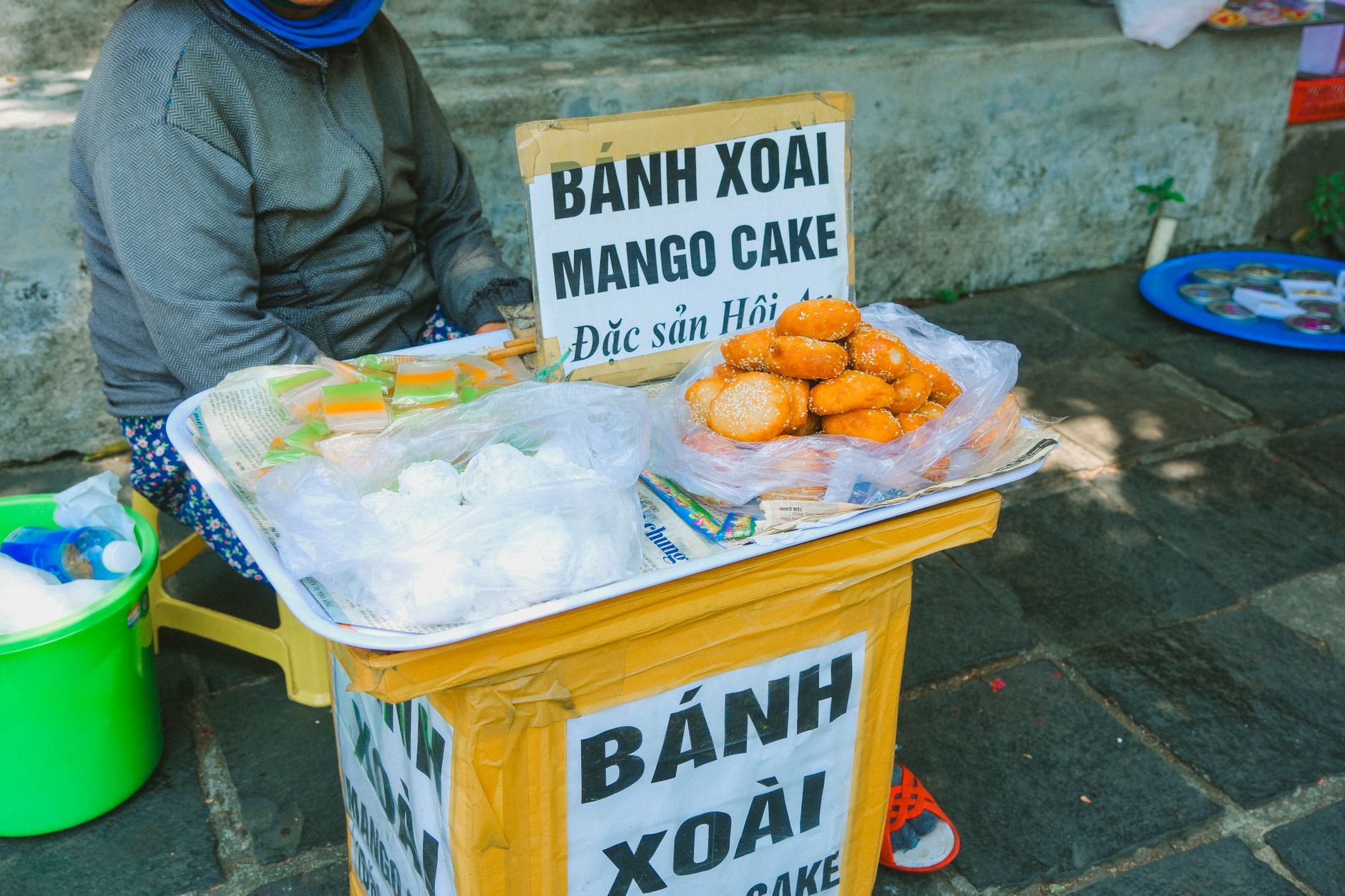
Cho toi ... (cho toi ...) — "Give me ..." The most direct way to order. Followed by the dish name: "Cho toi pho" (pho), "Cho toi banh mi" (banh mi), "Cho toi ca phe sua da" (Vietnamese iced coffee).
Ngon (ngon) — "Delicious" Say this while eating. The cook or seller will beam. Use after a meal: "Ngon lam!" (ngon lum — very delicious).
Cay qua (cay-kwa) — "Too spicy" Vietnam goes heavy on fresh chilies. If you can't handle it, say this and they'll remake it or add cooling condiments.
Khong cay (khong-cay) — "Not spicy" Preventative. Say it when ordering if you're heat-sensitive.
Mot ly nuoc (moht-lee nuoc) — "One glass of water" Water is free everywhere. Standard to ask for it with meals.
Prices, numbers, and payment
Bao nhieu tien? (bao-nee-eu-tee-en) — "How much?" Use when buying anything without a visible price tag.
Dat qua (dat-kwa) — "Too expensive" Useful at street markets and when negotiating taxi fares. Not rude if said with a smile.
Giam gia duoc khong? (yum-yaw-duoc-khong) — "Can you lower the price?" Common at Ben Thanh Market and other tourist-heavy spots. Expect 10–20% haggling room on souvenirs, none on food.
Basic numbers (1–10):
- Mot (moht) — 1
- Hai (hai) — 2
- Ba (bah) — 3
- Bon (bohn) — 4
- Nam (nam) — 5
- Sau (sow) — 6
- Bay (bye) — 7
- Tam (tam) — 8
- Chin (chin) — 9
- Muoi (muoi) — 10
Use these for prices, table numbers, and times. "Muoi nghin" (muoi-ngin) = 10,000 VND. Most meals cost 50,000–150,000 VND.
Toi khong hieu (toi-khong-hee-u) — "I don't understand" When the conversation gets too fast or too local. Most people will slow down or switch to English.
The bill and payment
Tinh tien (tinh-tee-en) — "The bill, please" Or just wave your hand in a writing gesture; every restaurant understands. More polite is "Xin tinh tien" (please, the bill).
Tien le duoc khong? (tee-en-le-duoc-khong) — "Do you have change?" Useful when paying with a large note. Some street stalls run tight on coins.
The co duoc khong? (the-co-duoc-khong) — "Do you take cards?" Many small restaurants, street stalls, and rural areas are cash-only. Hanoi and Saigon are increasingly card-friendly, but carry VND for safety.
Transport and taxi
Xe toi (se-toi) — "I want a taxi" Simpler than asking for directions; just stand where taxis stop.
Bao nhieu tien den ...? (bao-nee-eu-tee-en-den) — "How much to go to ...?" Always negotiate before getting in an unmarked cab. Grab and Be Grab (ride-hailing apps) remove this hassle.
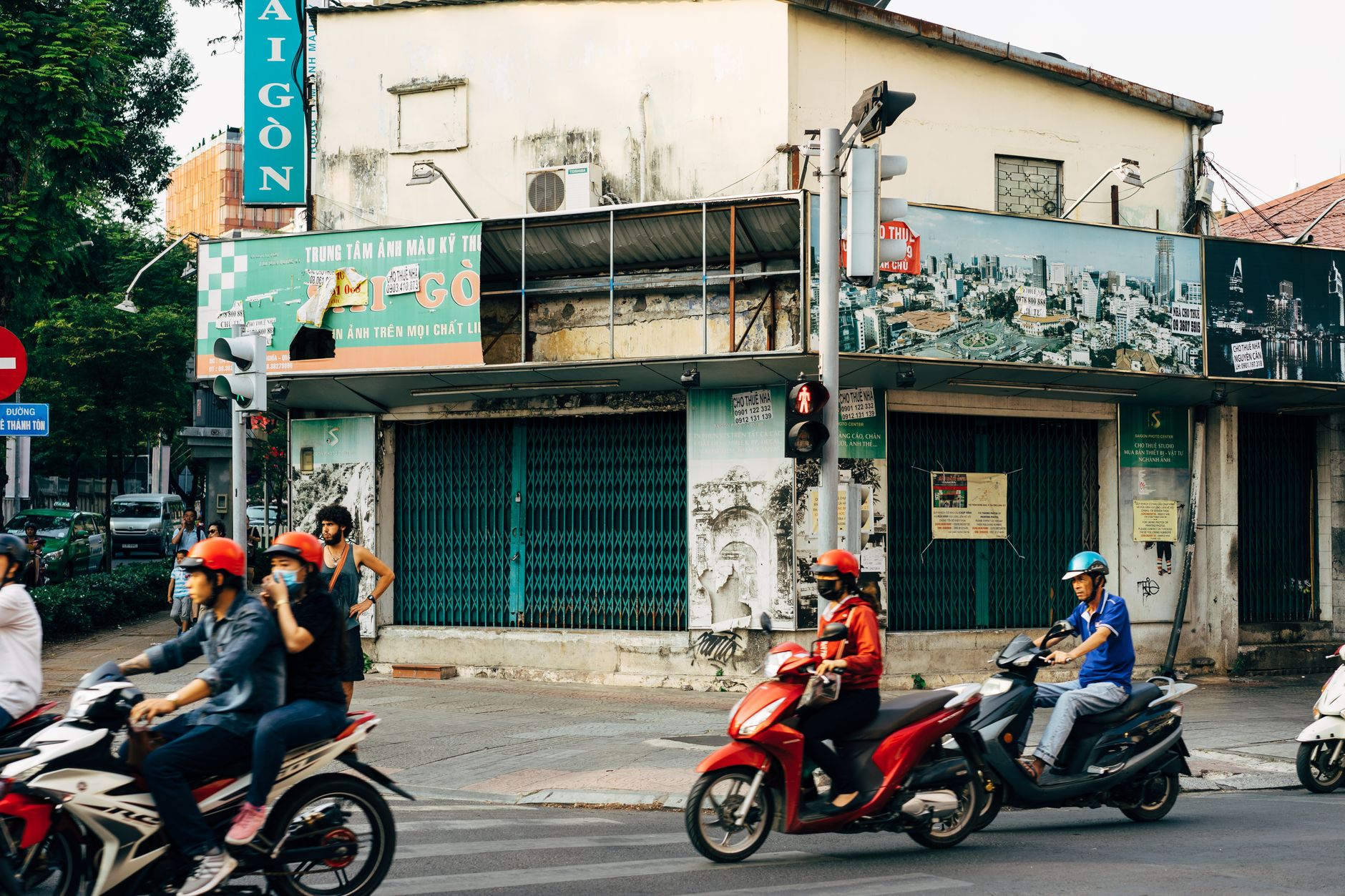
Tac duong (tak-duong) — "Traffic jam" Explains delays. Hanoi and Saigon rush hours (7–9 AM, 5–7 PM) are brutal.
Emergency and practical
Giup toi! (yoop-toi) — "Help me!" For real emergencies. Locals will respond immediately.
Benh vien (ben-vee-en) — "Hospital" Say this to any local or taxi if you need urgent care. International clinics in Hanoi and Saigon are reliable.
Canh sat (canh-sat) — "Police" Rarely needed. Tourist police in major cities speak English.
Toi la du khach (toi-la-you-khach) — "I'm a tourist" Use when confused or lost. Most Vietnamese are patient with tourists and will help.
Pronunciation notes for tricky sounds
Tones matter, but don't obsess. Vietnamese has six tones (level, rising, falling, question, tumbling, heavy). Native English speakers will almost never nail them perfectly. Locals are forgiving if you hit the right syllable.
Hardest sounds for English speakers:
- "nh" (as in "xin chao") = soft, like the "ny" in "canyon." Not a hard English "n."
- "o" and "u" = different vowel sounds with no English equivalent. Listen to recordings. The "o" (like "Cam on") is halfway between "uh" and "ah."
- "ch" before "i" = "ch" as in "chip," not "ch" as in "cheese."
- "kh" = back-of-throat "h," like you're saying "ha" from the throat. "Khong" will sound forced at first; that's right.
Tone shortcuts: The most common tourist mistake is flattening all tones into one. If you're struggling, slightly raise your pitch at the end of words like "xin chao"—you'll sound more natural, and most tourists are forgiven for imperfect tones anyway.
Frequently Asked Questions
How do locals respond when tourists attempt basic Vietnamese phrases?
Street vendors smile and give better service when you say "xin chao" (SIN-chow) instead of pointing. Taxi drivers show more respect toward tourists who try the language. Even simple phrases like "cam on" (thank you) or "ngon" (delicious) after a meal prompt positive reactions from cooks and sellers. You don't need fluency — 20 to 30 key phrases noticeably change how locals treat you.
What phrases help when ordering food or dealing with spice levels?
Start with "cho toi" (give me) followed by the dish name — for example, "cho toi pho" or "cho toi banh mi." If you're sensitive to heat, say "khong cay" (not spicy) before ordering, or "cay qua" (too spicy) if it arrives too hot and needs to be remade. For water, say "mot ly nuoc" — it's free with meals everywhere.
When should you negotiate prices and what reduction can you expect?
Haggle at street markets and tourist-heavy spots like Ben Thanh Market in Ho Chi Minh City using "giam gia duoc khong?" (can you lower the price?). Expect 10 to 20 percent off souvenirs if you ask with a smile. Do not try to negotiate food prices. For taxis without meters, ask "bao nhieu tien den...?" and agree on a fare before getting in, or use Grab to skip the negotiation entirely.
Bottom line
Learn these 20–30 phrases, practice the pronunciation via Google Translate's audio feature or YouTube videos, and use them. Locals reward effort with warmth and patience. You'll eat better, pay fair prices, and leave people smiling. English works fine as a backup, but Vietnamese opens doors.
Last updated · May 21, 2026 · independently researched, never sponsored.