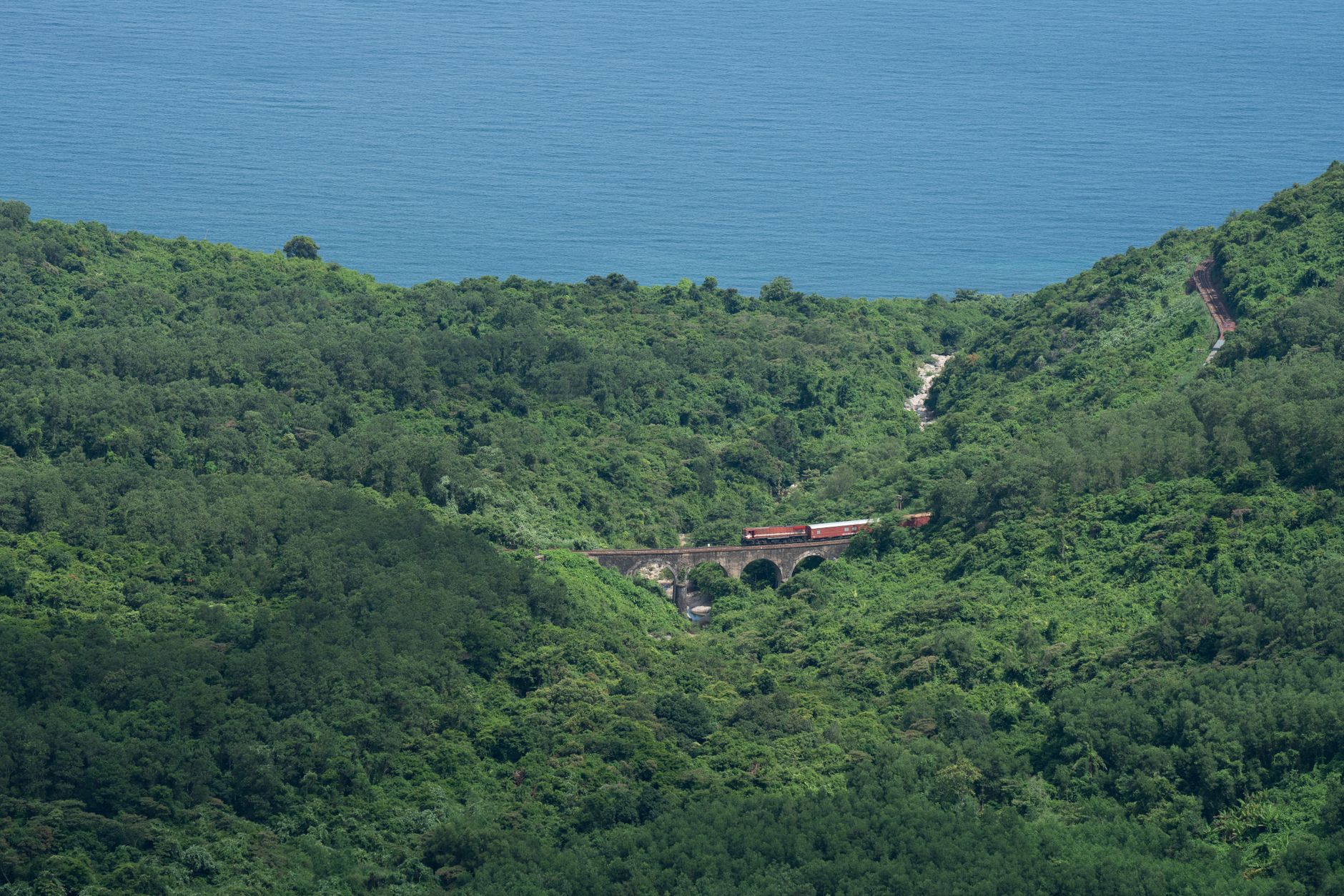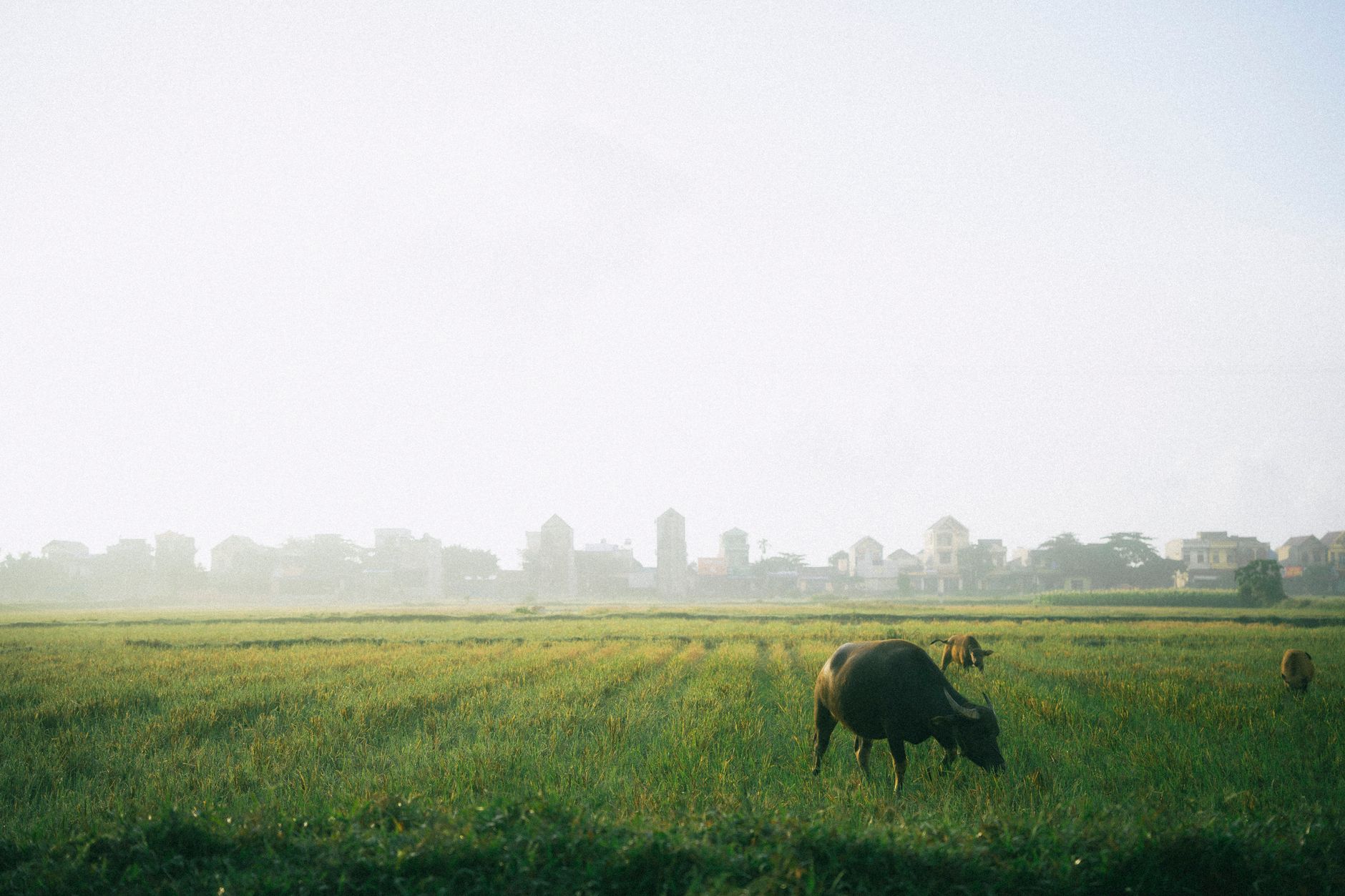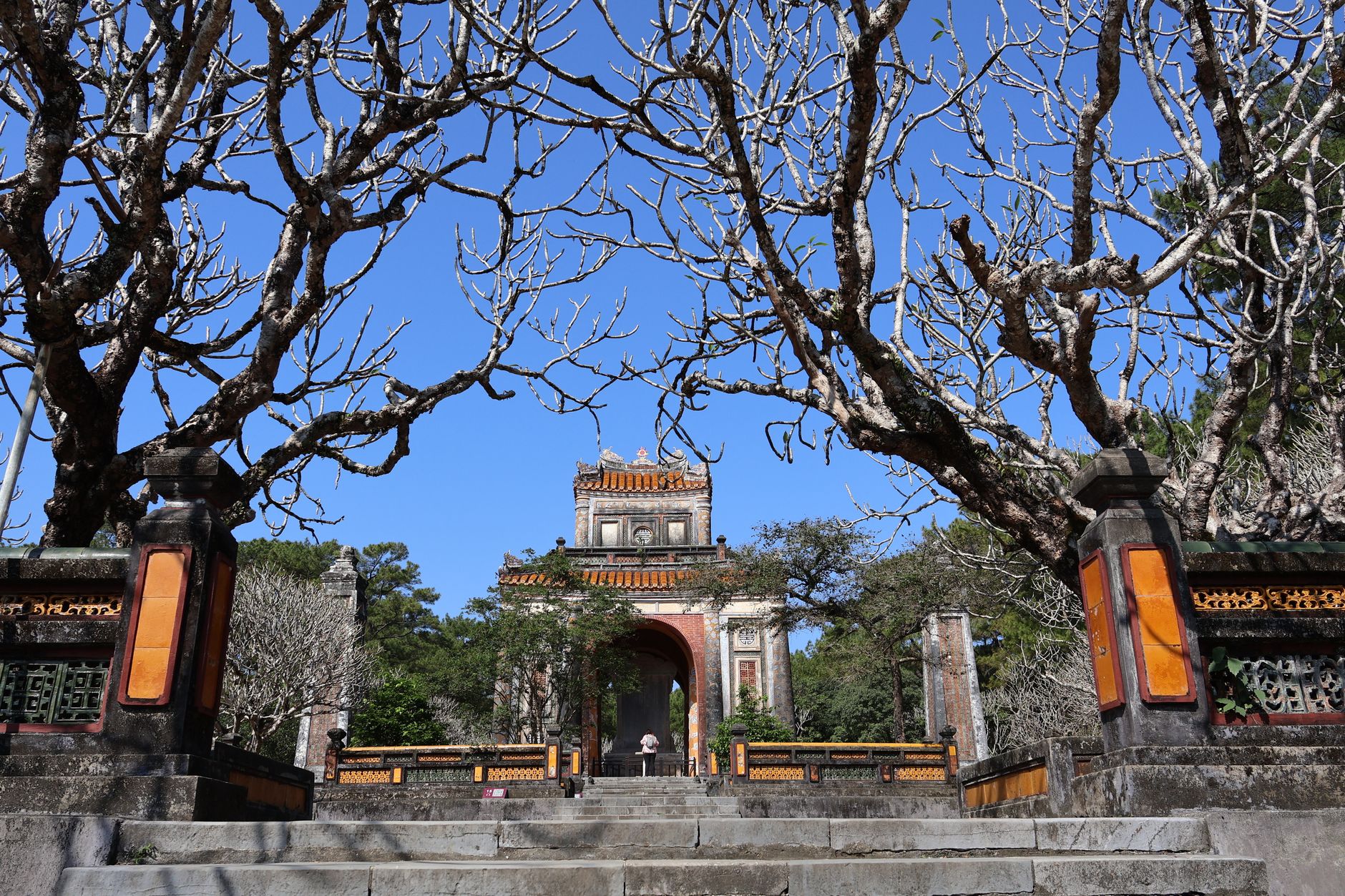
Two weeks is just enough time to link Vietnam (베트남 / 越南 / ベトナム)'s four best adventure zones into a single coherent trip: the karst plateau of Ha Giang, the cave systems of Phong Nha, the island waters around Cat Ba, and the mountain trails above Sapa. No single leg is filler — each one earns its place.
The Route at a Glance
Hanoi → Ha Giang (4 nights) → Hanoi → Phong Nha (퐁냐 / 峰牙 / フォンニャ) (3 nights) → Da Nang → Cat Ba (3 nights) → Hanoi → Sapa (2 nights) → Hanoi out. Domestic flights keep the transit days short; overnight buses are the budget alternative where noted.
Day 1 — Land in Hanoi, Eat, Sleep
Fly into Noi Bai, get to the Old Quarter, and do nothing ambitious. Grab a bowl of "pho" at Pho Thin on Lo Duc (around 60,000 VND) and walk the Long Bien Bridge at dusk if you have energy. Tomorrow is a full travel day.
Days 2–5 — Ha Giang: The Dong Van Loop
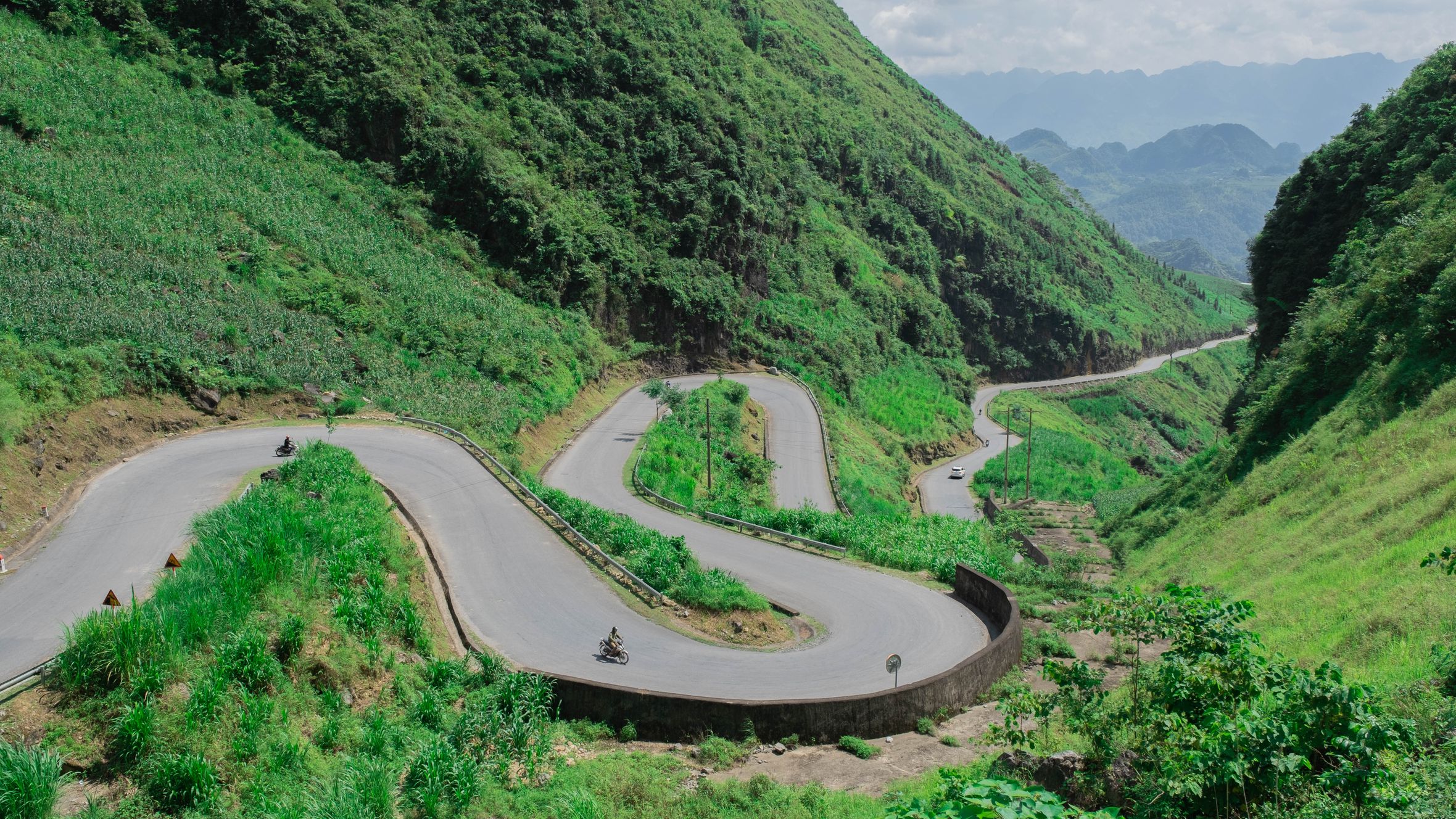
The limiter up here is transport. Rent a semi-automatic motorbike in Ha Giang city (around 150,000–200,000 VND per day) or hire a xe om driver if you are not confident on mountain roads. The Dong Van Karst Plateau Geopark circuit — roughly 350 km over three riding days — is the draw.
Day 2: Drive Ha Giang city to Yen Minh (about 100 km). The road climbs through the Ma Pi Leng Pass area on day 3, so ease in. Yen Minh has basic guesthouses for 150,000–250,000 VND a night.
Day 3: Yen Minh to Dong Van via the full Ma Pi Leng Pass. This is the headline stretch — the Nho Que River sits 800 m below the road on a clear day. Stop at the H'mong King's Palace (Dinh Vuong) in Dong Van. Altitude here is around 1,600 m; pack a layer.
Day 4: Dong Van to Meo Vac, then backtrack toward Quan Ba. Shorter riding day — use the afternoon to walk into a Hmong village outside Meo Vac rather than just ticking kilometers.
Day 5: Return to Ha Giang city, catch a late-afternoon limousine bus back to Hanoi (roughly 6 hours, 200,000–280,000 VND). Arrive Hanoi late evening.

Photo by Nguyen Ngoc Tien on Pexels
Day 6 — Transit: Hanoi to Phong Nha
The sleeper bus Hanoi–Phong Nha takes 9–10 hours and costs around 300,000–350,000 VND. Catch an evening departure and wake up at Phong Nha town. Alternatively, fly Hanoi–Dong Hoi (40 minutes) and taxi the 50 km to Phong Nha — faster but pricier.
Days 7–9 — Phong Nha: Underground Vietnam
Phong Nha-Ke Bang is the anchor of this leg. Three days is the minimum to do it properly.
Day 7: Paradise Cave (Thien Duong Cave) — book the 7 km extended tour rather than the standard 1 km boardwalk. The deep section is a different experience entirely: you are walking through a space 150 m wide and 80 m tall. Entry plus extended tour runs around 450,000 VND.
Day 8: Dark Cave (Hang Toi) combines zip-lining, kayaking into the cave entrance, and mud swimming in a single half-day package (around 450,000 VND). It sounds gimmicky; it is actually excellent. Book through Jungle Boss or Oxalis — both have solid safety records.
Day 9: Phong Nha Cave by boat, then rent a bicycle and ride the Ho Chi Minh Road north toward the Botanical Garden. The cave itself is touristed but the stalactite formations inside are legitimately impressive. Bike rental is around 50,000–80,000 VND for the day.
For "banh mi" and cheap "bun bo Hue" in town, the cluster of stalls near the Son River ferry landing charges 30,000–50,000 VND a bowl.
Day 10 — Transit: Phong Nha to Cat Ba
This is the longest transit of the trip. Train or bus to Da Nang, fly Da Nang–Hanoi (budget carriers, 45 minutes), then bus or hydrofoil Hanoi–Hai Phong–Cat Ba. Total: a full day. Consider booking the first flight of the morning out of Dong Hoi and overnighting near Cat Ba town to recover.
Photo by Nguyen Ngoc Tien on Pexels
Days 11–13 — Cat Ba: Sea Kayaking and Island Trails
Cat Ba sits at the southern end of Ha Long Bay. The crowds concentrate at Ha Long city; Cat Ba is quieter and has actual infrastructure for multi-day kayaking.
Day 11: Full-day kayak tour through Lan Ha Bay (the Cat Ba side of the karst water landscape). Paddle into floating fishing villages, through cave arches at low tide, and stop on a beach that does not appear on any signboard. A reputable tour runs 600,000–900,000 VND including lunch. Asia Outdoors has been operating here for years and their guides know the tides.
Day 12: Cat Ba National Park on foot. The Ngu Lam Peak trail (about 18 km round trip) is underrated — you gain 300 m of elevation through primary forest and reach a viewpoint over the bay. Start before 7 a.m. to avoid the heat. Park entry is 40,000 VND.
Day 13: Half-day kayak in the morning, afternoon free. Cat Ba town has decent seafood — grilled "goi cuon" wrappers with fresh crab at the market stalls near Ben Beo harbor, 80,000–120,000 VND per plate.
Day 14–15 — Sapa: Overnight Trek
Cat Ba to Hanoi by hydrofoil and bus (around 4 hours), then overnight train Hanoi–Lao Cai (8 hours, 300,000–500,000 VND for a soft-sleeper berth). You arrive Lao Cai at dawn, minibus up to Sapa.
Book a two-day, one-night homestay trek with a local guide from a Hmong or Dao community — the villages of Ban Ho and Ta Van are less trafficked than the Lao Chai route, which now gets heavy footfall. Expect to pay 700,000–900,000 VND per person for guide, meals, and basic accommodation. The trekking itself crosses rice terraces and stream crossings between villages; the elevation change is moderate (400–600 m) but the terrain is slippery after rain.
After the overnight, return to Sapa town, afternoon train back to Hanoi, and a final bowl of "bun cha" somewhere on Hang Manh before the flight out.
Practical Notes
Best months for this route are October–November (dry in the north and center, manageable heat) or March–April (before the northern summer rains). Ha Giang roads get dangerous in heavy rain — check conditions before riding. Budget travelers can do the full two weeks on roughly 12–15 million VND excluding international flights; mid-range with one or two domestic flights and private cave tours runs 20–25 million VND. Travel insurance with adventure sports cover is not optional on this itinerary.
Last updated · May 29, 2026 · independently researched, never sponsored.