Where to Stay on An Bang Beach, Hoi An: Hostels, Villas & Boutique Hotels
An Bang Beach offers three distinct accommodation tiers—budget hostels ($10–25/night), mid-range boutique guesthouses ($60–150), and private villas ($150–500+). Here's how to choose based on your trip.

An Bang Beach, 5 km north of Hoi An's Old Town, has become the quieter alternative to Cua Dai Beach. The sand is finer, the water stays clearer longer into the day, and there's less jet-ski noise. If you're choosing where to stay, the beach offers three price tiers—and each serves a different traveler.
Budget Hostels ($10–25 per night)
Hostels cluster in a loose strip along Nguyen Dinh Chieu Road, the main beach spine. Expect basic concrete rooms, cold-water showers, shared facilities, and occasionally noisy kitchens. The upside: you'll meet other travelers, staff usually know transport to Da Nang or Sapa tours, and nightly rates leave cash for meals.
Standard rooms in An Bang hostels run 200,000–500,000 VND ($8–22) for singles; dorms are 150,000–350,000 VND ($6–15). You get a fan or basic AC, a firm bed, and Wi-Fi that works most days. Bars attached to some hostels serve cheap "bia hoi" (draught beer) in the evenings, so the social scene is real—but also loud if you're an early sleeper.
Who stays here: backpackers doing the Hanoi (하노이 / 河内 / ハノイ)–Saigon loop, solo travelers, groups on a tight schedule.
Boutique Guesthouses & Mid-Range Hotels ($60–150)
This is where An Bang's charm emerges. Properties like Sunshine Hideaway and Belle Maison occupy the middle ground—stylish, small-scale, owner-run. Rooms have real windows, quality linens, air-con, and rain showers. Breakfast is often included (fruit, "banh mi (반미 / 越式法包 / バインミー)", Vietnamese coffee). Prices sit around 1.2–3 million VND ($50–130).
These places are bookable on Agoda or Booking; many don't have large websites. They're scattered across the beach and the village inland. The vibe is travelers-who-stayed-longer becoming semi-permanent residents—you'll find a library, a book-swap shelf, a small motorbike rental desk.
Who stays here: couples, small groups, remote workers, people taking a week off.
Private Villas & Beach Houses ($150–500+)
If you're renting for a week or longer, or traveling as a family, villas offer kitchens, multiple bedrooms, and private outdoor space. Most are inland or set back from the waterline, a 2–5 minute walk to sand. Expect 3–5 million VND ($130–220) nightly for a modest 2-bed villa; larger setups or beachfront positions climb to 10+ million VND ($400+) for July–August.
Villa rentals go through Airbnb, Booking, or direct WhatsApp contact with local agents (search "An Bang villa rental" on Facebook groups). Fewer tourists use this tier, so book early if traveling peak season (December–February, July–August).
Who stays here: families, groups of 4+, digital nomads with a budget, people who want to cook "ca tru" at home.

Photo by Quang Nguyen Vinh on Pexels
Why An Bang Beats Cua Dai
Cua Dai Beach, 2 km south of town, is more commercial—larger resorts, tour buses, paddleboard rentals, louder. An Bang is narrower and quieter; the sand slopes gently, making it safer for swimming. Cua Dai's nearness to the river mouth means cloudier water by mid-morning; An Bang stays clear until sunset. The trade-off: An Bang has fewer restaurants and beach bars—but that's why people go there.
Getting Around
Most travelers rent motorbikes (150,000–200,000 VND/$6–9 per day) or use Grab (ride-share app, ~60,000 VND/$2.50 to the Old Town). The beach is 15 minutes' walk from the main village, where you'll find pho (쌀국수 / 越南河粉 / フォー) shops, banh mi stalls, and a convenience store. There's no supermarket or pharmacy on the beach itself.
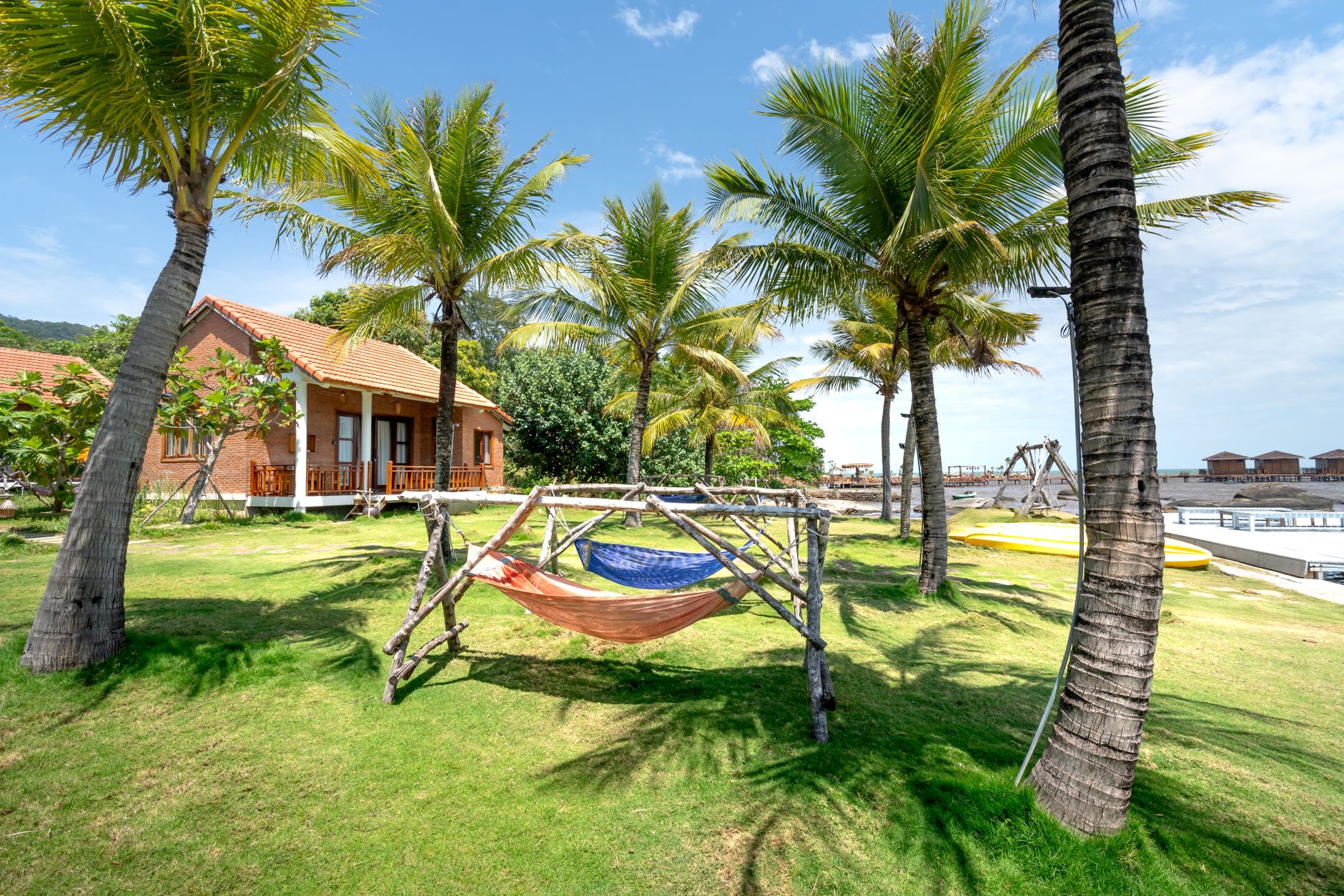
Photo by Quang Nguyen Vinh on Pexels
Season Matters
December–February is coolest and driest—peak season, prices up 20–30%. April–September is hot and humid; June–September sees occasional storms. Typhoon season (late October–November) is rare but possible; book refundable rates if visiting.
Practical notes
Book hostels and boutiques direct via their Instagram or email for discounts; villa rentals require 50% upfront, often non-refundable. An Bang has one ATM (withdrawal fee ~20,000 VND/$1) and minimal English signage outside the beach road. Arrive by noon or contact your place in advance if arriving after 5pm—some check-in windows close. If you're planning a longer Hoi An (호이안 / 会安 / ホイアン) stay, day-tripping from the Old Town to An Bang is easy, but staying overnight lets you catch sunrise and actually swim without tour crowds.
Going to Vietnam? Eat and travel smarter.
Monthly: new dishes, off-the-beaten-path destinations, and itineraries — straight to your inbox. No spam. Unsubscribe anytime.
Join 0 expats. (We just launched.)
More from Hoi An
Other articles covering this city.

Hoi An Old Town Walking Guide: Yellow Walls, Lantern Alleys, and the Japanese Bridge
A street-level route through Hoi An's UNESCO core — old merchant houses, assembly halls, the famous Japanese Bridge, and when to walk each stretch for the best light.
Best Tau Hu in Hoi An: Where Locals Send You
Tau hu—silky tofu soup—tastes different in Hoi An. Here's where locals actually eat it, and why.

5 Days in Vietnam During Monsoon Season: What Actually Works
A tested itinerary for traveling Vietnam in the wet season. Choose destinations that stay dry, time activities around rain patterns, and eat your way through slack-season food.
More from Central Vietnam
Other articles covering the same region.

Paradise Cave, Quang Binh: The 31km Marble Cave That Beats Phong Nha for Photographers
Paradise Cave runs 31km through Quang Binh's karst and delivers the kind of cathedral-scale formations that Phong Nha's boat tour simply can't match. Here's how to see it properly.

Son Doong Cave: What the $3,000 Oxalis Expedition Actually Includes
Son Doong is the world's largest cave and only one operator is legally allowed to take you inside. Here is what the permit-only expedition covers and whether it is worth it.

Phong Nha Cave: Wet Cave, Dry Cave, and How to Choose
Phong Nha has two main caves worth your time — one you reach by river boat, one on foot. Here's how to pick, what each costs, and when to go.
More in Travel Tips
More articles from the same category.

Bargaining in Vietnam: When to haggle, when to pay the asking price
Haggling is normal at markets and with cyclos, but not everywhere. Learn which settings expect negotiation, how much to push back, and where to just hand over your money.
Best Vietnam eSIM Providers 2026: Costs, Setup, and Real-World Tips
A practical breakdown of Vietnam's top eSIM options, real prices, and how to avoid common pitfalls when arriving with no local SIM.

Where to Stay in Saigon: District 1 vs District 3 vs District 7
Three neighborhoods, three vibes. Pick District 1 for backpackers and chaos, District 3 for quiet and value, or District 7 for modern expat comfort. Here's how each stacks up.

Where to Stay in Sapa: Town Center vs Cat Cat vs Ta Van
Sapa has three distinct bases: the foggy town center for convenience, Cat Cat village for quiet hilltop views, or Ta Van for homestay immersion. Pick based on whether you're chasing comfort or trekking.

Where to Stay in Can Tho: Ninh Kieu, Cai Rang, or Orchards
Can Tho's three main neighborhoods offer different angles on Mekong Delta life. Here's how to pick based on your priorities and budget.

Where to Stay in Hue: Citadel vs South Bank vs Beach
Hue splits into three distinct neighborhoods for travelers. Each offers different trade-offs between history access, dining, and atmosphere—here's how to choose.
Comments
Loading…