Vietnam Phone Numbers: Format, Prefixes, and How to Call
Vietnam uses the +84 country code. Here's how to dial locally, save contacts, and recognize mobile carriers by their prefix.

Understanding Vietnamese phone numbers
Vietnamese phone numbers have a simple structure, but there's one rule that trips up almost everyone: when you add the international dialing code, you drop the leading zero.
A typical Vietnamese mobile number looks like this: 098 1234 5678. That leading zero is only used for domestic calls. As soon as you're calling from abroad, you replace the 0 with +84 (Vietnam (베트남 / 越南 / ベトナム)'s country code), giving you +84 98 1234 5678.
For landlines, the same principle applies. A Hanoi number might be 024 3xxx xxxx domestically, or +84 24 3xxx xxxx internationally. The zero vanishes; the country code arrives.
Recognizing mobile carriers by prefix
Mobile numbers in Vietnam start with specific prefixes that indicate which carrier owns the line. This matters if you're buying a local SIM or saving contacts.
Viettel (state-owned, largest coverage): 098, 099 Mobi (MobiFone) (state-owned): 089, 090, 093 Vinaphone (state-owned): 091, 094 Vietnamobile (newer, smaller): 092, 186, 188
Landlines vary by region. Numbers in Hanoi (하노이 / 河内 / ハノイ) start with 024, Saigon with 028, Hue with 034, Da Nang with 036. But for most travelers and expats, you'll deal almost exclusively with mobile numbers.
Calling locally (within Vietnam)
If you have a Vietnamese SIM, calling another Vietnamese number is straightforward. Keep the leading zero. Dial the full number as written: 098 1234 5678, or 024 3xxx xxxx for a landline.
Text messages work the same way — use the zero.
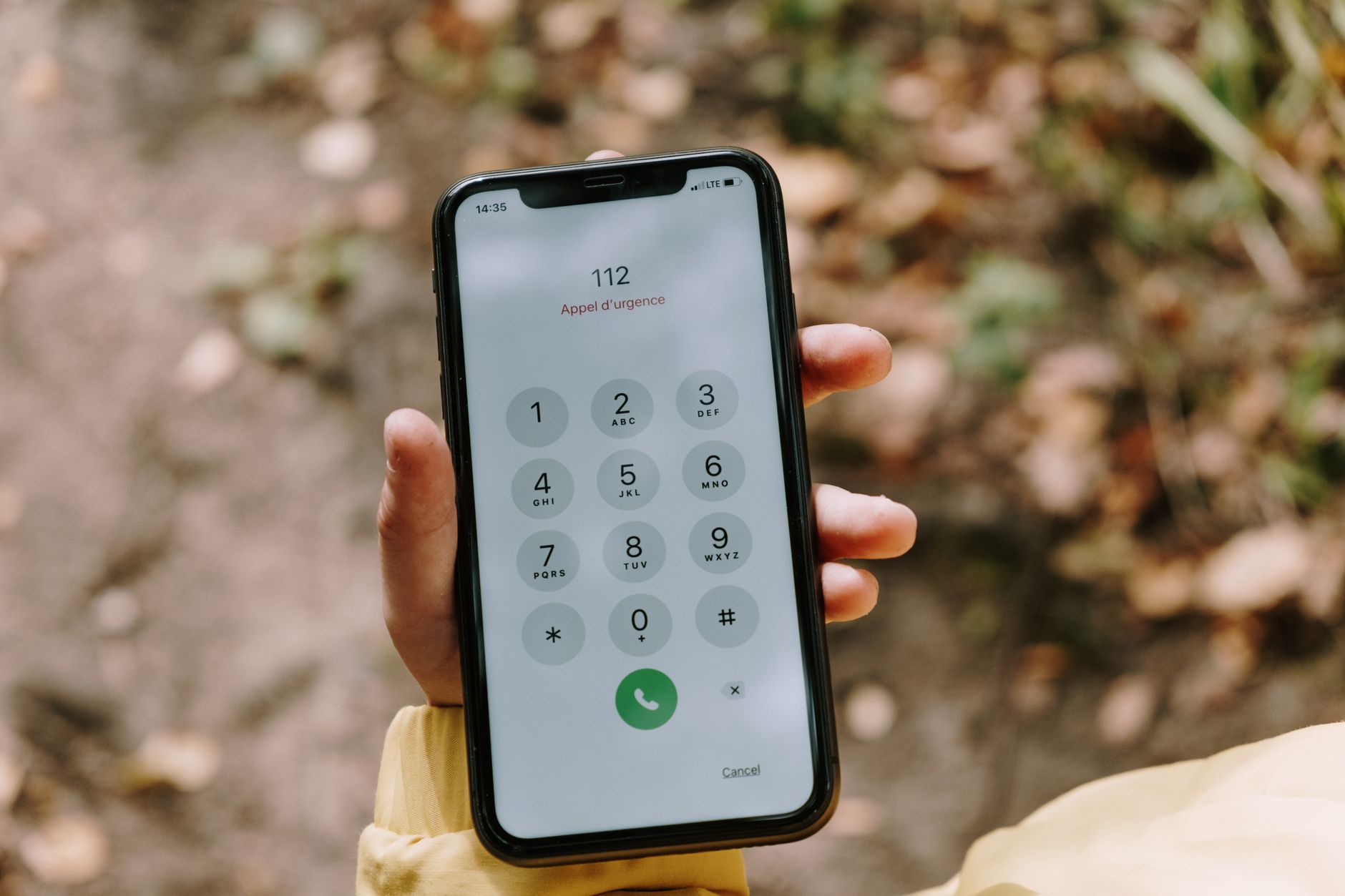
Photo by cottonbro studio on Pexels
Calling Vietnam from abroad
Drop the zero, add +84. So 098 1234 5678 becomes +84 98 1234 5678. You can dial this on WhatsApp, Viber, or any calling app that accepts international numbers. If you're calling from a phone with a traditional carrier, you may dial +84 98 1234 5678 or, in some countries, 011 84 98 1234 5678 (depending on your carrier's format).
Saving contacts the right way
If you're planning to stay in Vietnam or visit frequently, save numbers in full international format (+84 98 1234 5678). That way, when you travel back home, the number still works. You won't accidentally try to dial a zero-prefixed Vietnamese number from abroad and watch the call fail.
Many Vietnamese will give you their number with the leading zero — that's normal. Just mentally translate it: drop the zero, add +84.
Getting a local SIM
You can buy a prepaid SIM at the airport, any carrier shop (Viettel, Mobi, Vinaphone have stores in every city), or 7-Eleven. Viettel tends to have the best rural coverage. All three major carriers charge similar rates: around 50,000–100,000 VND ($2–4 USD) for a starter pack, which includes a number and some credit.
Activation takes a few minutes. You'll need to show your passport. Within an hour, you're calling and texting.
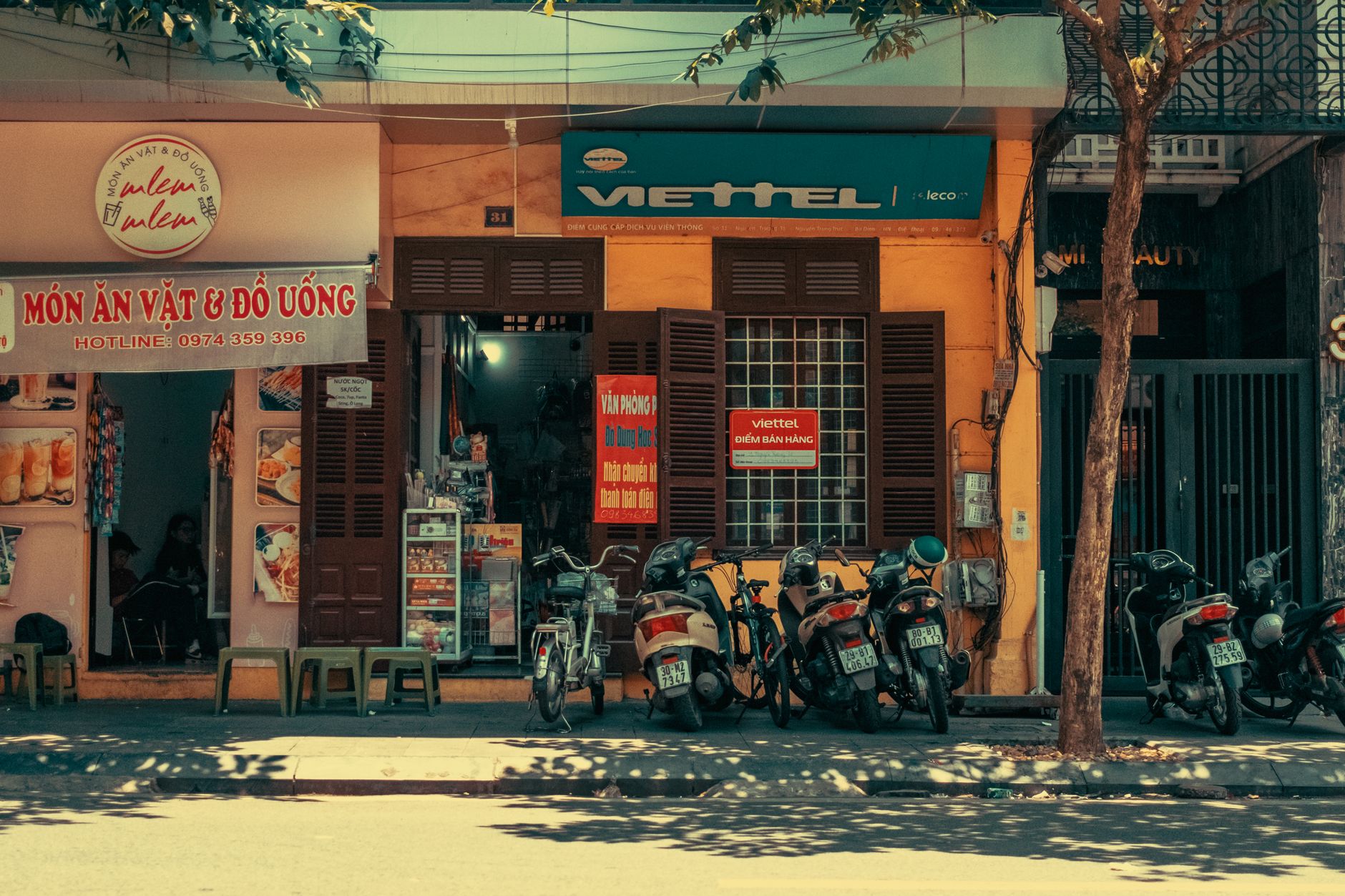
Photo by Quý Nguyễn on Pexels
Calling internationally from a Vietnamese number
To call abroad from Vietnam, dial +your-country-code (or the international prefix 00 + country code) and the number. A call to the US would be +1 followed by the area code and number. Rates on prepaid plans are typically 3,000–5,000 VND ($0.12–0.20 USD) per minute for calls to the US, Europe, or Australia, depending on the carrier and plan. Data is usually cheaper and more efficient — use WhatsApp, Viber, Messenger, or FaceTime over WiFi or mobile data instead.
Common confusion points
Zero or no zero? Domestic: keep it. International: drop it.
Can I use my home phone number? If your carrier offers international roaming, yes, but it's expensive. A local SIM is almost always cheaper and simpler.
Do I need WhatsApp or Messenger? Not required, but recommended for voice and video calls. Many Vietnamese use Viber or Zalo (a local messaging app) as well. WiFi calling through any of these apps avoids carrier charges entirely.
What if I dial a wrong number? You'll get a recorded message (in Vietnamese) saying the number doesn't exist or is unavailable. No charge usually applies for incomplete or failed calls on prepaid SIMs.
Practical notes
Save important numbers (hotels, restaurants, friends) in international format from day one. Buy a local SIM if you're staying more than a few days — it costs almost nothing and solves the calling problem. If you only need data and messaging, WiFi at your accommodation often suffices, though mobile data (4G) is cheap and reliable in cities.
Going to Vietnam? Eat and travel smarter.
Monthly: new dishes, off-the-beaten-path destinations, and itineraries — straight to your inbox. No spam. Unsubscribe anytime.
Join 0 expats. (We just launched.)
More from All of Vietnam
Other articles covering the same region.

Best Tau Hu in Hoi An: Where Locals Send You
Tau hu—silky tofu soup—tastes different in Hoi An. Here's where locals actually eat it, and why.

7 Days in Vietnam: A Yoga and Meditation Itinerary
A week-long route through Vietnam's quietest corners: Sapa's mountain silence, a meditation center in the Mekong, and coastal stillness in Da Lat. Real costs, transport, and retreat recommendations.

7 Days in Vietnam: A Solo Backpacker Itinerary
A tested week-long route through Hanoi, Ha Long Bay, and Saigon with budget lodging, street food, and overland transport. Real costs and booking tips included.
More in Travel Tips
More articles from the same category.

Where to Stay in Saigon: District 1 vs District 3 vs District 7
Three neighborhoods, three vibes. Pick District 1 for backpackers and chaos, District 3 for quiet and value, or District 7 for modern expat comfort. Here's how each stacks up.

Where to Stay in Sapa: Town Center vs Cat Cat vs Ta Van
Sapa has three distinct bases: the foggy town center for convenience, Cat Cat village for quiet hilltop views, or Ta Van for homestay immersion. Pick based on whether you're chasing comfort or trekking.

Where to Stay in Can Tho: Ninh Kieu, Cai Rang, or Orchards
Can Tho's three main neighborhoods offer different angles on Mekong Delta life. Here's how to pick based on your priorities and budget.

Where to Stay in Hue: Citadel vs South Bank vs Beach
Hue splits into three distinct neighborhoods for travelers. Each offers different trade-offs between history access, dining, and atmosphere—here's how to choose.

Vietnam Gift Culture: Red Envelopes, Lucky Money & Birthday Etiquette
Understanding "li xi", birthday cakes, and the unwritten rules of gift-giving in Vietnam—from Tet bonuses to wedding contributions.

Vietnam Tipping Guide by Service: What (and When) to Tip
Tipping isn't mandatory in Vietnam, but it's appreciated in certain services. Here's a breakdown of what to give—and what to skip—across hotels, taxis, tours, spas, and restaurants.
Comments
Loading…