Bac Giang: What to Do — A Traveler's Guide
Bac Giang is a quieter northern province with lychee orchards, ancient temples, and ceramic villages. Skip the generic tour packages; here's what actually matters.

Bac Giang province sits about 50 km northeast of Hanoi, often skipped by travelers rushing to Sapa or Ha Giang. That's the appeal: it's genuine, underpacked, and deeply rooted in Vietnamese craft and agriculture. You'll spend time in lychee fields, ceramic workshops, and pagodas that aren't mobbed with selfie sticks. Two to three days is ideal; one day works if you're day-tripping from Hanoi.
Top Sights
Bai Dinh Pagoda
One of Vietnam's largest Buddhist temples, Bai Dinh sits in Ninh Binh district (technically straddling Bac Giang and Ninh Binh provinces). The complex sprawls across a hillside with a 100-meter bronze Buddha statue, cave temples, and stupas. Admission is 100,000 VND. The hike to the upper temple takes 45 minutes; most tourists bus it. Go early (6–7 a.m.) to avoid crowds and catch the light on the valleys below. The temple is a genuine pilgrimage site—you'll see locals burning incense, not posing for photos.
Dong Xuan Communal House
In the old town of Bac Giang city, this 17th-century wooden communal house ("dinh") is still used for community rituals. It's not a museum; it's a living space. Locals manage it, and you may see them preparing for festivals. The architecture is intricate—carved wooden beams, a central altar, narrow passages. There's no formal entrance fee, but a small donation (50,000–100,000 VND) is respectful. The building feels like stepping into an earlier Vietnam, which is the whole point.
Hidden Gems
Lam Thao Ceramic Village
About 20 km from Bac Giang city, Lam Thao has been making ceramics for centuries. Unlike the tourist-heavy Bat Trang pottery village near Hanoi, Lam Thao is still a working community—kilns run, artisans throw clay, and you can buy directly from makers without markup. Stop by a family workshop (ask locals for directions; English signage is minimal). A small bowl costs 50,000–150,000 VND; larger pieces run 300,000+ VND. You'll watch the process, not just buy trinkets. Bring cash; most workshops don't take cards.
Yen Tu Mountain
A 40-minute drive southwest from the city, Yen Tu is a pilgrimage mountain with a network of hiking trails, ancient pagodas, and forested peaks. The main cable car takes you to the summit (1,000 meters), where a golden pagoda overlooks the Red River plain. Cable-car ticket: 160,000 VND (round trip). But skip the cable car and hike instead—the forest trails are quiet, and you'll pass smaller temples tucked into the trees. A 3–4-hour round trip to the top covers about 8 km. Bring water and snacks; services are sparse.
Lychee Orchards (Seasonal)
Bac Giang is famous for lychee—it grows about 30,000 tons annually. Late May to mid-June is harvest season. Visit an orchard in Thai Nguyen or Trai Cau districts and pick your own (many farms welcome visitors; ask your hotel). You'll taste lychees still warm from the branch, which tastes nothing like supermarket fruit. Expect to pay 100,000–200,000 VND per kg, or join a small group tour (300,000–500,000 VND per person). Outside harvest season, the orchards are still beautiful, but you won't get fresh fruit.
Cultural Experiences
Quan Ho Singing
Bac Giang is the heartland of "Quan Ho" singing—a traditional call-and-response folk tradition performed by men and women in alternating groups, usually during festivals. Tet and Mid-Autumn Festival are peak times, but you can sometimes catch rehearsals or informal gatherings at community centers. Ask your hotel or the provincial tourism office if any events are scheduled. It's hypnotic, melancholic, and distinctly northern Vietnamese.
Temple Festivals
If you're there during Hung Kings Festival (early April) or Tet, you'll see elaborate processions, ritual offerings, and temporary altars in town squares. These aren't put on for tourists—they're for the community. Arrive early, dress respectfully, and don't photograph during active rituals without permission.
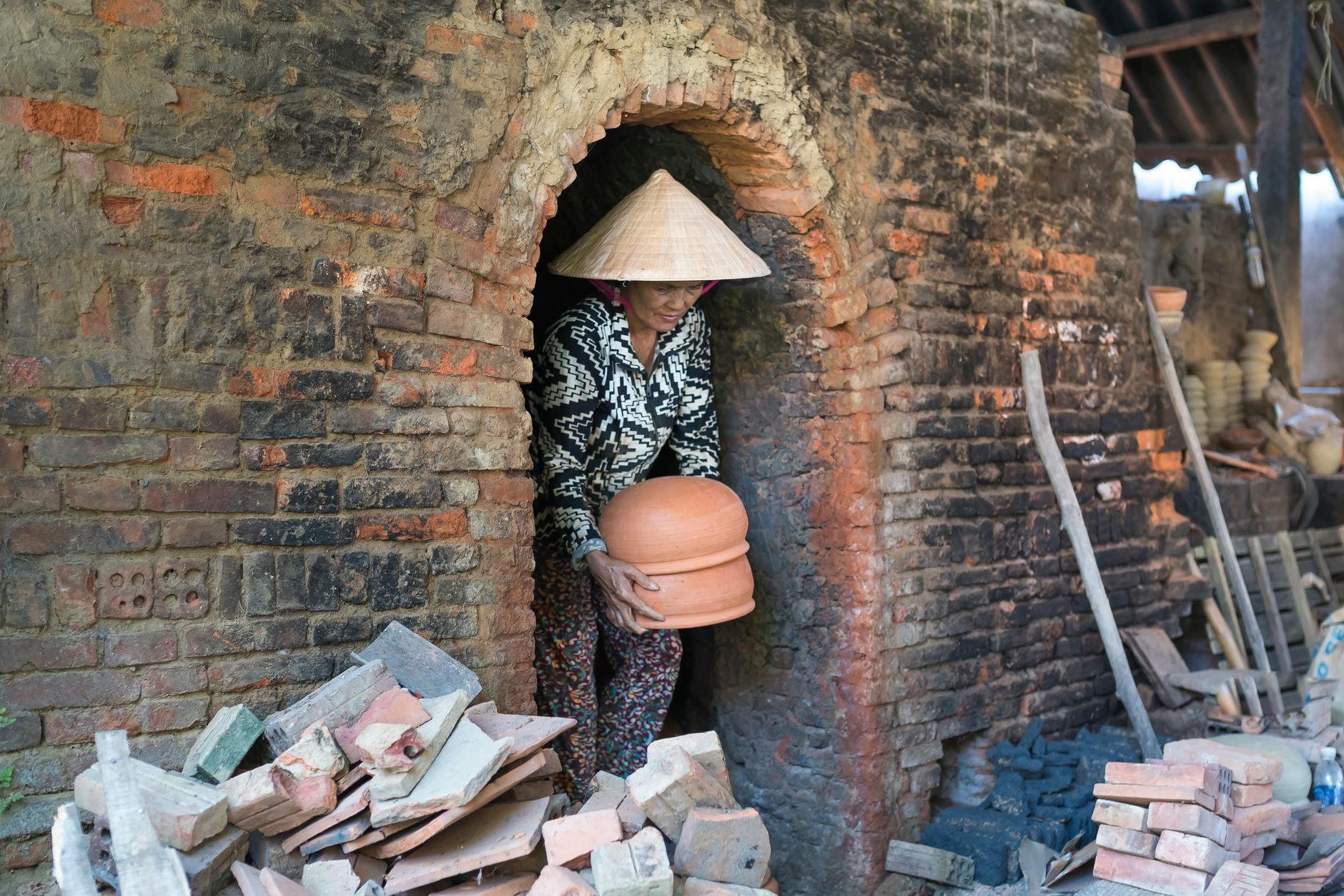
Photo by Quang Nguyen Vinh on Pexels
Outdoor Activities
Cycling
Rent a motorbike or bicycle from your hotel and loop through the countryside. A half-day route from Bac Giang city southwest toward Yen Tu covers rice paddies, small villages, and quiet roads. About 30 km round trip; mostly flat. Stop for coffee at a roadside stall (10,000–15,000 VND for egg coffee).
Kayaking on Thuong River
A few operators offer kayak tours on the Thuong River, which runs through limestone karst scenery. It's tamer than the dramatic Phong Nha landscape in Quang Binh, but beautiful and much quieter. Half-day tours cost around 1,000,000 VND for two people.
Day-Trip Ideas from Hanoi
Bac Giang works as a day trip if you're based in Hanoi. A typical itinerary: drive 50 minutes to Bai Dinh, spend 2 hours there, then head to Lam Thao for pottery and lunch (local "com tam" and grilled fish), then return by late afternoon. Many Hanoi tour operators offer this route for 500,000–800,000 VND per person.
Alternatively, hire a private driver for 1,000,000–1,500,000 VND for the day and build your own route.
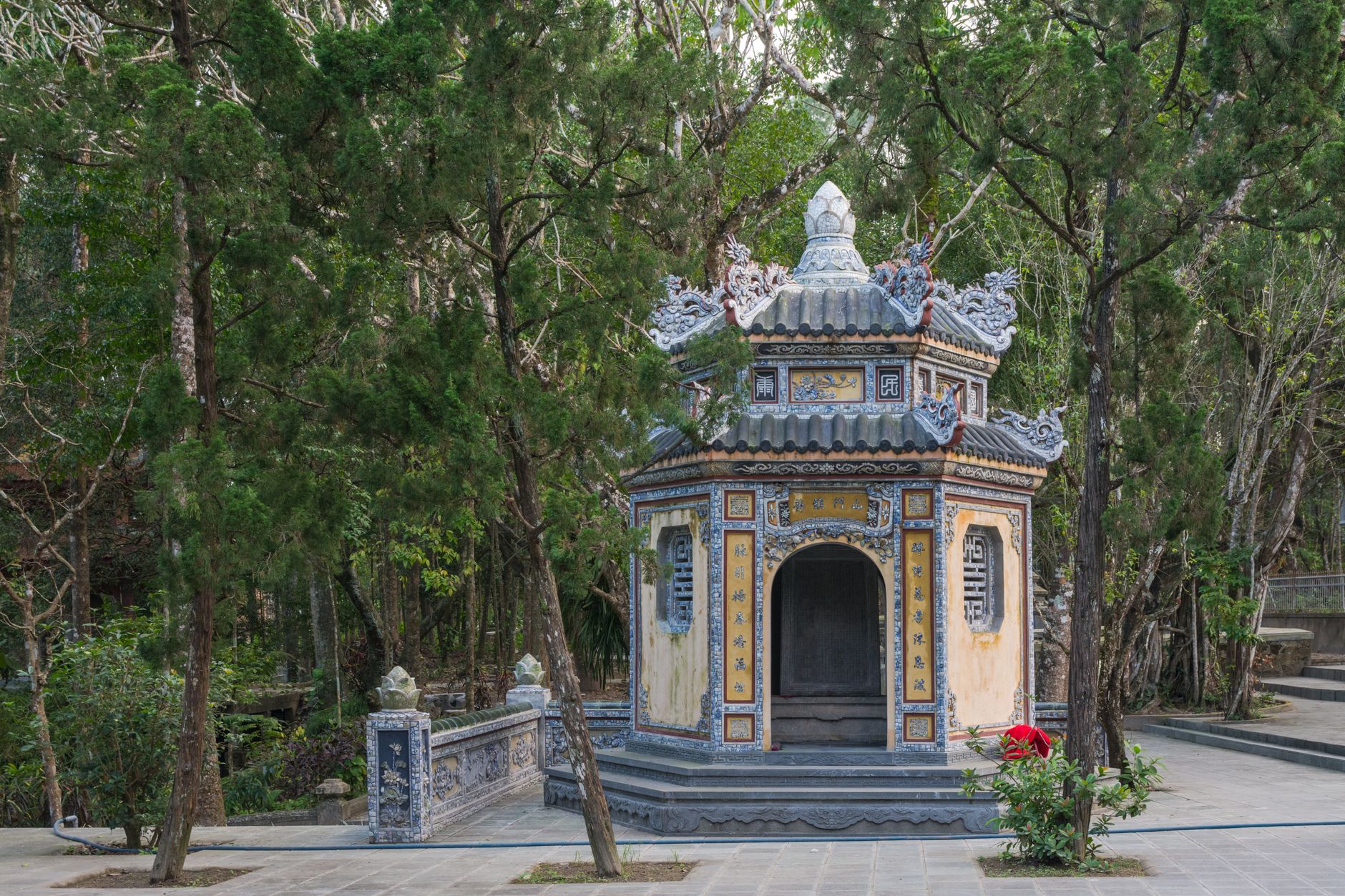
Photo by Ricardo Santanna on Pexels
What to Skip
Organized group tours—they're cookie-cutter, noisy, and skip the real parts of the province.
Generic souvenir shops in the city center—they sell the same "Made in China" items as every other town. Lam Thao workshops are infinitely better.
Bac Giang city itself beyond Dong Xuan—the downtown is unremarkable modern sprawl. Stay outside the city center or base yourself in Ninh Binh (30 km away) for better food and atmosphere.
Practical Notes
Bac Giang is easily reached by car or bus from Hanoi (1–1.5 hours). You can also take a local bus from Hanoi's Ngo Sy Lien or My Dinh station (40,000–60,000 VND, frequent departures). Most signs and menus are in Vietnamese only; downloading Google Translate offline will help. Guesthouses and budget hotels run 200,000–500,000 VND per night. No English-language tourism infrastructure, which is honestly the charm. Bring cash; ATMs exist but aren't everywhere in the countryside.
Going to Vietnam? Eat and travel smarter.
Monthly: new dishes, off-the-beaten-path destinations, and itineraries — straight to your inbox. No spam. Unsubscribe anytime.
Join 0 expats. (We just launched.)
More from bac-giang
Other articles covering this city.

Where to Stay in Bac Giang: Budget, Mid-Range & Luxury Options
Bac Giang is a quiet northern province best known for its lychee orchards and proximity to Ha Long Bay. Here's where to actually sleep when you're there—by neighborhood, price, and traveler type.

What to Eat in Bac Giang: A Traveler's Guide to North Vietnam's Overlooked Food Scene
Bac Giang is a province most travelers skip, which means authentic regional food stays cheap and unpretentious. Here's where locals actually eat.
More from Northern Vietnam
Other articles covering the same region.

Hoa Lu Ancient Capital: Vietnam's First Kingdom and How to Visit from Ninh Binh
Hoa Lu was Vietnam's first royal capital, and the two temple complexes that survive are among the most atmospheric historical sites in the north.

Hoan Kiem Lake: The Sword Legend, Ngoc Son Temple, and When to Visit
Hoan Kiem Lake sits at the center of Hanoi's Old Quarter — here's the legend behind it, how to walk it properly, and when the streets actually belong to you.

Lung Cu Flag Tower: Vietnam's Northernmost Point
The drive to Lung Cu Flag Tower takes you to Vietnam's northernmost point at 1,500 metres. It's a half-day trip from Dong Van with a steep climb, mountain views, and nearby Hmong villages.
More in Destinations
More articles from the same category.

Landmark 81 Saigon: Observation Deck, Ice Rink, and Getting There from District 1
Landmark 81 is Vietnam's tallest building and Saigon's most visible skyline anchor. Here's what's actually inside and whether it's worth the trip.

Bitexco Financial Tower: Skydeck, Helipad Bar, and Whether the Ticket Is Worth It
Saigon's most recognizable skyscraper charges 250,000 VND to ride up to the 49th floor — here's what you actually see, and whether you should bother.

Notre Dame Cathedral Saigon: French Colonial Centerpiece in the Heart of HCMC
Saigon's Notre Dame Cathedral has been wrapped in scaffolding for years, but the square in front of it remains one of the best starting points for a colonial-era walking tour of District 1.

Paradise Cave, Quang Binh: The 31km Marble Cave That Beats Phong Nha for Photographers
Paradise Cave runs 31km through Quang Binh's karst and delivers the kind of cathedral-scale formations that Phong Nha's boat tour simply can't match. Here's how to see it properly.

Son Doong Cave: What the $3,000 Oxalis Expedition Actually Includes
Son Doong is the world's largest cave and only one operator is legally allowed to take you inside. Here is what the permit-only expedition covers and whether it is worth it.

Phong Nha Cave: Wet Cave, Dry Cave, and How to Choose
Phong Nha has two main caves worth your time — one you reach by river boat, one on foot. Here's how to pick, what each costs, and when to go.
Comments
Loading…