Egg Coffee in Hanoi: Cafe Giang vs the New Wave
Egg coffee is a Hanoi original. We compare the iconic Cafe Giang with quieter alternatives like Cafe Dinh and Cafe Pho Co—and explain why this drink stays stubbornly northern.

The drink that arrived by accident
"Ca phe trung"—egg coffee (에그커피 / 蛋咖啡 / エッグコーヒー)—is not on menus in Saigon or Da Nang. You won't find it in Hue. It's Hanoi, and almost entirely a northern Hanoi thing. The story goes that in 1946, when fresh milk was scarce in the capital after the French left, a bartender at Cafe Giang (on Hang Manh Street in the Old Quarter) whisked egg yolks with sweetened condensed milk and poured hot "ca phe sua da" over it. The foam sat on top, silky and rich. It stuck.
Seventy-five years later, Cafe Giang is still there. So is the drink. But Hanoi (하노이 / 河内 / ハノイ) has added dozens of egg-coffee spots, some tourist-throttled, others genuinely good. If you're coming for the original or the quiet alternative, here's the lay of the land.
Cafe Giang: The Original (and the Crowds)
Cafe Giang occupies a narrow shophouse on Hang Manh Street, packed three tables deep most hours. The coffee costs 45,000 VND (about $2 USD). It's strong dark roast, poured over ice into a glass of condensed milk that's been whisked with egg yolk into foam. The foam is the point—creamy, sweet, almost custard-like when it's done right.
The coffee itself is decent but not exceptional. Cafe Giang sources it from a local roaster; it's nothing you couldn't get elsewhere. What you're paying for is the history and the experience of sitting in a 1940s cafe. The staff are brisk and used to tourists queuing out the door. In peak season (October–March), expect 20–30 minute waits and shoulder-to-shoulder seating upstairs.
If you want a photo and the story, go. If you want the best drink, skip ahead.
Cafe Dinh: The Quieter Original
About 200 meters away, also in the Old Quarter, Cafe Dinh is another early egg-coffee spot. It opened in the 1950s, run by the same family for three generations. The coffee is 40,000–50,000 VND depending on size. The space is tighter and darker than Giang—long and narrow, with a few low stools and maybe three tables. You'll rarely wait.
The egg foam here is thicker and more deliberately whipped. The coffee is darker and slightly more bitter, which works well against the sweetness of the yolk and condensed milk. If you ask for "ca phe trung nong" (hot egg coffee), they'll serve it warm, which is rarer in Hanoi but easier on the stomach early in the day.
Cafe Dinh doesn't advertise online. There are no photos on Instagram, no English menu, no staff trained in tour-group hospitality. The clientele is mostly locals and the occasional walker who found it by accident. That's its appeal.
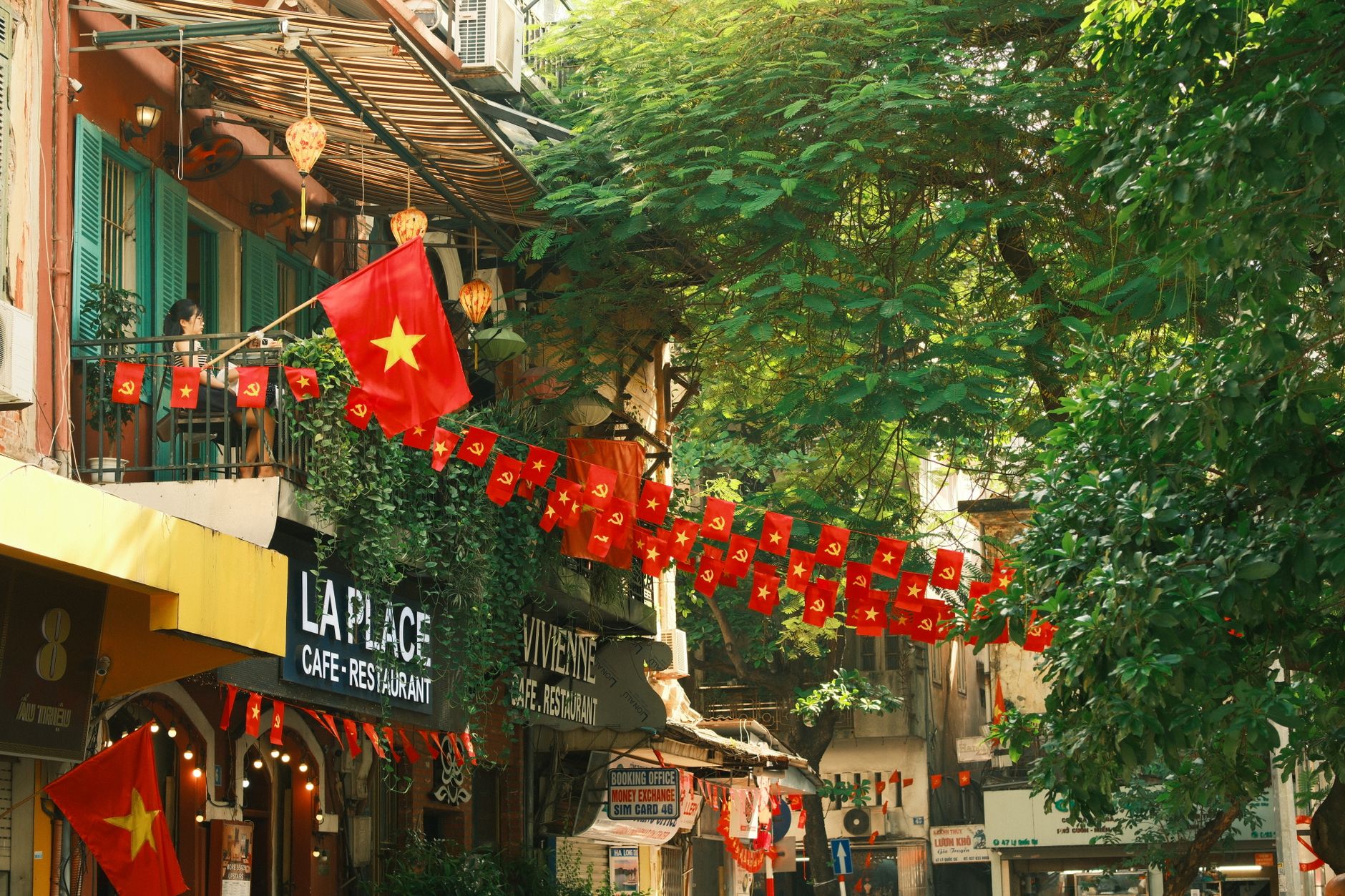
Photo by Thuan Pham on Pexels
Cafe Pho Co: The West Lake View
[Pho](/posts/pho-vietnam (베트남 / 越南 / ベトナム)-noodle-soup-guide) Co is a newer breed—opened in the early 2010s, styled as a minimalist cafe-gallery hybrid. It sits on Pho Co Street near West Lake, with a tall window and a view of the water. The coffee runs 55,000–65,000 VND. The egg foam is made with quail-egg yolks (some say they're richer) and the roast is lighter, almost medium brown.
The drink here is smoother and less aggressive than Cafe Giang or Cafe Dinh. It lands somewhere between a cappuccino and a dessert. The space is clean, quiet, and full of young Hanoi professionals on laptops. The wait is usually short. If you want to sit for an hour and work, this is your spot; at Cafe Giang, you'd feel rushed.
Pho Co also sells filter coffee (traditional "ca phe sua da (연유커피 / 越南冰咖啡 / ベトナムアイスコーヒー)") and iced tea. The food is limited to small cakes. It's more cafe-culture than historic monument.
Aiya: Specialty Roast, Minimalist Approach
Aiya, also near West Lake but newer (mid-2010s), sources its own beans—a single-origin Vietnamese coffee (베트남 커피 / 越南咖啡 / ベトナムコーヒー) roasted lighter than the Old Quarter standard. The egg foam is made with egg whites (not the yolk-based versions at other spots), creating a mousse that's airy rather than creamy. The drink costs 60,000–70,000 VND.
This is egg coffee for people who also care about third-wave coffee. It's not traditional, but it's deliberate. The space is sparse, wooden, Instagram-friendly. Younger visitors and expatriates dominate the crowd. Aiya also does pour-overs and espresso drinks if you want to skip the egg altogether.
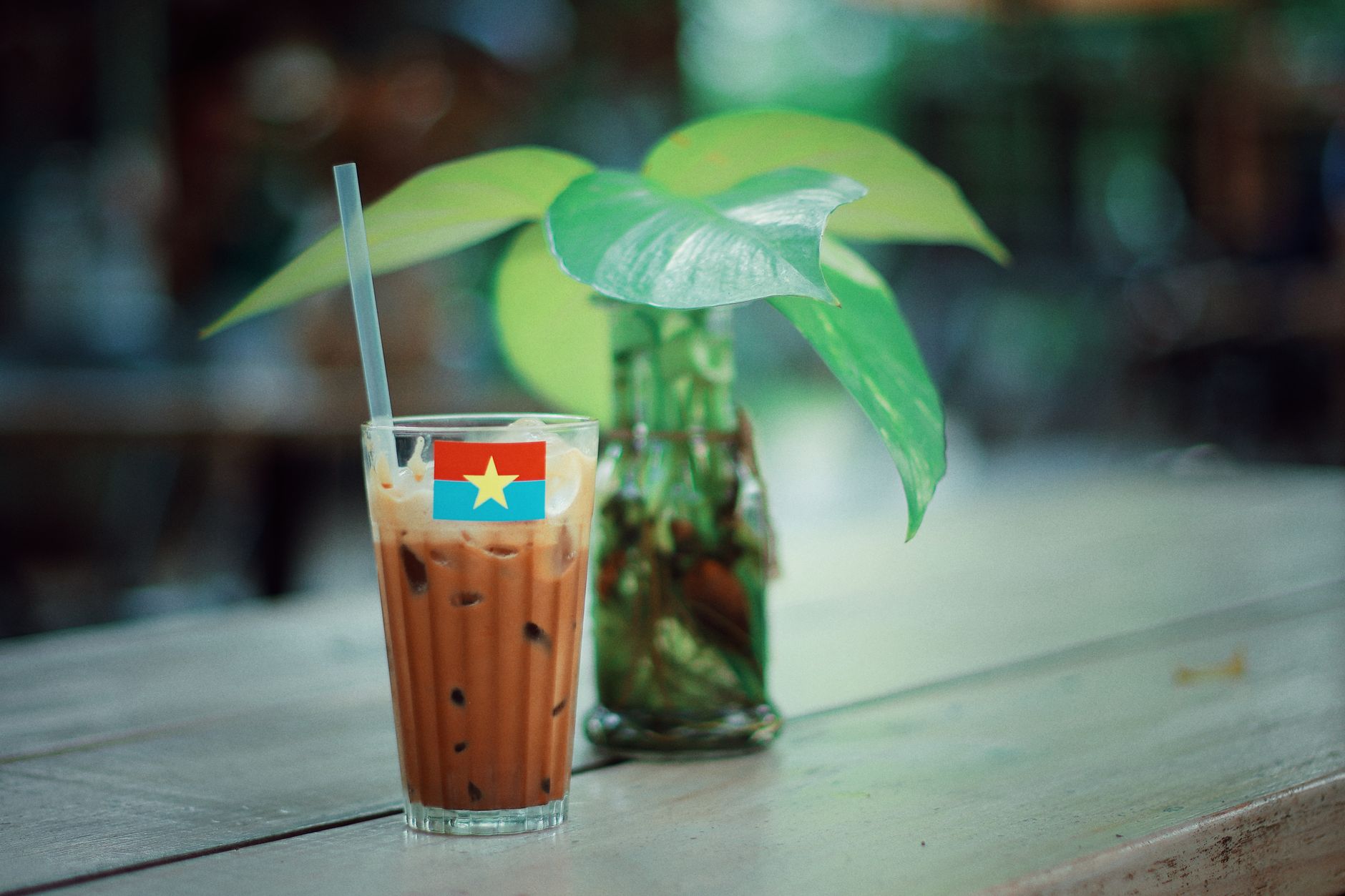
Photo by 🇻🇳🇻🇳Nguyễn Tiến Thịnh 🇻🇳🇻🇳 on Pexels
How It's Made (and Why Egg)
The recipe is simple: whisk one or two egg yolks with 1–2 tablespoons of sweetened condensed milk (and sometimes a pinch of sugar) until pale and foamy. Pour hot (or iced) black coffee over the mixture. The yolk emulsifies with the condensed milk, creating a silky mouthfeel. It's richer than milk alone and sweetens the coffee without added sugar.
Egg was a clever substitute when dairy milk wasn't available. But it also became a flavor thing: the yolk adds fat and richness that cows' milk doesn't quite match. It coats your mouth. The foam gives you texture. In a culture of small, strong coffee, it transforms a shot into something closer to a dessert.
Why doesn't egg coffee spread south? Partly inertia—northern coffee culture is distinct and insular. Partly climate: egg sits better in Hanoi's cool winters. But mostly it's just that Saigon (사이공 / 西贡 / サイゴン) developed its own cafe identity (faster pace, sweeter drinks, less emphasis on ritual). Egg coffee never took root there, so it never became normal.
Which One to Visit
If history matters to you and crowds don't bother you: Cafe Giang. The original location, the real story, the photo op.
If you want the original experience without the tourists: Cafe Dinh. Same era, better coffee arguably, almost empty.
If you want to sit for a while and like the view: Cafe Pho (쌀국수 / 越南河粉 / フォー) Co. Clean, quiet, modern, near West Lake.
If you care about the coffee quality as much as the egg: Aiya. Lighter roast, higher price, third-wave sensibility.
All four make the drink competently. The difference is atmosphere, crowd, and how seriously they take the coffee bean itself. Pick based on what you want from a morning or afternoon in Hanoi.
Practical notes
Egg coffee is sweet and heavy. It's best drunk in the morning or as an early-afternoon treat, not after lunch. Cafe Giang and Cafe Dinh take cash (VND) only; Cafe Pho Co and Aiya accept cards. The Old Quarter cafes get slammed between 9 a.m. and noon on weekends.
Going to Vietnam? Eat and travel smarter.
Monthly: new dishes, off-the-beaten-path destinations, and itineraries — straight to your inbox. No spam. Unsubscribe anytime.
Join 0 expats. (We just launched.)
More from Hanoi
Other articles covering this city.

Hoan Kiem Lake: History, Temples, and the Best Time to Walk
The turtle legend, Ngoc Son Temple, and a 2-km loop around Hanoi's most visited lake. Best visited early morning or when Old Quarter streets close to cars.

7 Days in Vietnam: A Yoga and Meditation Itinerary
A week-long route through Vietnam's quietest corners: Sapa's mountain silence, a meditation center in the Mekong, and coastal stillness in Da Lat. Real costs, transport, and retreat recommendations.

7 Days in Vietnam: A Solo Backpacker Itinerary
A tested week-long route through Hanoi, Ha Long Bay, and Saigon with budget lodging, street food, and overland transport. Real costs and booking tips included.
More from Northern Vietnam
Other articles covering the same region.

Lung Cu Flag Tower: Vietnam's Northernmost Point
The drive to Lung Cu Flag Tower takes you to Vietnam's northernmost point at 1,500 metres. It's a half-day trip from Dong Van with a steep climb, mountain views, and nearby Hmong villages.

Hoa Lu Ancient Capital: Vietnam's First Kingdom and How to Visit from Ninh Binh
Hoa Lu was the seat of Vietnam's first independent dynasties in the 10th century. Two surviving temples anchor a quiet bike ride through rice fields just outside Ninh Binh.

Best Pho Chua in Ha Giang: Where Locals Send You
Ha Giang's take on sour pho is sharper, tangier, and less known than the southern version. Here's where locals actually eat it.
More in Food & Drink
More articles from the same category.

Best Pho Saigon in Ho Chi Minh City: Where Locals Send You
Pho Saigon is thinner, sweeter, and faster than its northern cousin. Here's where to find the real thing in HCMC, plus what makes it different and how to order.

Best Banh Xeo in Nha Trang: Where Locals Send You
Nha Trang's banh xeo scene is rowdier and greasier than the south. Here's where locals actually eat, what to order, and why the crispy rice pancakes here taste different.

Best Banh Nam in Hue: Where Locals Send You
Hue's version of "banh nam" is a steamed rice cake pocket stuffed with shrimp and pork—nothing like its northern cousin. Here's where locals actually eat it.

Best Banh Uot Thit Nuong in Buon Ma Thuot: Where Locals Send You
Banh uot thit nuong — steamed rice rolls with grilled pork — is a breakfast staple in Buon Ma Thuot's Central Highlands. Here are the spots locals actually eat.

Best Banh Canh Ca in Da Nang: Where Locals Send You
Da Nang's version of "banh canh ca" — thick tapioca noodles in crab broth — tastes different from Hanoi or Saigon. Here's where locals actually eat it, what to order, and why timing matters.

Best Muc 1 Nang in Mui Ne: Where Locals Send You
Muc 1 nang—grilled squid stuffed with herbs and meat—reaches its peak in Mui Ne. Here's where locals actually eat it, what to order, and why this coastal town makes it better than anywhere else.
Comments
Loading…