Dien Bien Phu: What to Do & Where to Go
Dien Bien Phu is a quiet town in Vietnam's far northwest, best known for its history and mountain scenery. Here's what actually merits your time—and what doesn't.

Dien Bien Phu sits in a valley 470 km west of Hanoi, surrounded by limestone hills and rice fields. Most tourists arrive for a specific reason: to see the famous battleground museum, trek in the surrounding peaks, or use it as a base for exploring ethnic minority villages. Unlike a beach resort or crowded heritage city, Dien Bien rewards patience and a willingness to move slowly.
The Battle Site & Museum
The Dien Bien Phu Museum occupies the most central and obvious attraction. Housed in a colonial-era French building, it displays military artifacts, photographs, and dioramas documenting the 1954 siege. The experience is straightforward and historically important, but don't expect depth or nuance—it's a wartime monument, not a critical historical institute. The hilltop cemetery and bunker reconstructions behind the museum are genuinely moving if you spend time there rather than rushing through.
Entry is 30,000 VND; English signage is minimal, so hire a local guide (100,000–150,000 VND for a 2-hour walkthrough) to get real context. Morning light is better for photography.
Skip the museum shop entirely—the branded merchandise is overpriced and low-quality.
Outdoor Activities
Trekking in the surrounding hills
The real draw for most travelers. Dien Bien is ringed by karst and limestone ridges, dotted with villages of Thai, Tay, and Hmong ethnic groups. Multi-day treks (2–3 days) are common, passing through rice paddies, bamboo groves, and homestays where families still practice traditional weaving and agriculture.
Reputable guides: ask at your hotel or contact local trekking agencies like Dien Bien Travel or Topas. Prices run 600,000–900,000 VND per person per day (3+ people), including meals and accommodation. Start early in the day to avoid afternoon heat and arrive at villages before dark.
Best trekking season: October through April. May–September brings monsoon rain and leeches.
Cycling
The road network around Dien Bien is improving, and motorbike or bicycle tours are increasingly popular. A gentle loop through nearby villages (15–25 km) takes a full day with stops for coffee, lunch, and village visits. Rent a motorbike from your guesthouse (80,000–120,000 VND/day) or hire a driver with a motorbike taxi (200,000–250,000 VND/day for a guide).
Cultural Experiences
Ethnic minority village visits
Dien Bien's surrounding communes are home to Thai, Tay, Hmong, and Dao peoples. Many villages welcome overnight homestays; you'll help with cooking, learn about traditional crafts, and eat communal meals. The experience is quieter and more authentic than tourist-heavy areas farther south.
Popular homestays: Ban Lao (Thai village, ~20 km south), Ban Nam Khat (Hmong, ~25 km east). Book through your hotel or a trekking guide; expect 300,000–400,000 VND including meals.
Sunday markets
Dien Bien town's main market operates daily but draws the largest crowds on Sunday mornings when ethnic minorities from surrounding villages sell produce, textiles, and livestock. It's chaotic and real—no stage setup for tourists. Go early (6–8 am), bring cash in small denominations, and be respectful about photography.
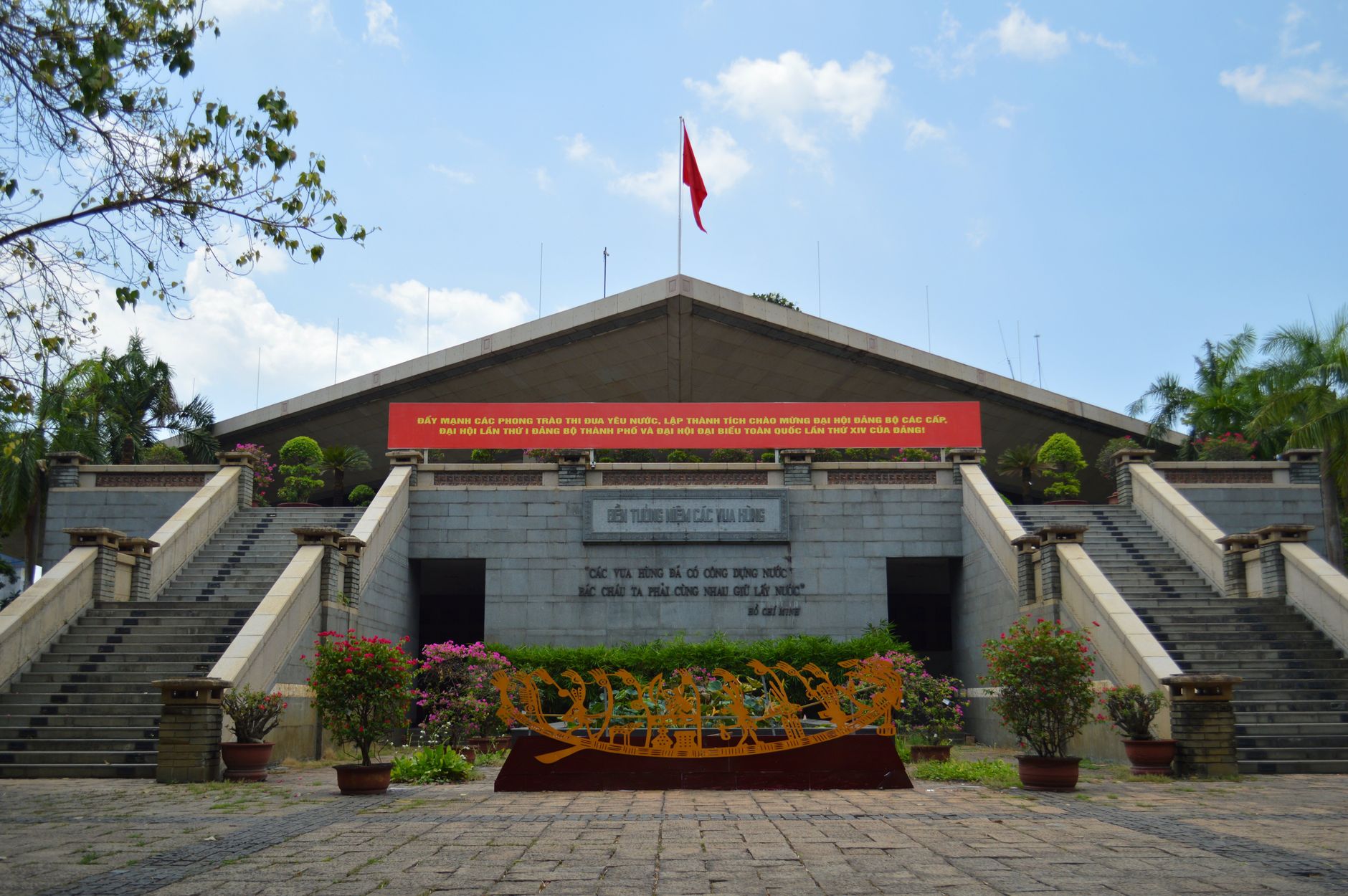
Photo by Valeria Drozdova on Pexels
Hidden Gems
Muong Thanh Valley
The valley floor itself is peaceful, especially at dawn or dusk when mist settles between the hills. Take a simple walk or motorbike ride through rice fields north of the town center. Few tourists venture here, and it's where locals actually live and work.
Tuan Giao District
About 70 km south of Dien Bien town, this district is less visited but equally stunning—rolling hills, tea plantations, and even quieter villages. It requires a motorbike or arranged transport, but the ride is scenic and the final payoff (a riverside lunch at a local "nha hang") is worth it.
Pha Din Pass
The mountain pass between Dien Bien and Lai Chau province is a dramatic ride. The road is now well-paved, and the viewpoint near the summit (1,000 m elevation) offers panoramic valley views. Stop for photos or a roadside drink; locals sell cold drinks and snacks at the top.
Day Trips
Lai Chau Province (1–2 days)
A 90 km motorbike ride north brings you to Lai Chau town and the turquoise waters of the Dien Bien–Lai Chau border region. It's underdeveloped for tourism and feels genuinely remote. Only attempt this with a guide if you're confident with motorbike travel.
Ban Lao (Thai village, full day)
A 20 km motorbike trip south from Dien Bien town, this Thai village is picturesque and authentic without being overly curated for tourists. Eat lunch with a local family (arrange via your hotel), then return by late afternoon.
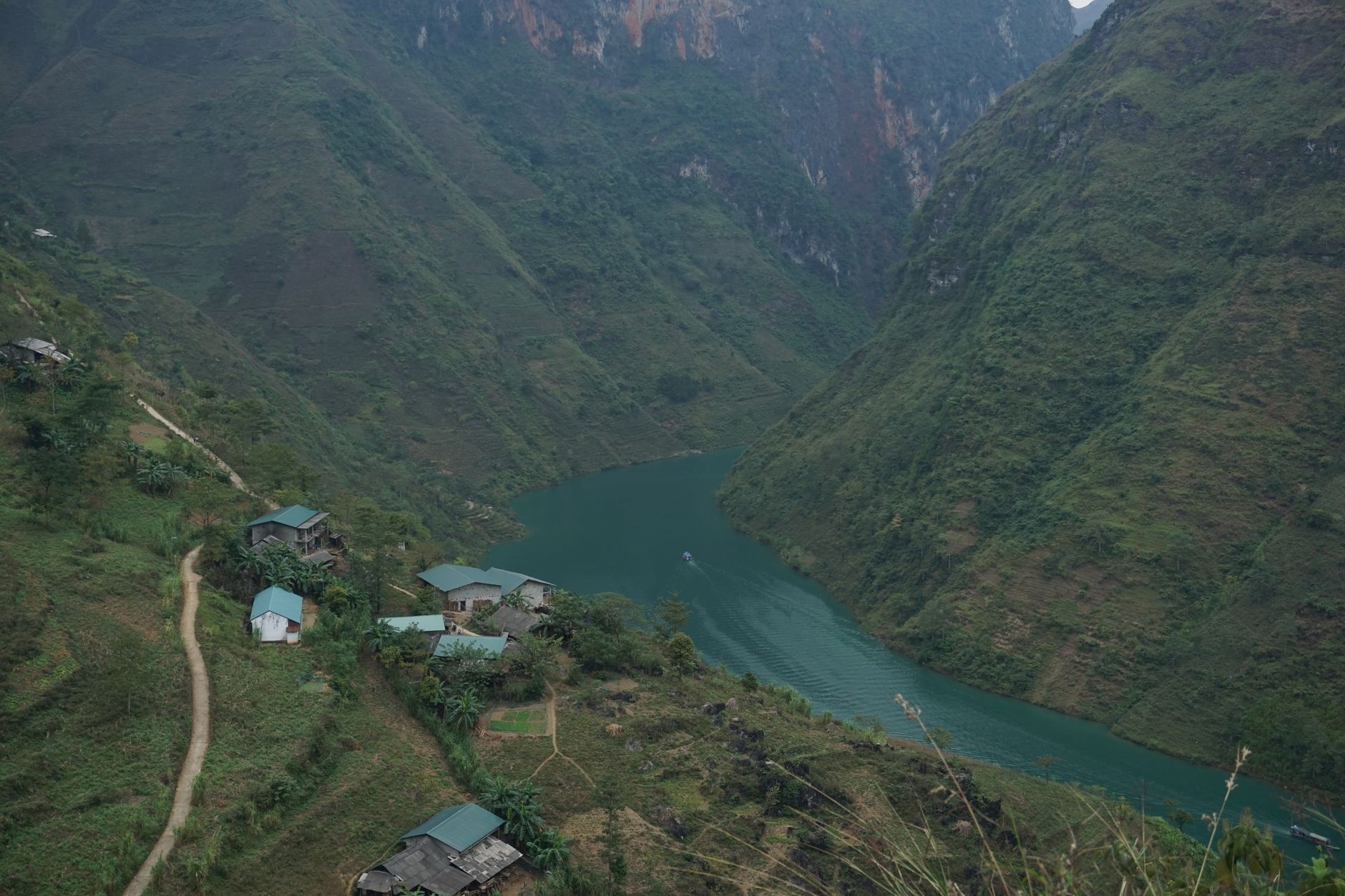
Photo by Claire Dao on Pexels
What to Skip
Souvenir stalls near the museum. Identical low-quality trinkets at inflated prices.
Organized night markets (if advertised to tourists). They're fake. Stick to the real Sunday market.
Multi-day tours marketed as "ethnic immersion." Homestays are better booked independently; tour operators often overprice and oversell.
Overstaying Dien Bien town itself. The town center has a few decent pho shops and guesthouses, but it's not inherently interesting. Use it as a base to explore the valleys and villages, not as a destination unto itself.
Where to Eat
Pho 2000 (corner of Muong Thanh St). Simple, clean, good beef pho (35,000 VND). Locals eat here.
Com tam shops along the main street. Broken-rice plates with grilled meat, 30,000–40,000 VND. Lunch only.
Dien Bien Restaurant (near the museum). Tourist-oriented, but the "special Dien Bien" grilled fish is solid. Mains 80,000–120,000 VND.
Homestays and village meals. The best food is shared meals with Thai or Hmong families during treks or overnight visits.
Practical Notes
Dien Bien town is small and walkable; most guesthouses cluster near the museum and market. Allow 3–4 days minimum to explore the surrounding hills without feeling rushed. The town has an ATM (ask at reception), but bring cash—not all guesthouses accept cards. Minibuses from Hanoi take 10–12 hours; buses from Sapa (240 km) take 8 hours on a winding mountain road. Vietnamese coffee culture thrives here; the local brew is strong and cheap. Expect mid-range guesthouses (150,000–300,000 VND/night) rather than luxury resorts—Dien Bien is not a pampered destination, and that's the point.
Going to Vietnam? Eat and travel smarter.
Monthly: new dishes, off-the-beaten-path destinations, and itineraries — straight to your inbox. No spam. Unsubscribe anytime.
Join 0 expats. (We just launched.)
More from dien-bien
Other articles covering this city.
How to Get to Dien Bien: Transport Guide from Hanoi, Saigon & Da Nang
Dien Bien sits in Vietnam's remote northwest. Here's how to reach it by bus, plane, motorbike, or train — plus costs, times, and realistic tips for each route.

What to Eat in Dien Bien: Local Dishes, Markets & Where Locals Actually Eat
Dien Bien's food reflects its mountain location and Tai, H'Mong, and Kinh influences. Here's where to find regional specialties, market eats, and meals that won't empty your wallet.
More from Northern Vietnam
Other articles covering the same region.

Hoa Lu Ancient Capital: Vietnam's First Kingdom and How to Visit from Ninh Binh
Hoa Lu was Vietnam's first royal capital, and the two temple complexes that survive are among the most atmospheric historical sites in the north.

Hoan Kiem Lake: The Sword Legend, Ngoc Son Temple, and When to Visit
Hoan Kiem Lake sits at the center of Hanoi's Old Quarter — here's the legend behind it, how to walk it properly, and when the streets actually belong to you.

Lung Cu Flag Tower: Vietnam's Northernmost Point
The drive to Lung Cu Flag Tower takes you to Vietnam's northernmost point at 1,500 metres. It's a half-day trip from Dong Van with a steep climb, mountain views, and nearby Hmong villages.
More in Destinations
More articles from the same category.

Landmark 81 Saigon: Observation Deck, Ice Rink, and Getting There from District 1
Landmark 81 is Vietnam's tallest building and Saigon's most visible skyline anchor. Here's what's actually inside and whether it's worth the trip.

Bitexco Financial Tower: Skydeck, Helipad Bar, and Whether the Ticket Is Worth It
Saigon's most recognizable skyscraper charges 250,000 VND to ride up to the 49th floor — here's what you actually see, and whether you should bother.

Notre Dame Cathedral Saigon: French Colonial Centerpiece in the Heart of HCMC
Saigon's Notre Dame Cathedral has been wrapped in scaffolding for years, but the square in front of it remains one of the best starting points for a colonial-era walking tour of District 1.

Paradise Cave, Quang Binh: The 31km Marble Cave That Beats Phong Nha for Photographers
Paradise Cave runs 31km through Quang Binh's karst and delivers the kind of cathedral-scale formations that Phong Nha's boat tour simply can't match. Here's how to see it properly.

Son Doong Cave: What the $3,000 Oxalis Expedition Actually Includes
Son Doong is the world's largest cave and only one operator is legally allowed to take you inside. Here is what the permit-only expedition covers and whether it is worth it.

Phong Nha Cave: Wet Cave, Dry Cave, and How to Choose
Phong Nha has two main caves worth your time — one you reach by river boat, one on foot. Here's how to pick, what each costs, and when to go.
Comments
Loading…