Dien Bien: Best Time to Visit — Weather, Crowds, and Seasons
Dien Bien's weather shifts dramatically across seasons. October to November offers cool, clear skies and the lowest crowds; May to September brings rain and heat. Plan around festivals, trekking conditions, and your tolerance for tourists.

Dien Bien Phu sits in northwestern Vietnam's mountains, 480 km from Hanoi. Its weather is far from stable — monsoons, fog, and cool mountain nights mean timing matters more here than in warmer lowland regions. The tourist season is tighter and shorter than the rest of Vietnam.
October to November — the sweet spot
This is when Dien Bien feels most livable. Temperatures drop to 15–22°C, humidity is low, and the sky stays clear. Rice paddies are at their greenest, and trekking conditions are near-perfect. Visibility in the hills is excellent, so if you're hiking around Muong Thanh Valley or up to Pa Khoang Pass, you'll see where you're walking.
Crowds are moderate but manageable. You'll see other backpackers, mostly Westerners and Southeast Asian visitors, but not the dense tour-bus chaos of Hanoi. Guesthouses fill 60–70% capacity; you can still book a room same-day at small hotels around the main road (Nguyen Hue Street, near the market).
Harvest season means local food is abundant — fresh corn, root vegetables, and sticky rice from autumn crops. Prices on street food stay stable.
December to February — cold and clear
Winter in Dien Bien isn't extreme, but it's cold for Vietnam. Expect 8–18°C. Mornings are foggy; afternoons clear. It's still a good time for outdoor work, though some mountain passes can flood if rain hits overnight.
Tourist traffic drops sharply after mid-December. January and early February are the quietest months — perfect if you want silence and solitude. Guesthouses operate at 30–40% capacity. You might have entire stretches of trail to yourself.
Downside: nights are chilly without proper layers, and some smaller shops close or operate part-time. Food is less fresh than autumn — vegetables are stored, dried, or transported from lowlands.
March to April — spring, before the rain
Temperatures climb to 15–28°C. The landscape is wild with spring flowers — rhododendrons, magnolias, mustard greens blooming on hillsides. It's beautiful, but brief.
Spring Break crowds arrive mid-March through April, especially Easter holidays. Tourist traffic jumps to 60–70% of peak. Hotels start filling; prices nudge up by 10–15% from winter rates.
The tail end of dry season means trails are still walkable, but showers become more frequent. Plan hikes for early morning; expect afternoon rain.
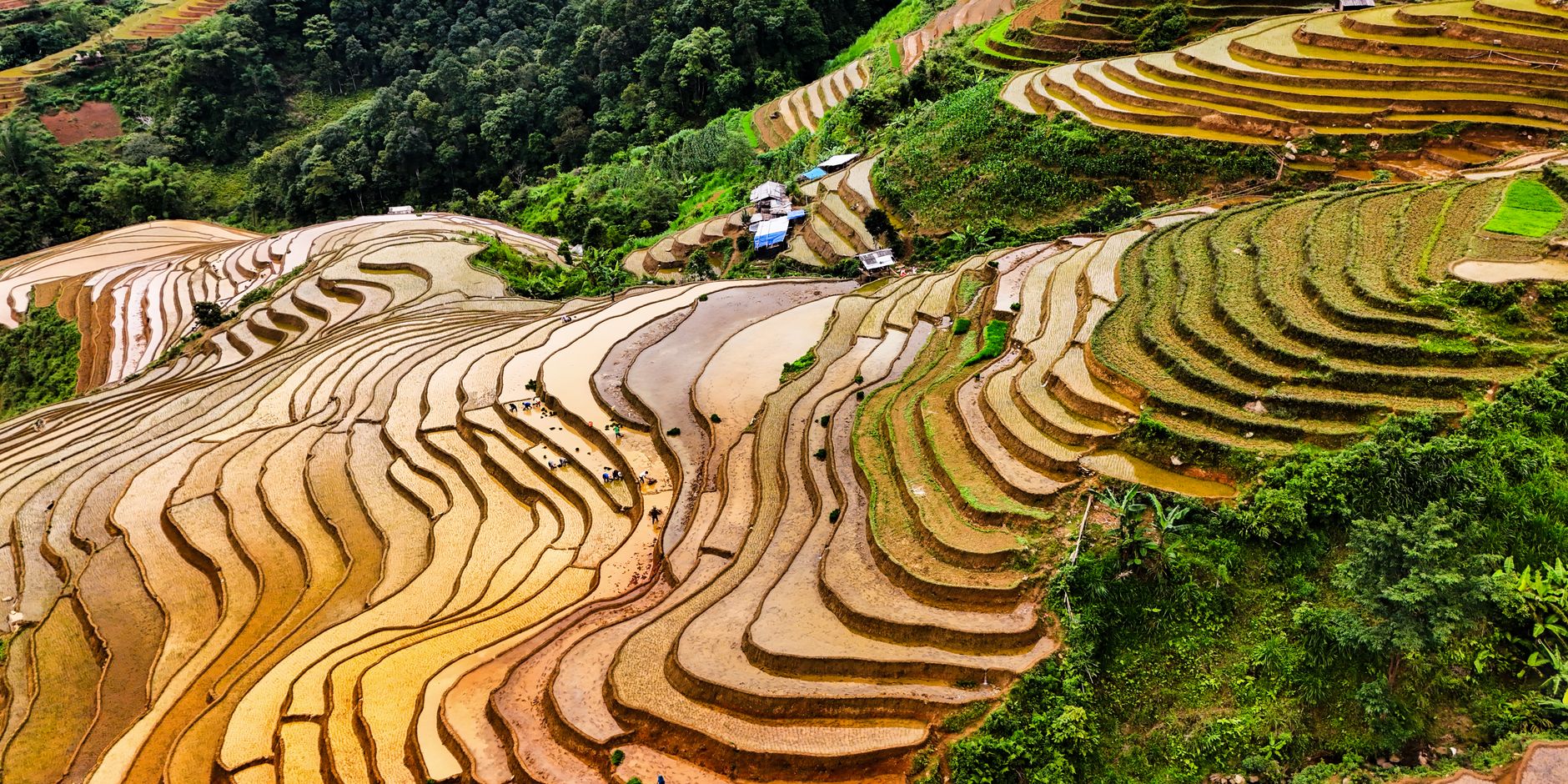
Photo by GIANG VU on Pexels
May to September — monsoon; avoid unless you have time
Southwest monsoon dumps 1,500+ mm of rain across these months. Temperatures hover at 20–28°C — warm, but humidity is relentless (80%+). Roads wash out; trails flood; visibility in the hills drops to 50 meters on bad days.
Tourist numbers plummet. Guesthouses operate at 20–30% capacity, and many small tour operators shut down or go day-to-day. Prices fall 20–30% compared to peak season — if you book direct with a guesthouse, you can negotiate.
It's not impossible to travel here, and the thinned crowds appeal to some. But trekking is unreliable, and you'll spend more time indoors. Mudslides occasionally close mountain roads; check local news before planning.
Key festivals and events
Dien Bien has no major tourist festivals, but the Hung Kings Festival (typically early April) is celebrated locally — you may see temple gatherings and ritual offerings if you're nearby.
Tet (Lunar New Year, late January or early February) transforms the region. Locals return home; markets swell briefly; guesthouses fill for a week. If you're here, expect less English and more Vietnamese speakers; tourist services slow down.
Photo by Quang Nguyen Vinh on Pexels
Weather by month: quick reference
October: 15–22°C, clear, minimal rain. Best overall.
November: 12–20°C, clear, dry. Still excellent; fewer tourists than October.
December: 8–16°C, mornings fog, afternoons clear. Quiet, cold nights.
January–February: 8–15°C, fog and frost possible. Coldest, emptiest.
March: 12–24°C, spring blooms, increasing showers.
April: 15–28°C, frequent afternoon rain, Easter crowds.
May–June: 20–28°C, heavy rain, very few tourists.
July–August: 20–27°C, intense monsoon. Occasional landslides.
September: 18–26°C, rain decreasing, warming up.
Practical notes
Book accommodation in October–November if you want choice; in January–February you can often walk in and negotiate. June–August prices are lowest but travel logistics are hardest. Pack layers year-round; mountain weather changes fast. Most trekking operators reduce services May–September, so confirm availability in advance if you're visiting then.
Going to Vietnam? Eat and travel smarter.
Monthly: new dishes, off-the-beaten-path destinations, and itineraries — straight to your inbox. No spam. Unsubscribe anytime.
Join 0 expats. (We just launched.)
More from dien-bien
Other articles covering this city.
Dien Bien Phu: What to Do & Where to Go
Dien Bien Phu is a quiet town in Vietnam's far northwest, best known for its history and mountain scenery. Here's what actually merits your time—and what doesn't.

What to Eat in Dien Bien: Local Dishes, Markets & Where Locals Actually Eat
Dien Bien's food reflects its mountain location and Tai, H'Mong, and Kinh influences. Here's where to find regional specialties, market eats, and meals that won't empty your wallet.
More from Northern Vietnam
Other articles covering the same region.

Lung Cu Flag Tower: Vietnam's Northernmost Point
The drive to Lung Cu Flag Tower takes you to Vietnam's northernmost point at 1,500 metres. It's a half-day trip from Dong Van with a steep climb, mountain views, and nearby Hmong villages.

Hoa Lu Ancient Capital: Vietnam's First Kingdom and How to Visit from Ninh Binh
Hoa Lu was the seat of Vietnam's first independent dynasties in the 10th century. Two surviving temples anchor a quiet bike ride through rice fields just outside Ninh Binh.

Perfume Pagoda Day Trip from Hanoi: Boat, Hike, and Festival Season
A half or full-day pilgrimage from Hanoi to the Perfume Pagoda involves a scenic boat ride through limestone karst, a trek or cable car ascent, and crowds during Tet season. Here's what to expect and how to plan.
More in Destinations
More articles from the same category.

Son Doong Cave: Inside the $3,000 Oxalis Expedition
Son Doong is the world's largest cave by volume—and the only way in is a 4-day permit-exclusive tour with Oxalis. Here's what you actually get, who should go, and what cheaper caves offer instead.

Phong Nha Cave: Boat Tours, Dry Caves, and How to Choose
Phong Nha-Ke Bang has two main cave experiences: the iconic river boat through Phong Nha Cave itself, and the dry trek into Tien Son. Here's how to pick, what to expect, and when to go.

Hoi An Lantern Festival: Full Moon Nights and How to Plan Around Them
The Hoi An Lantern Festival happens on the 14th lunar day each month. Electricity shuts off, lanterns float on the Thu Bon River, and crowds triple. Here's how to time your visit and actually enjoy it.

Japanese Bridge in Hoi An: What to Know Before You Visit
The 400-year-old Japanese Bridge is Hoi An's most iconic landmark. Here's how to see it properly—and avoid the crowds.

Thien Mu Pagoda in Hue: Seven Stories Above the Perfume River
Hue's most recognizable landmark rises 21 metres above the Perfume River. This is the story behind the tower, how to get there, and when to visit without the tour groups.

Hanoi Old Quarter Walking Guide: 36 Streets, Street Food & Craft Alleys
The 36 streets of Hanoi's Old Quarter were named after the guilds that dominated them—silk, silver, tin, paper. Here's how to walk them, eat on them, and see which craft trades still survive.
Comments
Loading…