Where to Stay in Dien Bien: A Traveler's Guide
Dien Bien is small and walkable, with most accommodation clustered in the town center. Budget guesthouses, mid-range hotels, and a few upscale resorts serve different trip styles.

Dien Bien town sits in a narrow valley in Vietnam's far northwest, about 480 km from Hanoi. It's compact — you can cross the center on foot in 20 minutes — so location matters less here than it does in bigger cities. The choice between staying in the town proper versus on the outskirts boils down to what you came for: urban convenience or countryside quiet.
The Town Center (Dien Bien Phu District)
Most visitors stay here. The central strip runs along Thong Nhat Street and spreads a few blocks in either direction, with shops, restaurants, and the main market within walking distance. It's lively without being chaotic; you'll hear motorbikes and smell "pho" and grilled meat in the mornings.
Budget stays (150,000–300,000 VND per night): Guesthouses dominate this tier. Dien Bien is not a backpacker hub like Sapa, so you won't find dorm beds or the usual party-hostel scene. Instead, expect basic private rooms with squat or sit toilets, a fan (air-con only in pricier budget places), and a thin mattress. Guesthouses rarely have English-speaking staff, so a translation app helps. WiFi is patchy in cheaper places. Rooms book up during Vietnamese holiday periods (Tet, summer vacation) and weekends, so book ahead or call ahead from your previous stop.
Mid-range hotels (400,000–800,000 VND): This is where most foreign tourists land. A decent 3-star hotel in the town center gives you a reliable bed, hot water, air-con, and a front desk that can speak some English or connect you with a guide. Many have small restaurants serving breakfast (bread, jam, egg, weak coffee) and can arrange motorbike rentals or guides to Muong Thanh Valley and historical sites. Noise from the street is common in budget and mid-range hotels; request an upper floor or back room if you're a light sleeper.
Luxury (900,000 VND–2,000,000+ VND): Dien Bien has only a handful of upscale options. Most are small resorts on the valley slopes outside town, built for comfort and views rather than gloss. If luxury in Dien Bien appeals to you, expect boutique-style service and proximity to nature rather than grand lobbies. These tend to fill with organized tour groups.
Muong Thanh Valley
About 10 km from town, this flat agricultural belt is where most of the countryside resorts cluster. The Muong Thai minority people farm here, and the landscape is striking: rice paddies backed by steep limestone ridges. Staying here gives you a quieter base and morning walks through paddy fields, but you'll need transport to reach town restaurants and shops.
Mid-range resorts (500,000–1,000,000 VND): Several family-run resorts offer bungalows or modest rooms with views of the valley. Service is casual; don't expect fridge or TV. Good for travelers who want countryside peace and don't mind being a bit isolated. Some can arrange guided treks or homestays with local families.
Upscale resorts (1,200,000–2,500,000 VND): These are more polished than town hotels, with pools, proper restaurants, and tour guides on staff. They cater to package tours and families. Nice if you want to decompress, but you lose walkable access to street food and local nightlife.
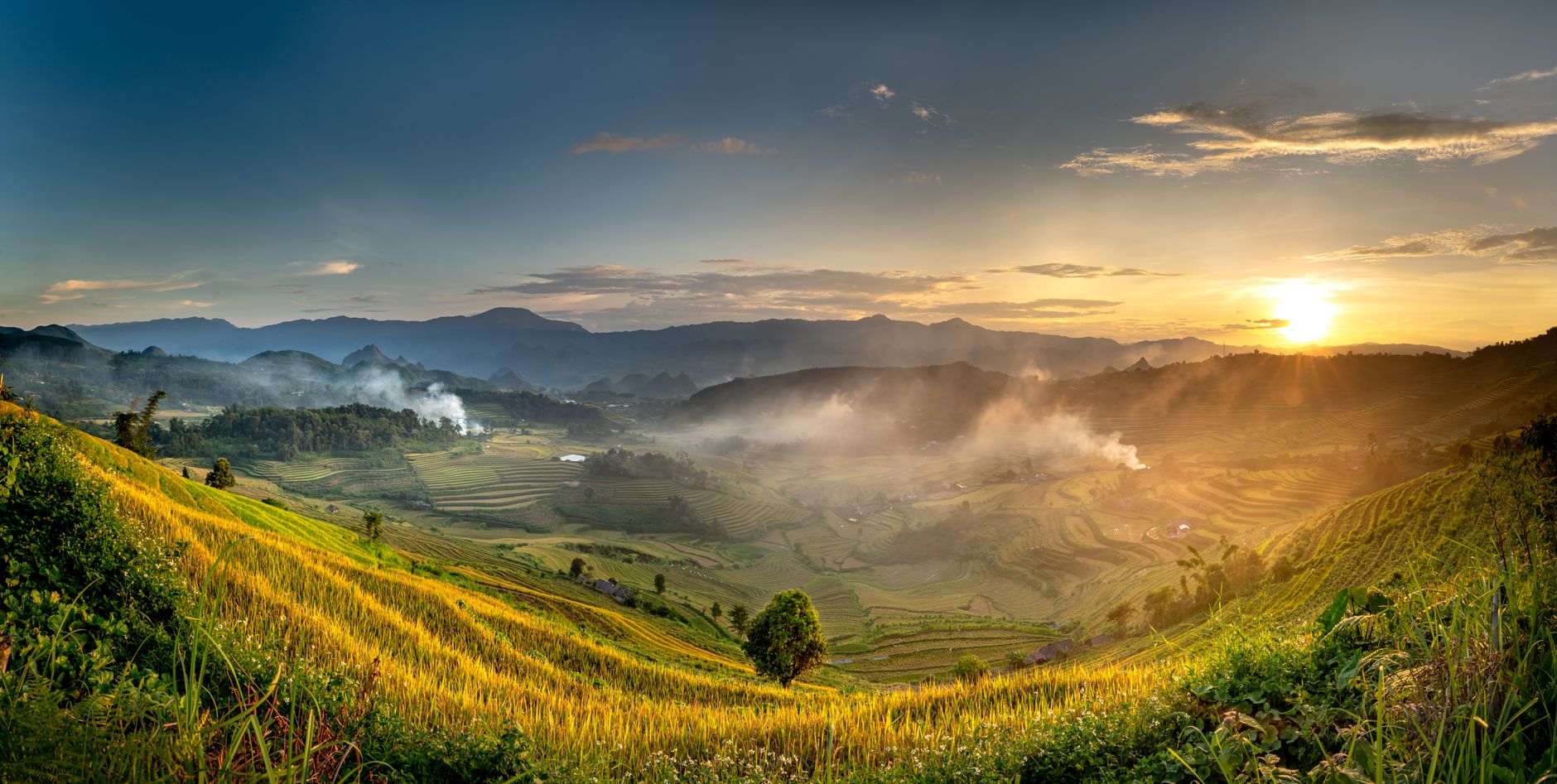
Photo by Quang Nguyen Vinh on Pexels
Districts Worth Knowing
Thanh Pho (town center): Where the action is. Closest to markets, restaurants, tour operators, and the Dien Bien Museum. Best for first-time visitors or those without transport.
Noi Bai (around the airport): The airport is only 3 km from town, so this is not a separate area. Heading straight into town takes 10 minutes by taxi (100,000–150,000 VND).
Outskirts (hills, Tu Le, San Sa Phin areas): Homestays and rural guesthouses are here, appealing to hikers and cyclists doing multi-day trips into minority villages. Accommodation is very basic (mattress on a floor, shared bucket shower). Homestay fees are usually 150,000–250,000 VND and include dinner and breakfast cooked by the family.
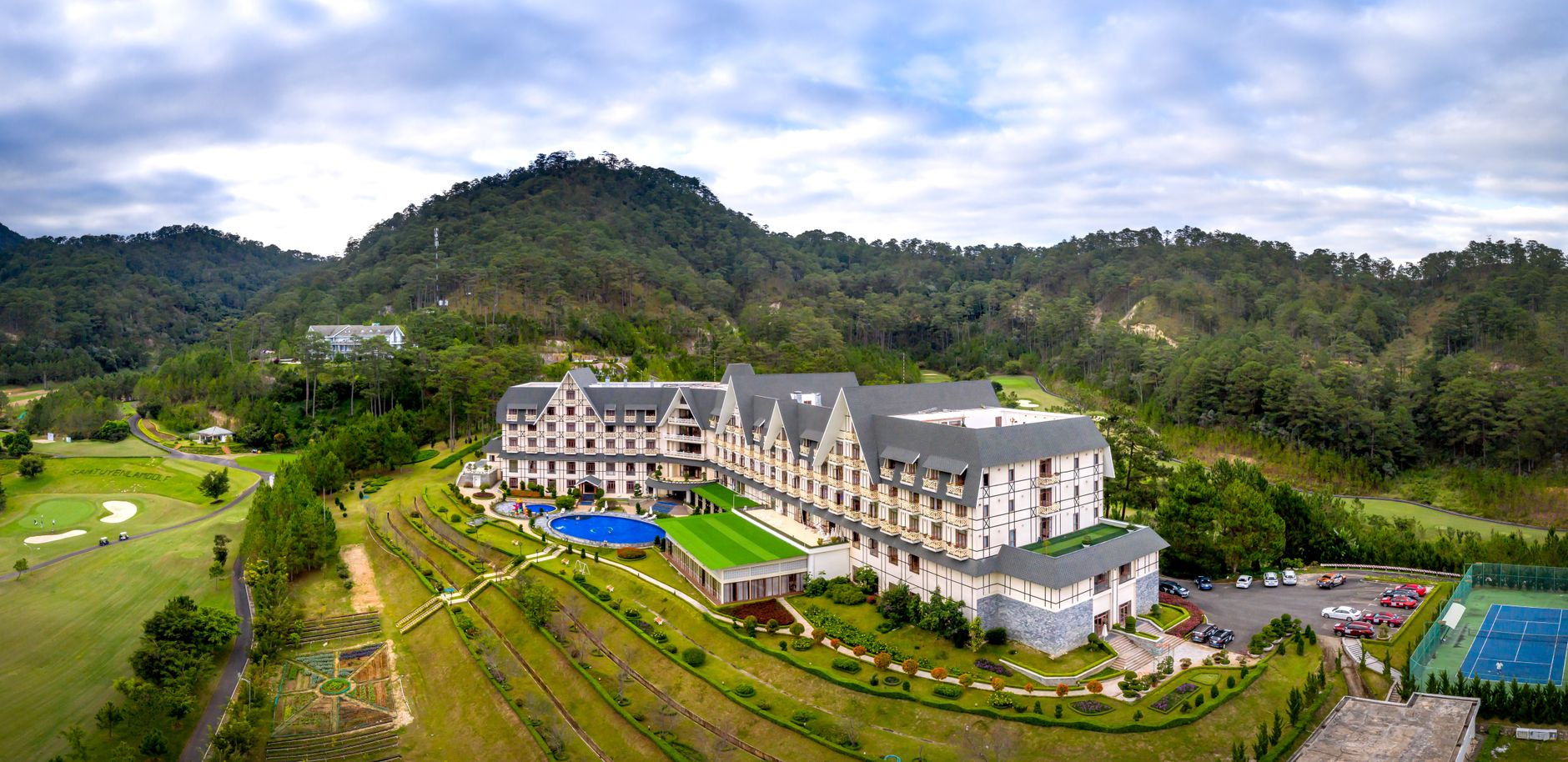
Photo by Quang Nguyen Vinh on Pexels
How to Choose
Go town center if: You're on a tight schedule, want walking access to meals and shops, or this is your first time in remote Vietnam. Staying here lets you absorb the local rhythm without transport friction.
Go Muong Thanh Valley if: You have 3+ days, want to hike or cycle, and value quiet mornings over nightlife. Resorts can arrange activities; guesthouses are cheaper but more spartan.
Go a homestay/rural lodge if: You're backpacking solo, speak some Vietnamese, and want to stay with a family. Expect to share meals and hear stories about daily life. It's slower travel and not for everyone, but it's memorable.
Practical Notes
Dien Bien has no high-end chains like Sofitel or luxury local brands; options are small and personal. Book ahead during peak season (September–November) and around Tet. Town-center hotels fill first. Water can be unreliable in budget guesthouses; ask about it. If you're sensitive to noise, pay a bit extra for a mid-range hotel away from the main street. Motorbike rental costs 100,000–150,000 VND per day and is the easiest way to explore the valley and surrounding minorities areas.
Going to Vietnam? Eat and travel smarter.
Monthly: new dishes, off-the-beaten-path destinations, and itineraries — straight to your inbox. No spam. Unsubscribe anytime.
Join 0 expats. (We just launched.)
More from dien-bien
Other articles covering this city.

Dien Bien Phu: What to Do & Where to Go
Dien Bien Phu is a quiet town in Vietnam's far northwest, best known for its history and mountain scenery. Here's what actually merits your time—and what doesn't.

What to Eat in Dien Bien: Local Dishes, Markets & Where Locals Actually Eat
Dien Bien's food reflects its mountain location and Tai, H'Mong, and Kinh influences. Here's where to find regional specialties, market eats, and meals that won't empty your wallet.
More from Northern Vietnam
Other articles covering the same region.

Hoa Lu Ancient Capital: Vietnam's First Kingdom and How to Visit from Ninh Binh
Hoa Lu was Vietnam's first royal capital, and the two temple complexes that survive are among the most atmospheric historical sites in the north.

Hoan Kiem Lake: The Sword Legend, Ngoc Son Temple, and When to Visit
Hoan Kiem Lake sits at the center of Hanoi's Old Quarter — here's the legend behind it, how to walk it properly, and when the streets actually belong to you.

Lung Cu Flag Tower: Vietnam's Northernmost Point
The drive to Lung Cu Flag Tower takes you to Vietnam's northernmost point at 1,500 metres. It's a half-day trip from Dong Van with a steep climb, mountain views, and nearby Hmong villages.
More in Destinations
More articles from the same category.

Landmark 81 Saigon: Observation Deck, Ice Rink, and Getting There from District 1
Landmark 81 is Vietnam's tallest building and Saigon's most visible skyline anchor. Here's what's actually inside and whether it's worth the trip.

Bitexco Financial Tower: Skydeck, Helipad Bar, and Whether the Ticket Is Worth It
Saigon's most recognizable skyscraper charges 250,000 VND to ride up to the 49th floor — here's what you actually see, and whether you should bother.

Notre Dame Cathedral Saigon: French Colonial Centerpiece in the Heart of HCMC
Saigon's Notre Dame Cathedral has been wrapped in scaffolding for years, but the square in front of it remains one of the best starting points for a colonial-era walking tour of District 1.

Paradise Cave, Quang Binh: The 31km Marble Cave That Beats Phong Nha for Photographers
Paradise Cave runs 31km through Quang Binh's karst and delivers the kind of cathedral-scale formations that Phong Nha's boat tour simply can't match. Here's how to see it properly.

Son Doong Cave: What the $3,000 Oxalis Expedition Actually Includes
Son Doong is the world's largest cave and only one operator is legally allowed to take you inside. Here is what the permit-only expedition covers and whether it is worth it.

Phong Nha Cave: Wet Cave, Dry Cave, and How to Choose
Phong Nha has two main caves worth your time — one you reach by river boat, one on foot. Here's how to pick, what each costs, and when to go.
Comments
Loading…