Best Mi Quang in Da Nang and Hoi An: Where to Eat Central Vietnam's Noodle Dish
Mi Quang is a thick, turmeric-tinted noodle dish served with broth on the side—not a soup. Here's where to find the best bowls in Da Nang and Hoi An.

What is Mi Quang?
"Mi Quang" is a central Vietnamese noodle dish unique to Quang Nam province, where Da Nang and Hoi An sit. The noodles themselves are fresh, handmade, and about the thickness of linguine, colored pale yellow from turmeric. The real point of confusion for first-timers: it's not a soup. You get a small bowl of clear, herb-scented broth on the side—often just enough to moisten the noodles, not submerge them. The dish arrives on a plate with the noodles, protein (usually pork, chicken, or shrimp), fresh herbs, crushed peanuts, and crispy rice crackers. You mix it all together, break up those crackers into it, then dip spoonfuls into the broth as you eat.
The broth is often made with pork bones, shrimp, or both, simmered with a handful of aromatic herbs like dill and lemongrass. It's delicate, not rich—the kind of broth that tastes clean, almost mineral. Locals say the reason for so little broth is historical: back when vendors sold this on the street, carrying less liquid meant less weight and easier portability.
Mi Quang Ba Mua, Da Nang
This is the most famous stall in Da Nang (다낭 / 岘港 / ダナン), set up by an older woman named "Ba Mua" (literally "Mrs. Mua") in the early 2000s. It's located on Hoang Van Thu Street, a busy avenue in the city center, and you'll recognize it by the cluster of plastic stools and the line of locals most mornings.
Ba Mua's version is clean, uncomplicated: fresh noodles, pork shoulder and shrimp in the broth, roasted peanuts, and a few fresh herb sprigs. The broth is the standout—light but savory, with a subtle sweetness from shrimp. A bowl costs around 50,000–60,000 VND (USD 2–2.50). It's cash only, and it closes by mid-morning on most days (around 11 a.m.). Go early, because once the noodles sell out, she's done.
The shop is small, just 6–8 plastic stools, so expect to sit shoulder-to-shoulder with locals and tourists alike. If you can't find a seat, some regulars eat standing up or take it to go.
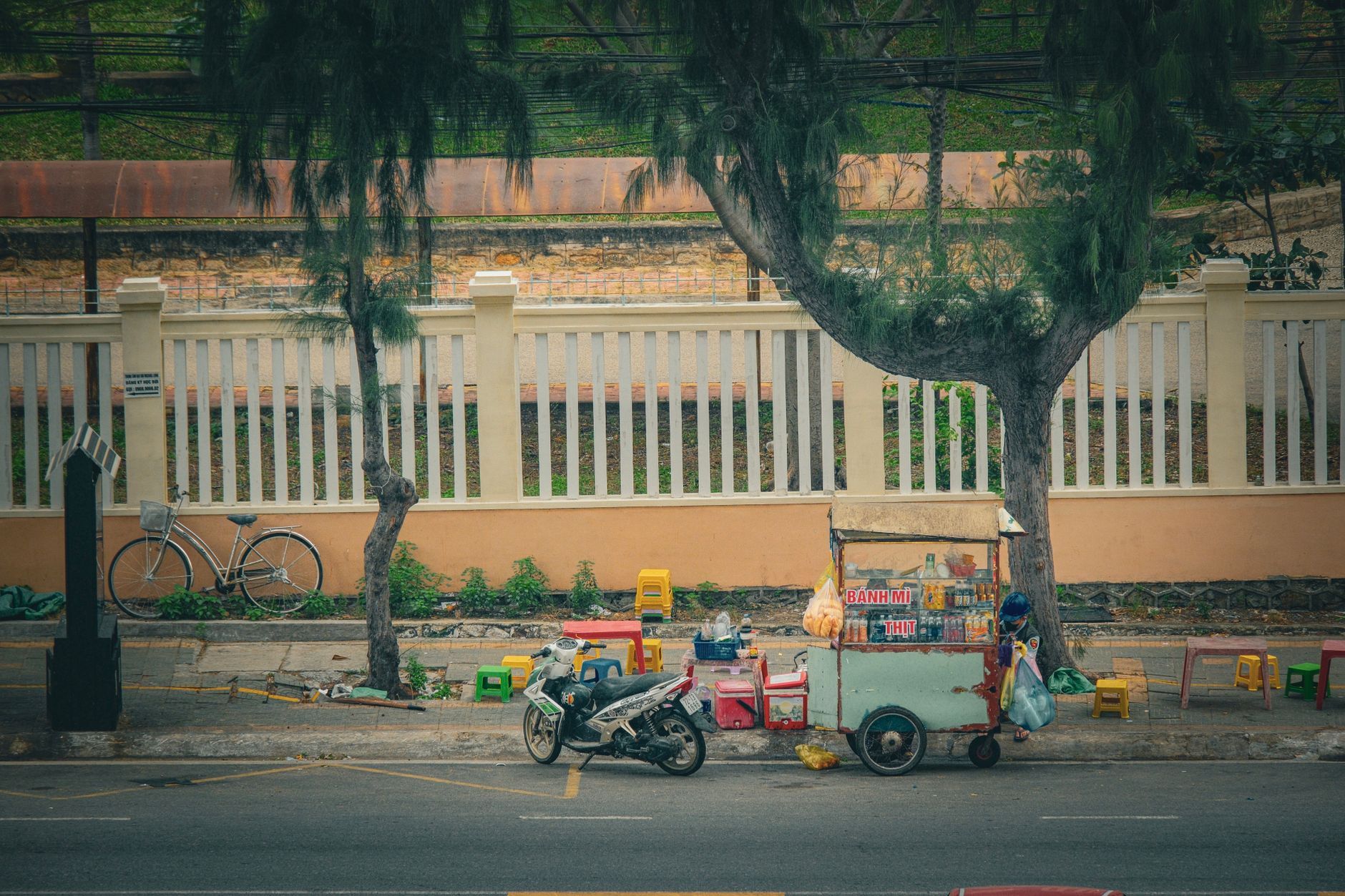
Photo by Pham Huan on Pexels
Mi Quang 1A, Da Nang
If Ba Mua is too crowded or sold out, Mi Quang (미꽝 / 广南面 / ミークアン) 1A is a reliable backup just a few blocks away on Nguyen Hue Street. The owner runs a slightly more formal setup than Ba Mua—a small indoor space with a handful of tables—but the noodles are equally fresh and the broth equally subtle.
Here you'll find a bit more protein: pork, shrimp, and sometimes a quail egg. The peanut flavor is more pronounced than Ba Mua's, which some regulars prefer. A bowl is also around 50,000–55,000 VND. The shop stays open until early afternoon, so it's a bit more flexible if you're not an early riser.
Both Da Nang stalls represent the old-school, no-frills version of mi Quang. The noodles are hand-rolled by vendors or made fresh at a local producer that morning, not factory-made. You can taste the difference.
Mi Quang Ong Hai, Hoi An
Hoi An (호이안 / 会安 / ホイアン)'s take on mi Quang is often a touch richer and more elaborate than Da Nang's. Mi Quang Ong Hai is located in the Old Town area, on a narrow lane near the market, and it's become something of a tourist fixture—but locals still eat here regularly, which is always a good sign.
Ong Hai (the owner, an elderly man) adds a bit more body to the broth and isn't shy with the pork. His version often includes both pork belly and pork shoulder, plus shrimp, which makes it feel more substantial. The noodles are slightly chewier here, and the herb garnish is more generous. A bowl runs about 60,000–70,000 VND, a bit pricier than Da Nang but typical for Hoi An's tourist-inflated pricing.
The shop is open most of the day, from morning through early afternoon, so there's less pressure to show up before 10 a.m. If you're exploring Hoi An's Old Town, this is an easy stop.
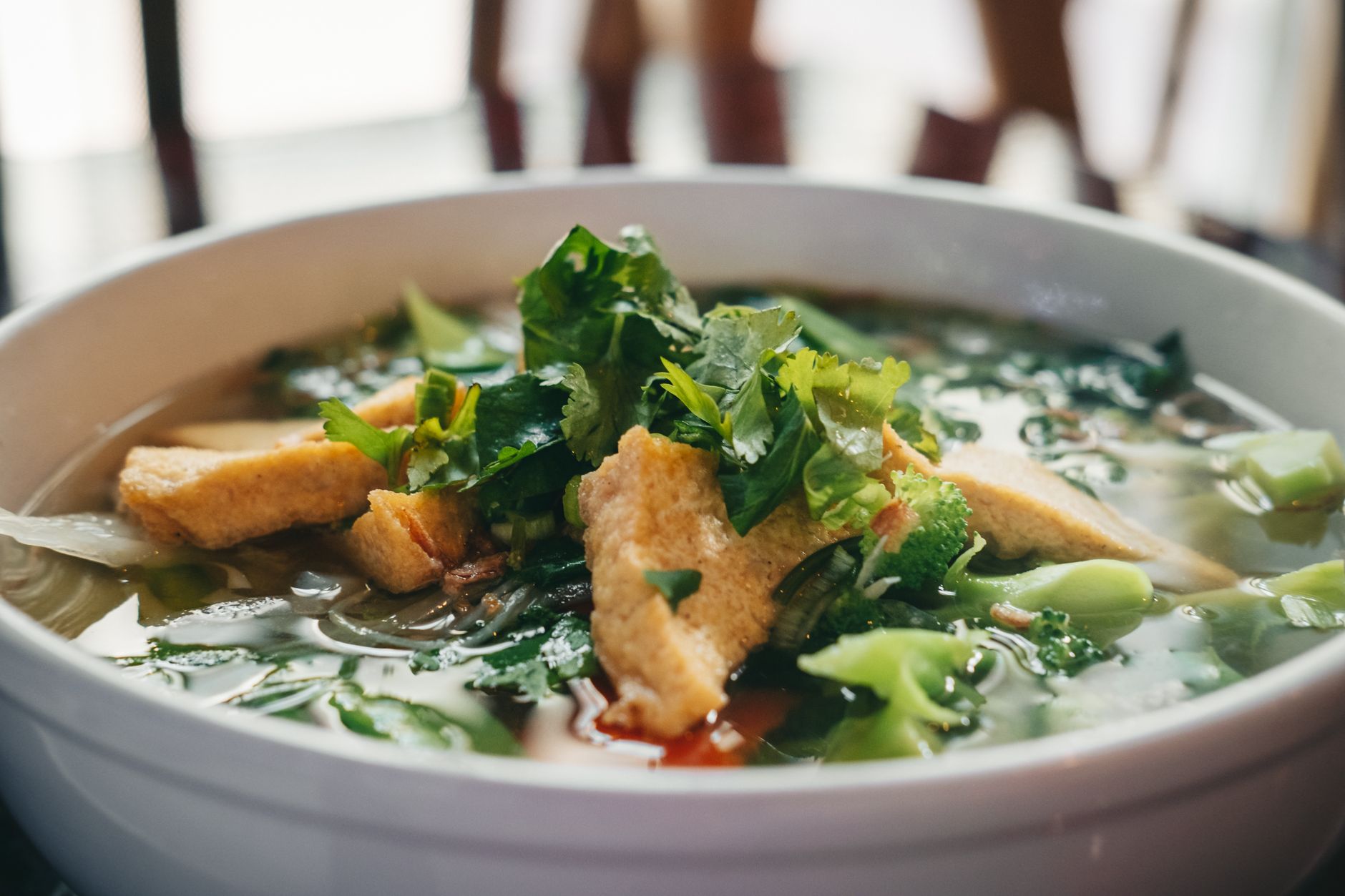
Photo by Connor Scott McManus on Pexels
Variations: Chicken, Frog, and Eel
While pork and shrimp are the standard, mi Quang has regional variants worth trying:
Mi Quang Ga (chicken) appears in some Hoi An stalls. The broth is lighter, often made with chicken bone, and the meat is shredded or diced. It's slightly less common than the pork version but equally satisfying, especially if you prefer a more delicate flavor.
Mi Quang Ếch (frog) is less common now but still available at certain stalls, especially in the countryside around Hoi An. The meat is tender, almost tender-sweet, and the broth picks up an earthy note from the frog. This is an acquired taste and more of a "when in Vietnam" experience than a staple.
Mi Quang Lươn (eel) is rare and often seasonal. The eel is cooked until soft, the broth takes on a rich, slightly mineral quality, and it's usually only available from vendors who specialize in it. If you see it, order it—you won't find it everywhere.
Most vendors will warn you upfront if a variant is sold out or not available that day, so just ask.
Practical Notes
Bring cash—most mi Quang stalls in Da Nang don't take cards. Both Ba Mua and 1A close by midday, so plan for a late breakfast or early lunch. If you're visiting Hoi An, Ong Hai is more forgiving with hours. The dish is light enough to eat as a breakfast or light lunch, but many locals eat it as a full meal. Fresh herbs and rice crackers are crucial to the experience, so don't skip them.
Going to Vietnam? Eat and travel smarter.
Monthly: new dishes, off-the-beaten-path destinations, and itineraries — straight to your inbox. No spam. Unsubscribe anytime.
Join 0 expats. (We just launched.)
More from Da Nang
Other articles covering this city.

Hoi An Old Town Walking Guide: Yellow Walls, Lantern Alleys, and the Japanese Bridge
A street-level route through Hoi An's UNESCO core — old merchant houses, assembly halls, the famous Japanese Bridge, and when to walk each stretch for the best light.

Linh Ung Pagoda Son Tra: The 67m Lady Buddha Watching Over Da Nang Bay
On the forested slopes of Son Tra peninsula, a 67-metre white Buddha figure stands visible from almost anywhere in Da Nang — and the pagoda grounds are free to enter.
Best Tau Hu in Hoi An: Where Locals Send You
Tau hu—silky tofu soup—tastes different in Hoi An. Here's where locals actually eat it, and why.
More from Central Vietnam
Other articles covering the same region.

Paradise Cave, Quang Binh: The 31km Marble Cave That Beats Phong Nha for Photographers
Paradise Cave runs 31km through Quang Binh's karst and delivers the kind of cathedral-scale formations that Phong Nha's boat tour simply can't match. Here's how to see it properly.

Son Doong Cave: What the $3,000 Oxalis Expedition Actually Includes
Son Doong is the world's largest cave and only one operator is legally allowed to take you inside. Here is what the permit-only expedition covers and whether it is worth it.

Phong Nha Cave: Wet Cave, Dry Cave, and How to Choose
Phong Nha has two main caves worth your time — one you reach by river boat, one on foot. Here's how to pick, what each costs, and when to go.
More in Food & Drink
More articles from the same category.

Best Pho Chua in Ha Giang: Where Locals Send You
Ha Giang's take on sour pho is sharper, tangier, and less known than the southern version. Here's where locals actually eat it.

Best Pho Saigon in Ho Chi Minh City: Where Locals Send You
Pho Saigon is thinner, sweeter, and faster than its northern cousin. Here's where to find the real thing in HCMC, plus what makes it different and how to order.

Best Banh Xeo in Nha Trang: Where Locals Send You
Nha Trang's banh xeo scene is rowdier and greasier than the south. Here's where locals actually eat, what to order, and why the crispy rice pancakes here taste different.

Best Banh Nam in Hue: Where Locals Send You
Hue's version of "banh nam" is a steamed rice cake pocket stuffed with shrimp and pork—nothing like its northern cousin. Here's where locals actually eat it.

Best Banh Uot Thit Nuong in Buon Ma Thuot: Where Locals Send You
Banh uot thit nuong — steamed rice rolls with grilled pork — is a breakfast staple in Buon Ma Thuot's Central Highlands. Here are the spots locals actually eat.

Best Banh Canh Ca in Da Nang: Where Locals Send You
Da Nang's version of "banh canh ca" — thick tapioca noodles in crab broth — tastes different from Hanoi or Saigon. Here's where locals actually eat it, what to order, and why timing matters.
Comments
Loading…