Vietnam Supermarket Guide: Where to Buy Snacks and Travel Essentials
A breakdown of supermarket chains across Vietnam, what they stock, pricing, and where to find the best deals on imported goods and everyday supplies.

Where to Shop: Chain by Chain
Vietnam (베트남 / 越南 / ベトナム)'s supermarket landscape has consolidated around a handful of chains. Which one you'll use depends on location, budget, and what you're after—local snacks or Western comfort food.
VinMart+ — The Ubiquitous Convenience Store
VinMart+ is the 7-Eleven equivalent: small, pervasive, and open late (most until 10 or 11 p.m., some 24 hours). You'll find one on nearly every main street in Hanoi, Saigon, Da Nang, and other cities. Stock includes instant "pho" noodles, packaged baked goods, soft drinks, beer, toiletries, phone credit, and a few fresh items.
Prices are higher than supermarkets because you're paying for convenience and foot traffic. A bottle of water costs 8,000–12,000 VND; a can of soda runs 12,000–15,000 VND. Their Vietnamese snacks—salted squid, sesame crackers, "banh" chips—are cheaper than imported equivalents.
Coopmart — The Reliable Mid-Range Choice
Coopmart is Vietnam's largest domestic supermarket chain. Stores are bigger than VinMart+ but smaller than hypermarkets, with decent layout and price tags. They're common in Hanoi and Saigon (사이공 / 西贡 / サイゴン) but less frequent elsewhere.
Coopmart stocks local produce, packaged goods, a small foreign-food section (at markup), dairy, frozen items, and household essentials. Prices sit between convenience stores and hypermarkets—fair value without hunting through a massive warehouse. Many have attached bakeries selling cheap bread and pastries.
Big C — The Hypermarket Standard
Big C (owned by Central Group, Thailand-based) operates large-format stores in Hanoi, Saigon, Da Nang (다낭 / 岘港 / ダナン), Can Tho, and other provincial capitals. Picture a Western supermarket: multiple aisles, deli counters, bulk produce, clothing, electronics.
Prices drop noticeably at Big C compared to smaller chains—particularly on fresh goods and household staples. The foreign-foods section is better stocked but still pricier than home prices. A jar of peanut butter runs 80,000–120,000 VND (vs. 3–5 USD in North America); imported cereal, 60,000–100,000 VND per box. Local goods—rice, instant noodles, beer—are genuinely cheap.
Downside: Big C stores are out-of-town, requiring taxi or bus travel. Parking and crowds can slow you down. Best for stocking up during a day trip rather than quick errands.
Lotte Mart — The Premium Hypermarket
Lotte Mart (South Korea–based) is Big C's pricier, glossier competitor. Stores are in Hanoi (multiple locations), Saigon, Da Nang, and Can Tho (껀터 / 芹苴 / カントー)—positioned near shopping centers or in upmarket areas.
Quality is higher; selection of imported goods is broader. Expect to pay 10–15% more than Big C on most items. The foreign-foods section is the best in Vietnam, with European dairy, premium coffee, Japanese snacks, and specialty sauces. Useful if you're after a specific brand or ingredient you can't find elsewhere.
Lotte also runs a basement food court with prepared "banh mi", salads, and ready-to-eat meats—good for lunch while shopping.
Annam Gourmet — Foreign Groceries at Foreign Prices
Annam Gourmet is a small chain (Hanoi (하노이 / 河内 / ハノイ), Saigon, Da Nang) selling imported goods: European dairy, organic produce, premium coffee, wines, craft beers, deli meats, cheese. Think specialty grocery store, not supermarket.
Prices are 30–50% higher than Lotte Mart because stock is imported and shelf life is shorter. A wheel of brie costs 180,000–220,000 VND; a bottle of French wine, 400,000+ VND. Useful only if you're craving something specific or expatriate-level homesick. Most travelers skip it.
7-Eleven and Circle K — Late-Night Only
7-Eleven is less common in Vietnam than VinMart+ but present in Hanoi, Saigon, and Da Nang. Circle K is newer, expanding, and offers similar convenience-store basics.
Both are open 24 hours in central locations. Stock is limited—snacks, drinks, instant meals, toiletries—and prices match VinMart+. Useful if you need something at midnight, pointless otherwise.
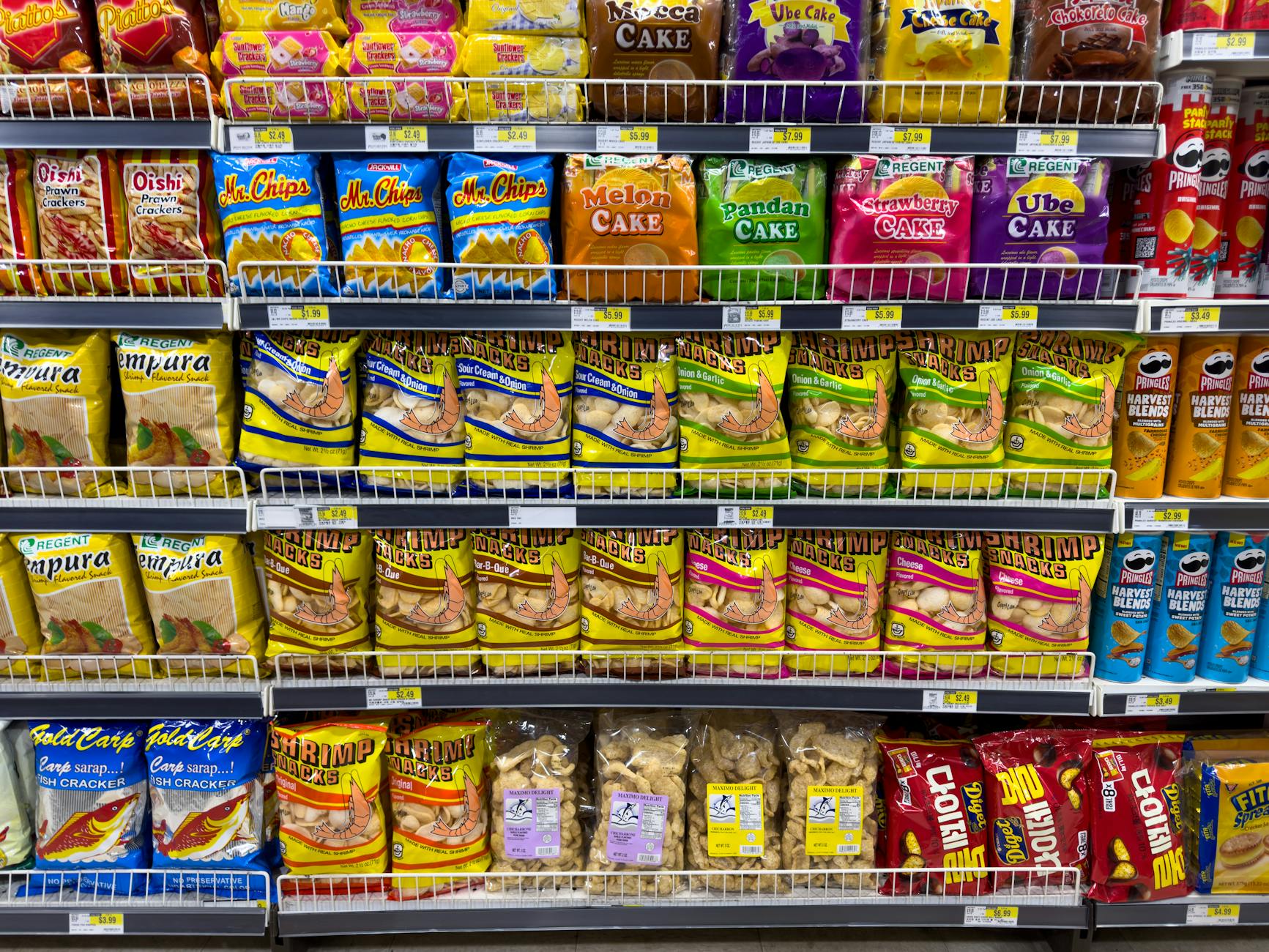
Photo by Allen Boguslavsky on Pexels
What Costs More vs. Less Than Home
Cheap in Vietnam:
- Fresh produce (tomatoes, avocados, tropical fruit): 30–50% of Western prices
- Rice, instant noodles, soy sauce: 20–40% of Western prices
- Vietnamese snacks (squid jerky, sesame crackers, "ca tru" seed snacks): negligible by Western standards
- Local beer (Bia Saigon, Bia Ha Noi): 15,000–25,000 VND per bottle, cheaper than Western craft beer
- Canned fish, shrimp paste, local sauces: fraction of Western import costs
Expensive in Vietnam:
- Imported dairy (butter, cheese, yogurt): 2–3x Western home prices
- Imported cereals, granola, health foods: 2–2.5x
- Western snacks (chocolate bars, potato chips, candy): 50–100% markup
- Coffee (imported brands): 30–50% markup; Vietnamese coffee (베트남 커피 / 越南咖啡 / ベトナムコーヒー) is cheap
- Wine and spirits (imported): 40–80% markup
- Organic/premium labels: 50–150% markup
Rule of thumb: if it's grown or made in Vietnam, it's cheap. If it's flown in, it's expensive.
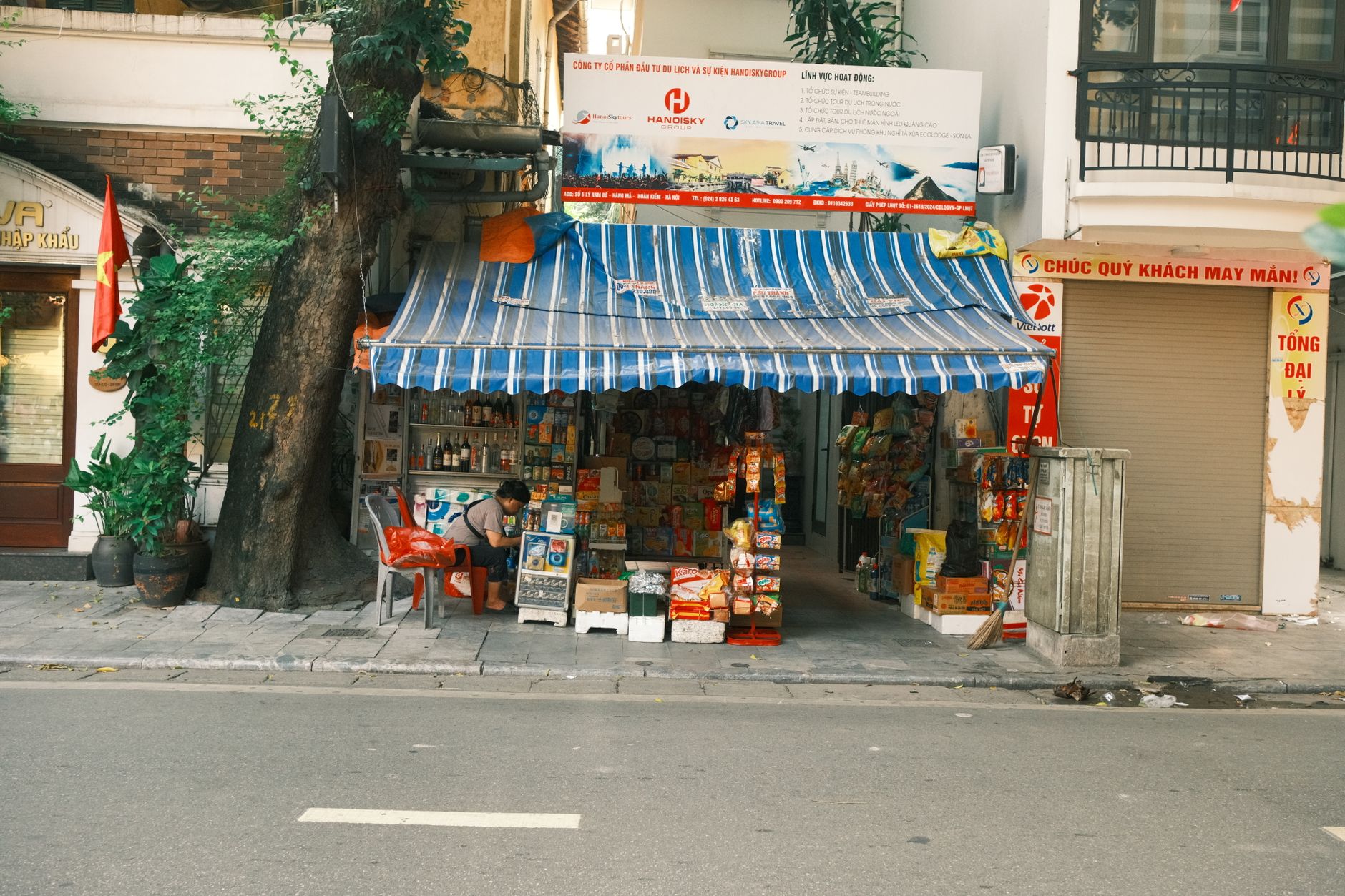
Photo by Thuan Pham on Pexels
Practical Notes
For short trips, VinMart+ or a nearby Coopmart will cover snacks and basics. For longer stays or stocking a kitchen, Big C or Lotte Mart is worth a trip—prices are lower and selection is broad. Avoid Annam Gourmet unless you have a specific import craving. Shop at Vietnamese markets (wet markets) for produce and fresh goods; supermarkets are convenient but pricier for the same items.
Going to Vietnam? Eat and travel smarter.
Monthly: new dishes, off-the-beaten-path destinations, and itineraries — straight to your inbox. No spam. Unsubscribe anytime.
Join 0 expats. (We just launched.)
More from All of Vietnam
Other articles covering the same region.

Best Tau Hu in Hoi An: Where Locals Send You
Tau hu—silky tofu soup—tastes different in Hoi An. Here's where locals actually eat it, and why.

7 Days in Vietnam: A Yoga and Meditation Itinerary
A week-long route through Vietnam's quietest corners: Sapa's mountain silence, a meditation center in the Mekong, and coastal stillness in Da Lat. Real costs, transport, and retreat recommendations.

7 Days in Vietnam: A Solo Backpacker Itinerary
A tested week-long route through Hanoi, Ha Long Bay, and Saigon with budget lodging, street food, and overland transport. Real costs and booking tips included.
More in Travel Tips
More articles from the same category.

Where to Stay in Saigon: District 1 vs District 3 vs District 7
Three neighborhoods, three vibes. Pick District 1 for backpackers and chaos, District 3 for quiet and value, or District 7 for modern expat comfort. Here's how each stacks up.

Where to Stay in Sapa: Town Center vs Cat Cat vs Ta Van
Sapa has three distinct bases: the foggy town center for convenience, Cat Cat village for quiet hilltop views, or Ta Van for homestay immersion. Pick based on whether you're chasing comfort or trekking.

Where to Stay in Can Tho: Ninh Kieu, Cai Rang, or Orchards
Can Tho's three main neighborhoods offer different angles on Mekong Delta life. Here's how to pick based on your priorities and budget.

Where to Stay in Hue: Citadel vs South Bank vs Beach
Hue splits into three distinct neighborhoods for travelers. Each offers different trade-offs between history access, dining, and atmosphere—here's how to choose.

Vietnam Gift Culture: Red Envelopes, Lucky Money & Birthday Etiquette
Understanding "li xi", birthday cakes, and the unwritten rules of gift-giving in Vietnam—from Tet bonuses to wedding contributions.

Vietnam Tipping Guide by Service: What (and When) to Tip
Tipping isn't mandatory in Vietnam, but it's appreciated in certain services. Here's a breakdown of what to give—and what to skip—across hotels, taxis, tours, spas, and restaurants.
Comments
Loading…