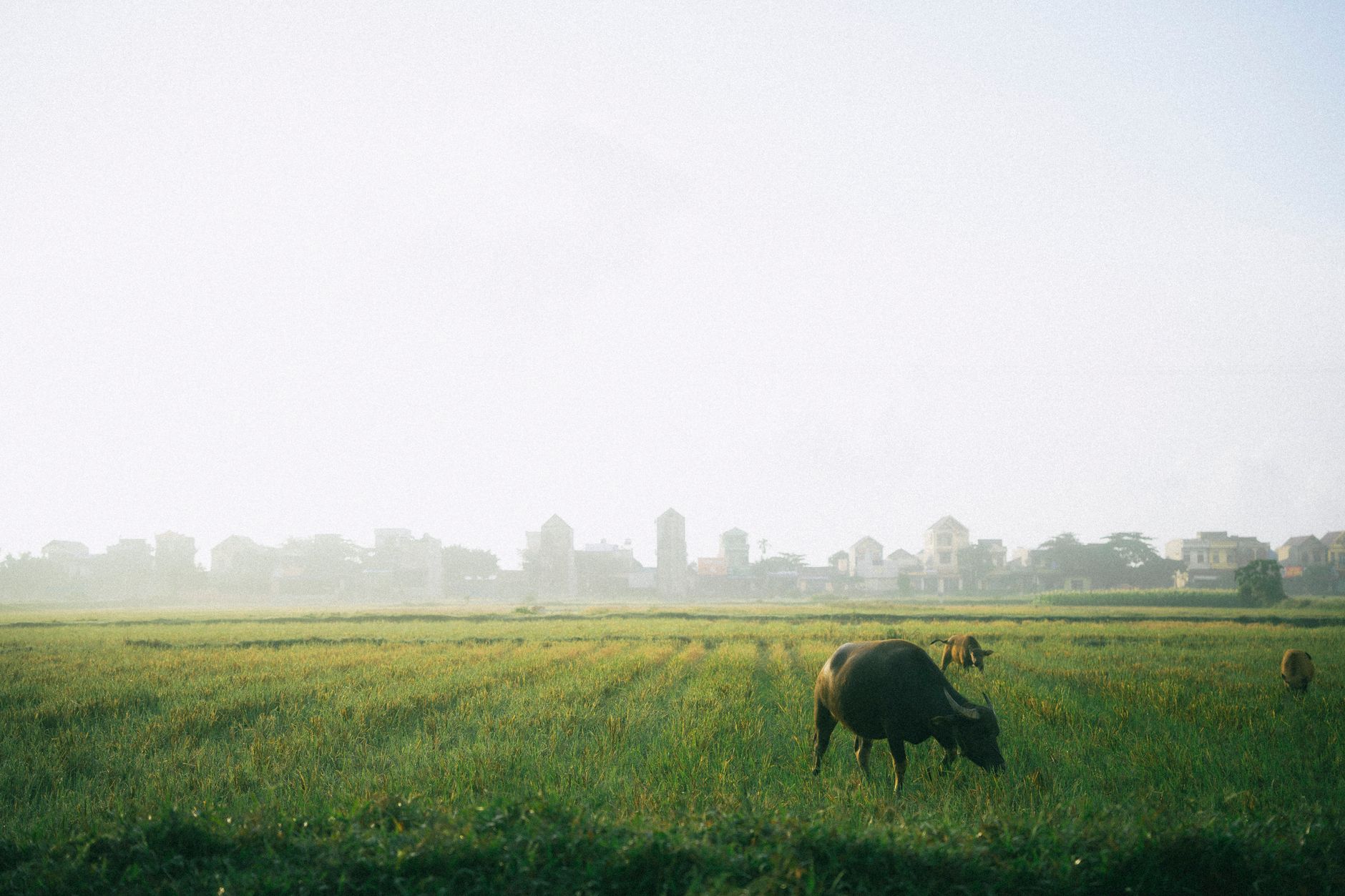
Flying between Vietnamese cities costs almost nothing, which is precisely why everyone does it — and why every domestic terminal feels like a bus station at rush hour. This itinerary skips the airports entirely and strings together the country's best overnight trains and sleeper buses into a two-week route from Hanoi to Saigon that's slower, cheaper on balance, and considerably more interesting.
Day 1–2 — Hanoi: Eat First, Move Later
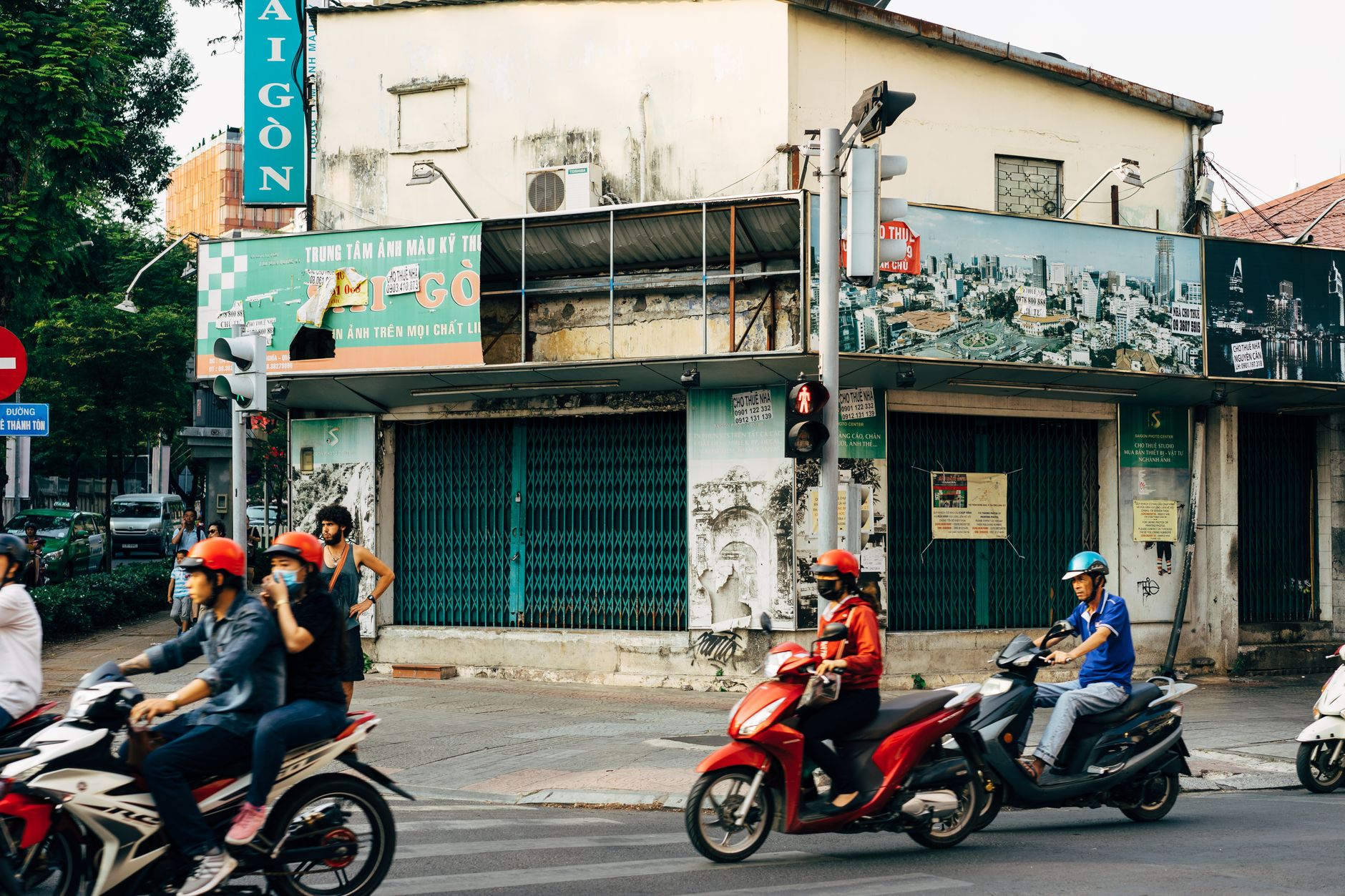
Arrive in Hanoi and give yourself two full days before the first train. The city rewards slow mornings. Start at a street stall on Bat Dan or Hang Ga for a bowl of "pho" — the broth-heavy northern version, sparser with toppings than the Saigon (사이공 / 西贡 / サイゴン) variant. In the afternoons, walk the Old Quarter, detour to the Temple of Literature, and spend an evening at a bia hoi corner on Ta Hien where beer runs about 10,000–15,000 VND a glass.
If you have one evening free, a performance of Water Puppetry at the Thang Long theatre on Dinh Tien Hoang is worth the 100,000 VND ticket — it's genuinely old and strange, not a tourist gloss.
Day 3 — Hanoi to Hue: The Overnight Train
The SE3 or SE5 Reunification Express departs Hanoi in the early evening and pulls into Hue around midday the next day — roughly 13–14 hours. Book a four-berth soft sleeper (giuong nam, khoang 4) through the Vietnam (베트남 / 越南 / ベトナム) Railways website or a booking agent like Baolau or 12Go. Expect to pay 600,000–750,000 VND for a lower berth. Bring snacks; the dining car exists but is basic.
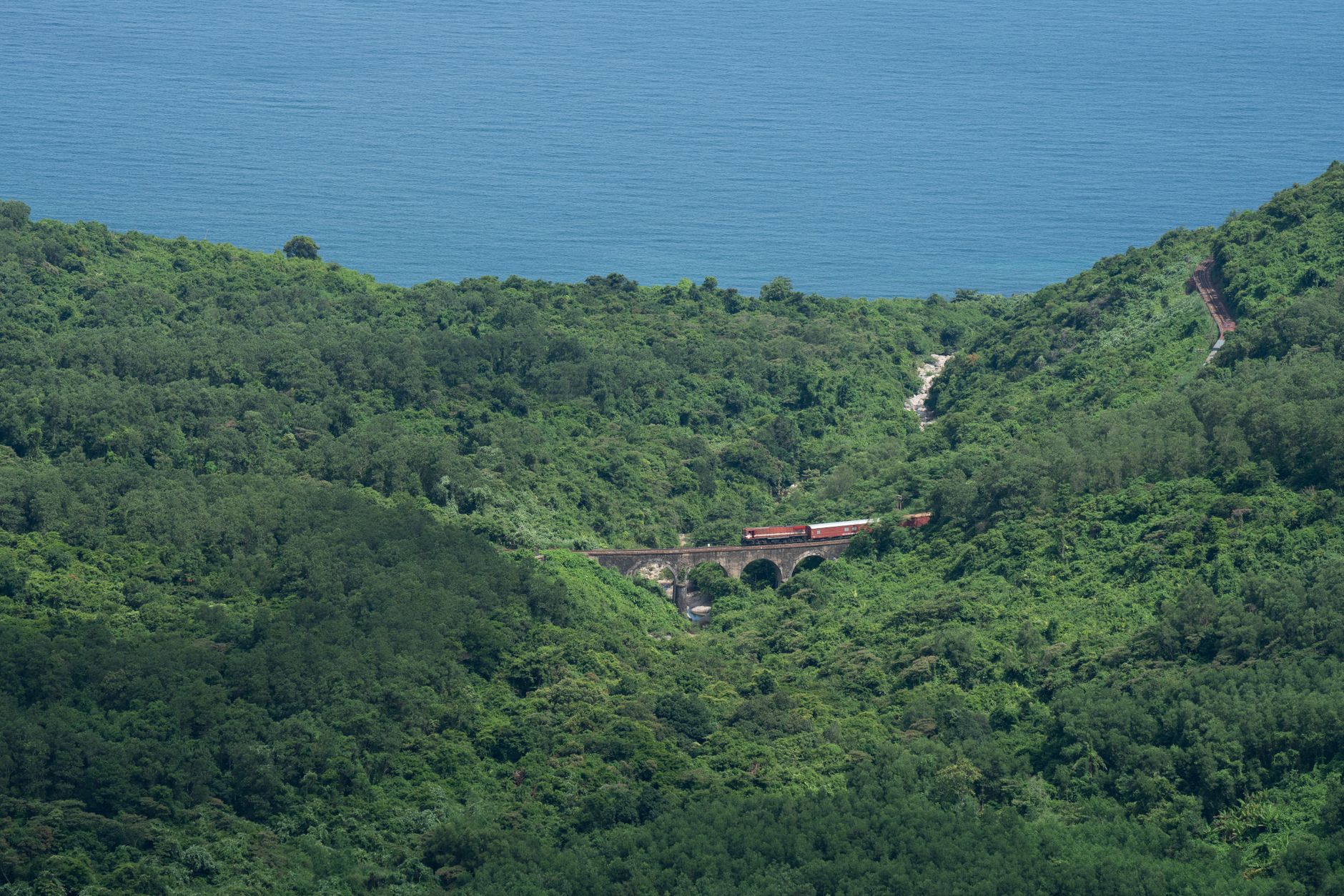
The route south of Da Nang, through the Hai Van Pass, is the most scenic stretch of rail in the country — if you do this on the return leg rather than continuing south, try to time it for daylight.
Day 4–6 — Hue: Three Days Is Not Too Many
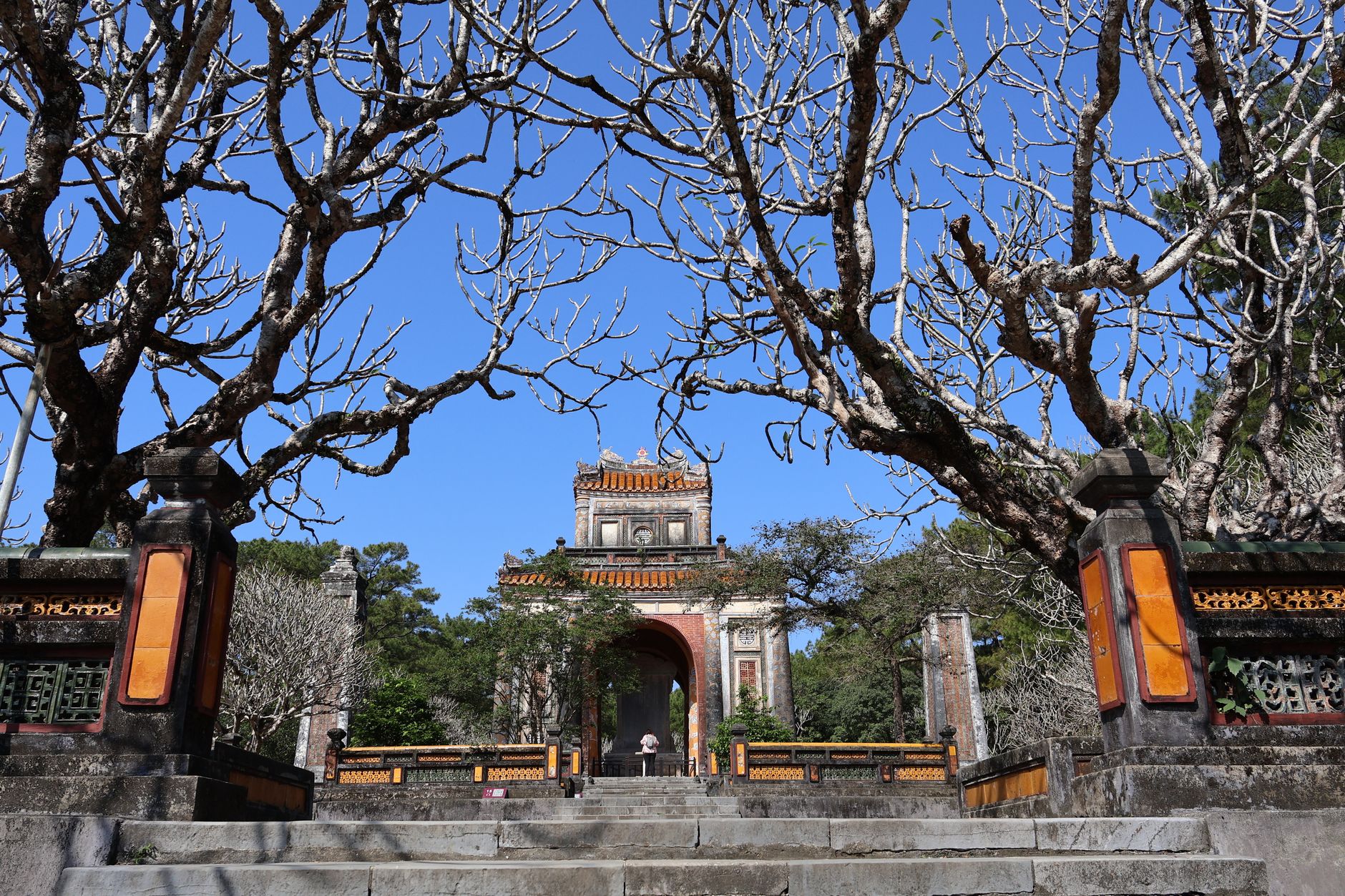
Hue is one of those cities where people budget two nights and regret not staying longer. The royal citadel, the Tomb of Tu Duc, the Tomb of Khai Dinh, the night market on Tran Hung Dao — none of it is best done rushed.
Food-wise, Hue has a legitimate claim to being Vietnam's most interesting eating city. "Bun bo Hue" — spicy beef noodle soup with pork hock — is eaten for breakfast here and costs 40,000–60,000 VND at a proper street stall. "Banh cuon" stuffed with wood ear mushroom and minced pork, "banh canh" with crab, "com tam" Hue-style with grilled pork: the list goes on and eating through it takes days.
Day 7–8 — Da Nang and Hoi An: Short Train, Long Walk
The Hue–Da Nang train takes about 2.5 hours and crosses the Hai Van Pass — book a daytime SE train here specifically so you can watch the coast open up below you. Tickets run around 100,000–150,000 VND.
Da Nang itself is a useful base. Spend a night, eat "mi quang" (turmeric-stained noodles with pork, shrimp, and herbs) for breakfast, walk the Han River bridges at night. The Golden Bridge is photogenic if you're not tired of seeing it already.
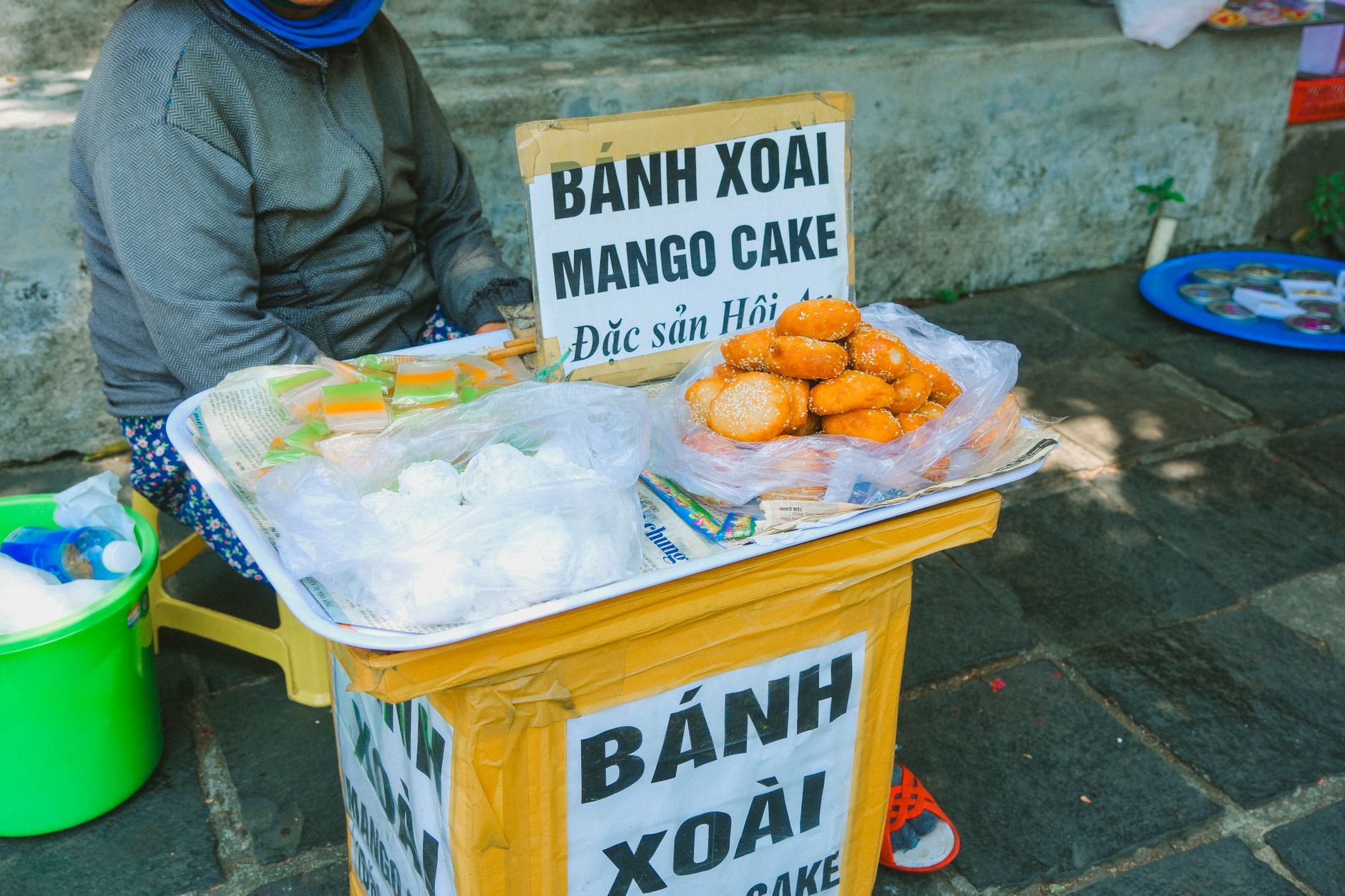
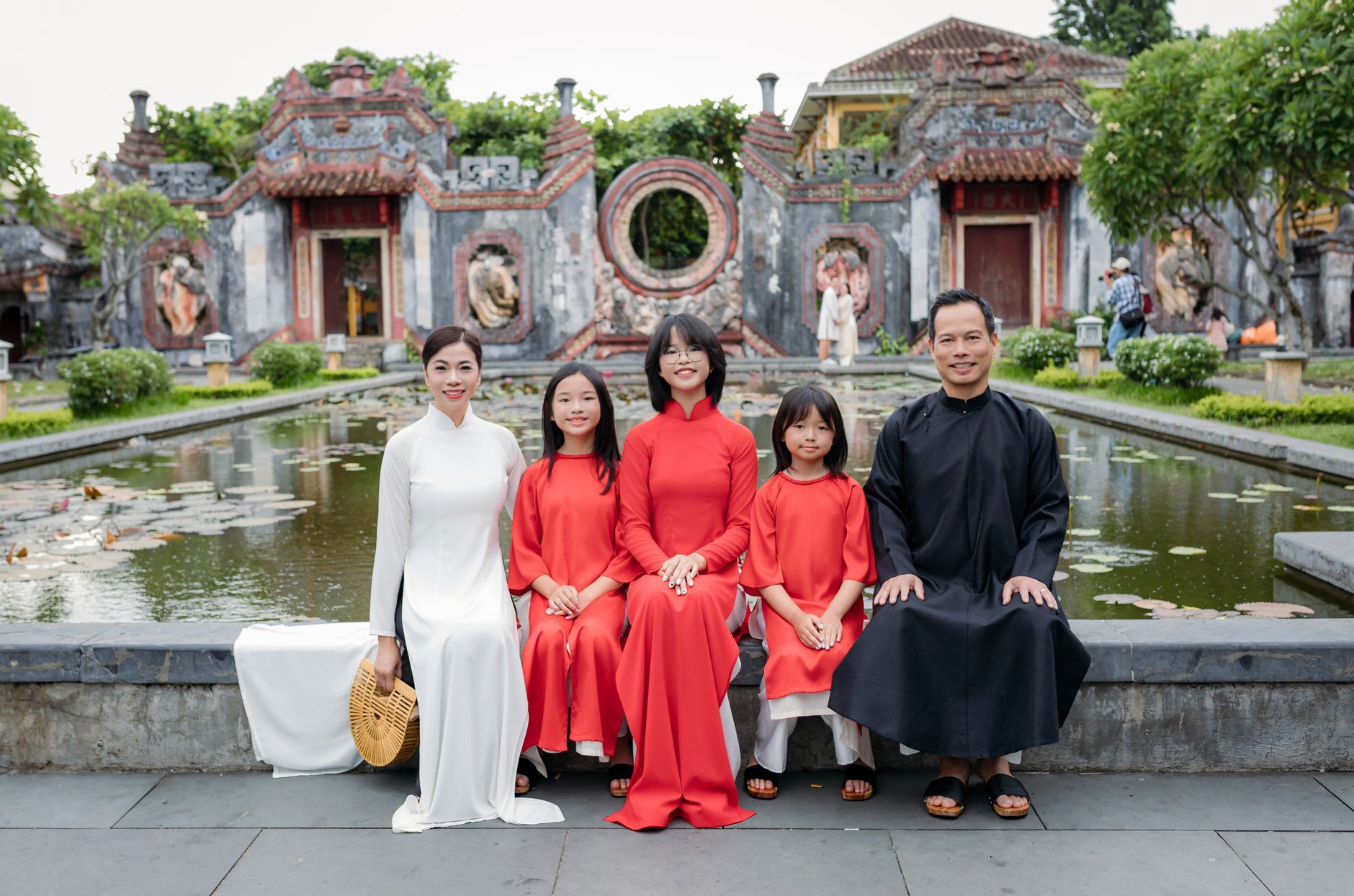
From Da Nang, Hoi An is 30 km south by local bus or grab-bike. Spend a full day in Hoi An's old town — the architecture genuinely earns its UNESCO listing — and eat "cao lau" at one of the stalls inside the covered market on Tran Phu. It's only made properly in Hoi An and tastes noticeably different here than anywhere else.
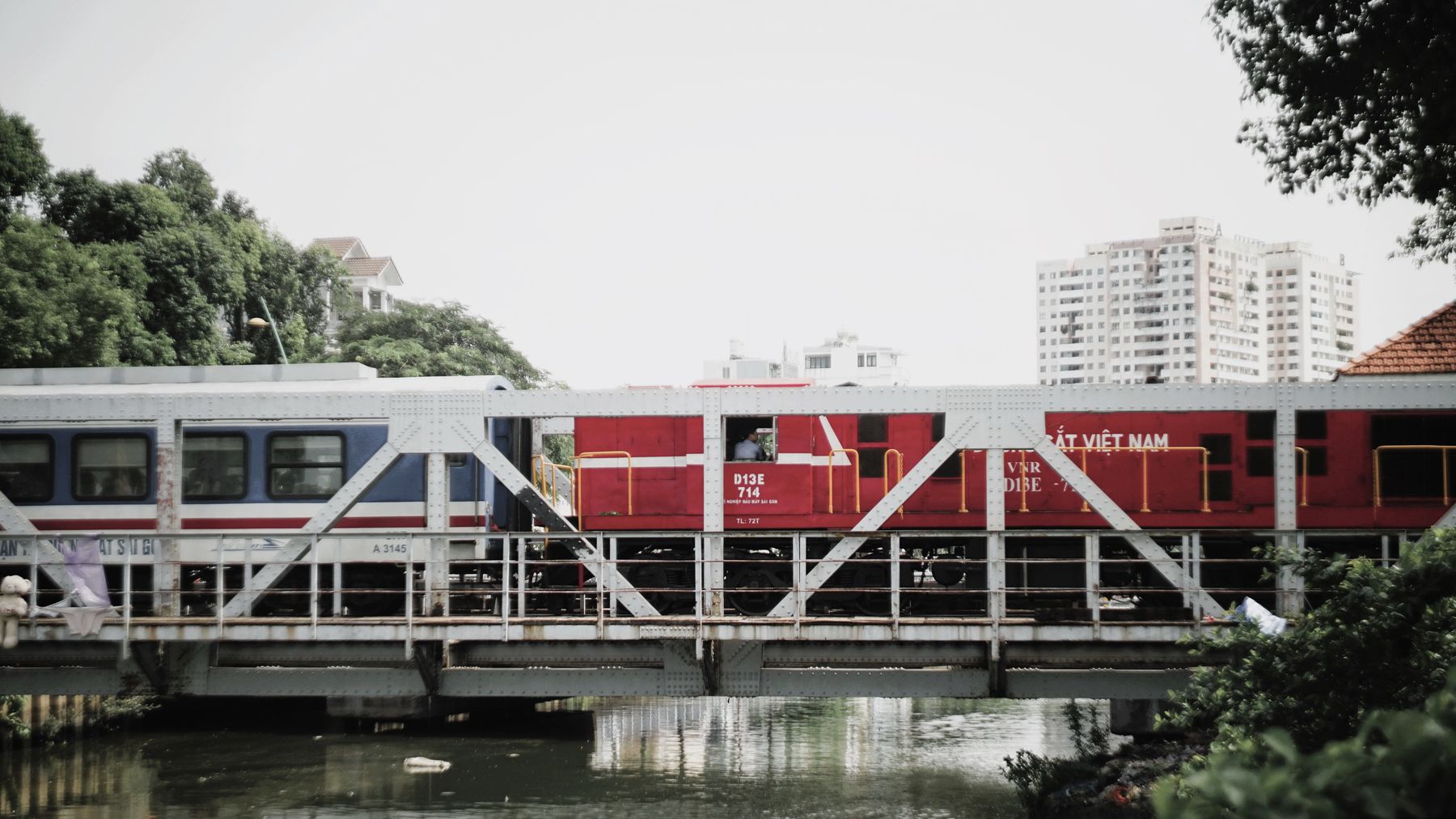
Photo by Edward Cao on Pexels
Day 9 — Da Nang to Nha Trang: Overnight Train Again
Backtrack to Da Nang station for the overnight train south to Nha Trang — about 10–11 hours. The SE7 or SE9 departing late evening arrives mid-morning. Same booking logic as before: soft sleeper, lower berth, around 400,000–550,000 VND.
Day 10–11 — Nha Trang: Beach and "Banh Canh" for Breakfast
Nha Trang is loud, built-up, and popular for reasons that are obvious the moment you see the beach. Two nights is enough to swim, eat grilled seafood near Dam Market in the evenings, and visit Po Nagar — a Cham tower complex just north of the city center that gets a fraction of the tourist foot traffic it deserves.
For breakfast, "banh canh" with fish cake at a local stall on Nguyen Thi Minh Khai costs around 35,000 VND and is far better than anything served at a beachfront cafe.
Day 12 — Nha Trang to Da Lat: The Mountain Bus
This is the one leg where the train can't help you — Da Lat sits at 1,500 m in the central highlands, away from the coastal rail line. A sleeper bus from Nha Trang takes about 4–5 hours (the road climbs fast) and costs 120,000–180,000 VND. Operators like Phuong Trang (FUTA) run this route multiple times daily.
Da Lat is cooler, quieter, and visually unlike anywhere else on the route. The French colonial architecture left something interesting behind.

Photo by Nguyen Ngoc Tien on Pexels
Day 13 — Da Lat: One Day, One Market, One Good Meal
Da Lat's central market is the place to eat: "banh mi" stuffed with locally made pate and pickled vegetables, strawberry jam sold in small jars, artichoke tea. Rent a motorbike for 120,000–150,000 VND and ride to the Valley of Love or Elephant Falls if you want the hills. Skip the tourist train.
Day 14 — Da Lat to Saigon: Final Sleeper Bus
The overnight sleeper bus from Da Lat to Saigon takes 7–8 hours and costs 180,000–250,000 VND. Most services arrive at Saigon's Mien Dong bus station by early morning. From there, a Grab into District 1 runs around 80,000–100,000 VND.
You've covered roughly 1,700 km of Vietnam without boarding a plane once.
Why Ground Travel Makes Sense Here
Beyond the savings — budget airlines add baggage fees fast, and trains are often cheaper for long hauls — the overnight train is genuinely functional travel. You sleep, you arrive somewhere new, you haven't lost a day. The route also builds in natural rhythm: cities get two to three nights, you don't feel shuttled.
The view through a train window between Da Nang and Hue on a clear morning, with the South China Sea on one side and the Truong Son foothills on the other, is the kind of thing you'd pay extra for if it were advertised.
Practical Notes
Book train tickets at least a week in advance for weekend departures and the Hanoi–Hue leg during high season (July–August, Tet). Baolau.com and 12Go Asia both allow card payment without a Vietnamese bank account. Pack a small pillow; the train blankets are fine, the pillows less so.
Last updated · May 29, 2026 · independently researched, never sponsored.