Where to stay in Nghe An: neighborhoods, prices, and what to expect
Nghe An has no backpacker bubble, but honest budget guesthouses, midrange hotels, and a handful of upscale resorts. This guide maps out neighborhoods and price ranges for each traveler type.

Nghe An is not Hanoi or Saigon. Tourist infrastructure here is practical, not glossy. You won't find hipster hostel chains or Instagram-famous boutique hotels. What you get instead are clean guesthouses run by locals, solid midrange hotels catering to domestic business travelers, and a few genuinely nice resorts outside the city center. Understanding the geography helps—Vinh, the provincial capital, is where most visitors stay, but the province has quieter alternatives if you're willing to venture out.
Vinh: the main hub
Vinh is the gateway to Nghe An, where the bus station sits and most flights (if you're coming by air) land. The city has rebuilt itself significantly over the past decade and is far more livable than its reputation suggests. Budget travelers and backpackers will find the experience stripped of romance—there's no old town charm, no colonial quarter—but that's also honest. You're in a working Vietnamese city, which some travelers prefer to tourist-trap aesthetics.
Budget (under 300,000 VND / night)
Guesthouses cluster around the city center, particularly near Hoang Hoa Tham Street and in the grid around Quang Trung Market. Rooms are small, clean, and functional: single bed or double, fan or cheap air-con, shared or private bathroom. Places like Thanh Nhan Guesthouse and Hoa Sen Guesthouse rent doubles for 150,000–250,000 VND. Staff speak minimal English, but that's the trade-off for authenticity and value. Breakfast is usually not included; most budget travelers eat at a nearby street stall.
Why choose this tier: you're a budget traveler, you eat and sleep light, and you want to move through Vietnam on a shoestring. Vinh's guesthouses are honest rooms at honest prices—no backpacker tourism infrastructure, no curation. You'll share space with Vietnamese traders and construction workers, not other tourists.
Midrange (300,000–800,000 VND / night)
This is where Vinh's hotel market actually thrives. Three-star hotels aimed at Vietnamese business travelers offer good value: air-con, hot water, TV, some with a small restaurant or breakfast included. Saigon Vinh Hotel and Hang Nga Hotel sit in the 500,000–700,000 VND range and are reliable—quiet rooms, clean bathrooms, staff who speak some English, and a location within walking distance of Hoang Hoa Tham or the market.
Why choose this tier: you want comfort without pretense. These hotels aren't fancy, but they're solid. You'll get a good night's sleep, consistent service, and enough amenities to relax after a day of travel. Good for tourists aged 30+ or anyone who's past the backpacker stage.
Luxury (800,000+ VND / night)
Vinh has one standout option: Saigon Quy Nhon Hotel (yes, the name is odd—it's managed by the same Saigon Hotels group). Rooms are spacious, the restaurant is respectable, and the staff genuinely care about service. Expect 1,200,000–1,800,000 VND for a double. It's not a resort, but it's the closest Vinh gets to a proper upscale stay.
Why choose this tier: you're visiting Nghe An for business or a longer stay and want one reliable, comfortable base. The hotel has good Wi-Fi, a gym, and a restaurant that doesn't rely on street-food luck.
Cua Lo Beach: the alternative
Cua Lo sits 25 km east of Vinh and draws Vietnamese families on weekends. The beach is calm, the seafood is fresh, and there's a different energy than the city. A few midrange resorts have opened in recent years, aiming to capture tourism that used to bypass Nghe An entirely.
Cua Lo Beach Resort and Nhat Ly Resort offer beachfront doubles for 600,000–1,000,000 VND, usually with breakfast and sea views. The trade-off: fewer restaurants, fewer services, and a quiet that can feel isolating if you're alone. Most visitors combine a night or two in Vinh with a night in Cua Lo to break up travel time between Thanh Hoa (south) and Ha Tinh (north).
Why choose this tier: you want to escape the city, eat fresh seafood, and have a low-key beach experience. Not Instagram-worthy, but restorative. Suits families or couples wanting quiet after city travel.
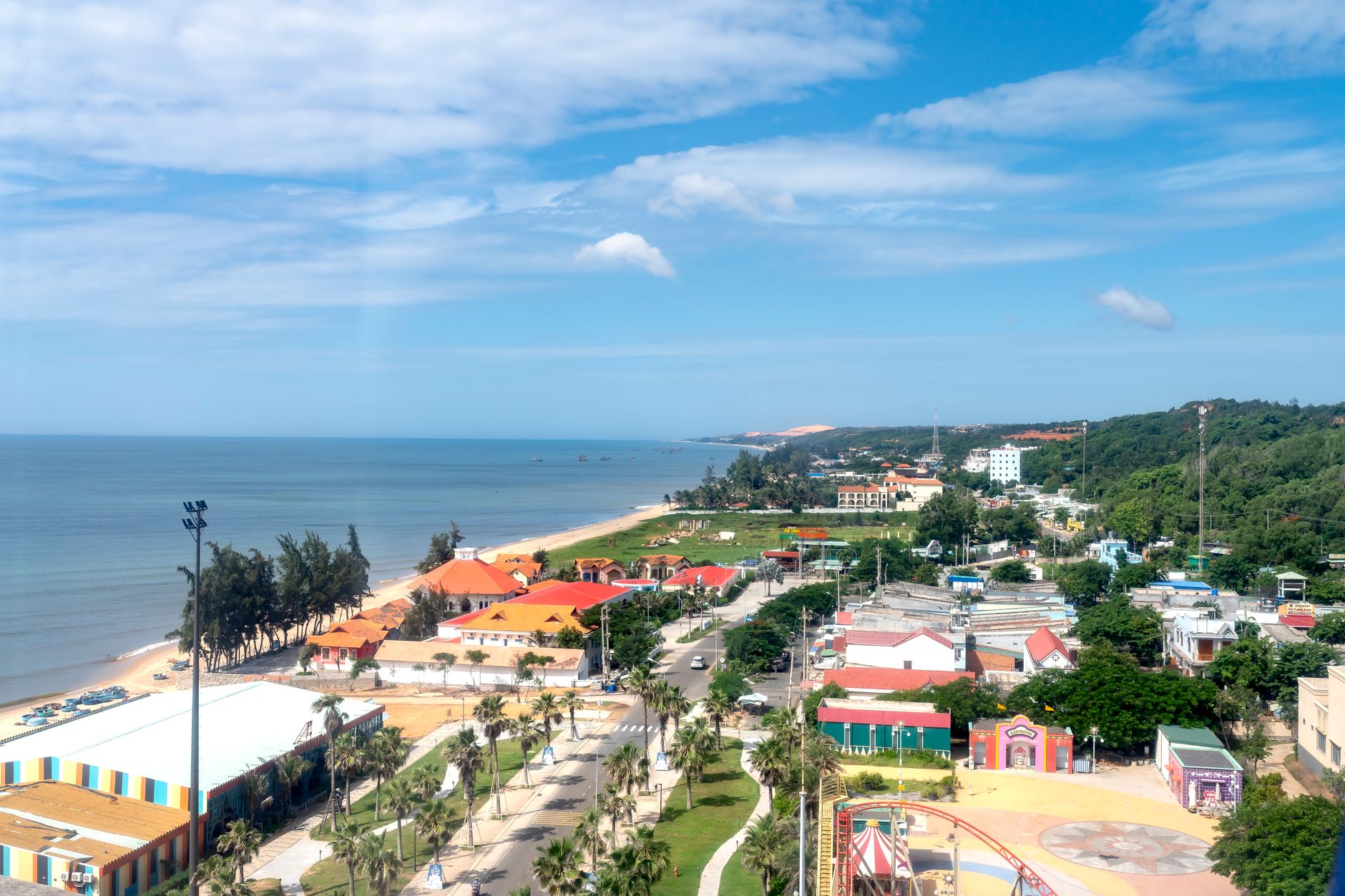
Photo by Quang Nguyen Vinh on Pexels
Ky Anh: the rural option
Ky Anh is a small district town 40 km south of Vinh, known as the birthplace of Ho Chi Minh's mother. It's rarely a destination in itself but can be a stopover if you're cycling or doing a slow journey through central Vietnam. A handful of small hotels cater to locals; rates are 200,000–400,000 VND for a double. Expect basic rooms and little English.
Why choose this tier: you're on a motorbike trip or slow travel, you want to sleep where tourists don't typically go, and you're comfortable with minimal amenities. This is rural Vietnam, not a tourism product.
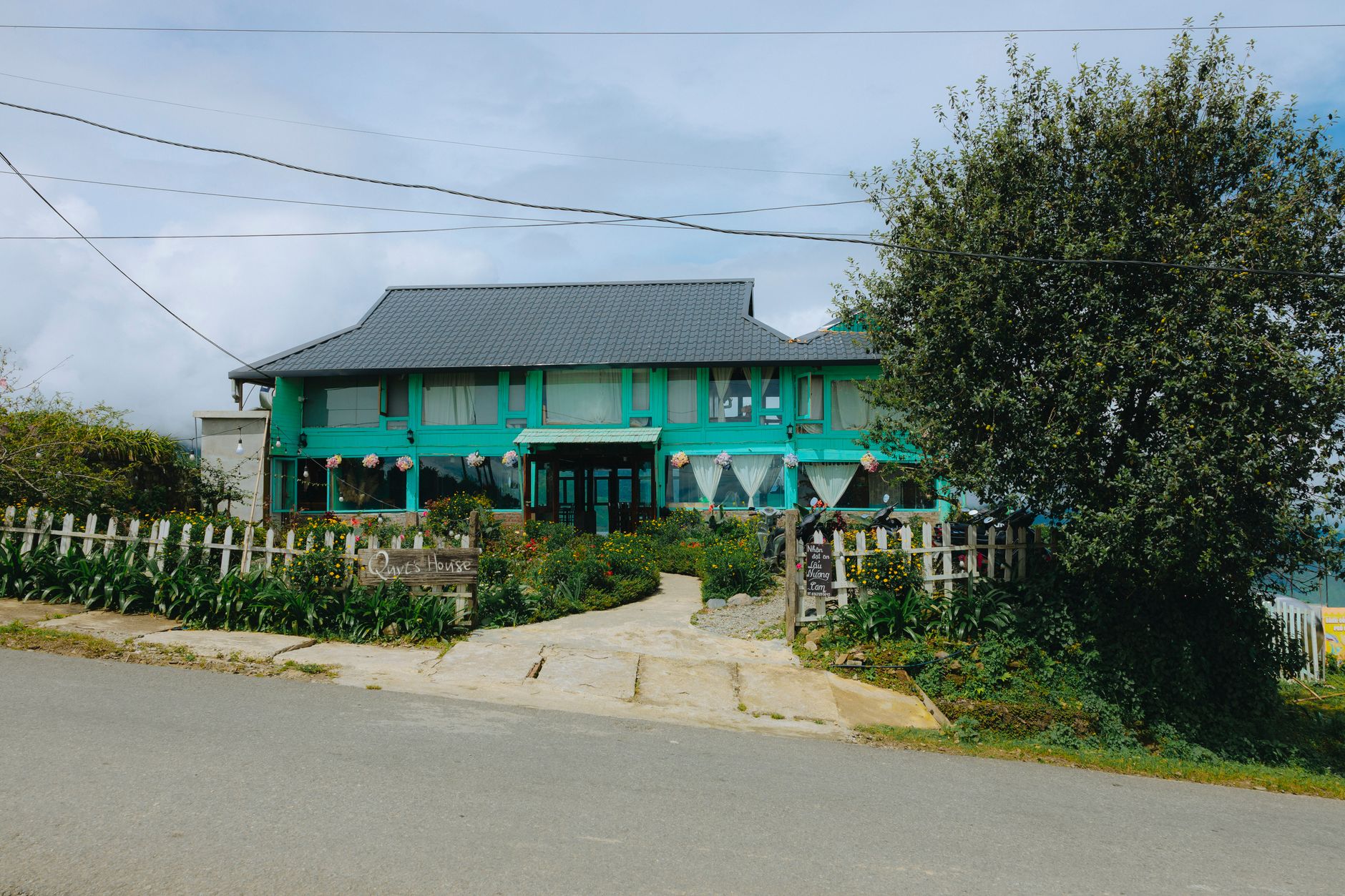
Photo by HONG SON on Pexels
Practical notes
Booking in advance is unnecessary—Vinh has enough rooms that walk-in rates are usually discounted or negotiable, especially outside the peak season (October to March). Midrange hotels near Quang Trung Market are the safest bet if you're arriving without a reservation. Cua Lo is busiest on weekends and around Tet; if you plan a beach day, go Tuesday–Thursday. The provincial tourist office on Hung Vuong Street can help with onward transport to Ha Tinh, Thanh Hoa, or Laos (via Vientiane–Nong Khai border crossings), though booking buses online is faster.
Going to Vietnam? Eat and travel smarter.
Monthly: new dishes, off-the-beaten-path destinations, and itineraries — straight to your inbox. No spam. Unsubscribe anytime.
Join 0 expats. (We just launched.)
More from nghe-an
Other articles covering this city.

Nghe An Best Time to Visit: A Traveler's Guide
Nghe An's weather swings hard between monsoons and dry spells. September to November is ideal; avoid the summer rains and winter chill unless you're chasing specific festivals or don't mind crowds.

Getting to Nghe An: Transport Options from Hanoi, Saigon & Da Nang
Nghe An sits between Hanoi and the central coast. Here's how to reach it by bus, train, flight, or motorbike—with costs, schedules, and where to base yourself.

What to Eat in Nghe An: A Traveler's Food Guide
Nghe An's food scene balances coastal seafood, mountain herbs, and working-class dishes shaped by the province's geography and history. Here's where locals actually eat and what's worth your money.
More from Central Vietnam
Other articles covering the same region.

Paradise Cave, Quang Binh: The 31km Marble Cave That Beats Phong Nha for Photographers
Paradise Cave runs 31km through Quang Binh's karst and delivers the kind of cathedral-scale formations that Phong Nha's boat tour simply can't match. Here's how to see it properly.

Son Doong Cave: What the $3,000 Oxalis Expedition Actually Includes
Son Doong is the world's largest cave and only one operator is legally allowed to take you inside. Here is what the permit-only expedition covers and whether it is worth it.

Phong Nha Cave: Wet Cave, Dry Cave, and How to Choose
Phong Nha has two main caves worth your time — one you reach by river boat, one on foot. Here's how to pick, what each costs, and when to go.
More in Destinations
More articles from the same category.

Landmark 81 Saigon: Observation Deck, Ice Rink, and Getting There from District 1
Landmark 81 is Vietnam's tallest building and Saigon's most visible skyline anchor. Here's what's actually inside and whether it's worth the trip.

Bitexco Financial Tower: Skydeck, Helipad Bar, and Whether the Ticket Is Worth It
Saigon's most recognizable skyscraper charges 250,000 VND to ride up to the 49th floor — here's what you actually see, and whether you should bother.

Notre Dame Cathedral Saigon: French Colonial Centerpiece in the Heart of HCMC
Saigon's Notre Dame Cathedral has been wrapped in scaffolding for years, but the square in front of it remains one of the best starting points for a colonial-era walking tour of District 1.

Hoi An Lantern Festival: Full Moon Nights and How to Plan Around Them
Once a month, Hoi An cuts the electricity and lights the Ancient Town with silk lanterns. Here's what actually happens and how to not spend the evening stuck in a crowd.

Japanese Bridge Hoi An: 400 Years of History, a Restoration Row, and How to See It Right
Hoi An's Japanese Bridge has anchored the Ancient Town for four centuries. Here's what to know about its origins, the restoration that divided locals, and when to visit.

Hoi An Old Town Walking Guide: Yellow Walls, Lantern Alleys, and the Japanese Bridge
A street-level route through Hoi An's UNESCO core — old merchant houses, assembly halls, the famous Japanese Bridge, and when to walk each stretch for the best light.
Comments
Loading…