What to Eat in Nghe An: A Traveler's Food Guide
Nghe An's food scene balances coastal seafood, mountain herbs, and working-class dishes shaped by the province's geography and history. Here's where locals actually eat and what's worth your money.

Nghe An sits on the Gulf of Tonkin with mountains inland, which means the food here isn't trying to be fancy—it's honest, ingredient-driven, and shaped by what the sea and farms provide. If you're passing through, you'll find dishes you won't see in Hanoi or Saigon, and prices that feel genuinely local.
Regional specialties worth seeking out
"Mam tom" is the first thing people think of when they mention Nghe An food. It's a fermented shrimp paste that's pungent, funky, and absolutely essential to the local palate. You'll find it as a condiment at nearly every market stall and family restaurant, served alongside "banh cuon" (steamed rice rolls) or grilled fish. A small container of house-made "mam tom" costs 20,000–40,000 VND at markets; if you're not used to fermented seafood, the smell hits before the taste. Locals eat it without hesitation. Tourists either love it or leave it.
"Ca loc xao sai" is another signature dish—catfish stir-fried with dill and turmeric, finished with crispy fried shallots. The dill is key; it's not a garnish but a structural ingredient that lightens the richness of the fish. You'll find it at family-run seafood spots near the port area of Vinh, the provincial capital. Expect to pay 60,000–120,000 VND for a plate that serves two to three people.
"Banh canh ca chua" (tapioca cake with catfish) is less common outside the province but appears regularly on menus in working-class restaurants. The cake itself is dense, slightly chewy, made from tapioca flour, and served in a light broth with chunks of catfish and greens. It's comfort food—nothing fancy, but the texture is completely different from the "banh canh" you might find elsewhere in Vietnam. A bowl runs 30,000–50,000 VND.
Where locals actually eat
The Vinh central market (Cho Vinh) is the real pulse. Don't go for Instagram moments—go at 6:30 AM when it's packed with construction workers, cyclo drivers, and retirees. There are no English menus, no tourist pricing, just food. You'll find stalls selling "banh cuon" with "mam tom" (35,000 VND), grilled fish skewers (5,000 VND each), and "com tam" (broken-rice plates) with grilled catfish or pork for 30,000–40,000 VND. The counter seating is plastic stools, the fluorescent lights are harsh, and the coffee after breakfast is strong and cheap.
For sitting-down meals, search for small family restaurants (com nha) in alleys off Le Loi Street and Hang Dau Street. These aren't labeled as tourist spots. You'll order from a chalk board or point at what's simmering in the kitchen. A full meal—soup, vegetables, protein, rice—costs 50,000–80,000 VND. Seafood shops clustered near Cua Lo Beach (about 20 km east of Vinh) sell fresh catches at market rates; you pick your fish, they grill or steam it, and you eat it with rice and greens in a simple open-air hut.
Seafood specialties
Nghe An's coast produces white fish, squid, and shrimp. Grilled squid here is often marinated overnight in lemongrass and chili, then cooked over charcoal. A portion (200–300 grams) costs 80,000–150,000 VND depending on the restaurant tier. At Cua Lo, you can eat directly on the beach for roughly the same price as eating in town—the difference is atmosphere, not cost.
"Hu tieu" (clear pork-based soup with tapioca noodles) is made here with extra seafood stock and local white fish. The broth is light but layered, nothing like the southern "hu tieu" style. You'll find it at small noodle shops for 35,000–55,000 VND.
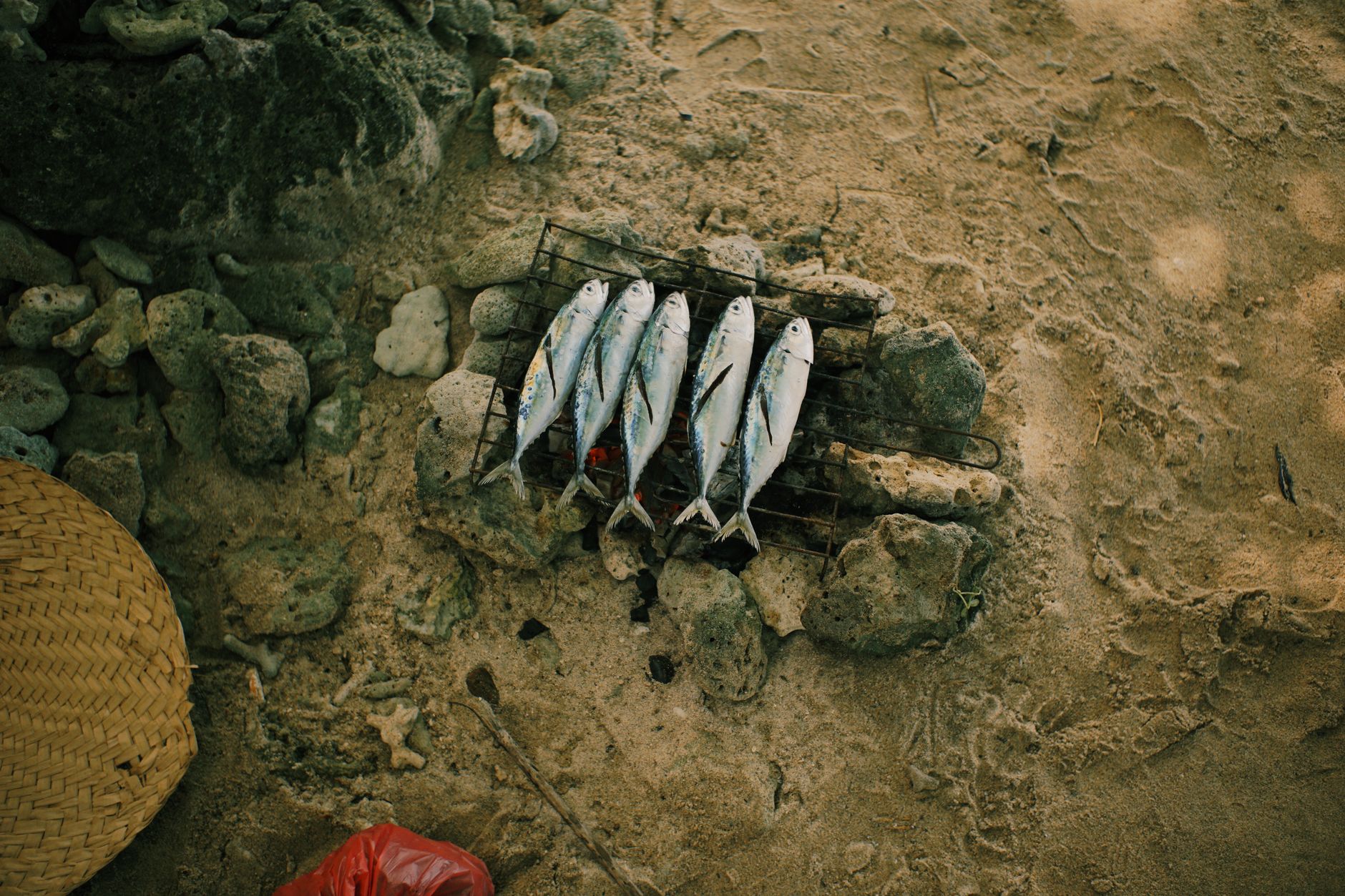
Photo by Alexis Ricardo Alaurin on Pexels
What to avoid
Restaurants with laminated color menus near the Vinh train station or targeting backpackers charge 2–3 times market rates for mediocre execution. Beef dishes marked "specialty" are usually overpriced; stick to seafood and pork. Tours offering "local food experiences" often bundle you with other tourists and take you to restaurants owned by guide families—the food is fine, the price premium is real.
Drinks and sweets
"Ca phe sua da" (iced coffee with sweetened condensed milk) is the same formula everywhere in Vietnam, but Nghe An coffee uses darker roasts. A small cup costs 15,000–20,000 VND. For something sweeter, "che ba cot" (a herbal-coconut drink with tapioca pearls) appears at some dessert stalls and costs 10,000–15,000 VND.
Shrimp chips ("banh trang nuong") are made fresh at several producers in Vinh and sold by weight; 100 grams runs 20,000–30,000 VND. They crack loudly when you bite them.
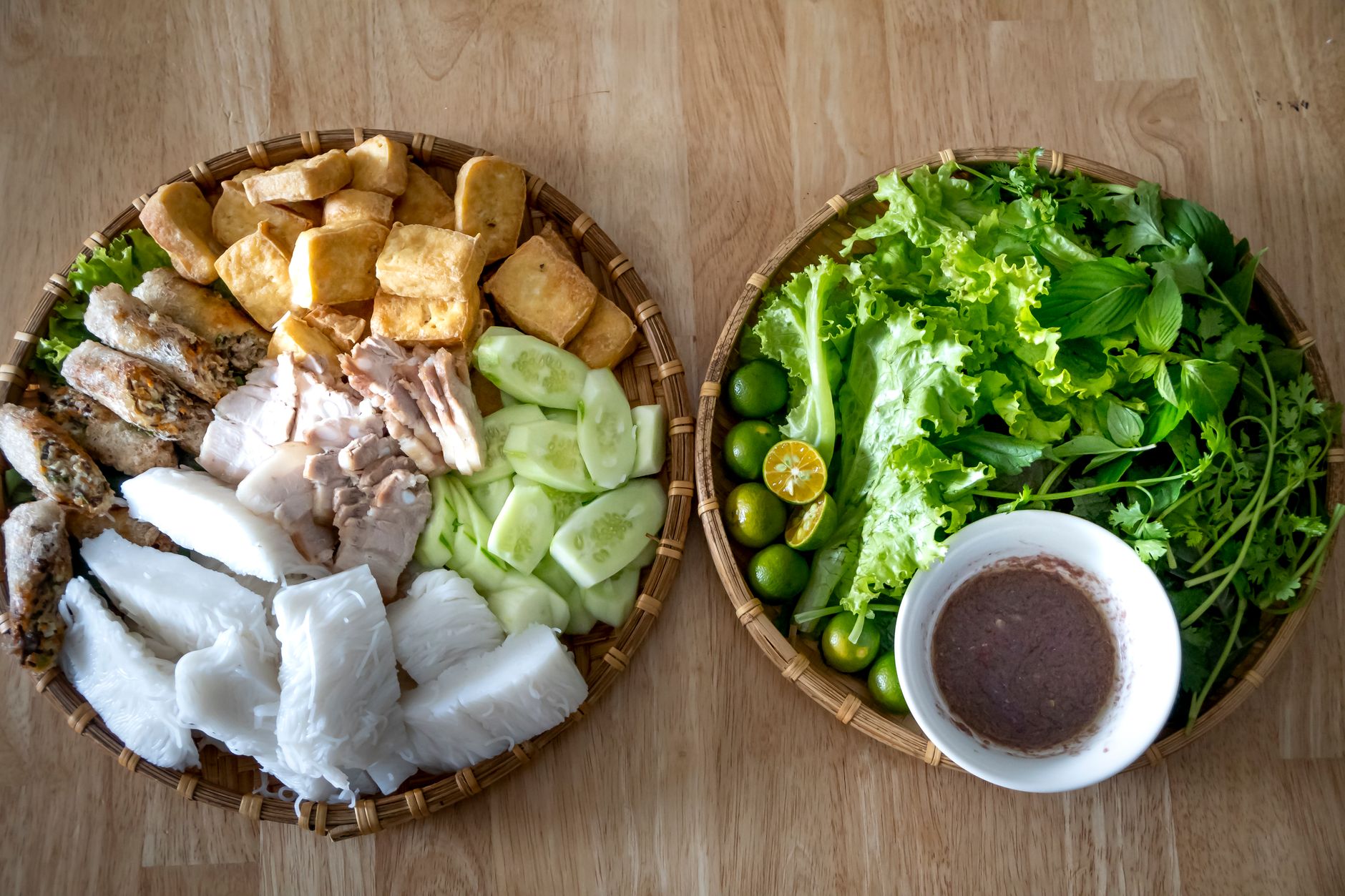
Photo by Quang Nguyen Vinh on Pexels
Cost expectations
Breakfast at a market: 25,000–40,000 VND. Lunch or dinner at a family restaurant: 50,000–100,000 VND per person. Seafood meal at Cua Lo: 100,000–200,000 VND per person including beer. Coffee: 15,000–25,000 VND. Street snacks: 5,000–20,000 VND.
You're not paying Hanoi or Saigon prices. Nghe An food is cheaper because the province is less touristed and labor costs are lower. That same economics means less English on menus and fewer global food-safety assumptions, so eat where there's turnover and visible prep.
Practical notes
Nghe An is most easily reached from Hanoi by bus (6–7 hours) or train. The main food action is in Vinh, the capital, though Cua Lo Beach (20 km away) offers a different eating experience if you have time. Eating at markets early in the day is your best bet for freshness and authenticity; restaurants thin out after 9 PM. Bring cash—smaller spots don't accept cards.
Going to Vietnam? Eat and travel smarter.
Monthly: new dishes, off-the-beaten-path destinations, and itineraries — straight to your inbox. No spam. Unsubscribe anytime.
Join 0 expats. (We just launched.)
More from nghe-an
Other articles covering this city.

Nghe An Best Time to Visit: A Traveler's Guide
Nghe An's weather swings hard between monsoons and dry spells. September to November is ideal; avoid the summer rains and winter chill unless you're chasing specific festivals or don't mind crowds.

Getting to Nghe An: Transport Options from Hanoi, Saigon & Da Nang
Nghe An sits between Hanoi and the central coast. Here's how to reach it by bus, train, flight, or motorbike—with costs, schedules, and where to base yourself.

Where to stay in Nghe An: neighborhoods, prices, and what to expect
Nghe An has no backpacker bubble, but honest budget guesthouses, midrange hotels, and a handful of upscale resorts. This guide maps out neighborhoods and price ranges for each traveler type.
More from Central Vietnam
Other articles covering the same region.

Paradise Cave, Quang Binh: The 31km Marble Cave That Beats Phong Nha for Photographers
Paradise Cave runs 31km through Quang Binh's karst and delivers the kind of cathedral-scale formations that Phong Nha's boat tour simply can't match. Here's how to see it properly.

Son Doong Cave: What the $3,000 Oxalis Expedition Actually Includes
Son Doong is the world's largest cave and only one operator is legally allowed to take you inside. Here is what the permit-only expedition covers and whether it is worth it.

Phong Nha Cave: Wet Cave, Dry Cave, and How to Choose
Phong Nha has two main caves worth your time — one you reach by river boat, one on foot. Here's how to pick, what each costs, and when to go.
More in Destinations
More articles from the same category.

Landmark 81 Saigon: Observation Deck, Ice Rink, and Getting There from District 1
Landmark 81 is Vietnam's tallest building and Saigon's most visible skyline anchor. Here's what's actually inside and whether it's worth the trip.

Bitexco Financial Tower: Skydeck, Helipad Bar, and Whether the Ticket Is Worth It
Saigon's most recognizable skyscraper charges 250,000 VND to ride up to the 49th floor — here's what you actually see, and whether you should bother.

Notre Dame Cathedral Saigon: French Colonial Centerpiece in the Heart of HCMC
Saigon's Notre Dame Cathedral has been wrapped in scaffolding for years, but the square in front of it remains one of the best starting points for a colonial-era walking tour of District 1.

Hoi An Lantern Festival: Full Moon Nights and How to Plan Around Them
Once a month, Hoi An cuts the electricity and lights the Ancient Town with silk lanterns. Here's what actually happens and how to not spend the evening stuck in a crowd.

Japanese Bridge Hoi An: 400 Years of History, a Restoration Row, and How to See It Right
Hoi An's Japanese Bridge has anchored the Ancient Town for four centuries. Here's what to know about its origins, the restoration that divided locals, and when to visit.

Hoi An Old Town Walking Guide: Yellow Walls, Lantern Alleys, and the Japanese Bridge
A street-level route through Hoi An's UNESCO core — old merchant houses, assembly halls, the famous Japanese Bridge, and when to walk each stretch for the best light.
Comments
Loading…