How to Get to Phu Tho: Transport Options from Hanoi and Beyond
Phu Tho is Vietnam's northern gateway to rural Red River culture and the Hung Kings Festival. Here's how to reach it by bus, train, motorbike, or rental car from Hanoi and other cities.

Phu Tho sits about 85 km northwest of Hanoi, straddling the Red River in the northern flatlands. It's not a typical beach or mountain resort destination—it's known for traditional craft villages, fruit orchards, and the Hung Kings Festival (Tet Nguyen Dan time). Getting there is straightforward from Hanoi, but options thin out if you're coming from further afield.
From Hanoi by bus
This is the cheapest and most frequent option. Several bus operators run routes from Hanoi to Viet Tri (Phu Tho's main city) multiple times daily.
My Dinh Bus Station (southwestern Hanoi) has the most consistent departures. Buses leave roughly every 30 minutes from 5am to 5pm. The ride takes 1.5 to 2.5 hours depending on traffic and stops. Fares run 60,000–90,000 VND (US$2.50–3.80) for a standard seat.
Kim Ma Bus Station (central Hanoi, Ba Dinh district) also serves Phu Tho with less frequent but slightly faster connections. Same price range, slightly shorter journey if traffic is light.
Buses drop you at Viet Tri Central Bus Station (Ben Xe Viet Tri), located on the southern edge of town. From there, grab a "xe om" (motorbike taxi) or regular taxi to your hotel—most rides within Viet Tri cost 30,000–50,000 VND.
From Hanoi by train
A slower, more atmospheric option. The Hanoi–Da Nang railway passes through Phu Tho, and a few daily services stop at Viet Tri Station. Journey time is 3–4 hours (vs. 2 hours by bus), but train travel offers better legroom and a chance to watch the Red River delta roll past.
Tickets are typically cheaper than buses—40,000–70,000 VND for a seat. Book at Hanoi Central Station (Ga Hang Co) or online via Vietnam Railways (duongsat.com.vn). Trains are less frequent than buses (2–3 departures per day), so check the schedule ahead of time.
Viet Tri Station is in the town center, so getting to your accommodation is easier than from the bus station.
From Hanoi by motorbike or rental car
If you want independence and don't mind a 2-hour drive, renting a motorbike (150,000–250,000 VND/day) or car with driver (600,000–900,000 VND/day) gives you flexibility to explore at your own pace.
The route is straightforward: head north from Hanoi on National Highway 2, passing through Bac Ninh and Bac Giang provinces. The roads are flat and well-maintained, though traffic around Hanoi can be chaotic early morning.
If you're a confident rider, this is the best way to stop at roadside "che da" (iced tea) stalls, photo spots, and small fruit-selling villages. Rental companies in Hanoi's Old Quarter can arrange drop-off in Viet Tri if you're not returning.

Photo by Quang Nguyen Vinh on Pexels
From other cities
From Da Nang or Hue: You'll likely change in Hanoi. Direct buses from Da Nang to Phu Tho don't run; fly or take a train/bus to Hanoi first (4–5 hours minimum), then onward to Phu Tho. Total transit time: 7–10 hours. Not recommended unless you have a specific reason to visit Phu Tho as part of a northern loop.
From Saigon: Again, Hanoi is the hub. A cheap flight to Hanoi (2 hours, 100,000–300,000 VND if booked in advance) is faster than a 24-hour bus ride. Then bus or train as above.
Where to base yourself
Viet Tri is the obvious choice—it's Phu Tho's largest city and has the best hotels, restaurants, and services. Budget guesthouses run 150,000–250,000 VND/night; mid-range hotels (with AC and breakfast) 350,000–550,000 VND.
If you want something quieter and more rural, the smaller towns of Phu Tho Town (30 km south of Viet Tri) or villages around the Hung Kings Temple offer homestays and eco-lodges. These require a motorbike or hired car to reach comfortably.
For a day trip: most people base themselves in Hanoi and visit Phu Tho as a half-day or full-day excursion via bus or motorbike.
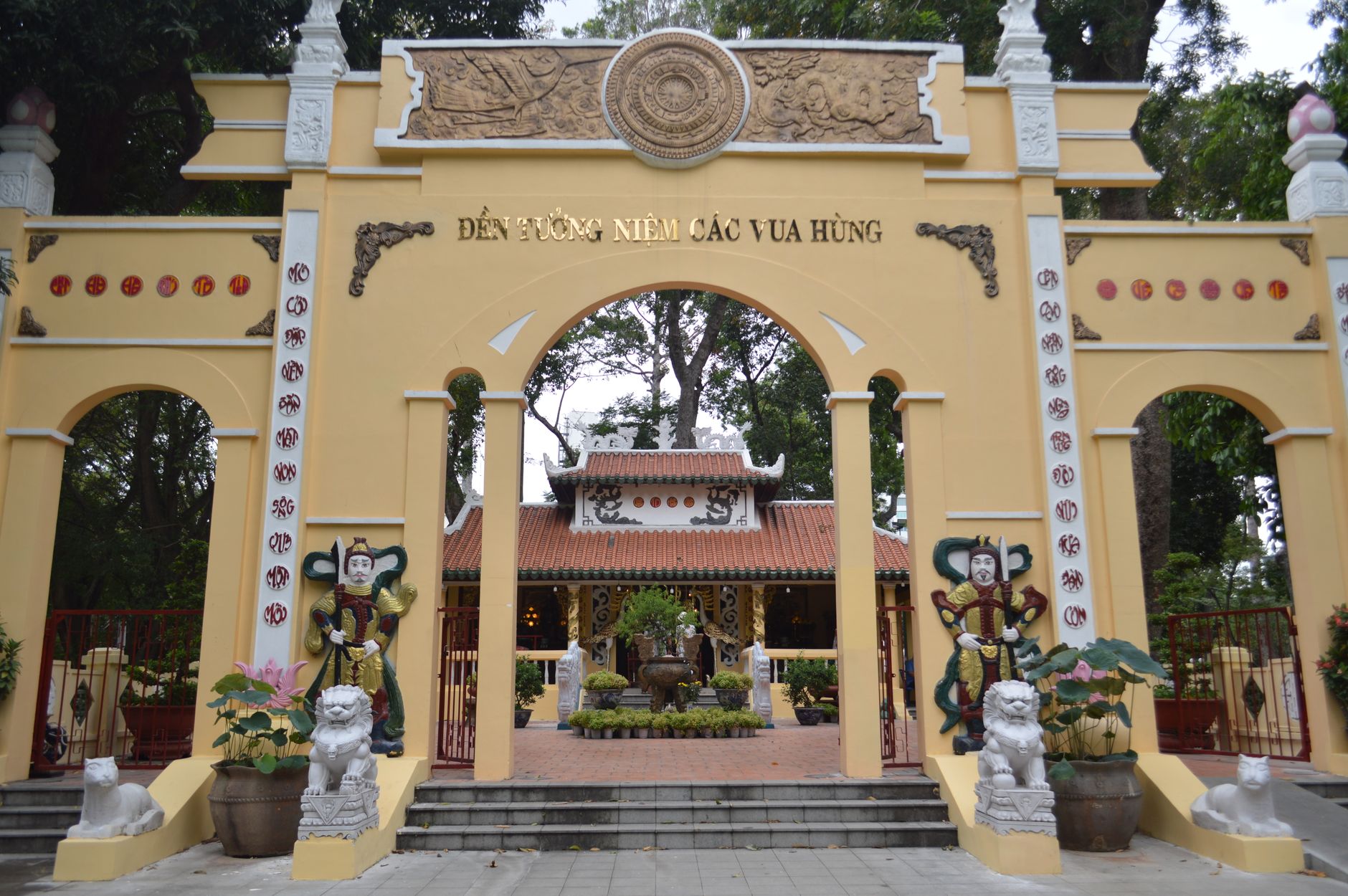
Photo by Valeria Drozdova on Pexels
Best times to visit
The Hung Kings Festival (late March or early April, depending on the lunar calendar) is the main draw—thousands gather at Hung Kings Temple. If you want to avoid crowds and heat, October–November offers mild weather and clear skies. June–August is hot and humid.
Practical notes
Viet Tri itself is industrial and less touristy than Hanoi or Da Nang, so manage expectations. The real appeal lies in getting off the tourist trail: visiting "banh chung" (sticky rice cake) makers, orchards, and traditional craft workshops. A motorbike or car rental gives you the most freedom to explore the Red River villages at your own pace. If you're short on time, a morning bus from Hanoi, a few hours exploring Hung Kings Temple and nearby villages, and an evening bus back to Hanoi is a realistic itinerary.
Going to Vietnam? Eat and travel smarter.
Monthly: new dishes, off-the-beaten-path destinations, and itineraries — straight to your inbox. No spam. Unsubscribe anytime.
Join 0 expats. (We just launched.)
More from phu-tho
Other articles covering this city.

Phu Tho What to Do: A Traveler's Guide
Phu Tho is a quiet province 90 km north of Hanoi with craft villages, temples, and hiking. Most travelers skip it—here's what's actually worth your time.

Phu Tho: Best Time to Visit & What to Expect Each Season
Phu Tho's weather shifts sharply between humid summers and crisp winters. Choose your season based on crowds, festivals, and whether you prefer hiking or temple visits.
More from Northern Vietnam
Other articles covering the same region.

Hoa Lu Ancient Capital: Vietnam's First Kingdom and How to Visit from Ninh Binh
Hoa Lu was Vietnam's first royal capital, and the two temple complexes that survive are among the most atmospheric historical sites in the north.

Hoan Kiem Lake: The Sword Legend, Ngoc Son Temple, and When to Visit
Hoan Kiem Lake sits at the center of Hanoi's Old Quarter — here's the legend behind it, how to walk it properly, and when the streets actually belong to you.

Lung Cu Flag Tower: Vietnam's Northernmost Point
The drive to Lung Cu Flag Tower takes you to Vietnam's northernmost point at 1,500 metres. It's a half-day trip from Dong Van with a steep climb, mountain views, and nearby Hmong villages.
More in Destinations
More articles from the same category.

Landmark 81 Saigon: Observation Deck, Ice Rink, and Getting There from District 1
Landmark 81 is Vietnam's tallest building and Saigon's most visible skyline anchor. Here's what's actually inside and whether it's worth the trip.

Bitexco Financial Tower: Skydeck, Helipad Bar, and Whether the Ticket Is Worth It
Saigon's most recognizable skyscraper charges 250,000 VND to ride up to the 49th floor — here's what you actually see, and whether you should bother.

Notre Dame Cathedral Saigon: French Colonial Centerpiece in the Heart of HCMC
Saigon's Notre Dame Cathedral has been wrapped in scaffolding for years, but the square in front of it remains one of the best starting points for a colonial-era walking tour of District 1.

Paradise Cave, Quang Binh: The 31km Marble Cave That Beats Phong Nha for Photographers
Paradise Cave runs 31km through Quang Binh's karst and delivers the kind of cathedral-scale formations that Phong Nha's boat tour simply can't match. Here's how to see it properly.

Son Doong Cave: What the $3,000 Oxalis Expedition Actually Includes
Son Doong is the world's largest cave and only one operator is legally allowed to take you inside. Here is what the permit-only expedition covers and whether it is worth it.

Phong Nha Cave: Wet Cave, Dry Cave, and How to Choose
Phong Nha has two main caves worth your time — one you reach by river boat, one on foot. Here's how to pick, what each costs, and when to go.
Comments
Loading…