What You Can Buy at a Vietnam Pharmacy Without a Prescription
Vietnam's pharmacies sell antibiotics, painkillers, and stomach remedies over the counter—legally and cheaply. Here's what's available, where to find it, and what to bring from home.

The pharmacy landscape
Walking into a Vietnam pharmacy is disorienting for foreigners used to Western restrictions. Antibiotics sit on open shelves. A pharmacist will sell you a course of amoxicillin for 30,000 VND without asking a single question. This is legal in Vietnam—antibiotics are not controlled medications the way they are in the US or UK. Whether it's wise is another debate, but it's the reality.
Most pharmacies are small, neighborhood shops with a white cross on the door. Bigger chains like Long Chau ("Nha Thuoc Long Chau") operate hundreds of outlets across the country and often stay open until 10 or 11 p.m., which matters if you get sick on a Sunday.
What's actually available OTC
Antibiotics: Amoxicillin, cephalexin, and azithromycin are commonplace. Pharmacists will sell you 3–7 days' worth without prescription or diagnosis. Just tell them your symptom—sore throat, skin infection, respiratory—and they'll hand you a box. Prices run 15,000–50,000 VND per course depending on strength and duration.
Painkillers and anti-inflammatories: Paracetamol (acetaminophen) and ibuprofen are stocked everywhere, often under Vietnamese brands like Paracetamol Medipharm or Ibuprofen Stada. A packet of 10 tablets costs around 5,000–10,000 VND. Aspirin is also available but less common for casual use.
Stomach remedies: "Motilium" (domperidone) and "Smecta" (diosmectite) are the pharmacy standbys. Motilium settles nausea and indigestion; Smecta binds loose stools. Both are extremely cheap (5,000–15,000 VND per box) and the pharmacist will hand them over immediately. If you eat street food or suspect traveler's diarrhea, these are your friends.
Antacids and acid-reflux tablets: Omeprazole and famotidine show up on shelves. Useful if you're sensitive to spicy food or rich broths.
Antihistamines: First-generation (like chlorpheniramine) and second-generation (like cetirizine) antihistamines for allergies and insect bites are freely available, typically 10,000–20,000 VND per box.
Topical creams: Antiseptic ointments, hydrocortisone cream for rashes, and antihistamine creams for itchy bites line the shelves. Useful after exploring temples or hiking in Sapa.
Cold and flu products: Multi-symptom remedies, cough syrups, and decongestants are stocked but often contain ingredients you wouldn't recognize. Ask the pharmacist before buying.
Where to buy
The Long Chau chain is your safest bet for reliability and late hours. Every neighborhood has a local pharmacy; just look for the white cross sign. In tourist areas (Hanoi Old Quarter, District 1 in Saigon, Hoi An), pharmacies are used to foreign customers and often have English-speaking staff.
Pharmacy staff are not doctors. They make educated guesses based on your description. If you're seriously ill, see a hospital or clinic instead. Many international clinics in Hanoi and Saigon (사이공 / 西贡 / サイゴン) cater to expats and tourists, though costs are higher.
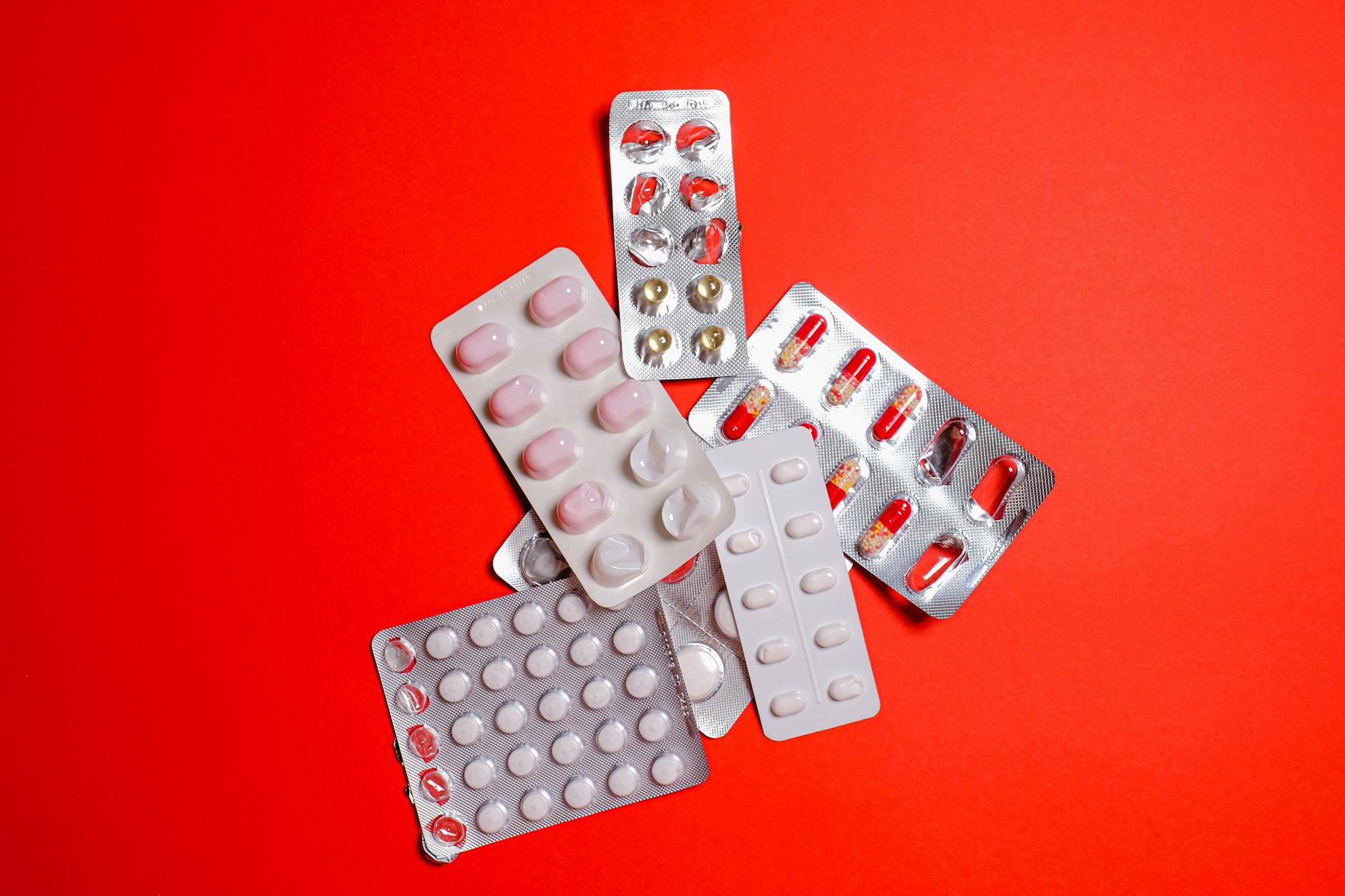
Photo by Anna Shvets on Pexels
Communication tips
Most pharmacists speak basic English in major cities; in smaller towns, you'll struggle. Learn to say your symptom in Vietnamese or show a picture on your phone. "Ho" means cough, "sot" means fever, "dau bung" means stomach pain. Pointing and miming go a long way.
If the pharmacist hands you something you didn't expect, ask "day la cai gi?" ("What is this?") and check your phone for the active ingredient. Some multi-symptom cold tablets contain ephedrine or other ingredients banned or restricted in your home country.
What to bring from home
Despite pharmacy abundance, consider packing:
- Prescription medications you depend on (insulin, blood pressure drugs, psychiatric medications). Vietnam (베트남 / 越南 / ベトナム) pharmacies will not refill prescriptions reliably, and your specific drug may not be stocked.
- Antihistamines you trust. Vietnamese cold remedies are heavy-handed and unpredictable.
- Blister treatment and athletic tape if you hike or walk long distances. These are harder to find.
- Sunscreen stronger than what Vietnam typically stocks (most local brands are SPF 30 or below).
- Any specialty items: migraine-specific painkillers, motion-sickness tablets, prescription-strength antifungal creams.
If you're flying with medications, pack them in their original containers and keep a copy of the prescription or doctor's letter in case customs asks.

Photo by HONG SON on Pexels
Cost context
Pharmacy prices are a fraction of Western equivalents. A week of antibiotics costs 30,000–50,000 VND (roughly USD 1.50–2.50). Even in a tourist area, you're paying local prices, not inflated foreigner rates.
Bottom line
Vietnam pharmacies are permissive and cheap, but that freedom cuts both ways. Overuse of antibiotics is a real public health problem. If you have mild symptoms—a tickly throat, mild stomach upset, insect bites—try rest and hydration first. Save the pharmacy for actual infection or pain that interrupts your trip.
Going to Vietnam? Eat and travel smarter.
Monthly: new dishes, off-the-beaten-path destinations, and itineraries — straight to your inbox. No spam. Unsubscribe anytime.
Join 0 expats. (We just launched.)
More from All of Vietnam
Other articles covering the same region.

Best Tau Hu in Hoi An: Where Locals Send You
Tau hu—silky tofu soup—tastes different in Hoi An. Here's where locals actually eat it, and why.

7 Days in Vietnam: A Yoga and Meditation Itinerary
A week-long route through Vietnam's quietest corners: Sapa's mountain silence, a meditation center in the Mekong, and coastal stillness in Da Lat. Real costs, transport, and retreat recommendations.

7 Days in Vietnam: A Solo Backpacker Itinerary
A tested week-long route through Hanoi, Ha Long Bay, and Saigon with budget lodging, street food, and overland transport. Real costs and booking tips included.
More in Travel Tips
More articles from the same category.

Where to Stay in Saigon: District 1 vs District 3 vs District 7
Three neighborhoods, three vibes. Pick District 1 for backpackers and chaos, District 3 for quiet and value, or District 7 for modern expat comfort. Here's how each stacks up.

Where to Stay in Sapa: Town Center vs Cat Cat vs Ta Van
Sapa has three distinct bases: the foggy town center for convenience, Cat Cat village for quiet hilltop views, or Ta Van for homestay immersion. Pick based on whether you're chasing comfort or trekking.

Where to Stay in Can Tho: Ninh Kieu, Cai Rang, or Orchards
Can Tho's three main neighborhoods offer different angles on Mekong Delta life. Here's how to pick based on your priorities and budget.

Where to Stay in Hue: Citadel vs South Bank vs Beach
Hue splits into three distinct neighborhoods for travelers. Each offers different trade-offs between history access, dining, and atmosphere—here's how to choose.

Vietnam Gift Culture: Red Envelopes, Lucky Money & Birthday Etiquette
Understanding "li xi", birthday cakes, and the unwritten rules of gift-giving in Vietnam—from Tet bonuses to wedding contributions.

Vietnam Tipping Guide by Service: What (and When) to Tip
Tipping isn't mandatory in Vietnam, but it's appreciated in certain services. Here's a breakdown of what to give—and what to skip—across hotels, taxis, tours, spas, and restaurants.
Comments
Loading…