Yen Bai best time to visit: a traveler's guide
Yen Bai's cool winters and mountain festivals shape the year. Here's what each season brings—and when crowds thin.

Yen Bai province sits in Vietnam's northwestern highlands, where altitude means weather swings hard and tourism feels manageable compared to the southern coast. Timing matters here: you'll either catch dry trails and clear skies, or you'll wade through mist, landslide warnings, and closed roads. Here's the season-by-season breakdown.
October to November: the sweet spot
This is peak season, and for good reason. Temperatures hover between 15–22°C, skies clear, and hiking trails dry out. The rice terraces around Mu Cang Chai reach their most dramatic—golden sheaves catch low-angle light in early mornings, and villages feel less congested than they will by December.
Crowds do pick up in late October and throughout November, especially on weekends when Hanoi day-trippers flood the rice-terrace circuit. Expect guesthouses in Mu Cang Chai village to fill by midweek. Prices tick up 15–20% above shoulder season. If you dislike crowds, arrive mid-October before the wave hits, or edge into early December when temperatures are still fine but visitor count drops.
December to February: cold, clear, fewer people
Winter in Yen Bai means mornings frost-bitten and evenings sharp—7–15°C is the range. Roads stay open, visibility is excellent, and the landscape hardens into greens and browns without the haze of warmer months. This is an underrated window: you get near-identical hiking conditions to autumn, without the tourist crush.
December carries lingering autumn light; January and February turn grey and spare. Thick fog rolls in early mornings over the valleys, creating moody photography but slow travel. Bring warm layers—thermal underwear, a fleece, a waterproof jacket. Guesthouses are less full; prices drop to baseline or below. Tourist infrastructure (restaurants, guides) stays open but with fewer visitors and sometimes reduced hours.
The Tet Lunar New Year (late January or early February, depending on the year) does bring a small uptick, but Yen Bai sees far fewer domestic travelers than the Mekong Delta or Sapa during Tet. Most Vietnamese still cluster around their home provinces.
March to May: warming, but still reasonable
Temperatures climb to 18–25°C by May. Humidity creeps in, and the risk of afternoon showers rises. Early March mirrors late February—cool, clear, sparse. By late April and May, the landscape greens aggressively, and clouds start congregating on hilltops by midday.
This is genuine shoulder season. Crowds are light, prices are mid-range, and the weather is livable if you hike in the mornings before clouds build. May marks the edge of the wet season; you'll encounter occasional downpours, but roads are typically passable and villages welcome the pre-monsoon rain.
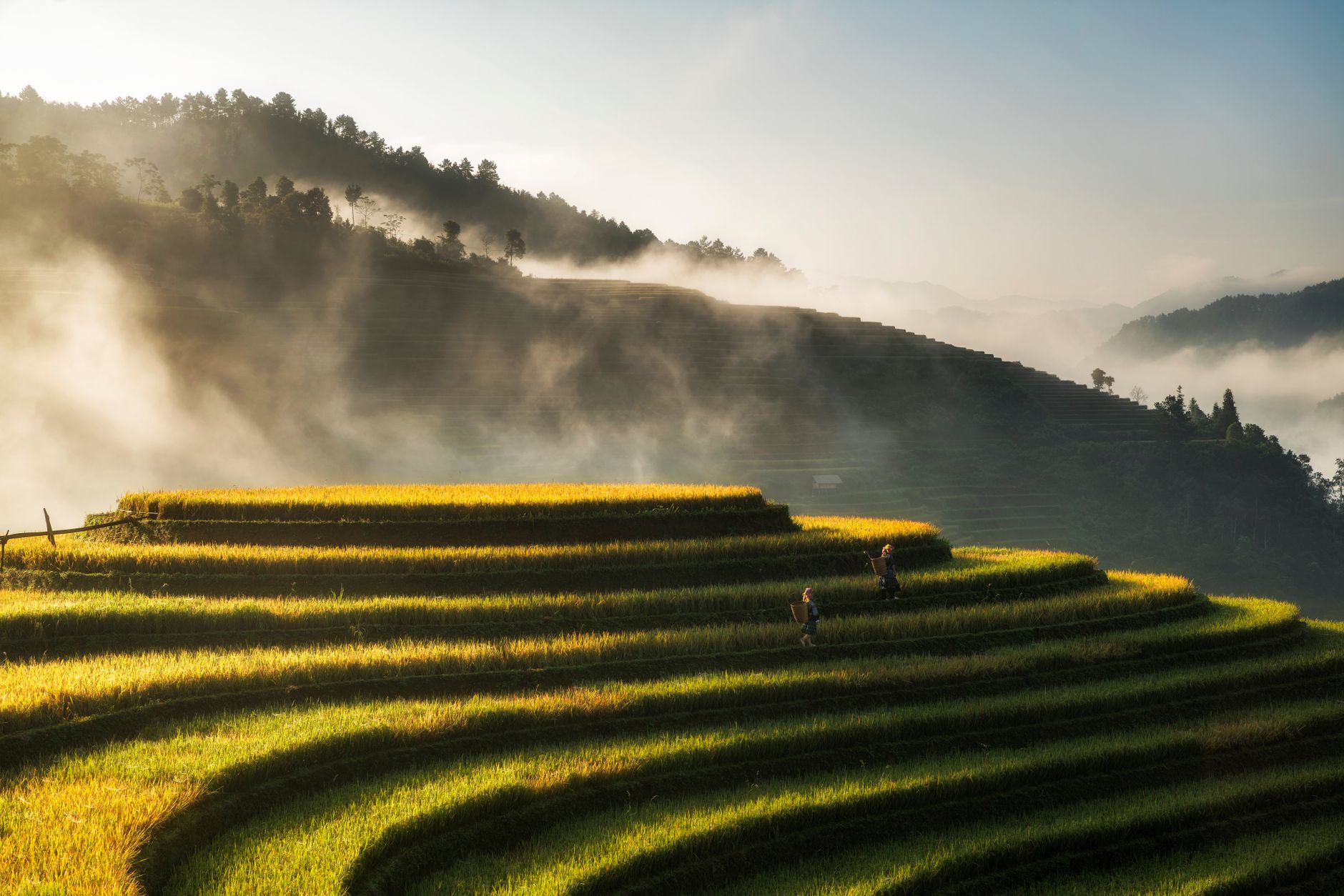
Photo by Hoach Le Dinh on Pexels
June to September: the monsoon
Southwest monsoons drench the region. Yen Bai averages 150–300 mm of rain monthly June through September, with August and September the heaviest. Temperatures hover around 20–28°C, but the mud, fog, and landslide risk make this a challenging season for casual trekkers.
Roads to remote villages—especially around Tam Duong and Tu Le—are prone to closures and washouts. Visibility on peaks drops to metres. However, tourism is near its lowest; guesthouses cut rates by 20–30%, and you may have entire trails to yourself. This is for patient, well-equipped travelers with flexible itineraries. The upside: the waterfalls roar, the valleys steam with mist, and the sense of remoteness is genuine.
Festivals and cultural anchors
Yen Bai doesn't have a single massive festival equivalent to Hung Kings Festival in Phu Tho. Instead, activities are woven into the lunar calendar and village life.
Tet (late January or early February) brings fireworks and street stalls in Yen Bai city itself, though the province stays quieter than central lowlands. Villages observe ancestor worship and family feasts. If you're visiting, expect some restaurants to close 1–3 days and bus services to thin; book accommodation early.
Tet Trung Thu (Mid-Autumn Festival, late September or early October) is celebrated in villages with lanterns and sticky rice cakes, though it overlaps with the tail end of the monsoon, so travel conditions are mixed.
Floatilla and boat races happen on local waterways (Hoa Binh Lake, Red River tributaries) in spring, usually March–April, though these are informal and visitor information is scarce. Ask your guesthouse on arrival.
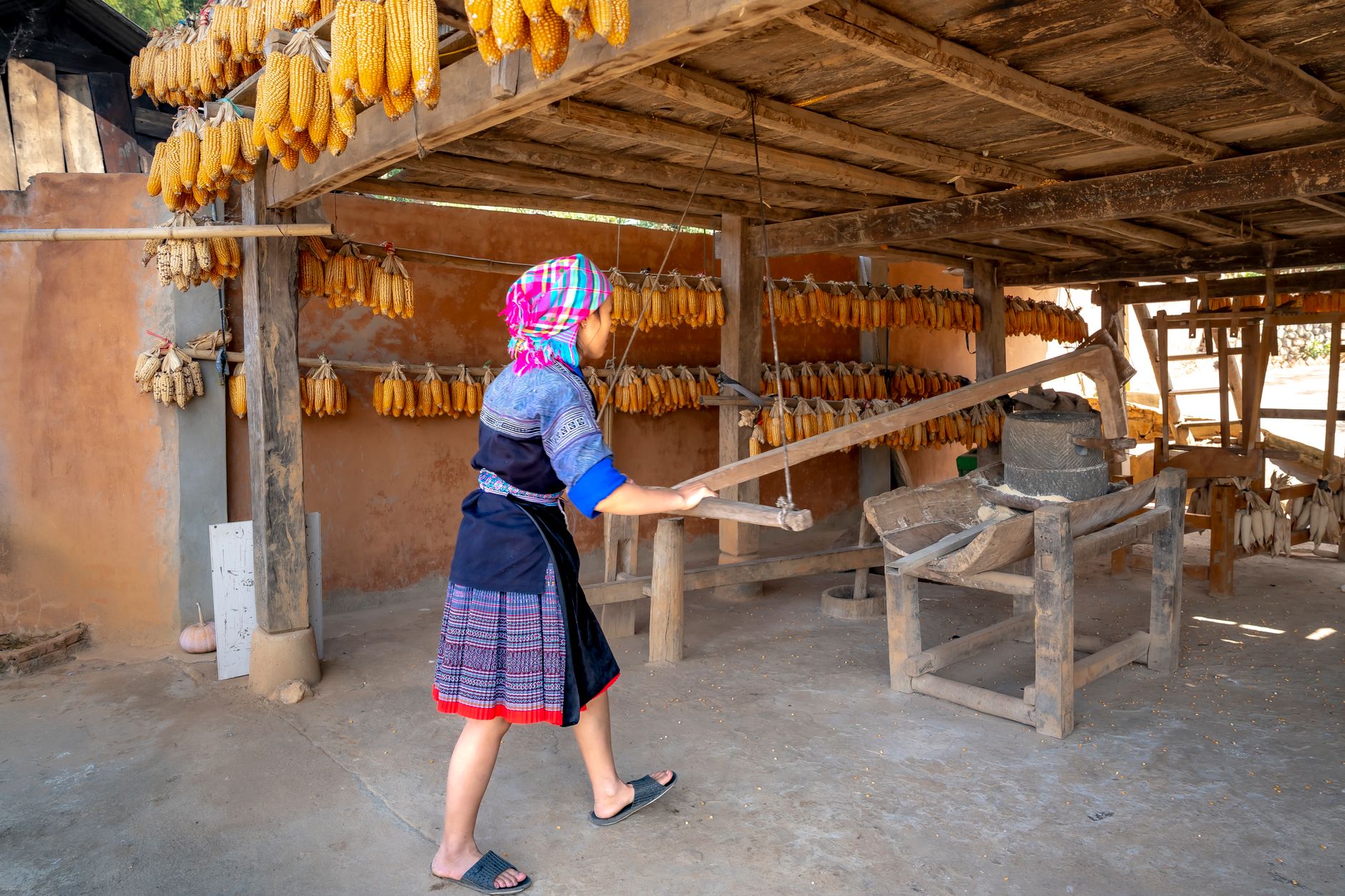
Photo by Quang Nguyen Vinh on Pexels
Tourist flow and accommodation
Peak season (October–November): Guesthouses and homestays in Mu Cang Chai book 5–7 days ahead. Prices for basic rooms range 250,000–400,000 VND. Guides for trekking are in demand; book a day or two early if you want a dedicated English speaker. Restaurants hit their busiest evenings around 6–7 p.m.
Shoulder (March–May, December): Accommodation is readily available same-day or next-day. Room rates flatten to 180,000–300,000 VND. Fewer guides are needed; availability improves. Trails are quieter, with a mixed bag of travelers.
Low season (June–September): Many guesthouses stay open but have staff on skeleton mode. Expect slower service and occasional closures on quiet weeks. Rates drop to 150,000–250,000 VND. Some restaurants in smaller villages close Mondays or operate irregular hours. This is for independent travelers with patience.
Practical notes
Yen Bai's elevation (400–1,500 m depending on location) makes it cooler and wetter than the Red River Delta. October–November is the baseline recommendation: weather is most stable, trails are open, and crowds are heavy but manageable. December–February offers the same hiking conditions with fewer people and colder mornings. Monsoon season (June–September) is rewarding only if you're flexible, equipped for mud, and content with limited visibility. Book accommodation 3–5 days ahead during peak season; last-minute is fine in low season.
Going to Vietnam? Eat and travel smarter.
Monthly: new dishes, off-the-beaten-path destinations, and itineraries — straight to your inbox. No spam. Unsubscribe anytime.
Join 0 expats. (We just launched.)
More from Northern Vietnam
Other articles covering the same region.

Hoa Lu Ancient Capital: Vietnam's First Kingdom and How to Visit from Ninh Binh
Hoa Lu was Vietnam's first royal capital, and the two temple complexes that survive are among the most atmospheric historical sites in the north.

Hoan Kiem Lake: The Sword Legend, Ngoc Son Temple, and When to Visit
Hoan Kiem Lake sits at the center of Hanoi's Old Quarter — here's the legend behind it, how to walk it properly, and when the streets actually belong to you.

Lung Cu Flag Tower: Vietnam's Northernmost Point
The drive to Lung Cu Flag Tower takes you to Vietnam's northernmost point at 1,500 metres. It's a half-day trip from Dong Van with a steep climb, mountain views, and nearby Hmong villages.
More in Destinations
More articles from the same category.

Landmark 81 Saigon: Observation Deck, Ice Rink, and Getting There from District 1
Landmark 81 is Vietnam's tallest building and Saigon's most visible skyline anchor. Here's what's actually inside and whether it's worth the trip.

Bitexco Financial Tower: Skydeck, Helipad Bar, and Whether the Ticket Is Worth It
Saigon's most recognizable skyscraper charges 250,000 VND to ride up to the 49th floor — here's what you actually see, and whether you should bother.

Notre Dame Cathedral Saigon: French Colonial Centerpiece in the Heart of HCMC
Saigon's Notre Dame Cathedral has been wrapped in scaffolding for years, but the square in front of it remains one of the best starting points for a colonial-era walking tour of District 1.

Paradise Cave, Quang Binh: The 31km Marble Cave That Beats Phong Nha for Photographers
Paradise Cave runs 31km through Quang Binh's karst and delivers the kind of cathedral-scale formations that Phong Nha's boat tour simply can't match. Here's how to see it properly.

Son Doong Cave: What the $3,000 Oxalis Expedition Actually Includes
Son Doong is the world's largest cave and only one operator is legally allowed to take you inside. Here is what the permit-only expedition covers and whether it is worth it.

Phong Nha Cave: Wet Cave, Dry Cave, and How to Choose
Phong Nha has two main caves worth your time — one you reach by river boat, one on foot. Here's how to pick, what each costs, and when to go.
Comments
Loading…