How to Get to Yen Bai: Transport Options from Hanoi, Saigon, and Da Nang
Yen Bai sits in Vietnam's Red River valley, a few hours north of Hanoi. Here's how to reach it by bus, train, motorbike, or domestic flight—plus which base works best.

Yen Bai isn't on the usual tourist circuit, which is partly why it's worth the trip. The province sprawls across the Red River valley in the far north, known for rice terraces, ethnic minority villages, and riverside roads that beat the crowded Sapa trail. Getting there is straightforward if you're starting from Hanoi; trickier if you're coming from the south.
From Hanoi (the practical route)
Hanoi is your logical jumping-off point—Yen Bai is only 150 km away, about 2.5 to 4 hours depending on your transport.
Bus
The easiest option for most travelers. Yen Bai has a central bus station (Ben Xe Yen Bai) on the southern edge of town, where most intercity buses arrive and depart. From Hanoi, you have two main terminals:
Giap Bat Terminal (southern Hanoi, near the airport side) runs the most frequent direct services. Buses depart every 30 minutes or so between 5 a.m. and 6 p.m. The journey takes 2.5–3.5 hours depending on traffic and stops. Fares run 80,000–120,000 VND (around USD 3–5). These are standard coach buses, air-conditioned, moderately comfortable. A few private minibus operators also run this route—you'll find them in Hanoi's Old Quarter hostels or can book via Ebus or similar apps, but you'll pay more (150,000–200,000 VND) for a questionable time saving.
Nuoc Ngam Terminal (a smaller station in central Hanoi) also has services, though less frequent. Fewer tourists use it.
Bus is the standard move if you're traveling solo or in a pair, have flexible timing, and don't mind sharing the vehicle with schoolkids and market traders.
Train
There is a train from Hanoi to Yen Bai, but it's slow and unreliable by modern standards. The line runs through scenic countryside but takes 5–6 hours and isn't optimized for comfort or schedule predictability. If you're a rail enthusiast, it's a cultural experience; otherwise, the bus beats it on time and cost. Trains depart from Hanoi Central Station; tickets are cheap (80,000–150,000 VND depending on class) but the journey isn't worth romanticizing.
Motorbike / scooter rental
If you have an International Driving Permit and confidence riding in Vietnam, renting a motorbike in Hanoi and riding to Yen Bai is actually pleasant. The Highway 6 / Highway 2 route is reasonably direct and runs through rice-farming lowlands before climbing toward the town. Rental costs 100,000–150,000 VND per day; fuel adds another 50,000–80,000 VND for the round trip. The drive is 2.5–3 hours one way. You get flexibility, fresh air, and the chance to stop at roadside stalls or villages. Risk: Vietnamese traffic is chaotic, roads have potholes, and if you crash you'll regret the decision. Only for experienced riders.
Domestic flight
Hanoi's Noi Bai Airport has no direct flights to Yen Bai. The nearest airport is Da Nang (about 400 km away), which isn't practical. Skip this option.
From Saigon (Ho Chi Minh City)
Saigon is roughly 1,300 km north of Yen Bai—not a casual day trip.
Option 1: Fly Saigon → Hanoi, then bus to Yen Bai
This is the sensible move if you're based in the south. Vietnam Airlines, Vietjet, and Bamboo Airways run multiple flights daily from Tan Son Nhat Airport (Saigon) to Noi Bai Airport (Hanoi). Flight time is 2 hours; prices range from 500,000 VND to 2 million VND depending on how far ahead you book and which airline. Once in Hanoi, catch a bus to Yen Bai as described above. Total elapsed time: 5–6 hours (including airport faff). Total cost: roughly 700,000–2.5 million VND.
Option 2: Overnight bus from Saigon
Several bus operators run overnight sleeper services from Saigon to Hanoi. You could get off in Yen Bai instead, but this saves you almost no money and wastes a night. Not recommended unless you're on a tight budget and don't mind arriving at 4 a.m. Bus fares: 300,000–600,000 VND. Duration: 18–20 hours.
Option 3: Combine with other northern destinations
If you're traveling through the north anyway (say, from Da Lat to Hue to Hanoi), Yen Bai can be a stop on a longer itinerary, but routing it as a side trip from Saigon alone makes little sense.
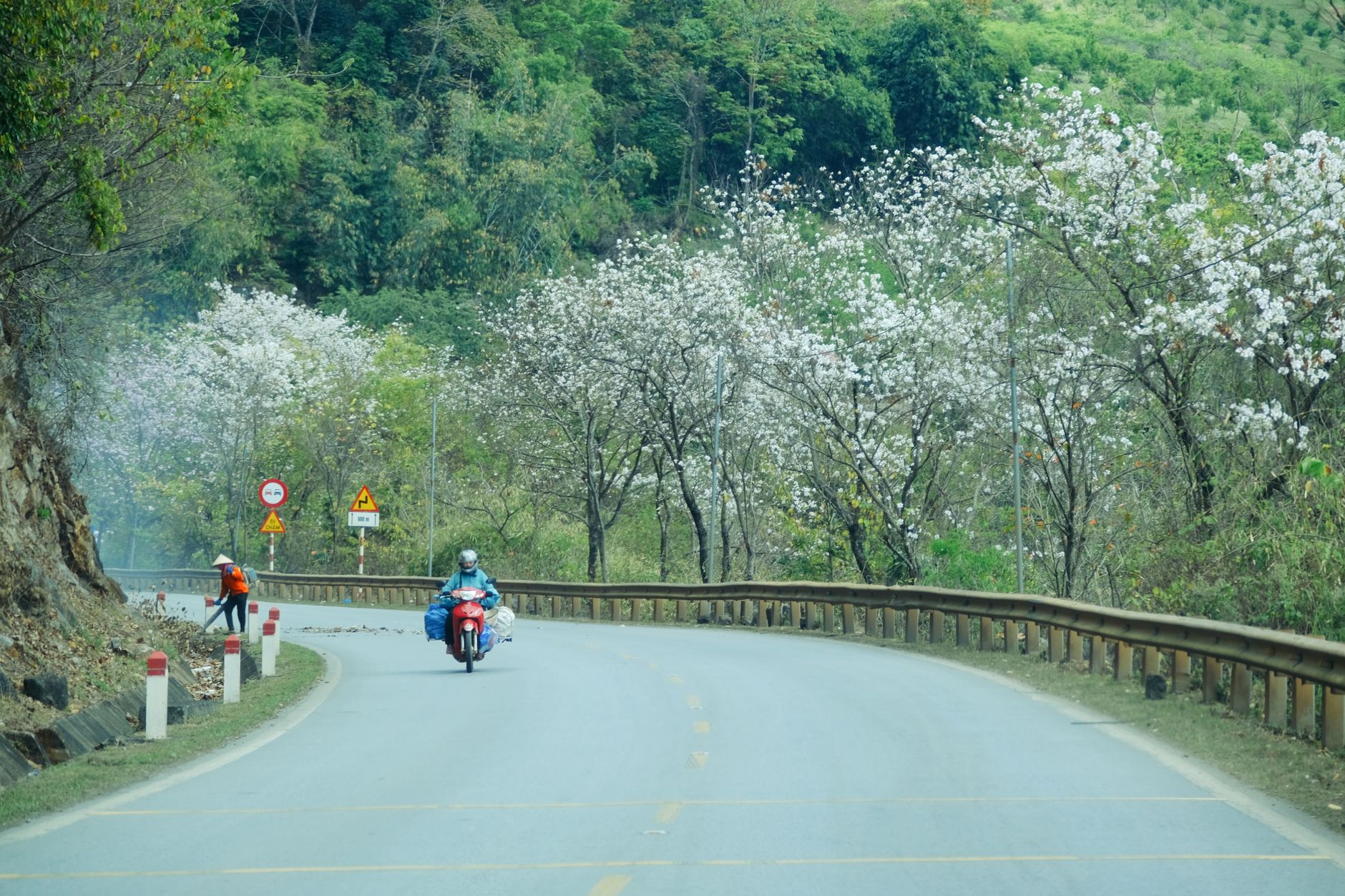
Photo by Đạt Nguyễn on Pexels
From Da Nang
Da Nang sits roughly 700 km south of Yen Bai—not a quick neighbor.
Fly Da Nang → Hanoi, then bus
Vietnam Airlines and budget carriers run this route in about 1.5 hours; fares start around 800,000 VND. Then proceed as from Hanoi (bus to Yen Bai, 2.5–3.5 hours, 80,000–120,000 VND). Total: 6–7 hours travel time plus airport waits. Cost: 900,000–2 million VND.
Overland via Highway 1
If you're road-tripping from Da Nang northward, you could drive or take a bus along Highway 1 and then cut west to Yen Bai. This is scenic but slow—expect 8–10 hours to Hanoi, then another 3 hours to Yen Bai. Only sensible if Yen Bai is part of a larger northern loop.
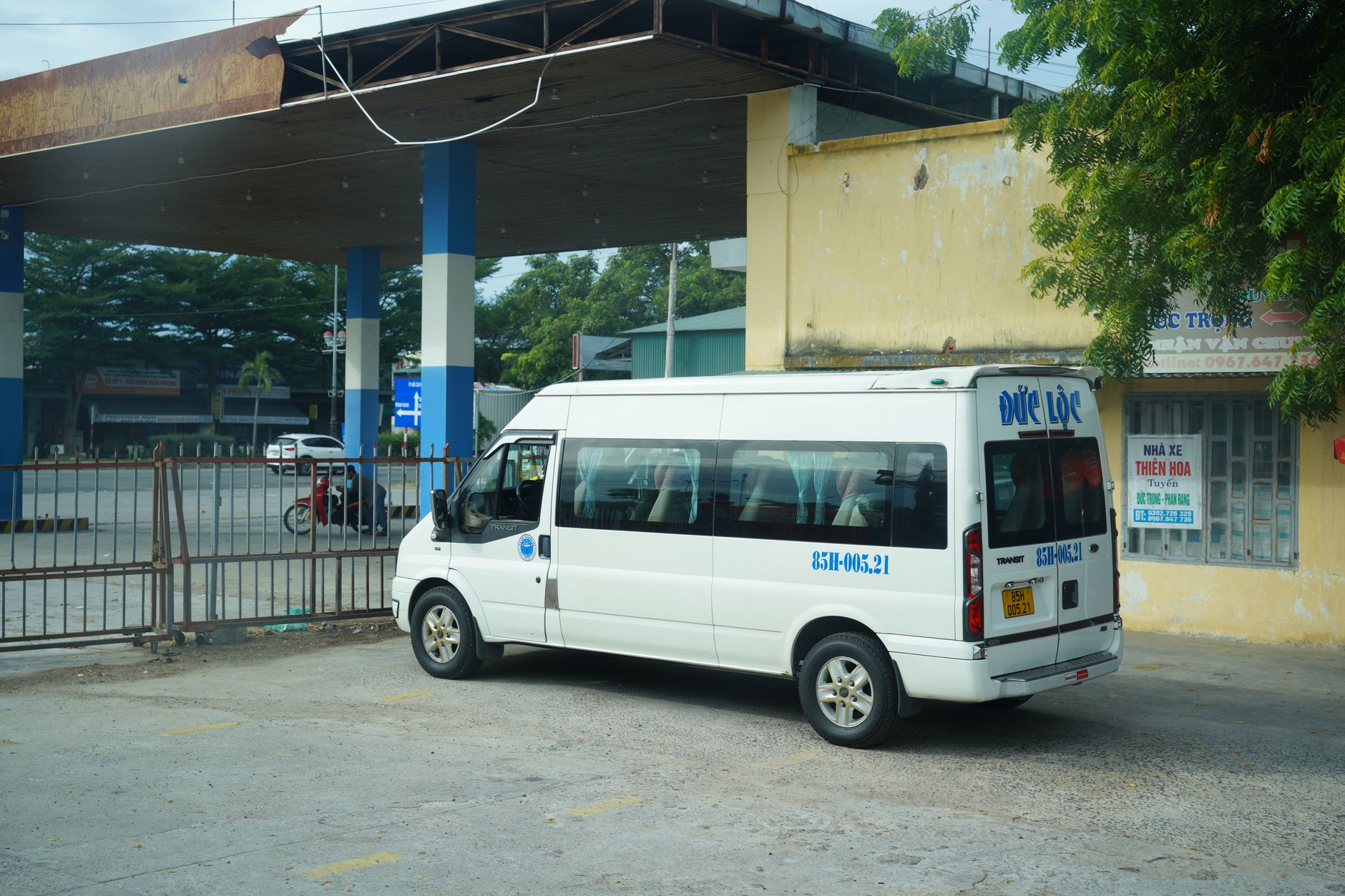
Photo by NGUYỄN THÀNH NHƠN on Pexels
Where to base yourself
Yen Bai town itself is small. The town center (around Tran Hung Dao and Quang Trung streets) has a handful of simple hotels, decent pho shops, and a basic market. Tourist infrastructure is minimal; expect basic lodging (150,000–300,000 VND per night for a clean double room) and few English-speaking staff. This is authentic rather than convenient. Stay here if you want to feel like a real traveler, not a tourist, and you're comfortable with barebones amenities.
Return to Hanoi as a base. Many travelers skip overnight in Yen Bai entirely—take a dawn bus from Hanoi (90 minutes away), spend the day exploring, catch an afternoon or evening bus back. This works if you only want a taste of the rice terraces and ethnic villages without a full overnight commitment.
Nearby alternatives: Luc Yen district (50 km southeast) is famous for rubies and sapphire mining and has a couple of tourist-friendly guesthouses if you want a slightly more developed base but still feel remote.
Practical notes
Yen Bai doesn't have tourist information booths or Grab/Uber coverage. Once you arrive at the bus station, you'll need to either walk into town (about 2 km) or catch a cheap "xe om" (motorbike taxi) for 20,000–40,000 VND. Bring cash—ATMs exist but aren't always reliable, and card payments are rare outside Hanoi or large cities. The best time to visit is October to April; avoid the rainy season (May–September) when roads wash out and visibility is poor.
Going to Vietnam? Eat and travel smarter.
Monthly: new dishes, off-the-beaten-path destinations, and itineraries — straight to your inbox. No spam. Unsubscribe anytime.
Join 0 expats. (We just launched.)
More from Northern Vietnam
Other articles covering the same region.

Hoa Lu Ancient Capital: Vietnam's First Kingdom and How to Visit from Ninh Binh
Hoa Lu was Vietnam's first royal capital, and the two temple complexes that survive are among the most atmospheric historical sites in the north.

Hoan Kiem Lake: The Sword Legend, Ngoc Son Temple, and When to Visit
Hoan Kiem Lake sits at the center of Hanoi's Old Quarter — here's the legend behind it, how to walk it properly, and when the streets actually belong to you.

Lung Cu Flag Tower: Vietnam's Northernmost Point
The drive to Lung Cu Flag Tower takes you to Vietnam's northernmost point at 1,500 metres. It's a half-day trip from Dong Van with a steep climb, mountain views, and nearby Hmong villages.
More in Destinations
More articles from the same category.

Landmark 81 Saigon: Observation Deck, Ice Rink, and Getting There from District 1
Landmark 81 is Vietnam's tallest building and Saigon's most visible skyline anchor. Here's what's actually inside and whether it's worth the trip.

Bitexco Financial Tower: Skydeck, Helipad Bar, and Whether the Ticket Is Worth It
Saigon's most recognizable skyscraper charges 250,000 VND to ride up to the 49th floor — here's what you actually see, and whether you should bother.

Notre Dame Cathedral Saigon: French Colonial Centerpiece in the Heart of HCMC
Saigon's Notre Dame Cathedral has been wrapped in scaffolding for years, but the square in front of it remains one of the best starting points for a colonial-era walking tour of District 1.

Paradise Cave, Quang Binh: The 31km Marble Cave That Beats Phong Nha for Photographers
Paradise Cave runs 31km through Quang Binh's karst and delivers the kind of cathedral-scale formations that Phong Nha's boat tour simply can't match. Here's how to see it properly.

Son Doong Cave: What the $3,000 Oxalis Expedition Actually Includes
Son Doong is the world's largest cave and only one operator is legally allowed to take you inside. Here is what the permit-only expedition covers and whether it is worth it.

Phong Nha Cave: Wet Cave, Dry Cave, and How to Choose
Phong Nha has two main caves worth your time — one you reach by river boat, one on foot. Here's how to pick, what each costs, and when to go.
Comments
Loading…