Ba Vi National Park: Mountain Hike and Temple Near Hanoi
Ba Vi National Park sits 48km west of Hanoi, offering cloud-shrouded peaks, ancient volcanic geology, and the Ho Chi Minh Temple at 1,296m. A half-day or full-day escape from the city.

Ba Vi National Park spans 10,815 hectares across Hanoi, Hoa Binh province, and Luong Son district—a genuine mountain refuge just 48 kilometers west of the city. The park's anchor is the Ba Vi mountain range, running northwest to southeast, with Vua Mountain (King Mountain) as the highest point at 1,296 meters. Two other notable peaks, Tan Vien at 1,226 meters and Ngoc Hoa at 1,120 meters, frame the skyline.
From Hanoi (하노이 / 河内 / ハノイ) center, you can drive or motorbike in under two hours; Son Tay town sits 15km east, making it a useful staging point.
Geology and the Ancient Volcano
Ba Vi sits atop an ancient volcanic formation. The last eruption occurred roughly 200 million years ago, and the geological signatures—unique rock formations and mineral deposits—remain visible today. If you're interested in Earth science, the landscape itself becomes a textbook. Hikers often spot layered stone and unusual mineral coloration on the higher trails.
Flora, Fauna, and Altitude Zones
The altitude spread creates distinct ecosystems. Lower slopes hold dense tropical forest—thick canopy, ferns, dense undergrowth. Higher elevations shift into cooler, often cloud-covered terrain with different tree species and reduced humidity. This biodiversity supports a range of wildlife, though specific species lists are sparse in most visitor sources. Birdwatchers and nature photographers find value in the transition zones.

Photo by Hugo Heimendinger on Pexels
The Ho Chi Minh Temple Trek
The spiritual centerpiece is the Ho Chi Minh (호치민 / 胡志明 / ホーチミン) Temple, perched on Vua Mountain's peak. Reaching it means climbing roughly 1,320 stone steps—a genuine physical undertaking. For much of the ascent, especially the upper reaches, you'll walk through cloud-shrouded forest, which creates an otherworldly, meditative atmosphere. The temple itself sits at the summit, offering panoramic views across the Ba Vi range and toward Hanoi on clear days.
Historically, the temple is a pilgrimage site. You'll encounter both serious hikers and religious visitors, particularly on weekends and during Vietnamese holidays.
Hiking and Activities
Trails vary in difficulty. The Vua Mountain temple trek is the marquee hike—challenging but well-trodden. Shorter nature walks loop through lower-slope forest, suitable for families or those with limited time. The cooler air at elevation makes summer hikes far more pleasant than Hanoi's sticky heat. Winter and early spring (October–March) offer the clearest skies and most comfortable conditions, though the clouds themselves—rolling through the peaks—are photogenic and atmospheric.
Beyond hiking, the park supports bird-watching, geology walks, and photography. There are no major theme-park attractions; the draw is raw landscape and physical immersion.
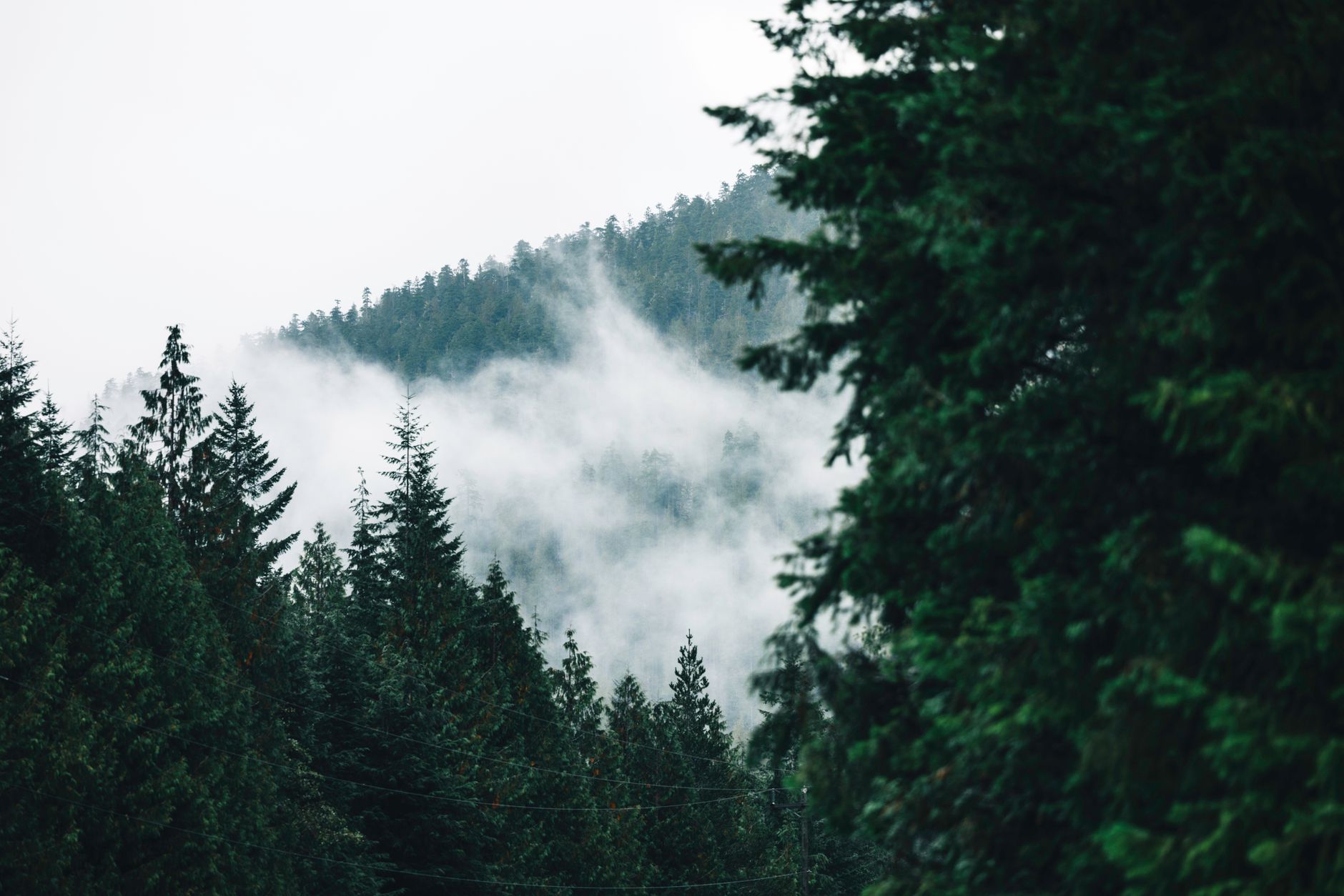
Photo by Ali Kazal on Pexels
Access and Logistics
The park is roughly a 1.5- to 2-hour drive west from central Hanoi via Highway 21. Motorbikes are viable if you're confident in traffic; organized tours from Hanoi also operate. Entrance fees apply (typically 30,000–50,000 VND per person for day access); check current rates at the gate or with local tour operators. Operating hours are roughly dawn to dusk; arrive early if you plan a full Vua Mountain trek, as the final ascent takes 2–3 hours and you'll want daylight for the descent.
Bring water, snacks, sturdy hiking shoes, and a light rain jacket—clouds often mean mist or brief showers. The surrounding towns (Son Tay, Hoa Binh) have guesthouses and [pho](/posts/pho-vietnam (베트남 / 越南 / ベトナム)-noodle-soup-guide) shops if you prefer an overnight stay, though a day trip from Hanoi is entirely feasible.
Why It Works as a Getaway
Ba Vi is neither a major tourist monument nor a backpacker circus. It's a real mountain park with genuine trails, genuine forests, and a working temple. The cloud-covered peaks, the volcanic geology, and the stone steps to the temple create a sense of being removed from Hanoi—which, from the city center in August heat, is the entire point.
Going to Vietnam? Eat and travel smarter.
Monthly: new dishes, off-the-beaten-path destinations, and itineraries — straight to your inbox. No spam. Unsubscribe anytime.
Join 0 expats. (We just launched.)
More from Hanoi
Other articles covering this city.

Hanoi Old Quarter Walking Guide: 36 Streets, Street Food, and Craft Alleys
The Old Quarter's 36 streets were each named for the guild that once traded there. Here's how to walk them well — craft alleys, street food, and old houses included.

Hoan Kiem Lake: History, Temples, and the Best Time to Walk
The turtle legend, Ngoc Son Temple, and a 2-km loop around Hanoi's most visited lake. Best visited early morning or when Old Quarter streets close to cars.

7 Days in Vietnam: A Yoga and Meditation Itinerary
A week-long route through Vietnam's quietest corners: Sapa's mountain silence, a meditation center in the Mekong, and coastal stillness in Da Lat. Real costs, transport, and retreat recommendations.
More from Northern Vietnam
Other articles covering the same region.

Hoa Lu Ancient Capital: Vietnam's First Kingdom and How to Visit from Ninh Binh
Hoa Lu was Vietnam's first royal capital, and the two temple complexes that survive are among the most atmospheric historical sites in the north.

Lung Cu Flag Tower: Vietnam's Northernmost Point
The drive to Lung Cu Flag Tower takes you to Vietnam's northernmost point at 1,500 metres. It's a half-day trip from Dong Van with a steep climb, mountain views, and nearby Hmong villages.
Hoa Lu Ancient Capital: Vietnam's First Kingdom and How to Visit from Ninh Binh
Hoa Lu was the seat of Vietnam's first independent dynasties in the 10th century. Two surviving temples anchor a quiet bike ride through rice fields just outside Ninh Binh.
More in Destinations
More articles from the same category.

Landmark 81 Saigon: Observation Deck, Ice Rink, and Getting There from District 1
Landmark 81 is Vietnam's tallest building and Saigon's most visible skyline anchor. Here's what's actually inside and whether it's worth the trip.

Bitexco Financial Tower: Skydeck, Helipad Bar, and Whether the Ticket Is Worth It
Saigon's most recognizable skyscraper charges 250,000 VND to ride up to the 49th floor — here's what you actually see, and whether you should bother.

Notre Dame Cathedral Saigon: French Colonial Centerpiece in the Heart of HCMC
Saigon's Notre Dame Cathedral has been wrapped in scaffolding for years, but the square in front of it remains one of the best starting points for a colonial-era walking tour of District 1.

Paradise Cave, Quang Binh: The 31km Marble Cave That Beats Phong Nha for Photographers
Paradise Cave runs 31km through Quang Binh's karst and delivers the kind of cathedral-scale formations that Phong Nha's boat tour simply can't match. Here's how to see it properly.

Son Doong Cave: What the $3,000 Oxalis Expedition Actually Includes
Son Doong is the world's largest cave and only one operator is legally allowed to take you inside. Here is what the permit-only expedition covers and whether it is worth it.

Phong Nha Cave: Wet Cave, Dry Cave, and How to Choose
Phong Nha has two main caves worth your time — one you reach by river boat, one on foot. Here's how to pick, what each costs, and when to go.
Comments
Loading…