Hai Duong: Red River Delta Gateway Between Hanoi and Haiphong
Hai Duong sits at the heart of the Red River Delta, a quieter alternative to its busier neighbors Hanoi and Haiphong. Known for lychees and traditional "banh dau xanh" (mung bean cake), the province merges rural agricultural tradition with modern industrial growth.

Hai Duong: Red River Delta Gateway Between Hanoi and Haiphong
If you're moving between Hanoi and Haiphong, you'll likely pass through Hai Duong without stopping. Most travelers skip it. That's their loss.
This Red River Delta province—landlocked despite its name (which literally means "ocean sun")—has spent centuries as a working hinterland rather than a tourist draw. Rice paddies, orchards, pagodas, and industrial zones blend into a landscape that feels genuinely Vietnamese rather than staged for visitors. The food is real. The people aren't accustomed to tourist pricing. And if you take a detour, you'll eat better than you will in Hanoi (하노이 / 河内 / ハノイ)'s Old Quarter.
Geography: The Middle Ground
Hai Duong covers 1,668 square kilometers of flat, fertile land. It sits roughly equidistant between Hanoi (southwest) and Haiphong (northeast), bordered by Bac Ninh, Bac Giang, Quang Ninh, Hung Yen, Thai Binh, and Haiphong itself. National Highways 5, 18, 183, and 37 crisscross the province, plus the Hanoi–Haiphong Expressway, which means transportation into and out is straightforward.
Two pagodas anchor the province culturally: Con Son and Kiep Bac. Both date back centuries and remain active pilgrimage sites and spiritual centers. Con Son is the more famous of the two, perched on a hill with views across the delta.
Climate and Seasons
Hai Duong runs on a tropical monsoon calendar. Winters (December–February) are cool and dry; summers (May–September) are hot and humid. You'll get rain year-round, with peaks from April to October. Annual rainfall averages 1,300–1,700 millimeters. The average temperature hovers at 23.3°C, so you're never in extreme heat or cold—just warm and often damp.
Early February through early April is a transitional sweet spot: mist, occasional drizzle, fewer tourists, pleasant walking weather.
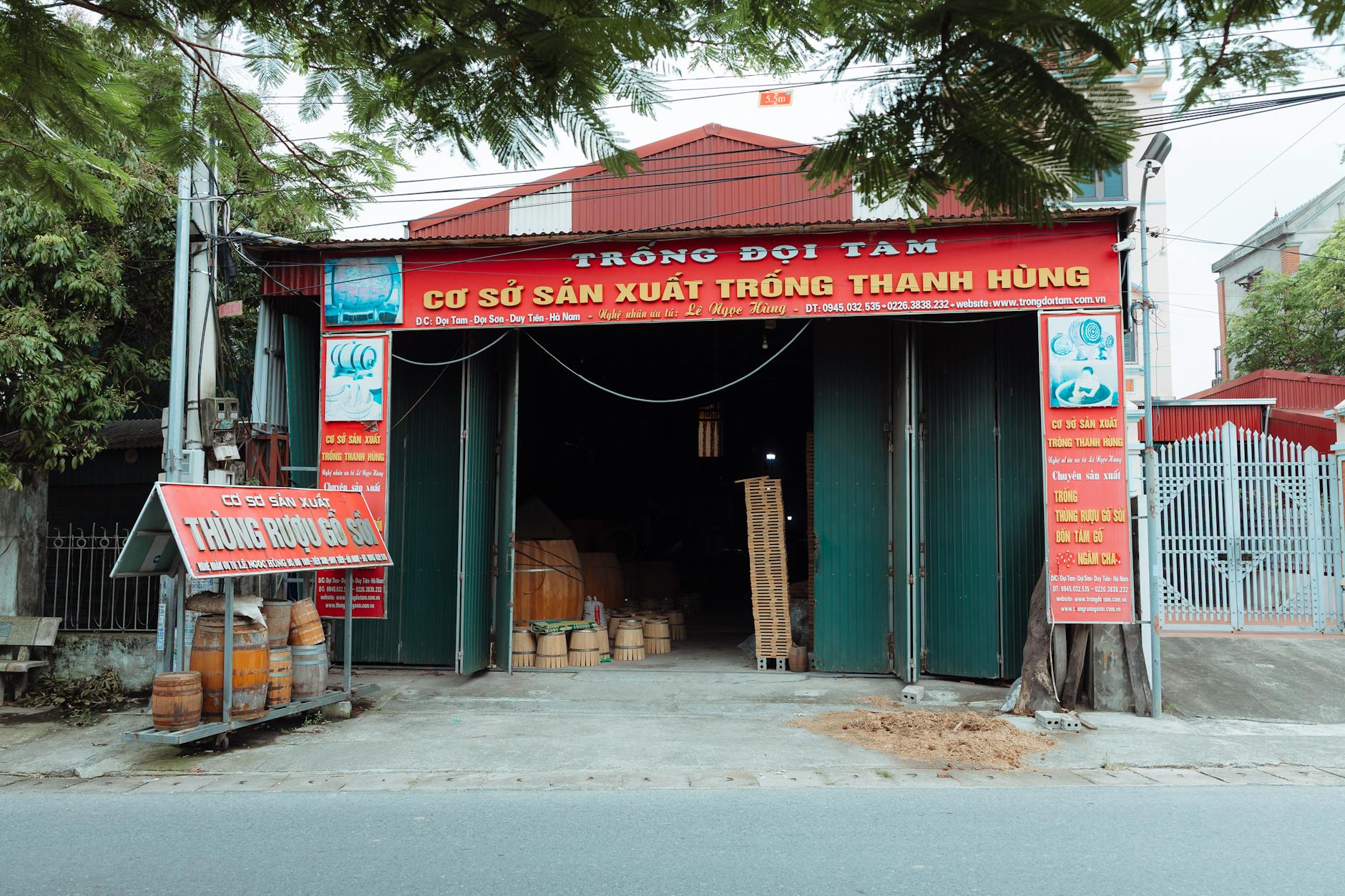
Photo by HONG SON on Pexels
Food and Agriculture: Lychees, Mung Bean Cake, and More
Hai Duong's identity is tied to its harvest. Lychees are the celebrity crop—juicy, seasonal (May–July), and sold fresh at every market and roadside stand. The province ships them to Hanoi, Haiphong, and across Vietnam (베트남 / 越南 / ベトナム).
But the real cultural artifact is "banh dau xanh"—a dense, slightly sweet mung bean paste cake, traditionally wrapped in sticky rice or banana leaf. It's not photogenic. It's not Instagram-friendly. But it's been made here for generations and tastes like history.
Beyond specialty exports, Hai Duong feeds the region's major cities. Over 500,000 people work in agriculture, growing rice, vegetables, and fruits in the delta's rich alluvial soil. If you stop at a market in Hanoi and buy fresh greens, there's a decent chance they came from Hai Duong farms.
Pagodas and Pilgrimage
Con Son Pagoda is the bigger draw: a Buddhist temple built on a hill with views over the flatlands. It's active—you'll encounter monks and worshippers—and feels less touristic than major temples closer to Hanoi. The climb is moderate; the quiet is genuine.
Kiep Bac is smaller and less frequently visited, which means fewer crowds but also less tourist infrastructure. Both sites reflect the deeper spiritual life of the delta, distinct from the nationalized historical narratives of war memorials or state monuments.
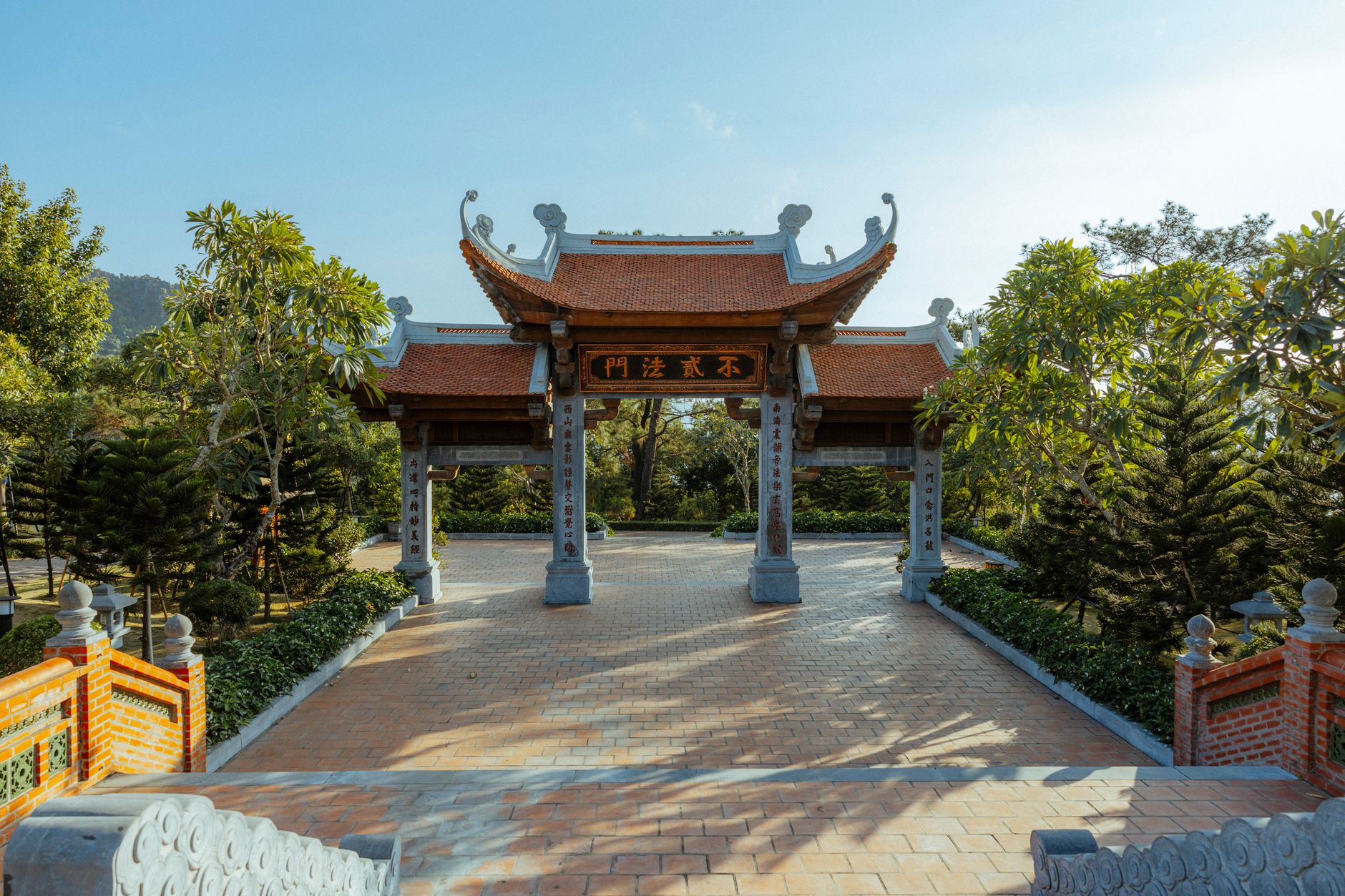
Photo by HONG SON on Pexels
Why Stop Here
Hai Duong works best as a detour rather than a destination. If you're renting a motorbike and riding between Hanoi and Haiphong, or if you're exploring the Red River Delta beyond the usual circuit, this is where you eat at family restaurants, chat with farmers at markets, and see how rural northern Vietnam actually functions.
The province underwent major administrative changes in 2025 (incorporation into Haiphong), but the food, the pagodas, and the working landscape remain. It's a place for travelers who'd rather understand a region than collect checkmarks.
Getting There
Hanoi to Hai Duong: 50–70 kilometers via National Highway 5, roughly one hour by car or motorbike.
Hai Duong to Haiphong: 60–80 kilometers via the Hanoi–Haiphong Expressway, roughly 90 minutes.
Buses run regularly between both cities and Hai Duong City (the provincial capital). Motorbike rental is straightforward if you're comfortable riding.
Going to Vietnam? Eat and travel smarter.
Monthly: new dishes, off-the-beaten-path destinations, and itineraries — straight to your inbox. No spam. Unsubscribe anytime.
Join 0 expats. (We just launched.)
More from hai-duong
Other articles covering this city.

Hanoi Old Quarter Walking Guide: 36 Streets, Street Food, and Craft Alleys
The Old Quarter's 36 streets were each named for the guild that once traded there. Here's how to walk them well — craft alleys, street food, and old houses included.

Hoan Kiem Lake: History, Temples, and the Best Time to Walk
The turtle legend, Ngoc Son Temple, and a 2-km loop around Hanoi's most visited lake. Best visited early morning or when Old Quarter streets close to cars.

7 Days in Vietnam: A Yoga and Meditation Itinerary
A week-long route through Vietnam's quietest corners: Sapa's mountain silence, a meditation center in the Mekong, and coastal stillness in Da Lat. Real costs, transport, and retreat recommendations.
More from Northern Vietnam
Other articles covering the same region.

Hoa Lu Ancient Capital: Vietnam's First Kingdom and How to Visit from Ninh Binh
Hoa Lu was Vietnam's first royal capital, and the two temple complexes that survive are among the most atmospheric historical sites in the north.

Lung Cu Flag Tower: Vietnam's Northernmost Point
The drive to Lung Cu Flag Tower takes you to Vietnam's northernmost point at 1,500 metres. It's a half-day trip from Dong Van with a steep climb, mountain views, and nearby Hmong villages.
Hoa Lu Ancient Capital: Vietnam's First Kingdom and How to Visit from Ninh Binh
Hoa Lu was the seat of Vietnam's first independent dynasties in the 10th century. Two surviving temples anchor a quiet bike ride through rice fields just outside Ninh Binh.
More in Destinations
More articles from the same category.

Landmark 81 Saigon: Observation Deck, Ice Rink, and Getting There from District 1
Landmark 81 is Vietnam's tallest building and Saigon's most visible skyline anchor. Here's what's actually inside and whether it's worth the trip.

Bitexco Financial Tower: Skydeck, Helipad Bar, and Whether the Ticket Is Worth It
Saigon's most recognizable skyscraper charges 250,000 VND to ride up to the 49th floor — here's what you actually see, and whether you should bother.

Notre Dame Cathedral Saigon: French Colonial Centerpiece in the Heart of HCMC
Saigon's Notre Dame Cathedral has been wrapped in scaffolding for years, but the square in front of it remains one of the best starting points for a colonial-era walking tour of District 1.

Paradise Cave, Quang Binh: The 31km Marble Cave That Beats Phong Nha for Photographers
Paradise Cave runs 31km through Quang Binh's karst and delivers the kind of cathedral-scale formations that Phong Nha's boat tour simply can't match. Here's how to see it properly.

Son Doong Cave: What the $3,000 Oxalis Expedition Actually Includes
Son Doong is the world's largest cave and only one operator is legally allowed to take you inside. Here is what the permit-only expedition covers and whether it is worth it.

Phong Nha Cave: Wet Cave, Dry Cave, and How to Choose
Phong Nha has two main caves worth your time — one you reach by river boat, one on foot. Here's how to pick, what each costs, and when to go.
Comments
Loading…