Nuoc Mam Phu Quoc: How to Read the Label and Why the Real Thing Costs More
Phu Quoc fish sauce has EU protected-origin status for a reason. Here's what the label actually means and which bottles are worth bringing home.

Phu Quoc produces what many cooks in Vietnam (베트남 / 越南 / ベトナム) consider the country's finest "nuoc mam" — and it now carries the same legal protection as Champagne or Parmigiano-Reggiano. That matters for the bottles you buy, because the island is also full of imitations.
What the EU PDO Actually Means
In 2013, nuoc mam Phu Quoc (푸꾸옥 / 富国岛 / フーコック) became the first Vietnamese product to receive European Union Protected Designation of Origin (PDO) status. Domestically, it also holds a Vietnamese Geographical Indication. In practice, this means that fish sauce labeled "nuoc mam Phu Quoc" must be produced entirely on the island — from the fermentation stage through bottling — using anchovies caught in the waters around Phu Quoc, mixed with sea salt, and aged in wooden vats for a minimum of twelve months.
If the label just says "nuoc mam" with Phu Quoc somewhere in the design but no certification mark, it may be blended or produced on the mainland. That's the first thing to check before you buy.
The Anchovy and the Vat
The fish in question is Ca Com — a small, silver-bellied anchovy species that schools in high density around Phu Quoc, particularly between July and January. Local fishermen bring the catch in fresh, and it goes directly into the vats the same day. Freshness is non-negotiable: anchovies deteriorate fast, and any delay degrades the final flavor.
The vats themselves are made from cay boi loi wood, a tropical hardwood that doesn't impart off-flavors and can hold up to ten tonnes of fish and salt. A standard ratio is roughly three parts fish to one part salt by weight. The mixture ferments for twelve to fifteen months minimum, though the higher-end producers push to eighteen or twenty-four months. During that time, the liquid that seeps out — called "nuoc mam nhi", the first pressing — is the most concentrated and prized extract.
The whole process is low-tech by design. No additives, no accelerants, no pressure. Just fish, salt, wood, heat, and time.
Reading the Label: Degrees N
The number that matters most on a bottle of nuoc mam Phu Quoc is the protein nitrogen content, expressed in degrees N (do dam in Vietnamese). This measures the concentration of amino acids — essentially how much flavor is packed into every milliliter.
- 20°N and below: light, mild, often diluted. Common in cheaper blended sauces.
- 30°N: a reasonable everyday table sauce. Widely available.
- 40°N: noticeably richer, darker in color, more complex. Good for dipping and cooking.
- 50°N and above: thick, intensely savory, almost syrupy. A small dash goes a long way. These are the premium first-press bottles.
Supermarket fish sauce — the kind sold nationwide for 20,000–30,000 VND — typically sits at 20–25°N and is often a blend of Phu Quoc-style sauce stretched with water and flavor enhancers. A genuine 40°N bottle from a Phu Quoc producer runs 80,000–120,000 VND for 500ml at source. A 50°N first-press bottle can reach 200,000–300,000 VND. That's the honest answer to why it costs three times more: it's a fundamentally different product.
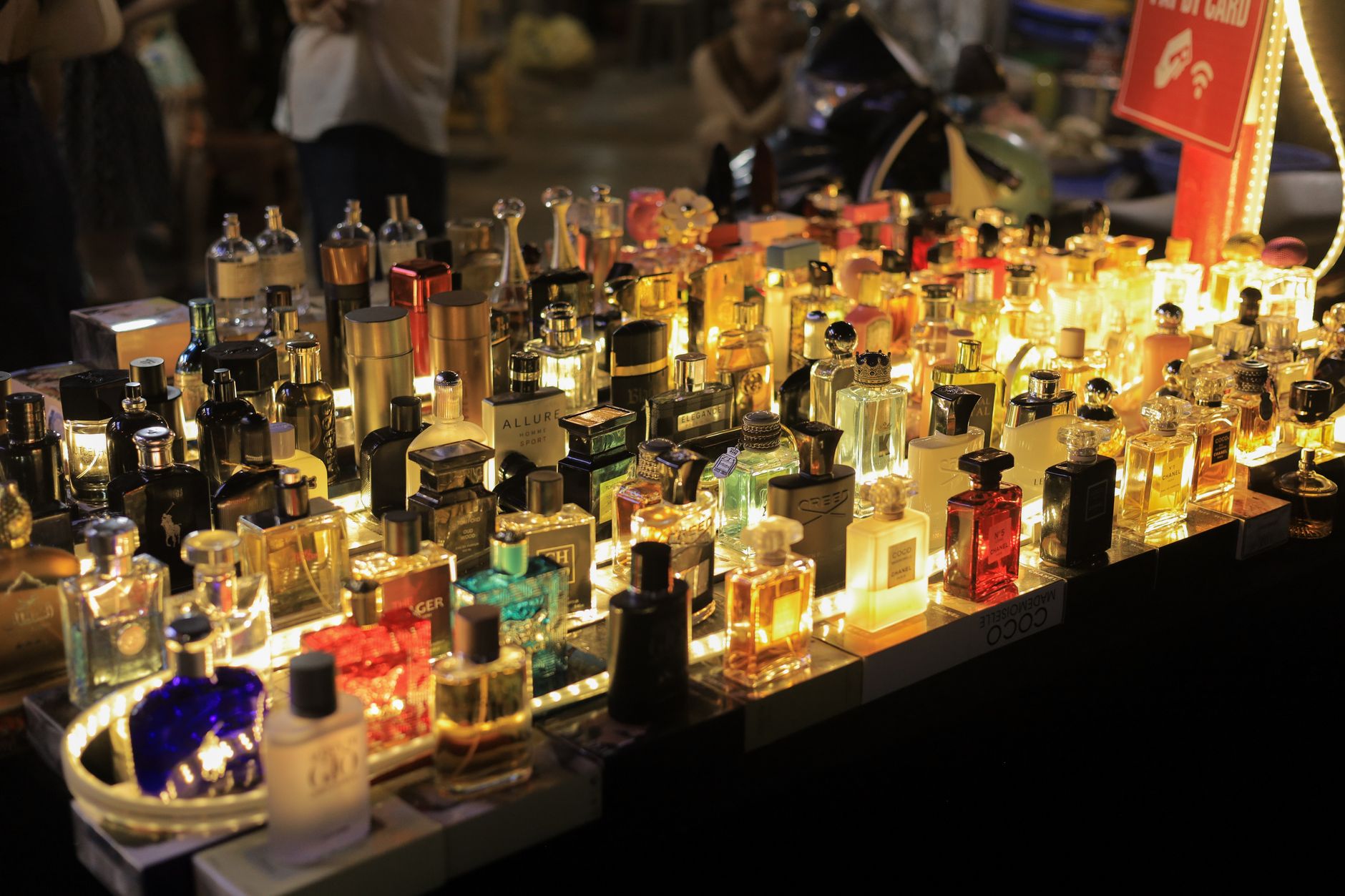
Photo by Hồng Quang Official on Pexels
Brands Worth Knowing
Hung Thanh is the island's largest and most export-oriented producer. Their factory near Duong Dong is the one most tour operators visit, and their packaging is professional enough to survive a suitcase. The 40°N and 50°N lines are both reliable.
Thanh Quoc is smaller and less commercially polished, but serious cooks in Saigon seek it out specifically. Their first-press batches at 50°N+ are fermented longer than most — eighteen months is standard for them — and the depth shows.
Khai Hoan sits between the two: mid-sized, consistently good, and their labeling is clear enough that even first-time buyers can navigate the degrees N grades without confusion. They also stock gift sets in ceramic bottles, which travel better than glass.
All three are PDO-certified. If you're buying at the factory, you can ask to see the fermentation vats — the smell is powerful, but understanding the scale (some vats are the height of a room) makes the price make more sense.
Factory Tours
All three brands above accept visitors. Hung Thanh's facility in Duong Dong is the most organized, with a short walk-through of the vat rooms and a tasting/retail area at the end. No booking required; just show up between 8am and 4pm. Khai Hoan has a similar setup on the outskirts of town.
The tours are free or very low cost (some charge 20,000–30,000 VND). Bring cash for purchases — not all accept cards — and go in the morning before the day-tripper groups arrive from the beach resorts around Sao Beach.

Photo by Quang Nguyen Vinh on Pexels
What to Actually Buy
For daily cooking back home: a 500ml bottle of 30–35°N from any of the three brands. Affordable, versatile, noticeably better than what you'd find at a mainland supermarket.
For a gift or something to use sparingly: the 40–50°N first-press, preferably Thanh Quoc or Khai Hoan. Tell whoever you're giving it to that a half-teaspoon in a dipping sauce is enough.
Avoid the ornate souvenir bottles sold at airport shops in the island terminal. They look good but rarely specify degrees N, and the provenance is unclear.
Practical Notes
Fish sauce is allowed in checked luggage with no volume restriction; carry-on is subject to the 100ml liquid rule. Wrap bottles in a zip-lock bag regardless — even sealed bottles have been known to weep in pressure changes. If you're traveling onward to Saigon (사이공 / 西贡 / サイゴン) or Hanoi, it's easier to ship a small box home through the post office near Duong Dong market (roughly 50,000–80,000 VND for a small parcel within Vietnam) than to wrestle with it at the airport.
Going to Vietnam? Eat and travel smarter.
Monthly: new dishes, off-the-beaten-path destinations, and itineraries — straight to your inbox. No spam. Unsubscribe anytime.
Join 0 expats. (We just launched.)
More from Phu Quoc
Other articles covering this city.

Phu Quoc Cable Car: Crossing to Hon Thom on the World's Longest Sea Cable Car
The Sun World cable car on Phu Quoc stretches 7.9 km over open water to Hon Thom island — here's what the ride is actually like, what's included, and whether the price is worth it.

Sao Beach Phu Quoc: White Sand Reality Check and the Best Time to Go
Sao Beach is genuinely one of the best stretches of sand in southern Vietnam — but timing and expectations matter more than you'd think.

5 Days in Hoi An and Phu Quoc: A Honeymoon Itinerary
A romantic five-day itinerary blending Hoi An's lantern-lit riverside charm with Phu Quoc's island beaches and water activities—designed for couples.
More from Southern Vietnam
Other articles covering the same region.

Long Hai and Ho Coc: The Quieter Beach Alternatives to Vung Tau
When Vung Tau feels too crowded, Saigon drivers push another 30-50 km east to Long Hai and Ho Coc — two coastal stretches that still feel like weekends used to.

Vinh Long Mekong Homestay: Orchards, Brick Kilns, and the Slow Boat Life
Vinh Long sits an hour from Can Tho but feels a world apart — island homestays, working orchards, and crumbling brick kilns that most Mekong tourists never reach.
Ben Tre: Coconut Country, Canal Boats, and the Mekong's Quietest Corner
Ben Tre moves slower than the rest of the Mekong Delta — fewer tour buses, more waterways, and coconut palms as far as you can see. Here's how to spend two days properly.
More in Food & Drink
More articles from the same category.

Com Dep Tra Vinh: the Flat Green Rice of Khmer New Year
Com dep is the Khmer-origin flat green rice made each harvest season in Tra Vinh — pounded young, eaten with coconut and banana, and tied to the Ok Om Bok festival.

Ca Loc Nuong Trui: Mekong Snakehead Fish Grilled Over Burning Straw
Ca loc nuong trui is a whole snakehead fish charred over burning rice straw — a dish born in Mekong paddy fields that tastes nothing like anything you'd find in a restaurant kitchen.

Ba Khia Ca Mau: The Salt-Fermented Crab That Southerners Swear By
Ba khia is a pungent, intensely savory fermented crab from Ca Mau's mangrove forests — a working-class staple that rarely makes it onto tourist menus but defines the Mekong south.

Lau Mam Chau Doc: An Giang's Funky Fermented-Fish Hot Pot
Chau Doc's lau mam is the Mekong Delta's most polarizing bowl — a simmering pot of fermented fish, wild vegetables, and serious funk that locals eat for breakfast.

Banh Pia Soc Trang: The Flaky, Durian-Filled Cake You Either Love or Avoid
Soc Trang's signature pastry blends Teochew, Khmer, and Vietnamese baking traditions into a layered, lard-rich cake stuffed with durian, salted egg yolk, and mung bean paste.

Banh Tet La Cam: Can Tho's Purple Tet Cake
Can Tho's 'banh tet la cam' is a glutinous rice cake dyed deep purple with pandan-adjacent la cam leaves — a Mekong Delta twist on the classic Tet staple.
Comments
Loading…