Son La: What to Do — A Traveler's Guide
Son La is a remote northern mountain town worth a detour for its French colonial history, minority hill-tribe culture, and genuine lack of tourist infrastructure. Here's what actually merits your time.

Son La sits 320 km northwest of Hanoi on the road to Dien Bien Phu, at 680 meters elevation in the heart of Thai and H'Mong hill-tribe territory. Most travelers pass through without stopping—which is partly why it's worth a stop. The town itself is small, quiet, and caught between its colonial past and a present built mostly on government office buildings and modest local life. Don't expect a curated destination. But if you're driving the northwest loop or heading deeper into the highlands, a night here opens a real glimpse of how provincial Vietnam actually works.
Son La Prison (Hoa Lo Revisited)
The most documented thing to see is the old French colonial prison, built in 1908 and still standing on a bluff above town. It's a heavy, gray stone compound designed to hold political prisoners—the French used it to detain Vietnamese revolutionaries and resisters. After 1954, the Vietnamese state kept it operating until 1990. The museum inside is spare and straightforward, with period photos, chains, and a timeline of Vietnamese resistance. The views over the valley from the upper courtyard are genuinely good.
Admission is 30,000 VND. It's open 8 a.m. to 5 p.m., closed for lunch around 11:30 a.m. to 1:30 p.m. Go early or skip the lunch rush. The interpretation is in Vietnamese and basic English. Worth an hour if you're into colonial-era history or want a concrete sense of what the French left behind in Vietnam's north.
Tram Tau Market and Town Center
The real pulse of Son La is Tram Tau Market (Cho Tram Tau), a covered market in the town center where locals buy textiles, vegetables, live animals, and processed goods. There's no tourist infrastructure here—you'll see H'Mong and Thai vendors, schoolkids, old men smoking. It's functional and alive. A coffee or a banh mi from a stall in or near the market costs 15,000–20,000 VND and tastes like breakfast in a place that doesn't think about tourism.
Walking the side streets near the market—Tran Phu Street, Hoang Viet Street—gives you a clearer picture of how a provincial capital actually functions than any official "cultural site." There's no filter.
Outdoor: Doi Phuong Mountain and Walks
If you have time and a local guide (or a strong sense of direction), Doi Phuong Mountain (also called Phuong Mountain) looms south of town. A hike up takes 2–3 hours and rewards you with views over the valley and the surrounding highlands. The trail isn't signposted; hiring a local guide from your hotel or asking at the market costs 200,000–300,000 VND for half a day. The pay-off is solitude and a real perspective on the landscape.
Shorter walks: the valley paths on the outskirts of town, especially early morning, pass small family farms, bamboo groves, and H'Mong settlements. Stop and talk to people if you speak any Vietnamese. Most don't expect foreign visitors; the reception is typically curious and straightforward.
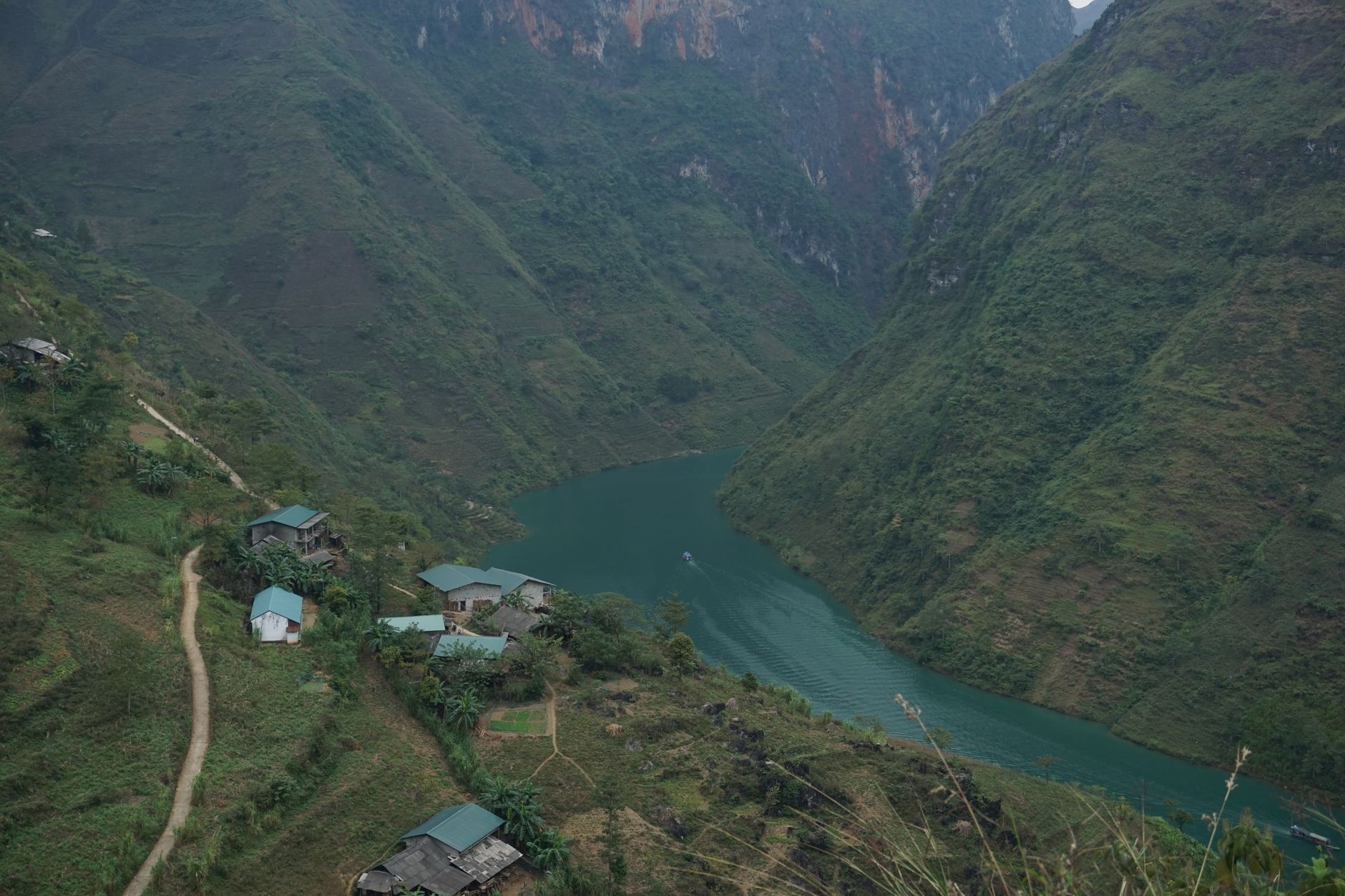
Photo by Claire Dao on Pexels
Hill-Tribe Villages
Son La province is home to Thai and H'Mong communities. Tourist-aimed village visits (offered by hotels) usually feel obligatory—you buy handicrafts, take photos, leave. If you're actually interested in how people live here, hire a local guide who speaks Thai or H'Mong and spend a full day walking to villages, eating with families, and asking questions. A full-day guide costs 300,000–500,000 VND and changes the experience entirely. You'll eat sticky rice and greens, see hand-looms, and get a sense of the rhythm outside town.
Don't go for the photos. If you're going, go to learn.
Day Trips: Dien Bien Phu
Dien Bien Phu lies 90 km northwest, a straight shot on Highway 6. It's famous as the site of the 1954 French military defeat—a turning point in the Indochina War. The Dien Bien Phu Museum and the surrounding valley are solemn, well-documented, and worth a full day if you're interested in 20th-century history. The drive is spectacular: steep climbs, switchbacks, and high valley views. Most travelers do this as a two-day loop: Son La → Dien Bien Phu → back, or onward to Laos.
Hidden Gem: Pha Den Valley
Two hours south of Son La, Pha Den Valley is less-visited than Dien Bien and offers similar hill-tribe life and scenery without the historical monuments. It's a string of small communes, rice paddies, and dense forest. Most travelers don't know it exists. A motorbike or hired driver and a full day of wandering will show you how the highlands actually look when tourism hasn't shaped the route.
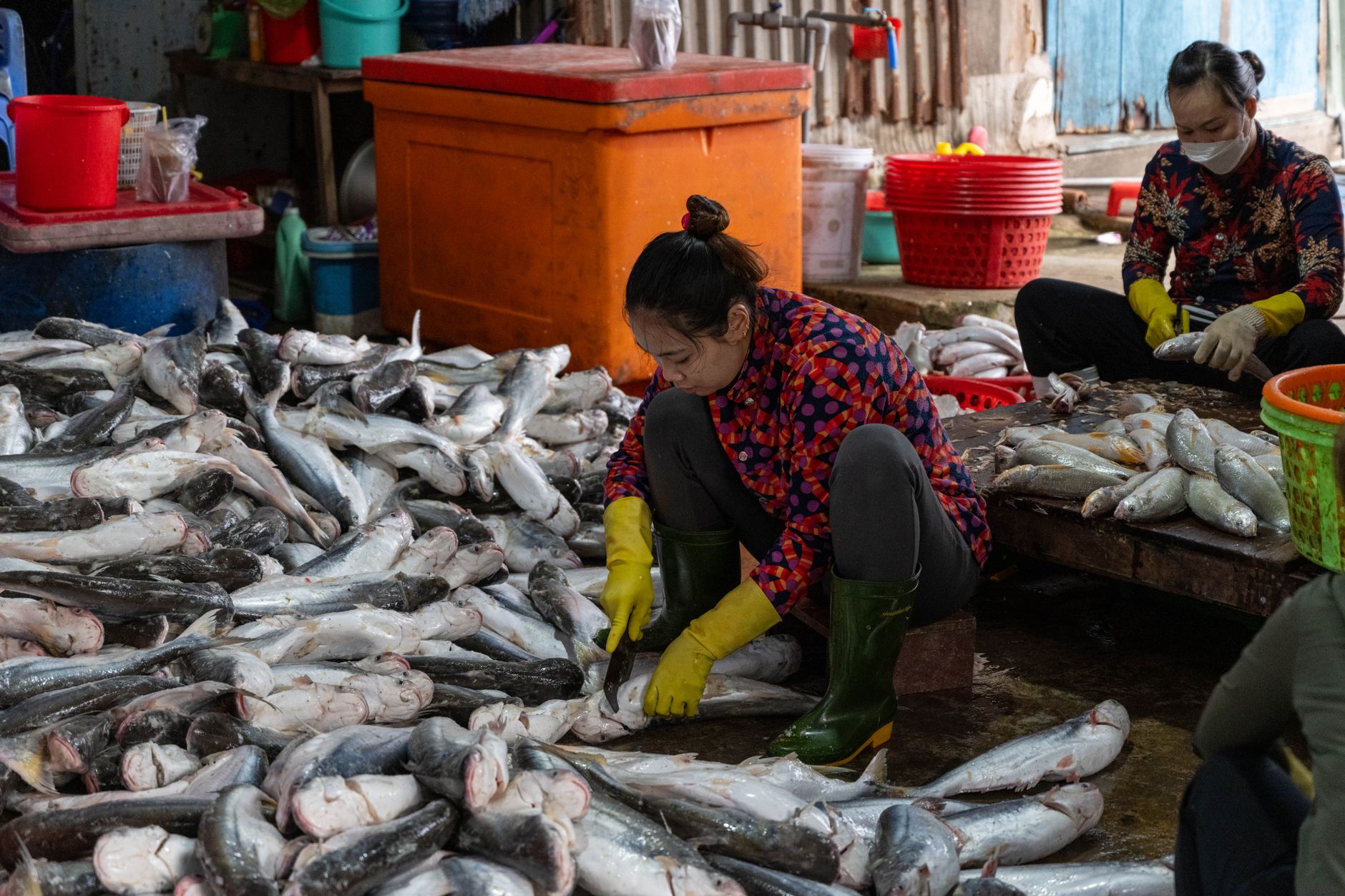
Photo by Quang Vuong on Pexels
What to Skip
Skip the touristy "elephant rides" or animal encounters advertised in some guides—they're minimal and often uncomfortable for the animals. Skip the night markets if you're expecting something curated for visitors; they're markets for locals, which is their point, but if you want an experience rather than just observation, go with someone who lives there.
Skip the upscale resort hotels on the edge of town. Stay central, in a family-run guesthouse on or near Hoang Viet Street. You'll pay 150,000–250,000 VND a night and be in the actual town, not isolated in a bland complex.
Food and Staying
Eat at the market or ask your guesthouse owner for recommendations. Local specialties include H'Mong corn, sticky rice, and grilled meats. Coffee is good—this is a cool, high-altitude region and coffee grows well. Bia hoi (draft beer) costs 8,000–10,000 VND a glass and is how locals socialize at dusk.
Plan for one night minimum, two if you're hiking or visiting villages. The town isn't large enough to justify more unless you're using it as a base for multi-day treks into the highlands.
Practical notes
Son La is 320 km from Hanoi via Highway 2 and Highway 6—a 5–6 hour drive. Buses run regularly from Hanoi's Giap Bat station (express, 100,000–130,000 VND, overnight possible). The town has ATMs and a small hospital, but medical facilities are basic; serious emergencies require evacuation to Hanoi. The best time to visit is September to April when it's cool and dry. Bring layers—the elevation makes mornings and evenings cold, even in summer. Vietnamese is the main language; English is very limited outside hotels.
Going to Vietnam? Eat and travel smarter.
Monthly: new dishes, off-the-beaten-path destinations, and itineraries — straight to your inbox. No spam. Unsubscribe anytime.
Join 0 expats. (We just launched.)
More from son-la
Other articles covering this city.

Son La best time to visit: a traveler's guide
Son La's mountain climate shifts dramatically across seasons. October to November offers clear skies and mild temps; summer brings heat and occasional rain; winter can feel cold and grey at 1,000m elevation.

Son La Province: Mountains, Coffee, and Ethnic Culture in Northwest Vietnam
Vietnam's largest northern province by area, Son La is a mountainous region known for coffee production, hydropower, and ethnic minority villages. A less-traveled destination with trekking, local markets, and genuine cultural experiences.
More from Northern Vietnam
Other articles covering the same region.

Hoa Lu Ancient Capital: Vietnam's First Kingdom and How to Visit from Ninh Binh
Hoa Lu was Vietnam's first royal capital, and the two temple complexes that survive are among the most atmospheric historical sites in the north.

Hoan Kiem Lake: The Sword Legend, Ngoc Son Temple, and When to Visit
Hoan Kiem Lake sits at the center of Hanoi's Old Quarter — here's the legend behind it, how to walk it properly, and when the streets actually belong to you.

Lung Cu Flag Tower: Vietnam's Northernmost Point
The drive to Lung Cu Flag Tower takes you to Vietnam's northernmost point at 1,500 metres. It's a half-day trip from Dong Van with a steep climb, mountain views, and nearby Hmong villages.
More in Destinations
More articles from the same category.

Landmark 81 Saigon: Observation Deck, Ice Rink, and Getting There from District 1
Landmark 81 is Vietnam's tallest building and Saigon's most visible skyline anchor. Here's what's actually inside and whether it's worth the trip.

Bitexco Financial Tower: Skydeck, Helipad Bar, and Whether the Ticket Is Worth It
Saigon's most recognizable skyscraper charges 250,000 VND to ride up to the 49th floor — here's what you actually see, and whether you should bother.

Notre Dame Cathedral Saigon: French Colonial Centerpiece in the Heart of HCMC
Saigon's Notre Dame Cathedral has been wrapped in scaffolding for years, but the square in front of it remains one of the best starting points for a colonial-era walking tour of District 1.

Paradise Cave, Quang Binh: The 31km Marble Cave That Beats Phong Nha for Photographers
Paradise Cave runs 31km through Quang Binh's karst and delivers the kind of cathedral-scale formations that Phong Nha's boat tour simply can't match. Here's how to see it properly.

Son Doong Cave: What the $3,000 Oxalis Expedition Actually Includes
Son Doong is the world's largest cave and only one operator is legally allowed to take you inside. Here is what the permit-only expedition covers and whether it is worth it.

Phong Nha Cave: Wet Cave, Dry Cave, and How to Choose
Phong Nha has two main caves worth your time — one you reach by river boat, one on foot. Here's how to pick, what each costs, and when to go.
Comments
Loading…