How to Get to Son La: Transport Options from Hanoi, Saigon & Da Nang
Son La sits in Vietnam's northwest, 320 km from Hanoi. Here's how to get there by bus, train, motorbike, or (rarely) fly—plus costs and realistic travel times.

Son La is a small provincial capital in the northwest highlands, 320 km from Hanoi. The town itself is quiet, but it's a natural pit stop on the way to Ha Giang, Mai Chau, or Sapa—and worth a half-day or overnight stay if you have time. Getting there is straightforward: bus dominates, but motorbike and train are viable if you have the inclination.
From Hanoi (most common route)
Bus
Bus is the default option. The main operator is Tran Quynh, which runs six daily departures from Ha Noi's Kim Ma station (west side of the city, near the railway) and Song Huong station (also central). Journey time is 5–6 hours depending on road conditions; the highway is decent but mountainous.
Cost: 100,000–150,000 VND (~US$4–6) for a standard seat. Sleeper buses (reclining seats) run around 200,000 VND if you prefer to lie down, but the route doesn't really warrant a sleeper—it's daytime driving.
What to expect: Buses stop once for lunch (usually around hour 3) at a roadside restaurant. Food is basic and overpriced; bring snacks or money. Bathrooms are squat-style. Air-con is cold; bring a light jacket.
Booking: Walk to the station and buy a ticket same-day, or ask your hotel to book. No online system dominates; Tran Quynh tickets are mainly sold in-person.
Motorbike
Renting a motorbike in Hanoi and riding to Son La is popular with adventurous travelers. Rental costs 80,000–120,000 VND/day for a basic 110cc automatic bike. Gas for the round trip (~640 km) is roughly 150,000 VND.
Ride time: 6–7 hours one-way if you stop for photos and meals. The route (Highway 6 via Hoa Binh, then 6A) is scenic: limestone karst transitioning to pine forest. Road quality is decent but narrow in sections; expect some local trucks and scooter traffic.
Hazard level: Moderate. Landslides and potholes appear in rainy season (May–Sept). Drive defensively and wear a helmet. Consider breaking the ride into two days (stay in Hoa Binh or Mai Chau overnight) to rest and avoid night driving.
Train
The railway from Hanoi to Son La is unreliable and slow. A single daily train departs at 20:30, arrives around 06:30 next morning (10 hours). Soft-sleeper berths run 400,000–600,000 VND. The train is rarely full and schedules slip; locals avoid it unless they have a sentimental reason to ride rails.
Verdict: Skip unless you have time and curiosity. Bus is faster, cheaper, and more frequent.
From Saigon (Ho Chi Minh City)
Travelers starting in the south rarely go direct to Son La; they usually visit Hanoi first or take a domestic flight. If you must go direct, you have two options:
Flight + bus
Fly Saigon to Hanoi (2 hours, 800,000–1,500,000 VND), then take a bus to Son La (5–6 hours, 100,000–150,000 VND). Total travel time is 8–10 hours including airport time; total cost is 1,000,000–1,800,000 VND.
Overland bus (not recommended)
A few long-haul operators run Saigon to Hanoi buses that depart 17:00–18:00 and arrive around 06:00–08:00 next morning (13–15 hours). Cost is 400,000–600,000 VND. Once in Hanoi, you'd need to rest or immediately transfer to a Son La bus—this is exhausting. Only consider if you're truly budget-constrained.
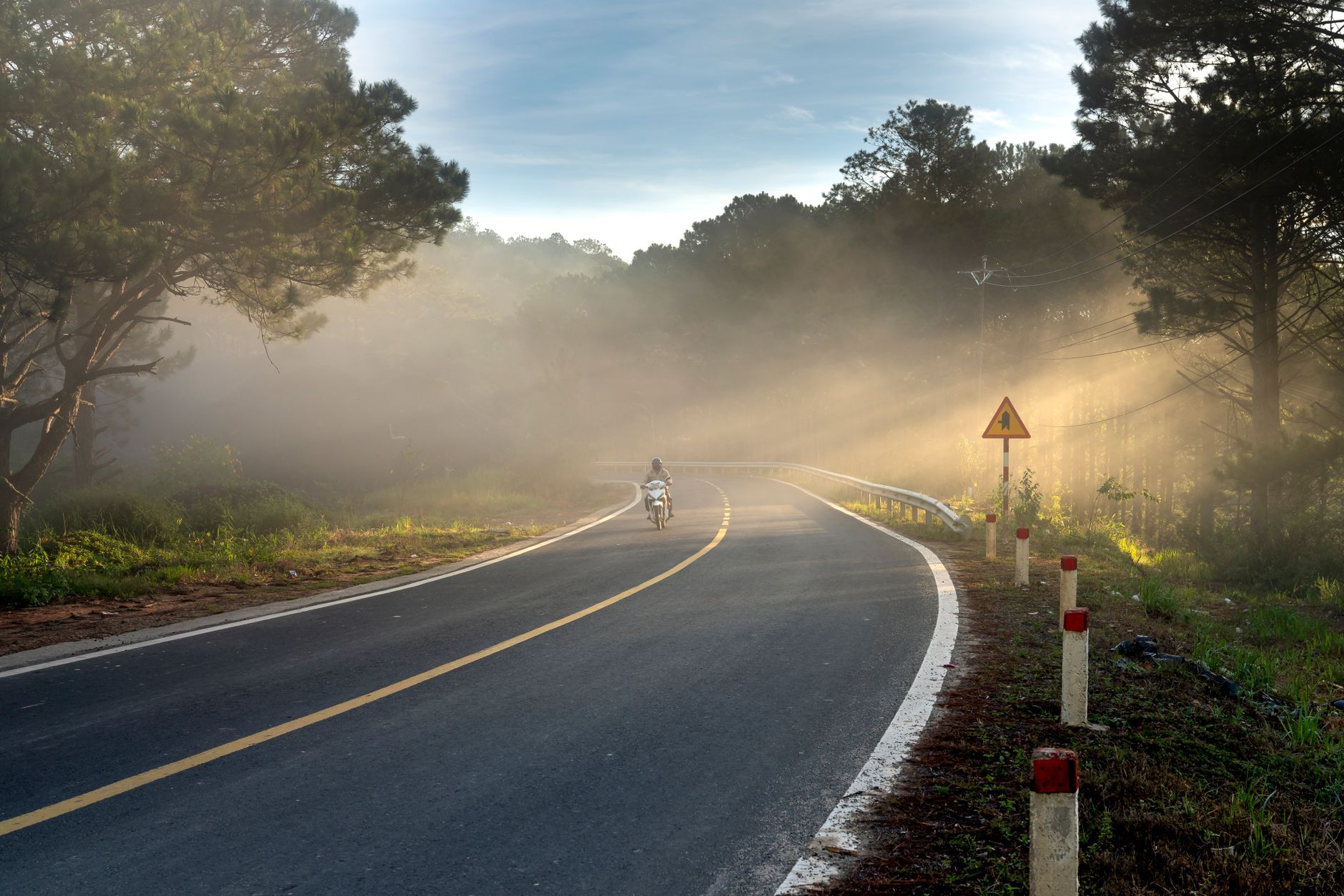
Photo by Quang Nguyen Vinh on Pexels
From Da Nang
Flight + bus
Da Nang to Hanoi flights are 1 hour and cost 600,000–1,200,000 VND. Then bus to Son La (5–6 hours, 100,000–150,000 VND). Total time: 7–9 hours including airport time.
Overland (not practical)
Da Nang to Hanoi by bus is 16+ hours and requires an overnight stop. Not worth it for a onward journey to Son La.
Motorbike touring from nearby bases
If you're already in Ha Giang, Mai Chau, or Sapa, Son La becomes a short detour:
- From Ha Giang: 150 km southeast, 3.5–4 hours. Scenic mountain roads.
- From Mai Chau: 80 km west, 2.5–3 hours. Easy ride through rice valleys.
- From Sapa: 200 km south, 5–6 hours. Long ride but manageable as a one-day push.
Many travelers rent a motorbike for a northern loop (Hanoi → Sapa → Ha Giang → Mai Chau → Son La → Hanoi) over 10–14 days.
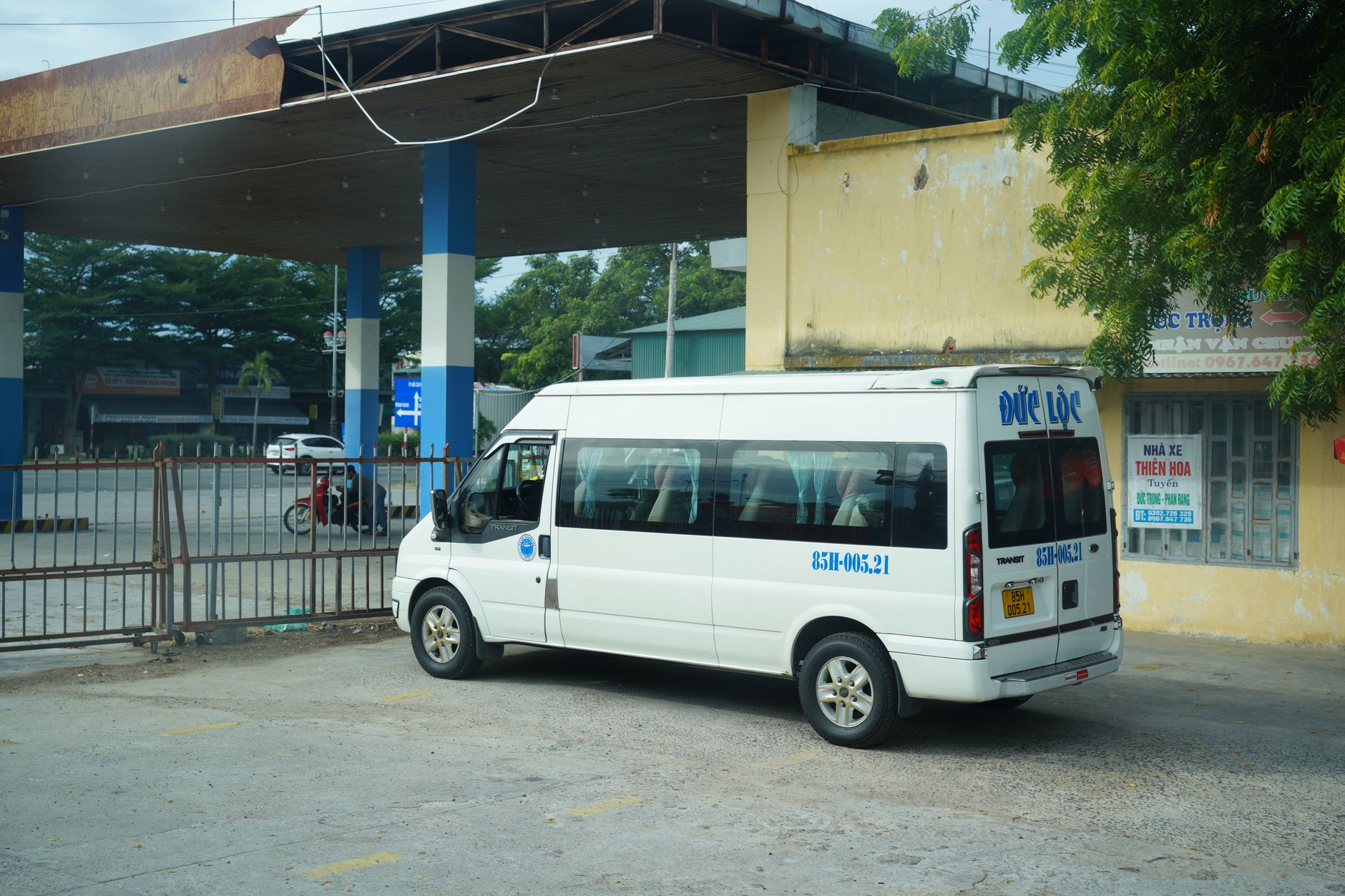
Photo by NGUYỄN THÀNH NHƠN on Pexels
Where to base in Son La
Son La is tiny; you won't need a detailed map. The town center is around the main market (near Tran Hung Dao Street) and the provincial museum. Budget guesthouses cluster around the bus station and town center; rooms run 150,000–300,000 VND/night for basic fan or air-con.
Popular stops:
- Pho Cuong Guest House: Central, cheap, basic but clean. 150,000 VND.
- Hang Xanh Hotel: Mid-range, slightly nicer, 300,000–400,000 VND.
Most travelers stay one night maximum. The town's main draw is its position on the northwest loop, not the town itself. Visit the museum (free entry, dusty, worth 30 minutes), eat "com tam" (broken-rice) at a local stall, and rest before moving on.
Practical notes
Son La is best visited in October–April (cool, dry); May–September is hot and humid with occasional landslides on mountain roads. Book guesthouses in advance only during Tet; otherwise, turn up and find a room. Carry cash (VND); ATMs exist but are slow. Bring a light jacket for the bus (over-cooled air-con). If renting a motorbike, check brakes and tires carefully before leaving Hanoi.
Going to Vietnam? Eat and travel smarter.
Monthly: new dishes, off-the-beaten-path destinations, and itineraries — straight to your inbox. No spam. Unsubscribe anytime.
Join 0 expats. (We just launched.)
More from son-la
Other articles covering this city.
Son La best time to visit: a traveler's guide
Son La's mountain climate shifts dramatically across seasons. October to November offers clear skies and mild temps; summer brings heat and occasional rain; winter can feel cold and grey at 1,000m elevation.

Son La Province: Mountains, Coffee, and Ethnic Culture in Northwest Vietnam
Vietnam's largest northern province by area, Son La is a mountainous region known for coffee production, hydropower, and ethnic minority villages. A less-traveled destination with trekking, local markets, and genuine cultural experiences.
More from Northern Vietnam
Other articles covering the same region.

Hoa Lu Ancient Capital: Vietnam's First Kingdom and How to Visit from Ninh Binh
Hoa Lu was Vietnam's first royal capital, and the two temple complexes that survive are among the most atmospheric historical sites in the north.

Hoan Kiem Lake: The Sword Legend, Ngoc Son Temple, and When to Visit
Hoan Kiem Lake sits at the center of Hanoi's Old Quarter — here's the legend behind it, how to walk it properly, and when the streets actually belong to you.

Lung Cu Flag Tower: Vietnam's Northernmost Point
The drive to Lung Cu Flag Tower takes you to Vietnam's northernmost point at 1,500 metres. It's a half-day trip from Dong Van with a steep climb, mountain views, and nearby Hmong villages.
More in Destinations
More articles from the same category.

Landmark 81 Saigon: Observation Deck, Ice Rink, and Getting There from District 1
Landmark 81 is Vietnam's tallest building and Saigon's most visible skyline anchor. Here's what's actually inside and whether it's worth the trip.

Bitexco Financial Tower: Skydeck, Helipad Bar, and Whether the Ticket Is Worth It
Saigon's most recognizable skyscraper charges 250,000 VND to ride up to the 49th floor — here's what you actually see, and whether you should bother.

Notre Dame Cathedral Saigon: French Colonial Centerpiece in the Heart of HCMC
Saigon's Notre Dame Cathedral has been wrapped in scaffolding for years, but the square in front of it remains one of the best starting points for a colonial-era walking tour of District 1.

Paradise Cave, Quang Binh: The 31km Marble Cave That Beats Phong Nha for Photographers
Paradise Cave runs 31km through Quang Binh's karst and delivers the kind of cathedral-scale formations that Phong Nha's boat tour simply can't match. Here's how to see it properly.

Son Doong Cave: What the $3,000 Oxalis Expedition Actually Includes
Son Doong is the world's largest cave and only one operator is legally allowed to take you inside. Here is what the permit-only expedition covers and whether it is worth it.

Phong Nha Cave: Wet Cave, Dry Cave, and How to Choose
Phong Nha has two main caves worth your time — one you reach by river boat, one on foot. Here's how to pick, what each costs, and when to go.
Comments
Loading…