Attending a Vietnamese Wedding as a Foreigner: What to Expect
A Vietnamese wedding follows distinct rituals and customs. Here's what happens, what to wear, how much to gift, and why you should stay for the whole thing.

The invitation and RSVP
When you receive a wedding invitation in Vietnam (베트남 / 越南 / ベトナム), respond promptly. Most invitations arrive 2-4 weeks ahead and include both a wedding ceremony (usually morning, at a pagoda or hotel) and a reception (lunch or dinner). Some couples host both at a single venue. The invitation card will state the time clearly—Vietnamese weddings start on time, so arrive 10-15 minutes early.
If you're uncertain about any detail, ask the couple directly or the person who invited you. Foreigners get a pass on some protocol, but showing genuine interest goes a long way.
What to wear
Dress formally, as you would for a wedding in your home country. Men wear a suit or dress shirt and trousers; women wear a dress, blouse and skirt, or formal pants. Avoid white (the color of mourning in Vietnam) and black. Jewel tones, pastels, and bold colors are appropriate. If the invitation says "ao dai encouraged," that's an invitation to wear the traditional Vietnamese dress—many foreign women do this, and it's warmly received. Rent or buy one beforehand from a tailor in any city; expect 500k–2 million VND depending on fabric.
Shoes should be formal but comfortable; you may remove them during certain parts of the ceremony. Hair should be neat, makeup understated.
The ceremony
The wedding ceremony lasts 30–45 minutes. At a pagoda, you'll sit on the floor or on low benches while monks chant and the couple makes offerings. At a hotel or restaurant ceremony, the couple exchanges rings, families are introduced, and there's often a tea ceremony where the couple serves tea to both sets of parents as a sign of respect and gratitude. This is a deeply meaningful moment—cameras flash, and it's normal to take photos during this part.
Stand when the couple enters and when they leave. Applaud at key moments. If you don't understand what's happening, watch the other guests and follow their lead.
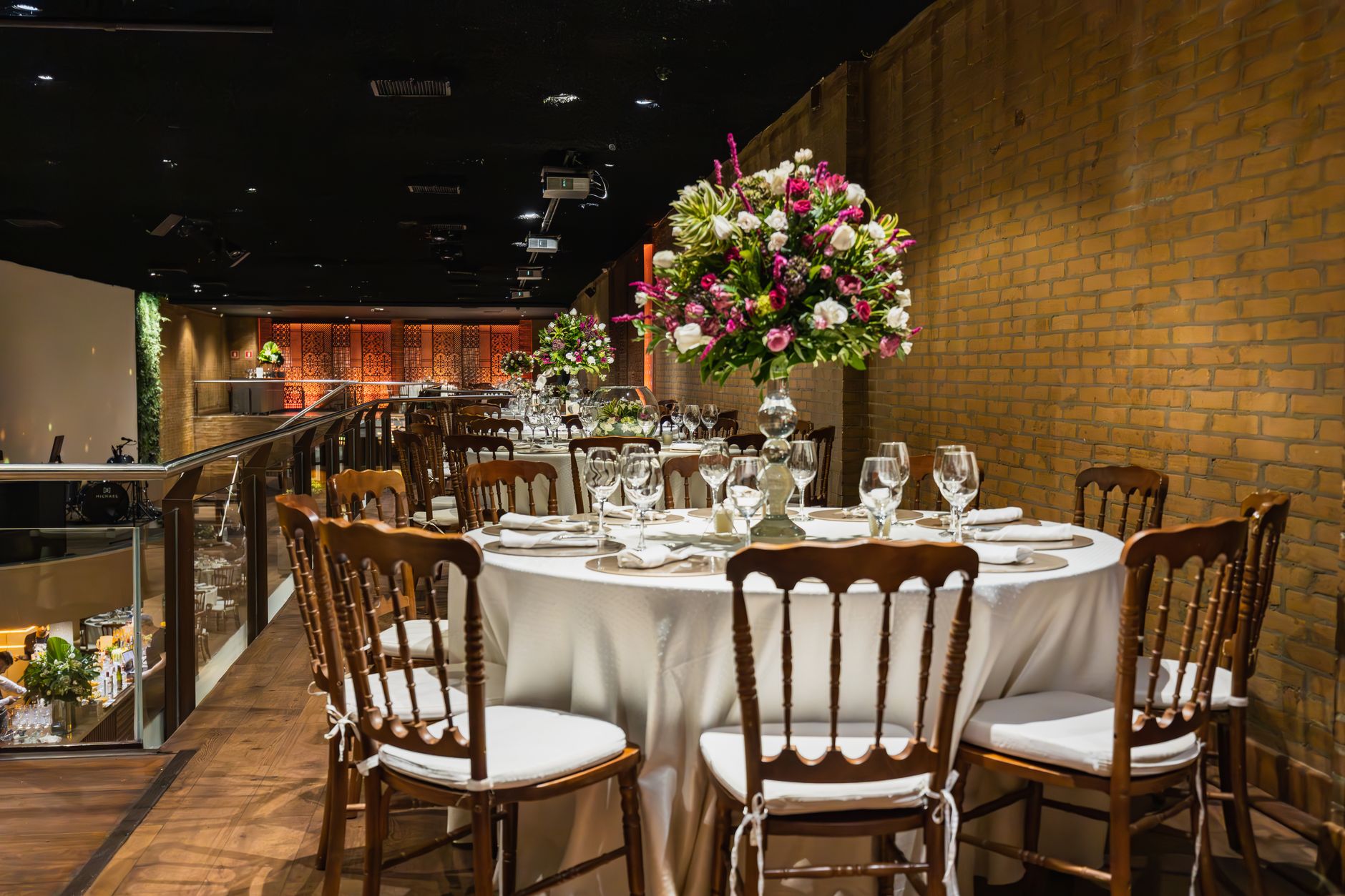
Photo by Matheus Bertelli on Pexels
Gift money: the red envelope
The most important thing to know: you will give cash. Gifts are less common than monetary gifts in Vietnamese weddings. Bring new, crisp bills in a red envelope (buy these at any stationery shop, or ask your hotel for one).
The amount depends on your relationship and financial situation:
- Close friend or colleague: 300,000–500,000 VND (US$12–21)
- Casual friend or acquaintance: 200,000–300,000 VND (US$8–12)
- Family member: 500,000–1,000,000+ VND (US$21–43+)
Avoid amounts ending in 4 or 9 (unlucky numbers in Vietnam). Even numbers are preferred; odd numbers can suggest incompleteness. Never give 10,000, 20,000, or 50,000 VND notes alone—they're too small and can seem stingy.
There is usually a gift table or a designated person collecting envelopes as you enter the reception. Hand yours over with both hands, or with your right hand supported by your left. Don't be shy—everyone does this, and the couple expects it.
The reception: food and toasts
The reception is a multi-course meal, usually 8–12 courses, served banquet-style at round tables of 8–10 people. Dishes typically include shrimp, crab, fish, chicken, beef, and spring rolls. Rice is served at the end, not the beginning. Eat what appeals to you; leaving food on your plate is fine and normal.
Alcohol flows freely. "Nuoc" or rice wine (a clear spirit) is the traditional drink; beer is also present. You will be toasted repeatedly. When someone raises a glass to the couple, raise yours and say "Chuc mung!" (Cheers!). Close friends of the couple may give speeches or toasts—these can be lengthy and emotional, with laughter and tears.
If you're asked to toast or speak, keep it brief (under 2 minutes), warm, and sincere. "I'm happy to celebrate with you, and I wish you a lifetime of happiness" is perfect. Speak slowly and smile.
Drinking games sometimes happen—cards, rock-paper-scissors—to determine who drinks. Participate good-naturedly, or politely decline. Nobody will pressure you hard.
Photos and social expectations
Photography is encouraged. The couple often has a professional photographer and videographer, but guests freely take photos throughout the meal. Phones out, cameras flashing during toasts—it's all normal. Some families even have a designated guest photographer to capture candid moments.
If the couple posts photos online afterward, engage—comment, like, congratulate them. This is part of the social fabric.
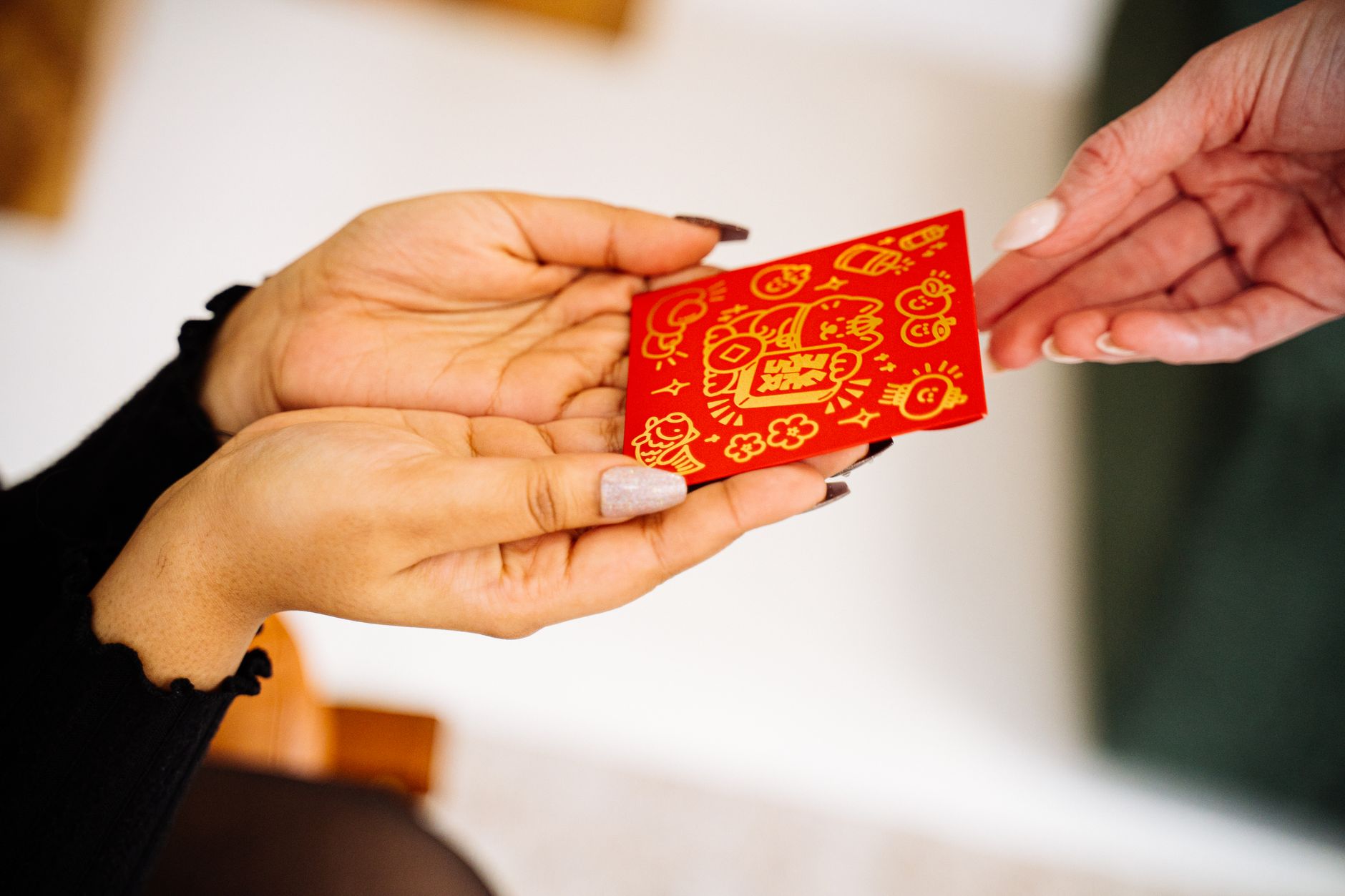
Photo by Anthony Dalesandro on Pexels
Timing: stay until the end
The reception lasts 2–3 hours. Toward the end, a cake is cut (there may be a second, larger cake for the reception if the ceremony had a small one). The couple will walk the room to greet each table. When they approach yours, stand, wish them well, and take a photo with them if it feels natural.
Don't leave early. Staying through the cake-cutting is important—it signals respect and celebration. If you must leave before the end, inform the couple beforehand or leave a polite note.
Practical tips
- Bring the red envelope in your pocket or small bag, not your large handbag—you'll want easy access.
- If you don't know many people at the table, introduce yourself; Vietnamese are generally warm to foreigners at weddings.
- If you can't eat something (allergy, dietary restriction), politely decline. The hosts understand.
- Compliment the bride's dress and makeup; it's expected and appreciated.
- Be prepared for loud, joyful chaos. Weddings are celebrations, not quiet affairs.
Practical notes
Vietnamese weddings are joyful, inclusive events, and your presence as a foreigner is genuinely valued. The key obligations are: dress formally and respectfully, bring a red envelope with cash, stay through the cake, and participate in toasts. Beyond that, relax and enjoy the food, the company, and the moment.
Going to Vietnam? Eat and travel smarter.
Monthly: new dishes, off-the-beaten-path destinations, and itineraries — straight to your inbox. No spam. Unsubscribe anytime.
Join 0 expats. (We just launched.)
More from All of Vietnam
Other articles covering the same region.

Best Tau Hu in Hoi An: Where Locals Send You
Tau hu—silky tofu soup—tastes different in Hoi An. Here's where locals actually eat it, and why.

7 Days in Vietnam: A Yoga and Meditation Itinerary
A week-long route through Vietnam's quietest corners: Sapa's mountain silence, a meditation center in the Mekong, and coastal stillness in Da Lat. Real costs, transport, and retreat recommendations.

7 Days in Vietnam: A Solo Backpacker Itinerary
A tested week-long route through Hanoi, Ha Long Bay, and Saigon with budget lodging, street food, and overland transport. Real costs and booking tips included.
More in Travel Tips
More articles from the same category.

Where to Stay in Saigon: District 1 vs District 3 vs District 7
Three neighborhoods, three vibes. Pick District 1 for backpackers and chaos, District 3 for quiet and value, or District 7 for modern expat comfort. Here's how each stacks up.

Where to Stay in Sapa: Town Center vs Cat Cat vs Ta Van
Sapa has three distinct bases: the foggy town center for convenience, Cat Cat village for quiet hilltop views, or Ta Van for homestay immersion. Pick based on whether you're chasing comfort or trekking.

Where to Stay in Can Tho: Ninh Kieu, Cai Rang, or Orchards
Can Tho's three main neighborhoods offer different angles on Mekong Delta life. Here's how to pick based on your priorities and budget.

Where to Stay in Hue: Citadel vs South Bank vs Beach
Hue splits into three distinct neighborhoods for travelers. Each offers different trade-offs between history access, dining, and atmosphere—here's how to choose.

Vietnam Gift Culture: Red Envelopes, Lucky Money & Birthday Etiquette
Understanding "li xi", birthday cakes, and the unwritten rules of gift-giving in Vietnam—from Tet bonuses to wedding contributions.

Vietnam Tipping Guide by Service: What (and When) to Tip
Tipping isn't mandatory in Vietnam, but it's appreciated in certain services. Here's a breakdown of what to give—and what to skip—across hotels, taxis, tours, spas, and restaurants.
Comments
Loading…