Thai Nguyen: Tea Mountains and Ethnic Heartland in Vietnam's Northeast
Home to 16,000 hectares of tea gardens and the fortress peaks of Tam Dao National Park, Thai Nguyen is Vietnam's premier tea region and a gateway to the northeast highlands. Eight recognized ethnic groups, cool mountain air, and lakes make it a less-crowded alternative to far north destinations.

Why Thai Nguyen Matters
Thai Nguyen province sits 50 kilometers northeast of Hanoi and 75 kilometers inland from central Hanoi, serving as the threshold between the Red River Delta and the mountainous northeast. It's Vietnam (베트남 / 越南 / ベトナム)'s largest tea producer by far—16,000 hectares under cultivation, yielding 100,000 tonnes of fresh leaves and 25,000 tonnes of dried tea annually. "Thai Nguyen tea" (Tra Thai Nguyen) carries a reputation for clean, floral character that commands premium prices across Vietnam.
The province counts 1.29 million residents across 3,527 square kilometers, split nearly evenly by gender. What sets it apart is ethnic composition: seven ethnic minority groups live alongside the dominant Kinh majority, including Tay, Nung, San Diu, and San Chay peoples, each with distinct languages and food traditions. With 21 universities and colleges, Thai Nguyen ranks third in Vietnam for higher education—a fact that shapes the city's character.
The Tea Landscape
Thai Nguyen's rolling midlands, 200–400 meters above sea level, create ideal conditions for tea. The province's three climatic zones—cool in the high mountains (Vo Nhai District), temperate in the foothills, and warm in the valleys—allow year-round harvesting. Average temperatures range from 15.2°C in January to 28.9°C in June. Rainfall runs 2,000–2,500 millimeters annually, with August the wettest month.
Tea gardens dominate the landscape around Pho Yen City and southern Thai Nguyen City. Visitors can tour estates, watch hand-rolling and pan-firing in small workshops, and buy directly from producers at wholesale prices. The dry-season flush (September–October) and spring flush (March–April) draw the most attention, but fresh leaves are available year-round.
Tam Dao National Park and Mountains
The Tam Dao range rises from the southwest, its highest peak topping 1,529 meters. Established in 1996, Tam Dao National Park protects over 20 peaks, including Thien Thi (1,375 m) and Thach Ban (1,388 m). Seventy percent of the park's 535-square-kilometer buffer zone is forested—natural and plantation alike. The park is accessible by road, with trekking trails linking major peaks and cool-air rest stops.
Two other ranges—Ngan Son (running Bac Kan to Vo Nhai) and Bac Son (northwest-southeast)—provide shelter from winter monsoons and diverse habitats for endemic bird species.
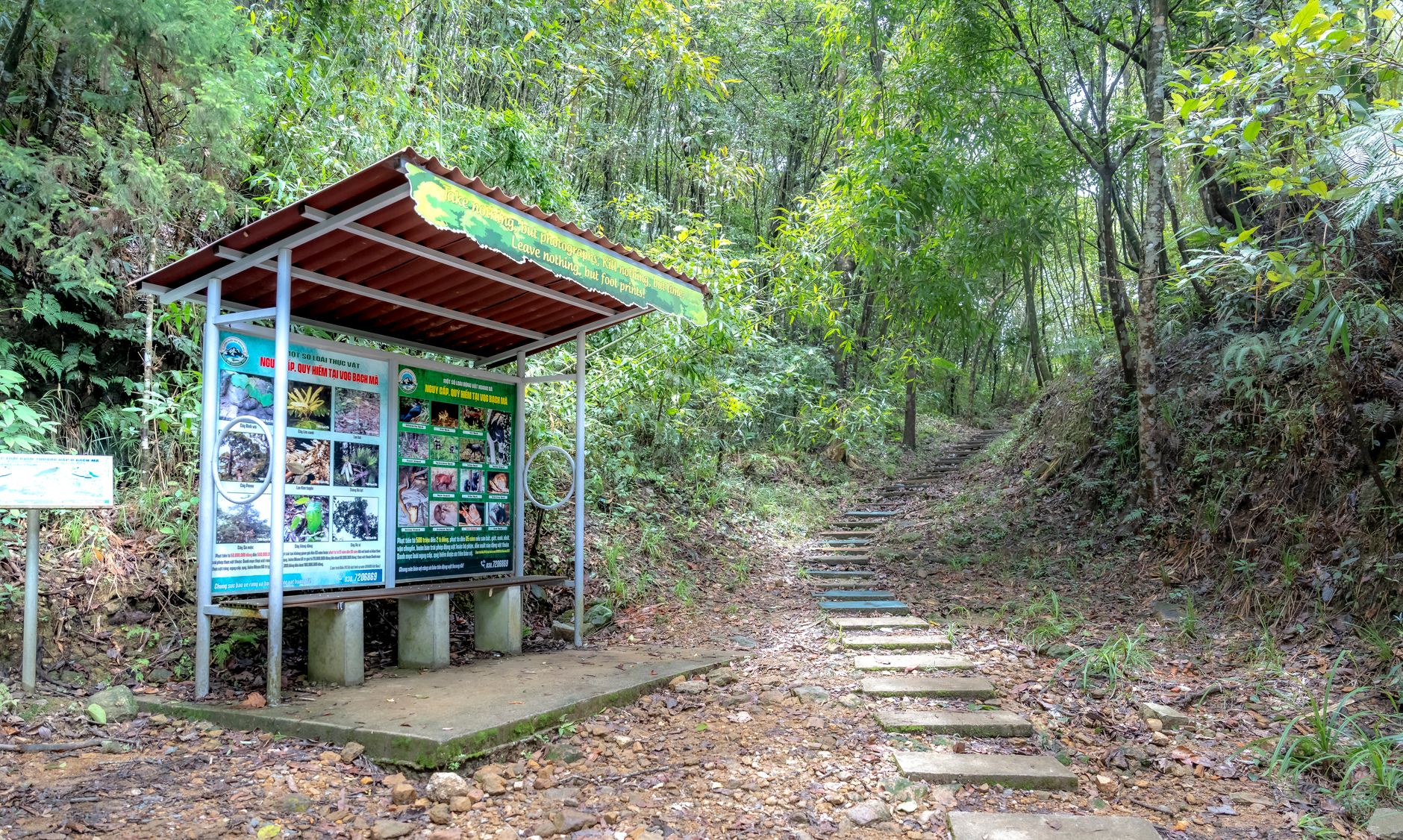
Photo by Quang Nguyen Vinh on Pexels
Getting Here and Around
Thhai Nguyen City lies 75 kilometers from central Hanoi (하노이 / 河内 / ハノイ) and 50 kilometers from Noi Bai International Airport. Direct bus routes run hourly from Hanoi's Gia Lam or Mien Bac terminals (2.5 hours, around 100,000–150,000 VND). The railway to Hai Phong also stops in Thai Nguyen City. Within the province, motorbike rental or hired drivers are essential; public buses link the city to district towns like Vo Nhai and Dong Hy, but schedules are sparse.
Food and Ethnic Culture
Tay and Nung minorities in the north prepare sticky rice, grilled fish wrapped in leaves, and foraged mushroom soups. Kinh lowlanders grow rice in the flatter zones and prepare traditional "com tam" (broken-rice) with roasted shallot and egg. Several small restaurants in Thai Nguyen City and Vo Nhai town serve ethnic minority dishes on weekends when families come to market. Ask your guesthouse for current spots; they change seasonally.
"Ca phe sua da" (iced coffee with sweetened condensed milk) is the default morning drink everywhere. The local water is clean and tea-culture runs deep—even street vendors serve hot or iced leaf tea alongside coffee.
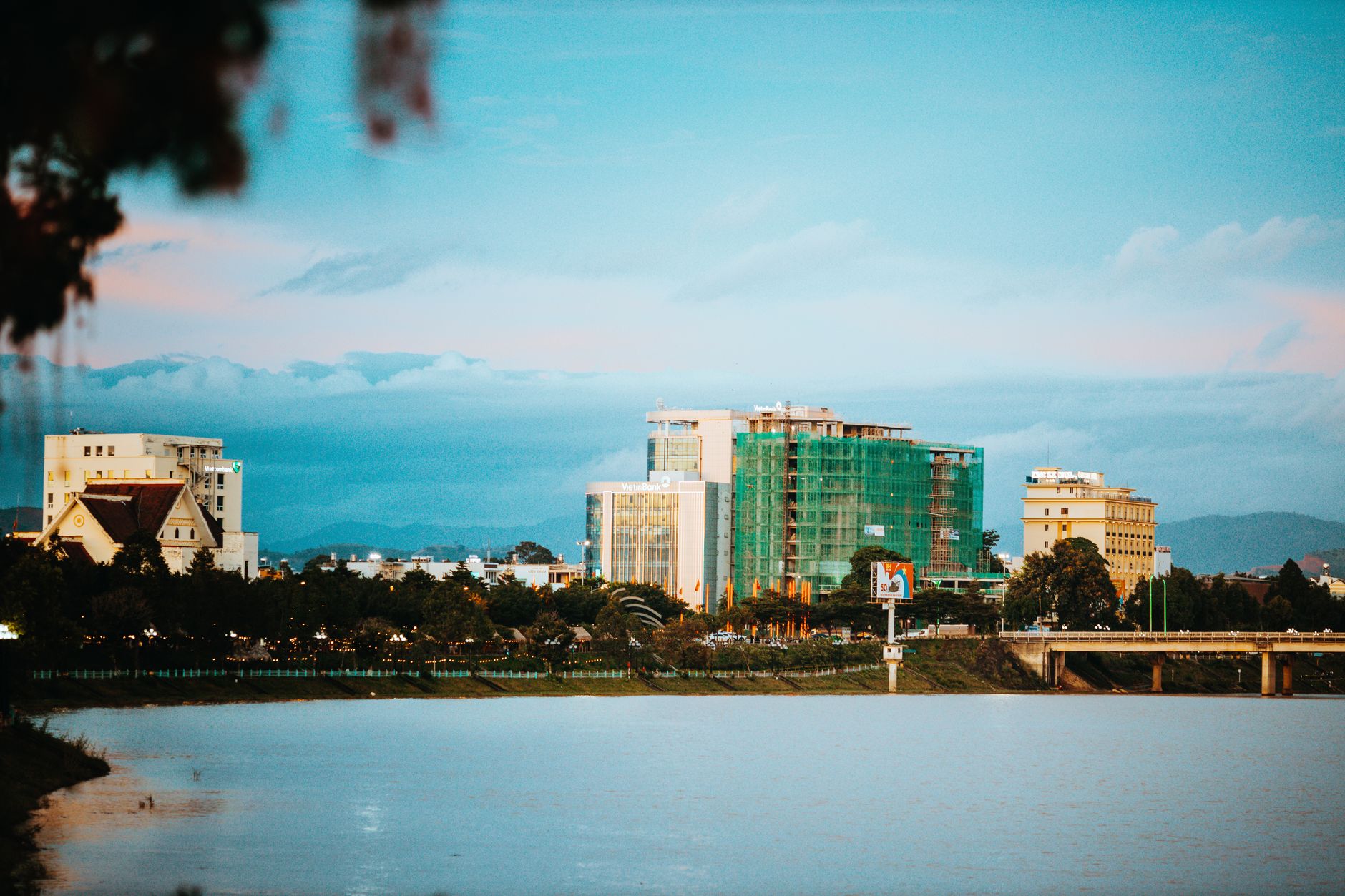
Photo by Thái Trường Giang on Pexels
When to Visit
October through April offers dry weather and comfortable temperatures (15–25°C). May through September is wet and hot (25–29°C), but tea gardens are lush and fewer tourists crowd the trails. Tet (뗏 (베트남 설날) / 越南春节 / テト (ベトナム旧正月)) (lunar new year) in late January or February sees local festivals in Vo Nhai and Phuc Yen villages, though accommodations fill quickly.
Practical Notes
Thai Nguyen City has basic hotels, internet cafes, and an ATM network. Outside the city, options shrink; Vo Nhai and Pho (쌀국수 / 越南河粉 / フォー) Yen have small guesthouses (200,000–400,000 VND per night). Restaurants outside the city center often lack English menus—pointing or showing photos on your phone works. The province is safe for travelers; petty theft is uncommon. Roads to the mountains are paved but narrow in places; hire a driver if you're not confident on two wheels.
Going to Vietnam? Eat and travel smarter.
Monthly: new dishes, off-the-beaten-path destinations, and itineraries — straight to your inbox. No spam. Unsubscribe anytime.
Join 0 expats. (We just launched.)
More from Northern Vietnam
Other articles covering the same region.

Hoa Lu Ancient Capital: Vietnam's First Kingdom and How to Visit from Ninh Binh
Hoa Lu was Vietnam's first royal capital, and the two temple complexes that survive are among the most atmospheric historical sites in the north.

Hoan Kiem Lake: The Sword Legend, Ngoc Son Temple, and When to Visit
Hoan Kiem Lake sits at the center of Hanoi's Old Quarter — here's the legend behind it, how to walk it properly, and when the streets actually belong to you.

Lung Cu Flag Tower: Vietnam's Northernmost Point
The drive to Lung Cu Flag Tower takes you to Vietnam's northernmost point at 1,500 metres. It's a half-day trip from Dong Van with a steep climb, mountain views, and nearby Hmong villages.
More in Destinations
More articles from the same category.

Landmark 81 Saigon: Observation Deck, Ice Rink, and Getting There from District 1
Landmark 81 is Vietnam's tallest building and Saigon's most visible skyline anchor. Here's what's actually inside and whether it's worth the trip.

Bitexco Financial Tower: Skydeck, Helipad Bar, and Whether the Ticket Is Worth It
Saigon's most recognizable skyscraper charges 250,000 VND to ride up to the 49th floor — here's what you actually see, and whether you should bother.

Notre Dame Cathedral Saigon: French Colonial Centerpiece in the Heart of HCMC
Saigon's Notre Dame Cathedral has been wrapped in scaffolding for years, but the square in front of it remains one of the best starting points for a colonial-era walking tour of District 1.

Paradise Cave, Quang Binh: The 31km Marble Cave That Beats Phong Nha for Photographers
Paradise Cave runs 31km through Quang Binh's karst and delivers the kind of cathedral-scale formations that Phong Nha's boat tour simply can't match. Here's how to see it properly.

Son Doong Cave: What the $3,000 Oxalis Expedition Actually Includes
Son Doong is the world's largest cave and only one operator is legally allowed to take you inside. Here is what the permit-only expedition covers and whether it is worth it.

Phong Nha Cave: Wet Cave, Dry Cave, and How to Choose
Phong Nha has two main caves worth your time — one you reach by river boat, one on foot. Here's how to pick, what each costs, and when to go.
Comments
Loading…