"Banh bot loc" are small, translucent, and chewy tapioca dumplings—a staple appetizer or snack in Vietnamese cuisine. Typically filled with shrimp and pork belly, then garnished with fried shallots and served with sweet chili fish sauce, they're a study in how a handful of ingredients becomes something memorable.
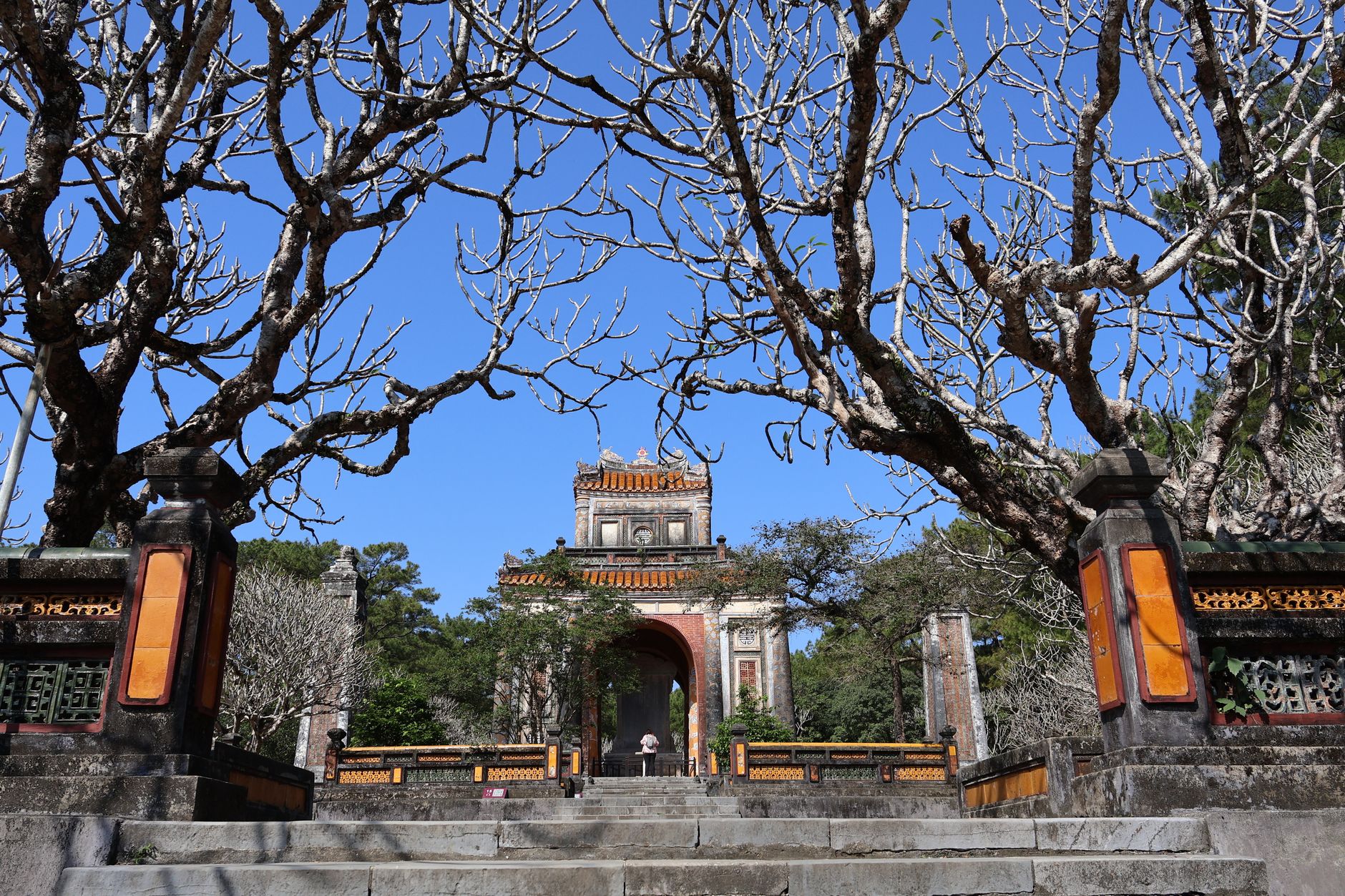
The dish comes from Hue, the former imperial capital, where the kitchen tradition emphasizes simplicity on the surface and sophistication underneath. Banh bot loc is exactly that: humble-looking dumplings with real depth. If you have eaten "pho" in Hanoi or "banh mi" in Saigon and think you know Vietnamese food, these dumplings will recalibrate your expectations.
What the Name Tells You
Break down "banh bot loc" and you understand the thing itself. "Banh" is Vietnamese shorthand for any cake or bread—really, any flour-based food. "Bot" means flour (no type specified). "Loc" means to refine or clarify. So the literal reading is "clear flour cake," which nails the dish's signature translucent skin.
You will hear locals say "banh bot loc Hue" to distinguish the original from imitations elsewhere. The name carries geographic pride the same way "bun bo Hue" does—it is not just a recipe, it is a regional identity marker.
Two Styles: Wrapped and Bare
You'll encounter banh bot loc two ways, and the difference matters.
Banh Bot Loc La (Wrapped in Banana Leaf)
When wrapped in blanched banana leaves, the dough sits on a leaf, filling goes in the center, another dough layer covers it, and then the leaves fold and seal around the whole parcel. The banana leaf imparts a subtle, faint aroma during steaming—a quiet flavor addition that changes how the dumpling tastes. The leaves hold everything together during cooking.
This is the version you will see most often in Hue (후에 / 顺化 / フエ) itself. Vendors stack them in bamboo steamers, and you order by the piece—typically 5,000–8,000 VND each depending on the neighborhood and filling size. At market stalls near Dong Ba Market on the north bank of the Perfume River, you can point at a steamer and hold up fingers. Five or six pieces makes a solid snack.
Banh Bot Loc Tran (Bare Dumplings)
The bare version is simpler in presentation. Dough gets shaped around filling into the classic squat dumpling form, then either steamed or boiled. After cooking, they're rinsed in cold water—a step that stops them sticking to each other and keeps the skin supple.
You will find "banh bot loc tran" more commonly outside of Hue—in Saigon restaurants, Da Nang (다낭 / 岘港 / ダナン) side-street shops, and Vietnamese restaurants overseas. They are easier to mass-produce and plate. A serving of 8–10 bare dumplings typically runs 30,000–50,000 VND at a street-food stall, or up to 75,000 VND at a sit-down restaurant.

Image by CEphoto, Uwe Aranas via Wikimedia Commons (CC BY-SA)
Fillings: Traditional and Otherwise
Classic banh bot loc uses a whole grilled shrimp (shell on) and a thick slice of pork belly. But you'll find variations. Some vendors shell the shrimp. Others skip the pork, using ground pork instead, or add mushrooms and onion. The dough itself sometimes mixes in corn starch or rice flour alongside the tapioca to dial in the exact chew and translucence.
In Hue, purists insist on shell-on shrimp because the shell adds a slight crunch and extra flavor against the soft dough. The pork belly should be marinated—typically with fish sauce, a touch of sugar, and black pepper—then seared or braised before it goes into the dumpling. When you bite through and get that rendered fat alongside the snap of shrimp, you understand why people are particular about this.
How They're Made
For the bare version: hot water goes into tapioca starch gradually while kneading until the dough is smooth, soft, and elastic. Divide into balls, flatten each one, place filling in the center, fold and pinch to seal. Steam or boil until translucent and cooked through, then cold-water rinse.
For the wrapped version: the dough is spread onto blanched banana leaves instead, filling placed on top, then another dough layer, then wrapped and tied with banana-leaf strips. Steam until cooked.
Both versions freeze well, so cooks often batch them ahead.
The critical variable is water temperature when mixing the dough. Too cool and the starch will not hydrate properly—you get a grainy, crumbly wrapper that tears. Too hot and the dough overcooks before you can shape it. Most experienced cooks aim for water just off the boil, around 90–95 degrees Celsius, and work quickly. The dough should feel like warm putty: pliable, slightly sticky, and stretchy. If it cracks when you fold it, add a few drops of hot water and knead again.

Image by CEphoto, Uwe Aranas via Wikimedia Commons (CC BY-SA)
Serving and Sauce
Always paired with "nuoc cham," the classic Vietnamese dipping sauce—usually a sweet chili fish sauce balancing sweet, sour, salty, and spicy. A shower of crispy fried shallots adds texture and aroma. These dumplings work as an appetizer, a light snack, or part of a larger Hue meal with other specialties like banh beo and banh nam.
In Hue, it is common to order a "combo" plate at local shops: a few pieces of banh bot loc, a few banh beo (steamed rice cakes with shrimp floss), some banh nam (flat steamed rice dumplings), and a small bowl of "bun bo Hue" on the side. A combo like this costs 40,000–60,000 VND and gives you a cross-section of the city's dumpling tradition in one sitting. Ask for "cho toi mot phan dac biet" (give me a special portion) and let the vendor decide what goes on the plate.
Where to Find Them
While banh bot loc is a Hue signature, you'll spot them throughout Vietnam, especially central and southern regions. Street vendors and local restaurants specialize in them. In Hue itself, check markets and dedicated eateries. The dumplings are often served alongside other local dumplings and cakes—a sign you're at a place that takes the form seriously.
In Hue: The area around Dong Ba Market and the streets south of the Imperial Citadel are dense with banh bot loc vendors, especially along Phan Boi Chau and Chi Lang streets. Bà Do (17 Nguyen Binh Khiem, open roughly 6:00–21:00) is a well-known name among locals. Hanh (11 Pho Duc Chinh) is another reliable option, with banana-leaf-wrapped versions stacked high by mid-morning.
In Da Nang: Look for Hue-style banh bot loc at stalls in Con Market or along Hai Phong street, about 2 km from the beachfront tourist area. Prices tend to run slightly higher than Hue—expect 8,000–10,000 VND per piece.
In Saigon: Hue food shops cluster in Districts 1, 3, and 10. Banh Beo Hue on Nguyen Thi Minh Khai (District 3) serves a solid tray of mixed Hue dumplings including banh bot loc for around 55,000 VND.
In Hoi An: Several restaurants in the old town serve banh bot loc alongside "cao lau" and "com ga" (chicken rice). It is not a Hoi An dish, but the proximity to Hue—about 130 km—means the recipe travels well.
Banh Bot Loc vs. Other Vietnamese Dumplings
Vietnam has a wider dumpling culture than most visitors realize. It helps to know what you are looking at.
Banh bot loc vs. "banh cuon": "Banh cuon" are thin, steamed rice-flour sheets rolled around ground pork and wood ear mushroom—a Hanoi breakfast staple. The wrapper is rice flour, not tapioca, so the texture is silky rather than chewy. Different dish entirely, but they sometimes appear on the same menus at Vietnamese restaurants abroad.
Banh bot loc vs. "goi cuon": "Goi cuon" (fresh spring rolls) use translucent rice paper wrappers, not tapioca dough. They are not cooked after wrapping. The see-through look confuses some visitors into thinking they are related, but the ingredients and technique have nothing in common.
Banh bot loc vs. "cha gio": "Cha gio" (fried spring rolls) are deep-fried, crispy, and golden. They share the dumpling family tree in the broadest sense—filling wrapped in a starch wrapper—but the flavor profile and texture are opposite.
Banh bot loc vs. banh nam: Banh nam is another Hue dumpling, but it uses rice flour for the wrapper and is steamed flat in banana leaves. The filling is typically shrimp paste rather than whole shrimp. Thinner, more delicate, less chew. The two are often served together.
Common Mistakes and What Surprises Foreigners
Eating them cold. Banh bot loc are best warm. The tapioca dough stiffens as it cools, losing its signature bounce. If a vendor hands you a plate that has been sitting, ask "co nong khong?" (is it hot?) and wait for a fresh batch if possible.
Skipping the sauce. The dumplings are deliberately under-seasoned on their own. The nuoc cham is not optional—it provides most of the salt, sweetness, and heat. Dipping generously is the correct move.
Expecting large portions. Each dumpling is small, roughly two bites. First-timers often order three or four pieces and wonder why they are still hungry. Six to ten pieces is a normal snack portion. Adjust accordingly.
Confusing the two styles. Ordering "banh bot loc" in some places defaults to the banana-leaf version; in others, you get bare dumplings. If you have a preference, specify "la" (leaf-wrapped) or "tran" (bare). In Hue, saying just "banh loc" usually gets you the wrapped kind.
Assuming they are gluten-free. Pure tapioca starch is naturally gluten-free, and most traditional recipes stick to tapioca. But some cooks add wheat flour for easier handling, and the dipping sauce may contain soy sauce with wheat. If celiac disease is a concern, ask "co bot mi khong?" (does it have wheat flour?).
Quick Reference
- Full name: Banh bot loc (clear flour dumplings)
- Origin: Hue, central Vietnam
- Key ingredient: Tapioca starch (bot nang or bot loc)
- Classic filling: Whole shrimp (shell on) + marinated pork belly
- Two main styles: Banh bot loc la (banana-leaf wrapped) / Banh bot loc tran (bare)
- Typical price: 5,000–10,000 VND per piece; 30,000–75,000 VND per serving
- Dipping sauce: Nuoc cham (sweet chili fish sauce)
- Best time to eat: Morning through early afternoon, when batches are freshest
- Pairs well with: Banh beo, banh nam, "bun bo Hue," "ca phe sua da"
- Useful phrase: "Cho toi muoi cai banh bot loc" — Give me ten banh bot loc
Final Note
When you're eating banh bot loc, you're tasting how Hue's cooks take basic flour, water, and filling and turn it into something that feels both ancient and immediate. The dish does not try to impress you with complexity—it earns your attention through texture and balance. Sit at a plastic stool in Dong Ba Market, tear open a banana leaf, dip, and eat. That is the whole point.
Last updated · May 29, 2026 · independently researched, never sponsored.