Bargaining in Vietnam: Where to haggle, where not to
Haggling is expected in Vietnam's markets and with independent tour operators, but misreading the context will mark you as a tourist fast. Here's where negotiation works and where it just annoys people.

Bargaining in Vietnam (베트남 / 越南 / ベトナム) isn't a sport—it's a social ritual with unspoken rules. Mess them up and you'll either overpay or create unnecessary friction. The key is knowing when the price tag is a conversation starter and when it's final.
Where bargaining is expected
Markets
This is the obvious one, but there's a technique. At Ben Thanh Market in Saigon or Dong Xuan Market in Hanoi, vendors expect negotiation. The opening price is rarely their bottom line.
Start by asking the price. If they say 200,000 VND for a souvenir that looks mass-produced, counter with 100,000 VND. They'll likely come back at 150,000. A fair middle ground is often 120,000–130,000 VND. The dance usually takes 2–3 rounds.
A few rules:
- Be friendly. A smile and eye contact make a difference. Many vendors see dozens of tourists daily; being pleasant makes them more willing to drop the price.
- Never insult the merchandise. Saying "this is cheap quality" while haggling will offend them and kill the negotiation.
- Walk away if the price isn't moving. Seriously walk away. Often they'll call you back with a better offer.
- Only haggle if you're genuinely interested in buying. Bargaining just to haggle wastes everyone's time.
At street stalls selling "pho", "banh mi", or "cha gio", prices are fixed. You don't negotiate for food at a vendor's cart.
Souvenir and craft shops
Independent souvenir shops (not high-street branded chains) expect negotiation, especially if you're buying multiple items. A 10–20% discount is reasonable if you're spending over 500,000 VND. Politely ask, "Is this your best price?" or "Any discount for two items?" Often they'll offer 10–15% off without you pushing hard.
Tour operators and guides
Independent or small tour operators—especially those booking multi-day trips, cooking classes, or adventure tours—often have wiggle room. If you're booking a 2-day Ha Long Bay cruise or a Mekong Delta (메콩 델타 / 湄公河三角洲 / メコンデルタ) tour directly (not through an online platform), ask about discounts. Tour guides leading group tours sometimes negotiate daily rates too.
The key: you're negotiating based on volume (more people, longer duration, cash payment) or repeat business, not just haggling for sport.
Where NOT to bargain
Restaurants
Don't. Ever. A restaurant with a menu and prices printed on it has set costs. Asking for a discount on food insults the owner and the cook. It signals you think the meal is overpriced, which can be read as rude.
If you're eating at a street stall with no menu, prices are still fixed—you pay what they ask. The only exception: if you're a regular and the owner likes you, they might throw in an extra "banh" or reduce your price next time. That's goodwill, not negotiation.
Taxis with meters
The meter exists for a reason. Negotiating the fare after the ride is complete (or during it) is essentially disputing the driver's honesty. Use Grab (the app-based ride service) instead if you want transparency. Fares are calculated upfront, no haggling, no meter games, no awkwardness.
Unmetered taxis (rare now, but they exist) are a different story—agree on a price before you get in. But metered cabs? Pay what the meter says.
Hotels and established guesthouses
Quoted prices at a hotel reception desk are final. Online booking rates are competitive; the receptionist won't drop them because you ask nicely in the lobby. If you're staying 3+ nights, you can politely ask about a multi-night discount when checking in, and some places will offer 5–10% off. But it's not haggling—it's a courtesy inquiry.
Airlines, buses, trains
Ticket prices are non-negotiable. You're not in a souk. Buy online or at the counter; the price is the price.
Department stores and chains
No haggling at supermarkets, malls, or branded retail shops. Fixed pricing is the whole model.

Photo by Thien Phuoc Phuong on Pexels
Tone and approach
The spirit of bargaining in Vietnam isn't adversarial. It's friendly. You're not trying to "beat" the vendor; you're both working toward a price that feels fair to both of you.
- Smile and be polite, even if you're haggling down hard.
- Use a bit of humor. If they say 200,000 and you say 100,000, make it feel like a lighthearted game, not a confrontation.
- Learn basic Vietnamese greetings and thanks. Saying "Co ơi" (older sister/woman) and "cam on" (thanks) builds rapport.
- Don't haggle if you're tired, hungry, or in a bad mood. It shows, and it makes negotiations tense.
- Accept that sometimes you won't get the lowest price. That's okay.
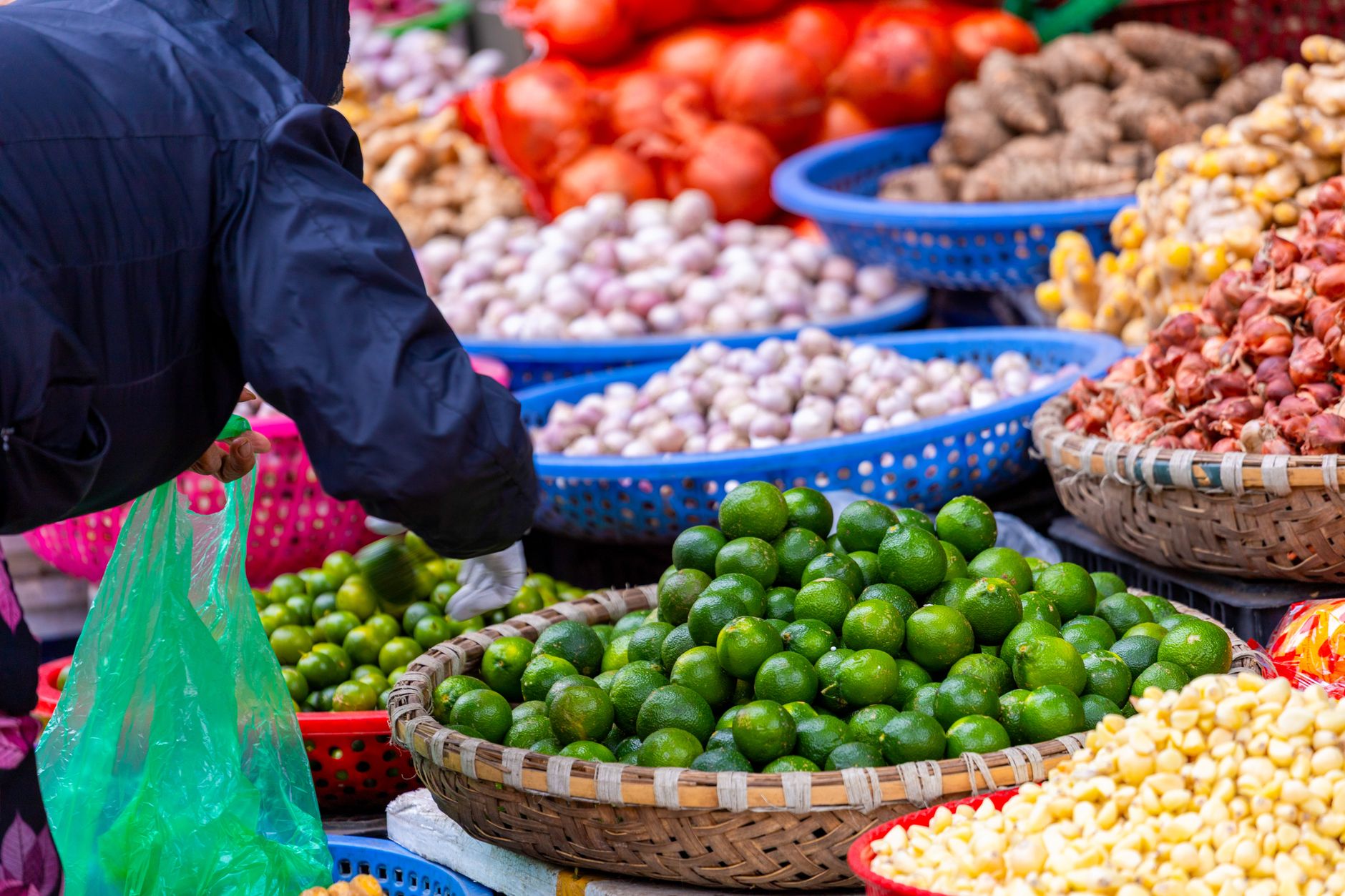
Photo by Hồng Quang Official on Pexels
Reading the room
If a vendor's response to your counter-offer is a sharp price or they stop engaging, they've hit their floor. Respect it. Pushing further damages the interaction and marks you as aggressive.
Conversely, if they keep dropping the price after each offer, there's usually more room to negotiate. But don't squeeze until they're clearly unhappy.
In tourist-heavy areas (Hanoi Old Quarter, Hoi An night market, Saigon (사이공 / 西贡 / サイゴン) Ben Thanh), vendors are used to Western haggling. They expect it, enjoy it sometimes, and rarely take it personally. In smaller towns or less touristy markets, bargaining is more subtle—vendors might drop the price less, and the whole exchange is quieter.
Bottom line
Bargain in markets, souvenir shops, and with independent tour operators. Skip it at restaurants, metered taxis, hotels' posted rates, and retail chains. Keep your tone friendly, walk away if the price stalls, and remember that getting a "good deal" isn't worth souring an interaction. Vendors are people, not opponents.
Going to Vietnam? Eat and travel smarter.
Monthly: new dishes, off-the-beaten-path destinations, and itineraries — straight to your inbox. No spam. Unsubscribe anytime.
Join 0 expats. (We just launched.)
More from All of Vietnam
Other articles covering the same region.

Best Tau Hu in Hoi An: Where Locals Send You
Tau hu—silky tofu soup—tastes different in Hoi An. Here's where locals actually eat it, and why.

7 Days in Vietnam: A Yoga and Meditation Itinerary
A week-long route through Vietnam's quietest corners: Sapa's mountain silence, a meditation center in the Mekong, and coastal stillness in Da Lat. Real costs, transport, and retreat recommendations.

7 Days in Vietnam: A Solo Backpacker Itinerary
A tested week-long route through Hanoi, Ha Long Bay, and Saigon with budget lodging, street food, and overland transport. Real costs and booking tips included.
More in Travel Tips
More articles from the same category.

Where to Stay in Saigon: District 1 vs District 3 vs District 7
Three neighborhoods, three vibes. Pick District 1 for backpackers and chaos, District 3 for quiet and value, or District 7 for modern expat comfort. Here's how each stacks up.

Where to Stay in Sapa: Town Center vs Cat Cat vs Ta Van
Sapa has three distinct bases: the foggy town center for convenience, Cat Cat village for quiet hilltop views, or Ta Van for homestay immersion. Pick based on whether you're chasing comfort or trekking.

Where to Stay in Can Tho: Ninh Kieu, Cai Rang, or Orchards
Can Tho's three main neighborhoods offer different angles on Mekong Delta life. Here's how to pick based on your priorities and budget.

Where to Stay in Hue: Citadel vs South Bank vs Beach
Hue splits into three distinct neighborhoods for travelers. Each offers different trade-offs between history access, dining, and atmosphere—here's how to choose.

Vietnam Gift Culture: Red Envelopes, Lucky Money & Birthday Etiquette
Understanding "li xi", birthday cakes, and the unwritten rules of gift-giving in Vietnam—from Tet bonuses to wedding contributions.

Vietnam Tipping Guide by Service: What (and When) to Tip
Tipping isn't mandatory in Vietnam, but it's appreciated in certain services. Here's a breakdown of what to give—and what to skip—across hotels, taxis, tours, spas, and restaurants.
Comments
Loading…