Hung Yen Best Time to Visit: A Traveler's Guide
Hung Yen is quieter than Hanoi but shares the same monsoon rhythms. Here's when to go, based on weather, crowds, and local festivals.

Hung Yen province sits about 40 km east of Hanoi, sandwiched between the Red River and the coast. Most travelers skip it—which is partly the appeal. But you need to know what the weather will do, when pilgrims flood the temples, and whether you'll be sweating through your shirt or needing a jacket.
Winter (November to February): Clear and Cool
This is when Hung Yen is at its best. The northeast monsoon pushes warm, humid air away, leaving crisp, dry days with temperatures between 10–20°C (50–68°F). Humidity drops to 60–70 percent.
November and December are ideal: sunny mornings, cool afternoons, almost no rain. By January and early February, it gets chilly—locals wear sweaters—but still comfortable for walking around. If you're visiting the Hung Kings Temple complex in Phu Tho (just across the border), you'll have clear views of the Red River plains.
Crowds are moderate. Weekends in December draw Hanoi families escaping the city, but Hung Yen itself remains low-key. Mid-week visits are nearly empty.
Spring (March to April): Warming Up, Rains Start
March brings warm days (20–28°C / 68–82°F) with increasing humidity. It feels pleasant—not hot yet—and spring flowers bloom in local gardens and pagodas. This is a nice window if you can't do winter.
By late April, monsoon rains arrive. You'll see occasional downpours, but they're usually brief. Mornings are often clear. Humidity climbs to 75–80 percent, making it feel clammy even when it's not raining.
Crowds pick up slightly as Vietnamese families plan day trips before summer holidays kick in. Still manageable compared to Hanoi.
Summer (May to September): Hot, Humid, and Wet
Temperatures hit 28–35°C (82–95°F) with humidity at 80 percent or higher. The southwest monsoon dominates; expect afternoon thunderstorms, especially July and August. Roads flood in low-lying areas, and local bus schedules can get disrupted.
This is not prime time. If you must visit, stick to early morning walks before 9 a.m., when it's tolerable. Temples are still accessible, but outdoor sightseeing becomes a sweat lodge.
Tourist crowds thin out—most travelers stay in air-conditioned Hanoi or head south. Prices dip for guesthouses and restaurants, but you sacrifice comfort.
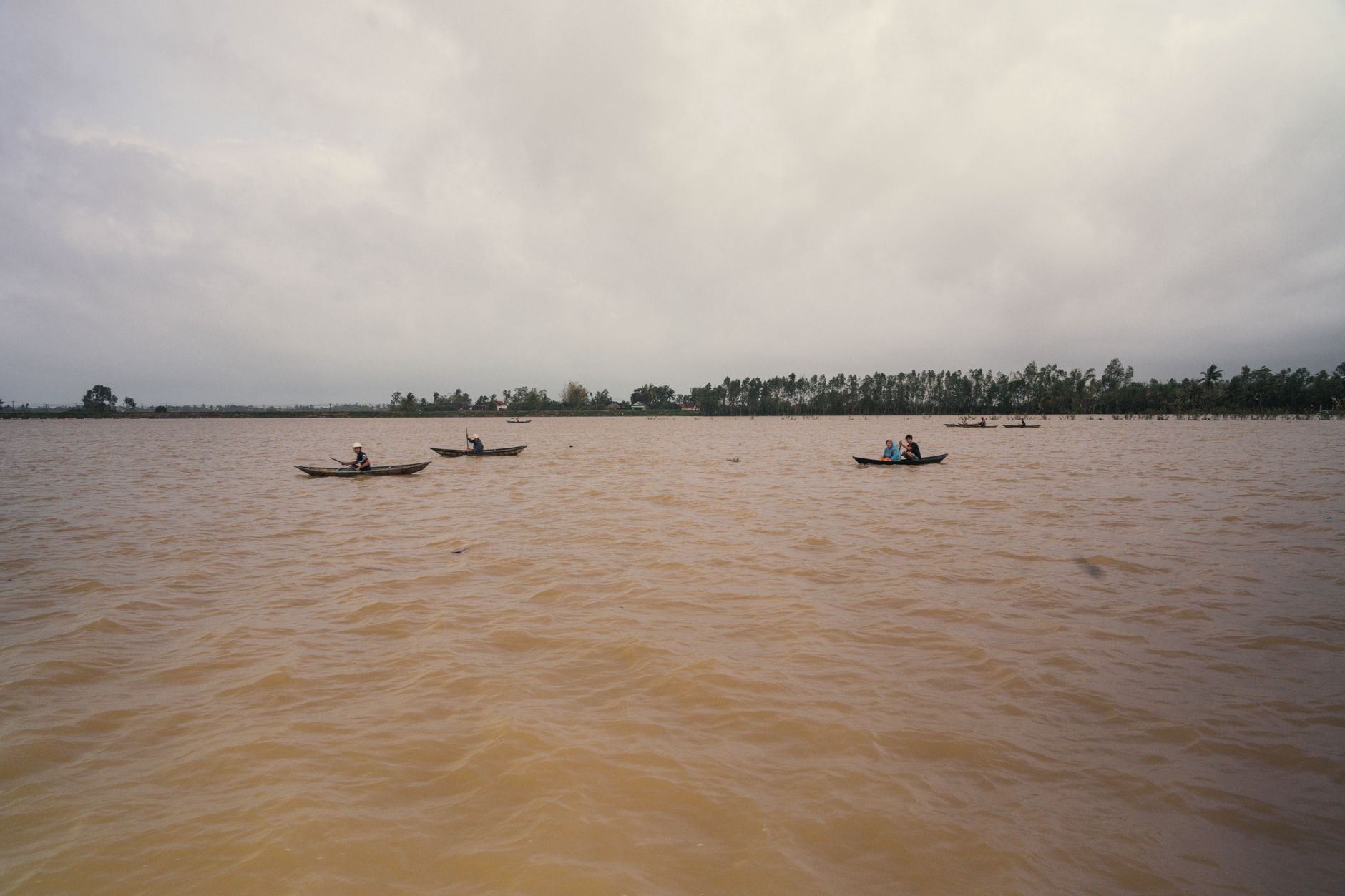
Photo by Long Bà Mùi on Pexels
Autumn (October): Transition Week
October is a sweet spot: it's hot but drying out. Temperatures hover around 25–30°C (77–86°F), humidity around 75 percent. Rain becomes intermittent. By late October, the crisp air returns.
Crowds are light. Hotels drop prices as summer tourism officially ends. It's a good budget month if you don't mind occasional heat.
Festivals and Seasonal Events
The Hung Kings Festival (usually mid-April, but exact dates vary by lunar calendar) draws thousands to Phu Tho province's Hung Kings Temple—about 15 km from central Hung Yen. If you're in the region, it's worth timing your visit around this, though expect crowded roads and packed restaurants. The festival celebrates the mythical founders of Vietnam with incense offerings, processions, and traditional performances.
Tet (Lunar New Year, late January to mid-February) floods the region. Temples overflow with pilgrims, families visit shrines, and local villages organize celebrations. Hotels book up fast. Roads get congested as Hanoi residents head home. It's colorful but chaotic; not ideal for peace-seeking travelers unless you embrace the chaos.
Mid-Autumn Festival (eighth lunar month, typically September to October) brings lantern displays and moon cakes to local markets. Less crowded than Tet, but still festive.
Peak Season vs. Shoulder vs. Off-Season
Peak Season (November–January): Dry, cool, sunny. Hotels raise prices 10–20 percent. Weekend rooms can be hard to find. Book ahead.
Shoulder Season (March–April, October): Pleasant weather, fewer crowds than peak, prices moderate. March gets rainier as the season progresses; October is drying out. A smart choice if you want balance.
Off-Season (May–September): Hot, humid, rainy. Prices are lowest; hotels offer discounts. Crowds are minimal. Only for travelers with heat tolerance and flexible plans.

Photo by Vietnam Hidden Light on Pexels
Month-by-Month at a Glance
| Month | Temp (°C) | Rain | Humidity | Crowds | Best For | |-------|-----------|------|----------|--------|----------| | January | 12–18 | Low | 65% | Moderate | Cool walks, temples | | February | 13–20 | Low | 70% | High (Tet) | Festivals, if you plan ahead | | March | 18–25 | Rising | 75% | Moderate | Spring, gardens | | April | 24–30 | Moderate | 80% | Moderate | Late month before heat | | May | 28–32 | High | 82% | Low | Budget travelers | | June | 29–34 | High | 83% | Low | Avoid | | July | 29–34 | Very high | 84% | Low | Avoid | | August | 29–33 | High | 84% | Low | Avoid | | September | 26–32 | Moderate | 82% | Low | Late month improving | | October | 22–28 | Low | 75% | Low | Underrated, good value | | November | 18–25 | Low | 68% | Moderate | First choice | | December | 14–22 | Low | 65% | High | Peak season starts |
What to Pack
November–February: Light jacket, sweater for evenings, comfortable walking shoes. Bring sunscreen—dry season sun is strong.
March–April: Lightweight rain jacket, umbrella, breathable clothes. Closed-toe shoes for muddy temple grounds.
May–September: Lightweight, moisture-wicking fabrics. Waterproof bag for electronics. Sturdy sandals or waterproof shoes. Umbrella or poncho for sudden downpours.
October: Layer-friendly clothes; mornings are warm, evenings cool. Light rain jacket just in case.
Practical Notes
Hung Yen doesn't have major hotels or restaurants like Hanoi does, so plan simple meals and modest guesthouses. Most visitors day-trip from Hanoi (40-minute drive) or combine Hung Yen with neighboring Hai Duong province. If you're coming for the rural feel and temple visits, November through January is your window—weather is stable, temples are lively with pilgrims, and you won't overheat. If budget matters more than comfort, October or May–September work, but expect trade-offs in either temperature or tourism infrastructure.
Going to Vietnam? Eat and travel smarter.
Monthly: new dishes, off-the-beaten-path destinations, and itineraries — straight to your inbox. No spam. Unsubscribe anytime.
Join 0 expats. (We just launched.)
More from hung-yen
Other articles covering this city.

How to Get to Hung Yen: Transport From Hanoi and Beyond
Hung Yen sits 50 km east of Hanoi and is easiest reached by bus or motorbike. Here's what each route costs, how long it takes, and where to stay once you arrive.

Banh Cuon: Vietnam's Paper-Thin Steamed Rice Rolls, Region by Region
From Thanh Tri's translucent sheets to Lang Son's egg-yolk surprise, "banh cuon" changes dramatically across Vietnam. Here's what makes each regional style worth tracking down.
More from Northern Vietnam
Other articles covering the same region.

Hoa Lu Ancient Capital: Vietnam's First Kingdom and How to Visit from Ninh Binh
Hoa Lu was Vietnam's first royal capital, and the two temple complexes that survive are among the most atmospheric historical sites in the north.

Hoan Kiem Lake: The Sword Legend, Ngoc Son Temple, and When to Visit
Hoan Kiem Lake sits at the center of Hanoi's Old Quarter — here's the legend behind it, how to walk it properly, and when the streets actually belong to you.

Lung Cu Flag Tower: Vietnam's Northernmost Point
The drive to Lung Cu Flag Tower takes you to Vietnam's northernmost point at 1,500 metres. It's a half-day trip from Dong Van with a steep climb, mountain views, and nearby Hmong villages.
More in Destinations
More articles from the same category.

Landmark 81 Saigon: Observation Deck, Ice Rink, and Getting There from District 1
Landmark 81 is Vietnam's tallest building and Saigon's most visible skyline anchor. Here's what's actually inside and whether it's worth the trip.

Bitexco Financial Tower: Skydeck, Helipad Bar, and Whether the Ticket Is Worth It
Saigon's most recognizable skyscraper charges 250,000 VND to ride up to the 49th floor — here's what you actually see, and whether you should bother.

Notre Dame Cathedral Saigon: French Colonial Centerpiece in the Heart of HCMC
Saigon's Notre Dame Cathedral has been wrapped in scaffolding for years, but the square in front of it remains one of the best starting points for a colonial-era walking tour of District 1.

Paradise Cave, Quang Binh: The 31km Marble Cave That Beats Phong Nha for Photographers
Paradise Cave runs 31km through Quang Binh's karst and delivers the kind of cathedral-scale formations that Phong Nha's boat tour simply can't match. Here's how to see it properly.

Son Doong Cave: What the $3,000 Oxalis Expedition Actually Includes
Son Doong is the world's largest cave and only one operator is legally allowed to take you inside. Here is what the permit-only expedition covers and whether it is worth it.

Phong Nha Cave: Wet Cave, Dry Cave, and How to Choose
Phong Nha has two main caves worth your time — one you reach by river boat, one on foot. Here's how to pick, what each costs, and when to go.
Comments
Loading…