Where to Stay in Hung Yen: Budget, Mid-Range & Luxury Options
Hung Yen is a quiet riverside province near Hanoi with few tourist hotels — here's what actually exists, where to base yourself, and what to expect at each price tier.

Hung Yen sits about 40 km southeast of Hanoi on the Red River. It's not a major tourist destination like Hoi An or Sapa, so accommodation is sparse and geared mostly toward Vietnamese business travelers and occasional expat visitors. That's actually the appeal: you get authentic smalltown Vietnam without the backpacker-hostel infrastructure.
The province has one main urban center — Hung Yen City (also called Ha Yen City) — and a few district towns. Most visitors who sleep here are either working in the province, doing day trips to nearby ceramic villages, or using it as a quieter alternative to Hanoi while still within commute range.
Hung Yen City: the main accommodation hub
The city center is compact, walkable, and centered around Duong Le Hong Phong (the main north-south road). Hotels cluster here, along with restaurants and markets. It's the most convenient base if you're planning to explore local "co" (craft) villages — the province is known for pottery, embroidery, and silk weaving — or just want a peaceful town stay.
Stay here if: you're visiting ceramic workshops in Thu Thiem or Quang Minh, working remotely, or looking for a genuine smalltown Vietnamese experience without tourist markup.
Budget: 150,000–350,000 VND per night
Basic guesthouses dominate this tier. Most are simple, clean, and run by locals who may not speak much English — this is not a tourist-heavy zone.
Hung Yen Guesthouse (various small places along Le Hong Phong): expect a fan room with basic bathroom, hot water, and sometimes a small restaurant downstairs serving pho and com tam for breakfast. No frills. Around 150,000–200,000 VND for a single; 200,000–250,000 for a double. WiFi works, though it may be slow.
Why stay here: you're sleeping in the real Hung Yen, not a tourist bubble. You'll eat where locals eat, chat with the family running the place, and understand what a small provincial town actually feels like. Prices are genuinely cheap — cheaper than Hanoi's budget guesthouses.
Downsides: minimal English, no booking websites (you may need to walk in or ask a local), zero tourist amenities, rooms can be dark or worn.
Mid-range: 350,000–800,000 VND per night
This tier includes small hotels with air-con, private bathrooms, and basic hotel services. They're used to occasional foreign guests and staff may speak some English.
Hung Yen 3 Star Hotel (Duong Le Hong Phong, city center): standard three-star setup — clean rooms with AC, TV, minibar, small gym, basic restaurant. Around 450,000–650,000 VND for a double. Online bookable via Booking.com or Agoda. Good WiFi, English-speaking reception, and English menu at the restaurant.
Thien Loi Hotel (near Hung Yen City square): similar standard, quieter location, slightly cheaper at 400,000–550,000 VND. Includes breakfast, reliable AC, and staff can arrange local tours or motorbike rentals.
Why stay here: you get comfort and reliability without paying Hanoi prices. The hotel staff can help you navigate the province — recommend restaurants, suggest workshop visits, arrange transport. You're still in town but have a safety net.
Downsides: rooms can be dated; breakfast is usually just bread and coffee; not much personality.
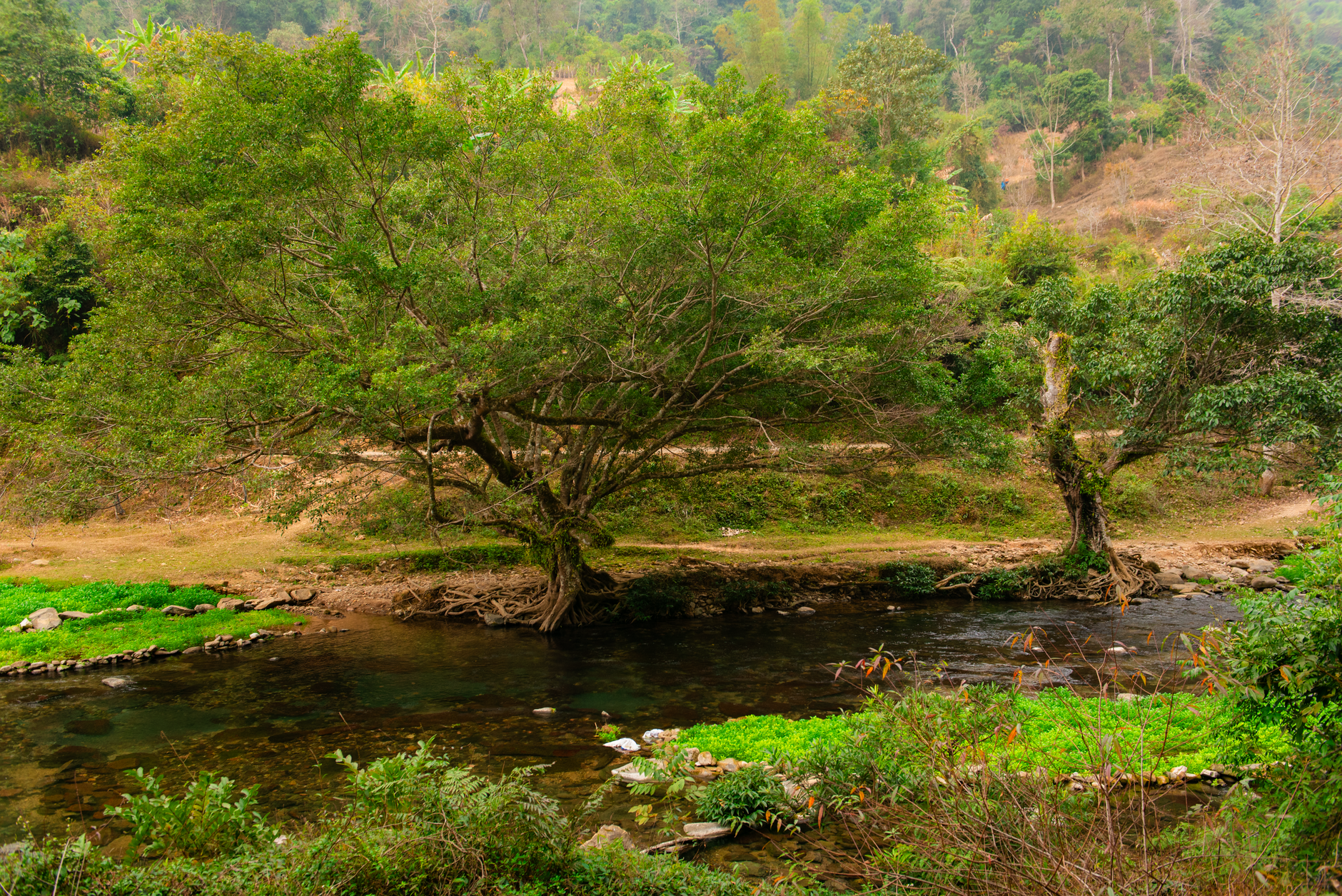
Photo by Hiếu Vũ Vlog on Pexels
Luxury: 800,000 VND and up
Hung Yen has very few upscale options. If you need true luxury, stay in nearby Hanoi (30 min drive) instead.
Hung Yen Riverside Resort (if it exists; rare): sometimes promoted as a 4-star resort on the Red River with villas and a spa. Prices quoted around 1,200,000–2,000,000 VND. Verify availability before planning — Hung Yen's luxury infrastructure is spotty and properties can close or rebrand.
For reliable luxury, book a hotel in Hanoi (Metropole, Sofitel Metropole, Hilton) and day-trip to Hung Yen. You'll pay more but get consistency.
Why stay in Hung Yen at all if you want luxury: honestly, you probably shouldn't. The point of Hung Yen is authenticity and escape, not comfort-seeking. If you need five-star service, you're in the wrong destination.
Neighborhoods and districts
Hung Yen City: the administrative capital and only real accommodation hub. Everything else is rural.
Kim Dong District: southeast of the city, known for ceramics. No hotels; visit as a day trip from the city. Drive or motorbike 20–30 min.
Tien Lu District: west of the city, known for embroidery and silk. Again, day-trip only. Most travelers base themselves in Hung Yen City and take guided visits to workshops.
Van Giang District: northwest, quieter and more rural. No tourist infrastructure.

Photo by Gibson Chan on Pexels
How to get there
From Hanoi: bus (2–3 hours via the southern suburbs) or motorbike/car rental (40 km, 1–1.5 hours depending on traffic). There's no train or direct flight. Many travelers rent a motorbike for the day or hire a driver through their Hanoi hotel.
What to expect (the reality)
Hung Yen is not Hoi An. There are no rooftop bars, no "Instagram-friendly" cafes, no English-language menus at most restaurants. English is rare even at mid-range hotels. Roads are crowded during rush hour. Air quality can be dusty. Wifi is functional but slower than Hanoi.
But that's the point. You're seeing Vietnam at working pace, not packaged for tourists. The people are genuinely kind, food is cheap and good, and the province has real charm if you're patient.
Practical notes
Book mid-range hotels in advance via Agoda or Booking.com. Budget guesthouses may need to be visited in person. Rent a motorbike or hire a driver if you want to visit craft villages — public transport is minimal. English speakers are rare, so learn a few basic Vietnamese phrases or use Google Translate. Best time to visit: October–April (cool and dry). Avoid late May–September (hot, humid, and rainy).
Going to Vietnam? Eat and travel smarter.
Monthly: new dishes, off-the-beaten-path destinations, and itineraries — straight to your inbox. No spam. Unsubscribe anytime.
Join 0 expats. (We just launched.)
More from hung-yen
Other articles covering this city.

How to Get to Hung Yen: Transport From Hanoi and Beyond
Hung Yen sits 50 km east of Hanoi and is easiest reached by bus or motorbike. Here's what each route costs, how long it takes, and where to stay once you arrive.

Banh Cuon: Vietnam's Paper-Thin Steamed Rice Rolls, Region by Region
From Thanh Tri's translucent sheets to Lang Son's egg-yolk surprise, "banh cuon" changes dramatically across Vietnam. Here's what makes each regional style worth tracking down.
More from Northern Vietnam
Other articles covering the same region.

Hoa Lu Ancient Capital: Vietnam's First Kingdom and How to Visit from Ninh Binh
Hoa Lu was Vietnam's first royal capital, and the two temple complexes that survive are among the most atmospheric historical sites in the north.

Hoan Kiem Lake: The Sword Legend, Ngoc Son Temple, and When to Visit
Hoan Kiem Lake sits at the center of Hanoi's Old Quarter — here's the legend behind it, how to walk it properly, and when the streets actually belong to you.

Lung Cu Flag Tower: Vietnam's Northernmost Point
The drive to Lung Cu Flag Tower takes you to Vietnam's northernmost point at 1,500 metres. It's a half-day trip from Dong Van with a steep climb, mountain views, and nearby Hmong villages.
More in Destinations
More articles from the same category.

Landmark 81 Saigon: Observation Deck, Ice Rink, and Getting There from District 1
Landmark 81 is Vietnam's tallest building and Saigon's most visible skyline anchor. Here's what's actually inside and whether it's worth the trip.

Bitexco Financial Tower: Skydeck, Helipad Bar, and Whether the Ticket Is Worth It
Saigon's most recognizable skyscraper charges 250,000 VND to ride up to the 49th floor — here's what you actually see, and whether you should bother.

Notre Dame Cathedral Saigon: French Colonial Centerpiece in the Heart of HCMC
Saigon's Notre Dame Cathedral has been wrapped in scaffolding for years, but the square in front of it remains one of the best starting points for a colonial-era walking tour of District 1.

Paradise Cave, Quang Binh: The 31km Marble Cave That Beats Phong Nha for Photographers
Paradise Cave runs 31km through Quang Binh's karst and delivers the kind of cathedral-scale formations that Phong Nha's boat tour simply can't match. Here's how to see it properly.

Son Doong Cave: What the $3,000 Oxalis Expedition Actually Includes
Son Doong is the world's largest cave and only one operator is legally allowed to take you inside. Here is what the permit-only expedition covers and whether it is worth it.

Phong Nha Cave: Wet Cave, Dry Cave, and How to Choose
Phong Nha has two main caves worth your time — one you reach by river boat, one on foot. Here's how to pick, what each costs, and when to go.
Comments
Loading…