Where to Stay in Buon Ma Thuot: City Hotels vs Coffee Plantation Farmstays
Buon Ma Thuot is a working coffee hub, not a beach resort. Here's how to choose between city-center basics, plantation stays, and the lakeside option.

Buon Ma Thuot isn't on most tourists' Vietnam maps, and that's by design. It's the heart of the Central Highlands (중부 고원 / 中部高原 / 中部高原) coffee industry—a place you come to if you actually care about "ca phe"—not for Instagram temples or nightlife. The accommodation choice here depends entirely on whether you want creature comforts or immersion.
City Center Hotels: Handy, Not Historic
The downtown core (around Nguyen Cong Tru and Ly Thuong Kiet streets) has no shortage of $15–30 guesthouses and budget hotels. Places like Saigon Buon Ma Thuot Hotel or Dakruco Hotel offer clean rooms, air-con, and reliable WiFi if you need a base for a night or two. A few mid-range options—Thaco Hotel, Alagon Buon Ma Thuot—push into the $40–60 range and throw in breakfast and maybe a small gym.
Stay here if you're passing through town for a morning coffee-factory tour, want nightlife (such as it is: karaoke bars and beer joints on Tran Hung Dao), or prefer a pillow you know over an adventure. The city itself has no major historical draw—no citadel, no pagoda complex worth a detour. You're here for the coffee ecosystem, not the sights.
Coffee Plantation Farmstays: The Real Buon Ma Thuot Experience
This is where the trip becomes worth the flight. Dozens of coffee estates in the surrounding villages (Ea Sup, Ea H'Leo, Cau Dat) now host farmstay guests. Think simple bungalows or renovated plantation houses, typically $30–80 per night.
A solid choice: Terracotta Coffee Homestay (Ea Sup, 12 km south of town), around 450,000 VND ($19 USD) for a double, includes breakfast on the terrace and a walk through the owner's 3-hectare plot. You'll pick coffee cherries (November–January is harvest season), see wet-processing, and taste the result within hours. No tour-group varnish; just real work and conversation over coffee you helped pull off the branch.
Another: Cau Dat Eco Farmstay, 25 km northeast, runs closer to $50–70 and adds a small restaurant and a larger garden where you can see vanilla and cocoa interspersed with the coffee. The owner speaks decent English and will push you to understand soil pH and bean genetics if you ask.
Why stay here? Because a two-day plantation stay teaches you more about Vietnamese coffee than a year of cafe hopping in Saigon (사이공 / 西贡 / サイゴン). You'll see why altitude, shade trees, and processing matter. You'll understand the actual economics—why small farmers sell cherries to middlemen, why instant coffee dominates local consumption, why Buon Ma Thuot's reputation is real but fragile. And the accommodation is honest: no pool, no spa, just a bed and land.
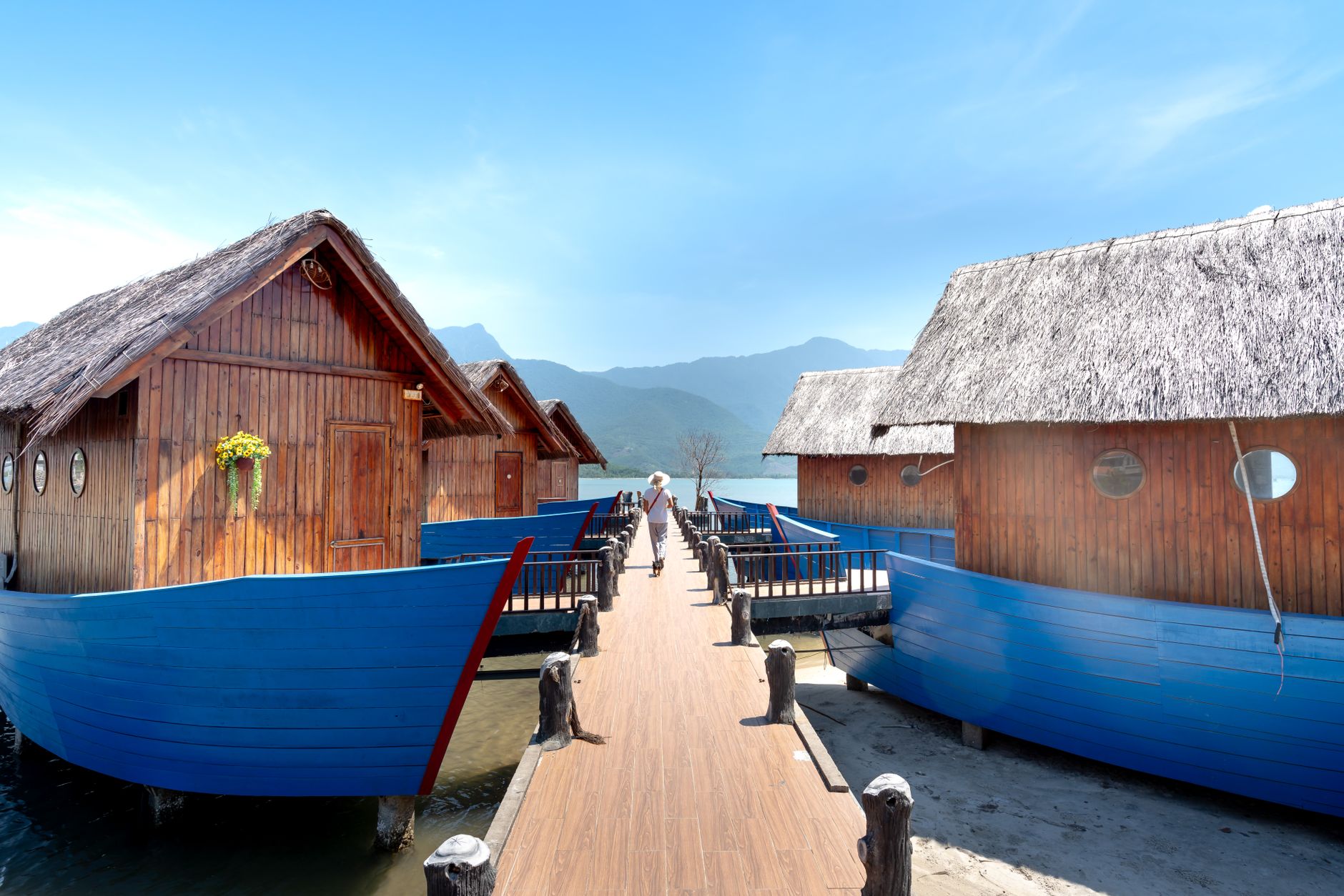
Photo by Quang Nguyen Vinh on Pexels
Lak Lake Resort: The Comfort Outlier
Lak Lake (Thac Bon, 50 km south) is the region's only scenic water body, ringed by Koho ethnic minority villages and a few mid-range resorts. Lak Lake Eco Resort and Lak Tented Camp sit in the $50–150 range and offer a hybrid: genuine Lak setting (boat tours, village walks, stilt-house homestays) plus restaurant service, swimming, and a calmer pace than a working plantation.
Good for: a softer entry to the Highlands if you want nature and cultural encounters but not manual coffee work. Or a second night after plantation stays, to decompress. Not good for: those wanting to stay deep in coffee country—Lak pulls you away from it.
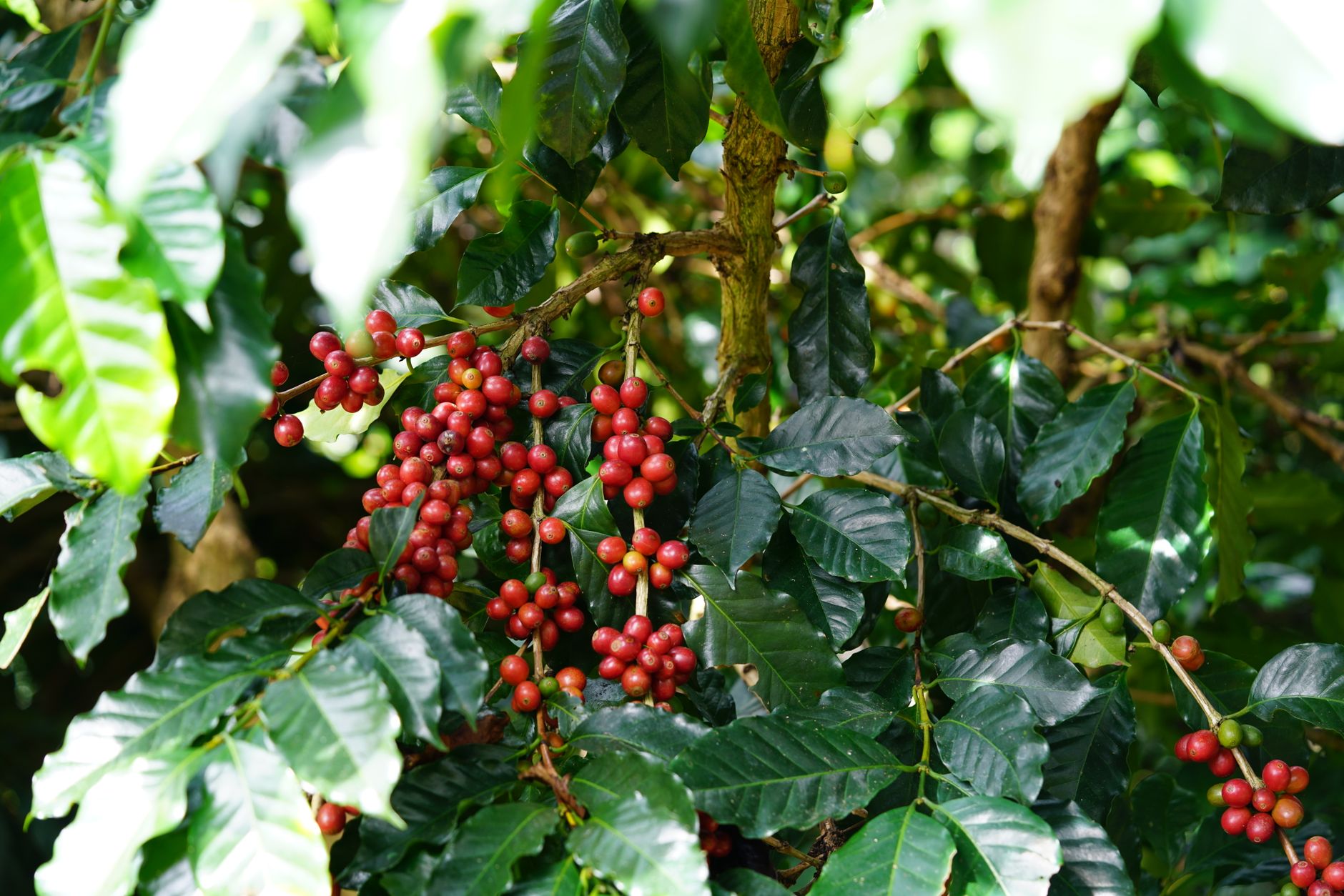
Photo by 1500m Coffee on Pexels
Why Buon Ma Thuot Isn't for Everyone
This city doesn't glamorize. There are no temples to tick off, no beaches, no colonial villas or mountain trekking. The economy is monoculture—literally. Restaurants are functional, not refined. The rainy season (May–October) is muddy and oppressive. If you're collecting "experiences" or want Instagram material, go to Hoi An or Da Lat.
But if you care why your "ca phe sua da (연유커피 / 越南冰咖啡 / ベトナムアイスコーヒー)" costs 30,000 VND in Hanoi and tastes different in every cafe, Buon Ma Thuot is non-negotiable. Stay on a plantation. Work a morning. Sit with the owner's family for lunch. That's the trip.
Practical Notes
Book plantation farmstays direct via email or Facebook (they rarely use Booking.com); expect spotty English but genuine warmth. Arrive mid-November through January for harvest season and the best coffee scenery; March–April is dry but slower. Buon Ma Thuot is 300 km northeast of Saigon (6 hours by bus) or a 1-hour flight; most tourists skip it. That's the point.
Going to Vietnam? Eat and travel smarter.
Monthly: new dishes, off-the-beaten-path destinations, and itineraries — straight to your inbox. No spam. Unsubscribe anytime.
Join 0 expats. (We just launched.)
More from buon-ma-thuot
Other articles covering this city.

Four Days in Buon Ma Thuot: Coffee Plantations and Highlands
Skip the Central Highlands tourist circuit and dig into what Buon Ma Thuot actually is: the coffee capital of Vietnam. This itinerary balances plantation visits, minority villages, and honest decisions about how to spend your time.

Dak Lak Province: Central Highlands Coffee and Culture
Dak Lak province sits in Vietnam's Central Highlands, a landscape of plateaus, freshwater lakes, and coffee plantations anchored by the ethnic minority communities that call it home.

5 Days in Buon Ma Thuot: Coffee Plantations, Lakes, and Hill-Tribe Villages
A five-day itinerary through Vietnam's coffee heartland, combining plantation tours, ethnic minority villages, waterfalls, and a brewing masterclass in the Central Highlands.
More from Central Vietnam
Other articles covering the same region.

Son Doong Cave: Inside the $3,000 Oxalis Expedition
Son Doong is the world's largest cave by volume—and the only way in is a 4-day permit-exclusive tour with Oxalis. Here's what you actually get, who should go, and what cheaper caves offer instead.

Phong Nha Cave: Boat Tours, Dry Caves, and How to Choose
Phong Nha-Ke Bang has two main cave experiences: the iconic river boat through Phong Nha Cave itself, and the dry trek into Tien Son. Here's how to pick, what to expect, and when to go.

Hoi An Lantern Festival: Full Moon Nights and How to Plan Around Them
The Hoi An Lantern Festival happens on the 14th lunar day each month. Electricity shuts off, lanterns float on the Thu Bon River, and crowds triple. Here's how to time your visit and actually enjoy it.
More in Travel Tips
More articles from the same category.

Bargaining in Vietnam: When to haggle, when to pay the asking price
Haggling is normal at markets and with cyclos, but not everywhere. Learn which settings expect negotiation, how much to push back, and where to just hand over your money.
Best Vietnam eSIM Providers 2026: Costs, Setup, and Real-World Tips
A practical breakdown of Vietnam's top eSIM options, real prices, and how to avoid common pitfalls when arriving with no local SIM.

Where to Stay in Saigon: District 1 vs District 3 vs District 7
Three neighborhoods, three vibes. Pick District 1 for backpackers and chaos, District 3 for quiet and value, or District 7 for modern expat comfort. Here's how each stacks up.

Where to Stay in Sapa: Town Center vs Cat Cat vs Ta Van
Sapa has three distinct bases: the foggy town center for convenience, Cat Cat village for quiet hilltop views, or Ta Van for homestay immersion. Pick based on whether you're chasing comfort or trekking.

Where to Stay in Can Tho: Ninh Kieu, Cai Rang, or Orchards
Can Tho's three main neighborhoods offer different angles on Mekong Delta life. Here's how to pick based on your priorities and budget.

Where to Stay in Hue: Citadel vs South Bank vs Beach
Hue splits into three distinct neighborhoods for travelers. Each offers different trade-offs between history access, dining, and atmosphere—here's how to choose.
Comments
Loading…