Dak Lak Province: Central Highlands Coffee and Culture
Dak Lak province sits in Vietnam's Central Highlands, a landscape of plateaus, freshwater lakes, and coffee plantations anchored by the ethnic minority communities that call it home.

Dak Lak province sits in Vietnam's Central Highlands (중부 고원 / 中部高原 / 中部高原), a landscape of plateaus, freshwater lakes, and coffee plantations anchored by the ethnic minority communities that call it home. The province borders Gia Lai to the north, Khanh Hoa to the east, Lam Dong to the south, and Mondulkiri province in Cambodia to the west. Home to the Rade, Jarai, and Mnong peoples, it's one of Vietnam's most ethnically diverse regions.
What the Name Means
The name "Dak Lak" comes from the Mnong language, a Mon-Khmer tongue spoken by indigenous groups here. "Dak" translates to "water" or "lake," while "Lak" refers to the province's largest freshwater lake—so the name literally means "Lak Lake." The official Vietnamese spelling preserves the long "a" sounds of the original Mnong pronunciation. French colonial texts used "Darlac," and you'll still see variant spellings like "Daklak" on older signs and guesthouses.
The Long History
The region was part of the Kingdom of Champa until the 15th century, when Vietnamese expansion pushed south and absorbed it. By 1540, Vietnamese authorities had appointed nobles to settle ethnic Vietnamese in the area and establish military outposts. During the French colonial period, plantations flourished—coffee, rubber, and other cash crops became the economic backbone—though French rule also sparked resistance from the local tribes.
Administrative boundaries shifted repeatedly. Dak Lak was carved out as its own province in 1904, merged back into Kon Tum in 1913, re-established in 1923, and reshaped multiple times through the mid-20th century. In 1976, after national reunification, Dak Lak and Quang Duc merged into a single province. In 2003, the province was split again, creating the separate Dak Nong province to the south.

Photo by Nhi Huynh on Pexels
Geography and Attractions
The province occupies the Dak Lak Plateau, sitting about 600 meters above sea level. About 60 kilometers south of Buon Ma Thuot (the provincial capital) lies Lak Lake, the largest freshwater lake in the region. Overlooking the water stands the former summer retreat of Emperor Bao Dai, now converted into a hotel—a striking blend of colonial architecture and mountain views.
Jun Village sits on the lakeshore, home to the Jun people. Beyond traditional tourism, the villagers have developed a distinctive fishing practice: they attach metal rods to a car battery, run the current through the water to stun fish, then collect and tank them. It's unconventional and worth watching if you're in the area.
Elephant rides through the village and across the lake are a popular draw for visitors, though consider the welfare of the animals and the ethics of the operation before booking.
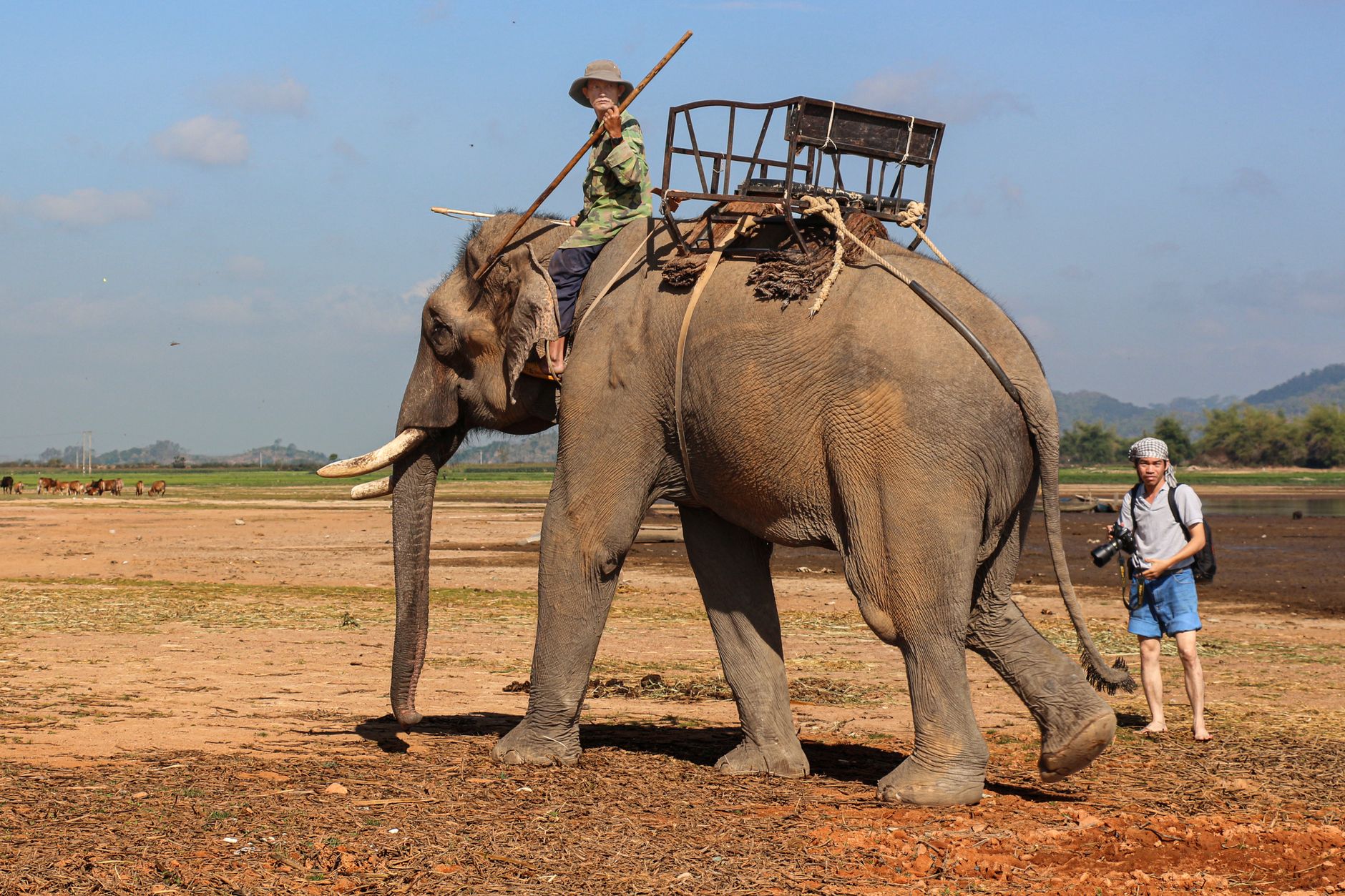
Photo by Vy Van Bui on Pexels
Coffee, Rubber, and the Economy
Dak Lak is Vietnam (베트남 / 越南 / ベトナム)'s coffee heartland. The plateau's elevation and soil chemistry produce some of the country's most prized robusta beans. Beyond coffee, rubber plantations and fruit orchards dominate the rural landscape. The province has also invested in hydroelectric power generation to diversify its economic base.
Getting There
Two airports serve the region: Buon Ma Thuot Airport and Tuy Hoa Airport, both offering daily domestic flights to Hanoi and Ho Chi Minh City. Vietnam Airlines, VietJet Air, Pacific Airlines, and Bamboo Airways all operate routes in and out of the province, making it accessible for a long weekend or extended stay in the highlands.
Going to Vietnam? Eat and travel smarter.
Monthly: new dishes, off-the-beaten-path destinations, and itineraries — straight to your inbox. No spam. Unsubscribe anytime.
Join 0 expats. (We just launched.)
More from buon-ma-thuot
Other articles covering this city.

Where to Stay in Buon Ma Thuot: City Hotels vs Coffee Plantation Farmstays
Buon Ma Thuot is a working coffee hub, not a beach resort. Here's how to choose between city-center basics, plantation stays, and the lakeside option.

Four Days in Buon Ma Thuot: Coffee Plantations and Highlands
Skip the Central Highlands tourist circuit and dig into what Buon Ma Thuot actually is: the coffee capital of Vietnam. This itinerary balances plantation visits, minority villages, and honest decisions about how to spend your time.

5 Days in Buon Ma Thuot: Coffee Plantations, Lakes, and Hill-Tribe Villages
A five-day itinerary through Vietnam's coffee heartland, combining plantation tours, ethnic minority villages, waterfalls, and a brewing masterclass in the Central Highlands.
More from Central Vietnam
Other articles covering the same region.

Son Doong Cave: Inside the $3,000 Oxalis Expedition
Son Doong is the world's largest cave by volume—and the only way in is a 4-day permit-exclusive tour with Oxalis. Here's what you actually get, who should go, and what cheaper caves offer instead.

Phong Nha Cave: Boat Tours, Dry Caves, and How to Choose
Phong Nha-Ke Bang has two main cave experiences: the iconic river boat through Phong Nha Cave itself, and the dry trek into Tien Son. Here's how to pick, what to expect, and when to go.

Hoi An Lantern Festival: Full Moon Nights and How to Plan Around Them
The Hoi An Lantern Festival happens on the 14th lunar day each month. Electricity shuts off, lanterns float on the Thu Bon River, and crowds triple. Here's how to time your visit and actually enjoy it.
More in Destinations
More articles from the same category.

Japanese Bridge in Hoi An: What to Know Before You Visit
The 400-year-old Japanese Bridge is Hoi An's most iconic landmark. Here's how to see it properly—and avoid the crowds.

Thien Mu Pagoda in Hue: Seven Stories Above the Perfume River
Hue's most recognizable landmark rises 21 metres above the Perfume River. This is the story behind the tower, how to get there, and when to visit without the tour groups.

Lung Cu Flag Tower: Vietnam's Northernmost Point
The drive to Lung Cu Flag Tower takes you to Vietnam's northernmost point at 1,500 metres. It's a half-day trip from Dong Van with a steep climb, mountain views, and nearby Hmong villages.

Hoa Lu Ancient Capital: Vietnam's First Kingdom and How to Visit from Ninh Binh
Hoa Lu was the seat of Vietnam's first independent dynasties in the 10th century. Two surviving temples anchor a quiet bike ride through rice fields just outside Ninh Binh.

Perfume Pagoda Day Trip from Hanoi: Boat, Hike, and Festival Season
A half or full-day pilgrimage from Hanoi to the Perfume Pagoda involves a scenic boat ride through limestone karst, a trek or cable car ascent, and crowds during Tet season. Here's what to expect and how to plan.

Hanoi Old Quarter Walking Guide: 36 Streets, Street Food & Craft Alleys
The 36 streets of Hanoi's Old Quarter were named after the guilds that dominated them—silk, silver, tin, paper. Here's how to walk them, eat on them, and see which craft trades still survive.
Comments
Loading…