When to Visit Tuyen Quang: A Seasonal Guide
Tuyen Quang's cool mountain air and clear skies peak in autumn and early winter. Here's how to choose the right season for river kayaking, trekking, and village life.

Tuyen Quang sits in northern Vietnam's Red River basin, where seasons swing hard between monsoon humidity and crisp highland air. Unlike the tourist crush of Sapa or Ha Giang, Tuyen Quang stays quiet year-round—but the weather still matters for what you'll actually do there.
September to October: Sweet spot
Autumn is when Tuyen Quang really opens up. Temperatures drop to 22–28°C (72–82°F), the air clears, and you get reliable dry days. The Gam River and Mac Duc River—your main reasons to visit—are calm enough for kayaking but still flowing well after summer rains.
Crowd-wise, you'll see a handful of domestic tourists on weekends and the occasional backpacker, but nothing like the Hanoi-to-Sapa stampede. Local ""homestays"" (family-run guesthouses) in Thai Nguyen or along the river have space. Prices are normal: 150,000–300,000 VND per night for basic rooms.
Hiking the limestone trails around Tuyen Quang National Park is most comfortable now. Early morning mist clears by 9am, visibility is good, and you won't be drenched in sweat by noon. October is peak—September still carries afternoon showers.
November to December: Clear and cool
Winter dries everything out. Daytime temps hover around 18–22°C (64–72°F), and nights drop to 8–12°C. The mountains turn a softer green; rice paddies glow gold at harvest.
This is genuinely cold for travelers from southern Vietnam or Thailand, so pack layers. Locals in town still wear light jackets by afternoon.
River conditions are less dramatic—water levels drop significantly, and some kayak outfitters scale back trips to the calmest sections. But hiking is excellent, and the clear skies mean you can actually see the Tay Con Phu mountain pass at sunrise. Overnight homestays get chilly (no heat), but it's bearable if you bring a blanket.
Domestic school holidays (mid-December onwards) bring more weekend visitors, but Tuyen Quang never feels crowded like Da Lat or Sapa in season.
January to February: Cold and occasionally wet
Late winter is hit-or-miss. Cold fronts from China push through, dropping temps to 5–8°C (41–46°F) at dawn. Drizzle is common—not heavy rain, but persistent damp that makes hiking muddy and less pleasant.
If you're sensitive to cold, bring thermal layers. If you're heat-averse, it's actually comfortable. River kayaking picks up again as temps stabilize, but outfitters warn that February can be choppy when northern winds blow.
Tet (Lunar New Year) usually falls in late January or early February. Expect homestay owners to be traveling home for family, so book ahead or accept less personal service. Towns feel emptier mid-Tet week as locals visit relatives.
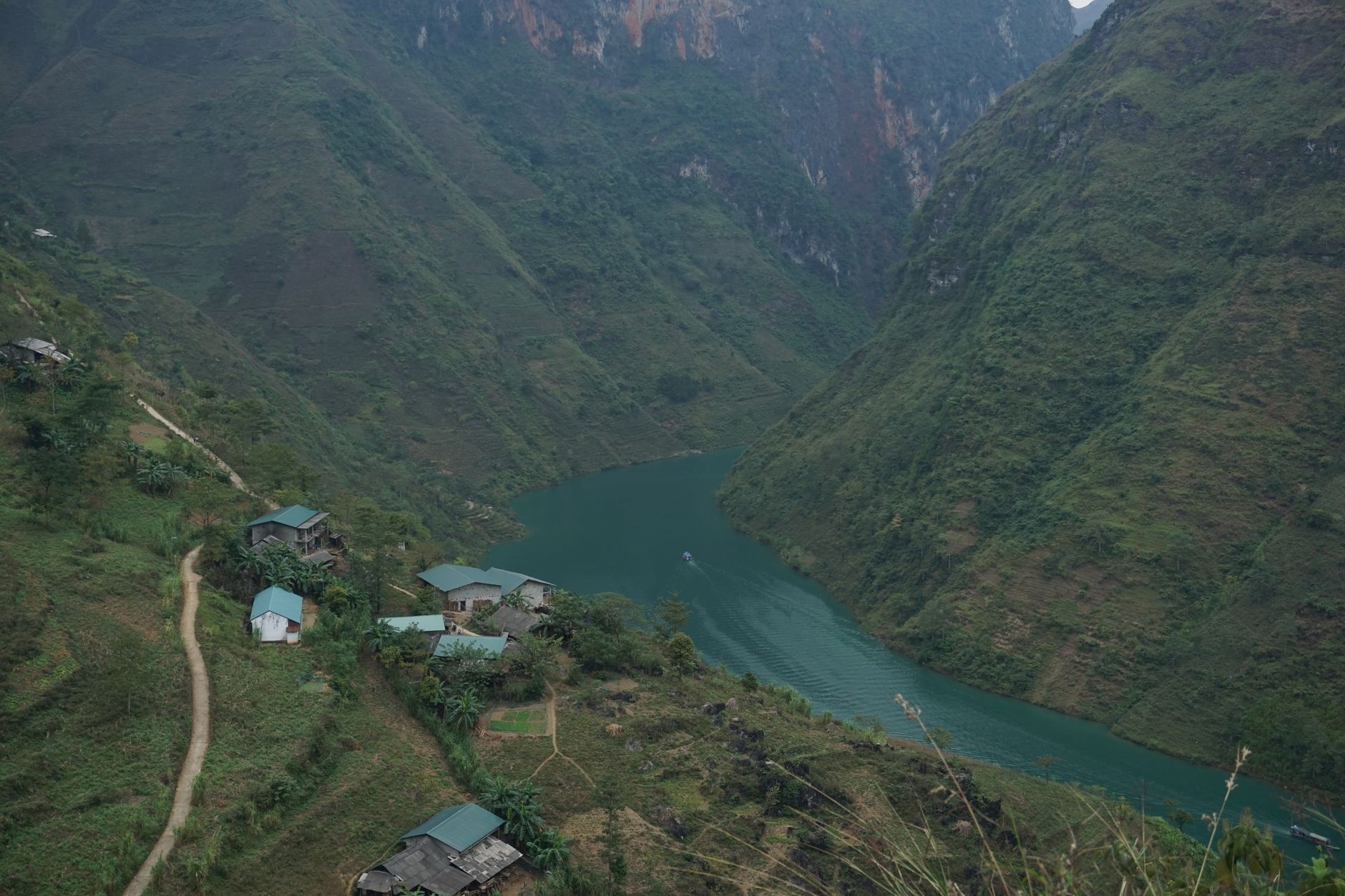
Photo by Claire Dao on Pexels
March to May: Hot, humid, growing crowds
Spring is the beginning of the end. Temperatures climb steadily—by May, you're hitting 28–32°C (82–90°F) with crushing humidity. Afternoon showers return; visibility drops.
This is also when school groups and tour operators bring visitors through. Not packed by Hanoi standards, but homestays book out faster and guides get busier. Prices creep up 10–15%.
The upside: rice paddies are brilliant green, and late-April flowers bloom in the valleys. If you can tolerate heat and occasional rain, it's still fine for quick visits. River kayaking is warmer and wetter—fun if you like splash-and-cool-off trips.
June to August: Monsoon and quiet
Summer is the off-season. Heavy rains (200–300mm/month) soak the region. Rivers swell, trails turn to mud, visibility is poor, and rockfall becomes a hiking hazard.
Tourist infrastructure mostly shuts down. Many guides are farming or with family; some homestays close or reduce hours. You'll find rock-bottom prices (rooms drop to 100,000 VND), and you'll have trekking trails entirely to yourself.
But this is not a joy trip. Pack waterproofs, expect slippery conditions, and bring patience. A few travelers come precisely for the isolation and the dramatic green landscape—if that's you, book ahead with homestay owners who stay open and can handle mud.
Local festivals happen year-round but are small. The main event is ""Hung Kings' Festival"" (late April, exact date varies), held at nearby Hung Phu Temple in Ha Giang province. It draws pilgrims but isn't a travel spectacle.
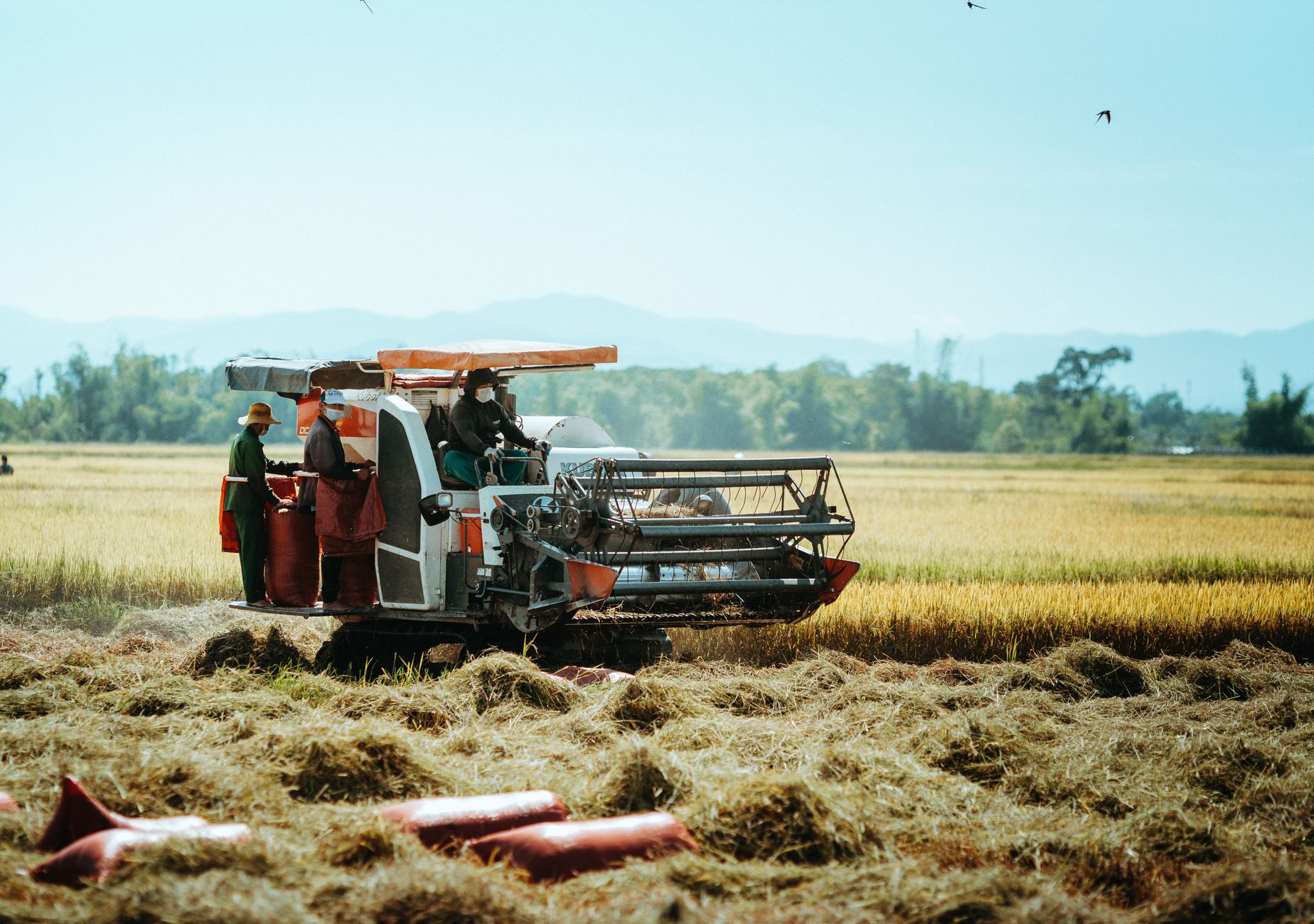
Photo by Thái Trường Giang on Pexels
What to pack by season
Sep–Oct: Light layers, hiking shoes, sun protection, light rain jacket.
Nov–Dec: Thermal layer, light jacket, closed shoes. Nights are cold in homestays.
Jan–Feb: Winter coat if you're cold-sensitive, waterproof bag, warm socks.
Mar–May: Breathable clothes, hat, insect repellent, umbrella or poncho.
Jun–Aug: Waterproof bag, sandals, high SPF sunscreen (for rare clear moments), quick-dry clothes.
Practical notes
Tuyen Quang is accessible from Hanoi (160km, 3–4 hours by van or motorbike). The town itself is functional—basic hospitals, pharmacies, ATMs—but not a tourist base. Most travelers stay in rural homestays along the Gam River or book through tour operators in Hanoi. October is the single best month: cool, dry, river-friendly, and still quiet. If you hate crowds, any month Sep–Feb beats the heat-and-humidity slog of summer or the school-holiday chaos of March–May.
Going to Vietnam? Eat and travel smarter.
Monthly: new dishes, off-the-beaten-path destinations, and itineraries — straight to your inbox. No spam. Unsubscribe anytime.
Join 0 expats. (We just launched.)
More from tuyen-quang
Other articles covering this city.

Tuyen Quang: What to Do — A Traveler's Guide
Tuyen Quang is a quiet northern province often skipped by tourists heading to Sapa or Ha Giang. Here's what's actually worth your time—and what to skip.

What to Eat in Tuyen Quang: A Local's Food Guide
Tuyen Quang's food scene centers on river fish, sticky rice, and dishes shaped by its mountain geography. Here's where locals actually eat—and what costs what.

Tuyen Quang Province: Mountains, Rivers, and Ethnic Heritage in Northeast Vietnam
Tuyen Quang is a rugged northeastern province where mountains meet the Lo River valley. Home to ethnic minorities and dramatic peaks like Cham Chu, it's a quieter alternative to better-known mountain destinations.
More from Northern Vietnam
Other articles covering the same region.

Hoa Lu Ancient Capital: Vietnam's First Kingdom and How to Visit from Ninh Binh
Hoa Lu was Vietnam's first royal capital, and the two temple complexes that survive are among the most atmospheric historical sites in the north.

Hoan Kiem Lake: The Sword Legend, Ngoc Son Temple, and When to Visit
Hoan Kiem Lake sits at the center of Hanoi's Old Quarter — here's the legend behind it, how to walk it properly, and when the streets actually belong to you.

Lung Cu Flag Tower: Vietnam's Northernmost Point
The drive to Lung Cu Flag Tower takes you to Vietnam's northernmost point at 1,500 metres. It's a half-day trip from Dong Van with a steep climb, mountain views, and nearby Hmong villages.
More in Destinations
More articles from the same category.

Landmark 81 Saigon: Observation Deck, Ice Rink, and Getting There from District 1
Landmark 81 is Vietnam's tallest building and Saigon's most visible skyline anchor. Here's what's actually inside and whether it's worth the trip.

Bitexco Financial Tower: Skydeck, Helipad Bar, and Whether the Ticket Is Worth It
Saigon's most recognizable skyscraper charges 250,000 VND to ride up to the 49th floor — here's what you actually see, and whether you should bother.

Notre Dame Cathedral Saigon: French Colonial Centerpiece in the Heart of HCMC
Saigon's Notre Dame Cathedral has been wrapped in scaffolding for years, but the square in front of it remains one of the best starting points for a colonial-era walking tour of District 1.

Paradise Cave, Quang Binh: The 31km Marble Cave That Beats Phong Nha for Photographers
Paradise Cave runs 31km through Quang Binh's karst and delivers the kind of cathedral-scale formations that Phong Nha's boat tour simply can't match. Here's how to see it properly.

Son Doong Cave: What the $3,000 Oxalis Expedition Actually Includes
Son Doong is the world's largest cave and only one operator is legally allowed to take you inside. Here is what the permit-only expedition covers and whether it is worth it.

Phong Nha Cave: Wet Cave, Dry Cave, and How to Choose
Phong Nha has two main caves worth your time — one you reach by river boat, one on foot. Here's how to pick, what each costs, and when to go.
Comments
Loading…