Where to Stay in Tuyen Quang: Budget, Mid-Range, and Luxury Options
A practical guide to neighborhoods and accommodations in Tuyen Quang, from riverside guesthouses to hill-station hotels. Where to base yourself depends on what you're chasing—the town center, waterfalls, or peace and quiet.

Tuyen Quang is a small provincial capital in the far north, 160 km northeast of Hanoi. It's not on the usual tourist circuit, which is exactly why it appeals to travelers looking for a slower, less crowded Vietnam. The town spreads across the northeast and southwest banks of the Lo River, and where you stay shapes your whole trip.
There's no singular "tourist district" like in Hanoi or Saigon. Instead, accommodation clusters into a few loose areas: the town center (Tran Hung Dao Street and around), the riverside front, and scattered options in the surrounding hills and villages. Most visitors spend 1–3 nights here, either as a base for day trips to waterfalls and Dao ethnic villages, or as a stop on the way to Sapa or Ha Giang.
Town Center (Tran Hung Dao & Hoang Van Thu)
This is where the restaurants, petrol stations, and government offices live. It's the liveliest part of town, especially in the evening when food stalls line the streets. You'll find "pho" vendors, grilled meat shops, and bia hoi bars full of locals.
Why stay here: Walkable to food, easy motorbike-rental shops, closest to the bus station (3 km south). It's the path of least friction if you just want a base.
Why skip it: Feels generic. No river views, no views at all, really. If Tuyen Quang's appeal is the setting—the water, the hills—staying in the center means you're missing it.
Budget (100,000–250,000 VND / night)
Tuyen Quang Riverside Hotel (real name varies; look for "Khach San Song Lo" signs on Tran Hung Dao) is typical of the entry-level guesthouses here. Double rooms with a/c, basic hot-water shower, no frills. Breakfast is instant noodles or rice soup. Staff speak minimal English. Price: 150,000–200,000 VND. Reliable, forgettable, exactly what you'd expect.
Why: You're not here for comfort; you're here for the region. Save your budget for local food and a guide to the waterfalls.
Mid-Range (300,000–600,000 VND / night)
Tuyen Quang Hotel (the official one on Tran Hung Dao) sits at the higher end of mid-range. Thirty rooms, decent decor, a small restaurant, and staff who've handled tourists before. Doubles run 400,000–500,000 VND. Breakfast is buffet: rice, egg, vegetables. Reliable wifi, consistent a/c. This is where most foreign backpackers and regional travelers stay, simply because it's familiar and available.
Why: It's a step up in comfort without pretense. The restaurant is mediocre, but the location is central, and the staff can arrange motorbike rentals or day-trip guides (usually through a local contact).
Riverside (Song Lo / Lo River Front)
The river is the soul of Tuyen Quang. In the early morning, fishermen cast nets. At dusk, the light turns the water gold. A few smaller guesthouses and one mid-range option sit on or near the water, mainly on the western bank.
Why stay here: The view. If you have an afternoon or a full day, this is where you sit, drink coffee, and watch the town move past. Quieter than the center.
Mid-Range (350,000–500,000 VND / night)
Song Lo Riverside (Khach San Song Lo Nhat) is a newer place with maybe 15 rooms, all overlooking the Lo. Rooms are clean, basic, with river-view balconies. Doubles at 400,000–450,000 VND. Owner often speaks some English and can recommend local guides. No restaurant, but breakfast is included and served in a small communal space.
Why: Genuine value. You're getting a river view and a quieter setting for less money than the central hotel. Ideal if you want to feel immersed but not completely isolated.
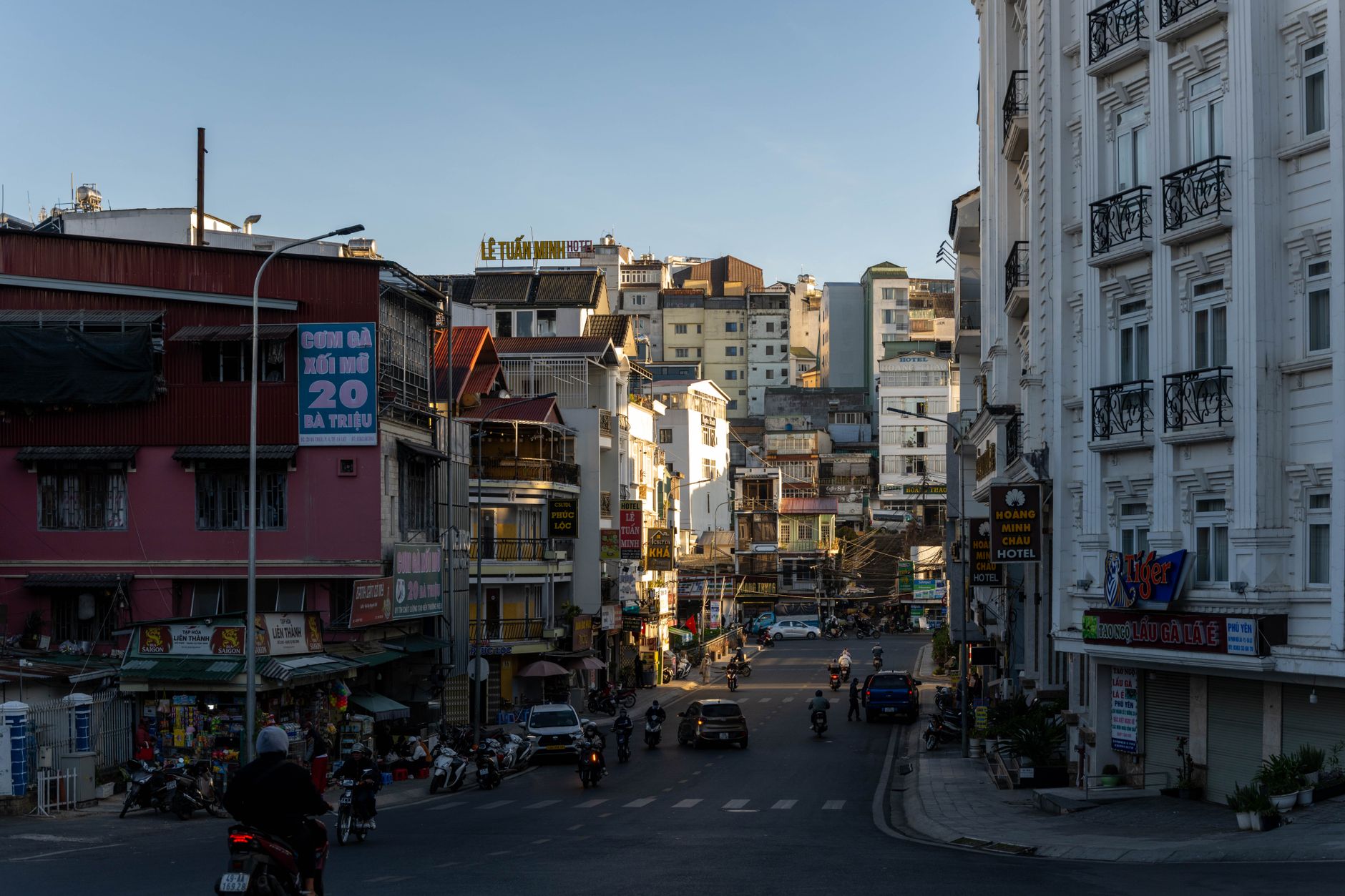
Photo by Quang Vuong on Pexels
Outskirts & Surrounding Villages
If you're here to trek to waterfalls or hike in Dao villages, staying outside town cuts travel time. Several small eco-lodges and family guesthouses have opened in the hills, 8–15 km from the town center.
Budget (120,000–250,000 VND / night)
Homestay networks (advertised via Airbnb, Booking.com, or local tourism websites) offer beds in village homes, often in Mai Chau-style setups with family meals included. Rooms are simple—cotton mattresses, shared bathrooms. Price: 150,000–250,000 VND with dinner and breakfast.
Why: Immersion. You're eating with a Dao or Tay family, learning how they cook, and waking up to roosters and birdsong. If adventure and cultural contact matter more than privacy, this is it.
Mid-Range (400,000–700,000 VND / night)
Tuyen Quang Eco-Lodge (or similar; names change, but search for "lodge" or "resort" on Google Maps near Tuyen Quang) offers private bungalows on a river or hillside. Usually 5–15 rooms, local materials, a small restaurant, and a guide service. Doubles: 500,000–650,000 VND. Breakfast is regional: sticky rice, grilled vegetables, local herbs.
Why: Best of both worlds. You get privacy, comfort, and proximity to nature. Guides can take you trekking at dawn, and you're back for a late lunch.
Why skip it: If you're only staying one night, the eco-lodge feels like overkill. You'll spend most of the day traveling to and from it.
Luxury Options
Tuyen Quang has no five-star hotels. The closest thing is Thien Trang Hotel, a three-star place with about 40 rooms, a restaurant, and a riverside location. Doubles at 600,000–800,000 VND. It's the place where government delegations and wealthier domestic tourists stay. Clean, professional, but corporate and soulless.
Why stay here: You want reliability and a proper restaurant. You're not seeking character.
Honest take: This isn't a luxury destination. If high-end comfort is non-negotiable, base yourself in Hanoi and day-trip, or skip Tuyen Quang for Ha Giang or Sapa.

Photo by Quang Nguyen Vinh on Pexels
How to Choose
One night only, want to sleep and move on: Town center mid-range (Tuyen Quang Hotel). Central, no surprises.
Two nights, want to feel the place: Riverside mid-range (Song Lo Riverside) or eco-lodge. You'll have time to sit, breathe, and maybe take a half-day trek.
Three or more nights, chasing waterfalls and villages: Eco-lodge or homestay. You'll base yourself out, do full days, and return to a place that feels like home.
Budget traveler, independent: Town center budget guesthouse. You'll eat street food, rent a motorbike, and navigate alone—totally doable and genuine.
Practical Notes
Bookings for mid-range and luxury places can be made via Booking.com or Agoda, though availability is thin. Call ahead if possible (most hotels have mobile numbers on Google Maps). Budget guesthouses don't take online reservations; just show up. Motorbike rental (100,000–150,000 VND/day) is available at most hotels or from shops on Tran Hung Dao. The nearest major city with reliable flight options is Hanoi (Noi Bai Airport), a 3-hour drive south.
Going to Vietnam? Eat and travel smarter.
Monthly: new dishes, off-the-beaten-path destinations, and itineraries — straight to your inbox. No spam. Unsubscribe anytime.
Join 0 expats. (We just launched.)
More from tuyen-quang
Other articles covering this city.

What to Eat in Tuyen Quang: A Local's Food Guide
Tuyen Quang's food scene centers on river fish, sticky rice, and dishes shaped by its mountain geography. Here's where locals actually eat—and what costs what.

When to Visit Tuyen Quang: A Seasonal Guide
Tuyen Quang's cool mountain air and clear skies peak in autumn and early winter. Here's how to choose the right season for river kayaking, trekking, and village life.

Tuyen Quang Province: Mountains, Rivers, and Ethnic Heritage in Northeast Vietnam
Tuyen Quang is a rugged northeastern province where mountains meet the Lo River valley. Home to ethnic minorities and dramatic peaks like Cham Chu, it's a quieter alternative to better-known mountain destinations.
More from Northern Vietnam
Other articles covering the same region.

Hoa Lu Ancient Capital: Vietnam's First Kingdom and How to Visit from Ninh Binh
Hoa Lu was Vietnam's first royal capital, and the two temple complexes that survive are among the most atmospheric historical sites in the north.

Hoan Kiem Lake: The Sword Legend, Ngoc Son Temple, and When to Visit
Hoan Kiem Lake sits at the center of Hanoi's Old Quarter — here's the legend behind it, how to walk it properly, and when the streets actually belong to you.

Lung Cu Flag Tower: Vietnam's Northernmost Point
The drive to Lung Cu Flag Tower takes you to Vietnam's northernmost point at 1,500 metres. It's a half-day trip from Dong Van with a steep climb, mountain views, and nearby Hmong villages.
More in Destinations
More articles from the same category.

Landmark 81 Saigon: Observation Deck, Ice Rink, and Getting There from District 1
Landmark 81 is Vietnam's tallest building and Saigon's most visible skyline anchor. Here's what's actually inside and whether it's worth the trip.

Bitexco Financial Tower: Skydeck, Helipad Bar, and Whether the Ticket Is Worth It
Saigon's most recognizable skyscraper charges 250,000 VND to ride up to the 49th floor — here's what you actually see, and whether you should bother.

Notre Dame Cathedral Saigon: French Colonial Centerpiece in the Heart of HCMC
Saigon's Notre Dame Cathedral has been wrapped in scaffolding for years, but the square in front of it remains one of the best starting points for a colonial-era walking tour of District 1.

Paradise Cave, Quang Binh: The 31km Marble Cave That Beats Phong Nha for Photographers
Paradise Cave runs 31km through Quang Binh's karst and delivers the kind of cathedral-scale formations that Phong Nha's boat tour simply can't match. Here's how to see it properly.

Son Doong Cave: What the $3,000 Oxalis Expedition Actually Includes
Son Doong is the world's largest cave and only one operator is legally allowed to take you inside. Here is what the permit-only expedition covers and whether it is worth it.

Phong Nha Cave: Wet Cave, Dry Cave, and How to Choose
Phong Nha has two main caves worth your time — one you reach by river boat, one on foot. Here's how to pick, what each costs, and when to go.
Comments
Loading…