Dak Lak sits in the Central Highlands (중부 고원 / 中部高原 / 中部高原), a region where food tastes different from the Red River Delta or the Mekong. The cuisine here leans toward grilled meats, sticky rice, and bold use of turmeric and galangal — influences from both lowland Vietnam and the ethnic minority groups (Ede, Bahnar) who have lived in the highlands for centuries. If you eat here, you'll notice the food is less sweet and more herbaceous than what you find in Hanoi or Saigon.
Signature Dak Lak Dishes
Thit Nuong Dak Lak (Highland Grilled Meat)
The most iconic dish in the province. Beef or pork is marinated in a paste of lemongrass, garlic, turmeric, and fish sauce, then grilled over charcoal. The meat comes out smoky and slightly caramelized, with a fragrant crust. You eat it wrapped in rice paper with fresh herbs — mint, basil, cilantro — and a dipping sauce of fish sauce with lime and chili.
Expect to pay 80,000–150,000 VND for a plate at a local eatery; tourist restaurants will charge 200,000+ VND. The best versions come from family-run "nha hang" (restaurants) in neighborhoods where locals eat, not in the central tourist zone.
Com Lam (Bamboo-Tube Rice)
Sticky rice cooked inside a hollow bamboo tube, split lengthwise and served with the bamboo still attached. You scrape the rice out with a wooden spoon. It's often served with grilled chicken or pork and a side of salt mixed with chili or turmeric (muoi ot). The rice absorbs a subtle bamboo fragrance and stays moist.
Roadsides and market stalls sell it for 20,000–30,000 VND per tube, usually in the early morning. Ask at your accommodation or look for the bamboo tubes stacked at a vendor's cart.
Canh Chua Ca (Sour Fish Soup)
A tangy, herbaceous broth with freshwater fish, tamarind, pineapple, okra, and mint. The sourness comes from tamarind paste, not vinegar. This dish appears across central Vietnam (베트남 / 越南 / ベトナム), but Dak Lak versions often use "ca tram" (snakehead fish) from local rivers, which has firmer flesh. The broth is lighter and more aromatic than typical southern variants.
Bowls run 40,000–70,000 VND at casual "com binh dan" (everyday rice shops).
Tiet Canh (Minced Raw Meat Salad)
A raw salad of minced beef, pork, or venison mixed with fish sauce, lime, chili, lemongrass, and herbs. It's often topped with roasted peanuts and fried shallots. Tiet canh is a highlands specialty, served at family celebrations and special occasions. Many tourists skip it out of caution, but if the vendor looks clean and the meat is fresh (buy at a reputable market stall in the morning), it's worth trying.
Expect 60,000–100,000 VND. Only eat it at established local shops, not tourist restaurants claiming "authentic highland tiet canh."
Banh Hoai (Caramelized Pancake)
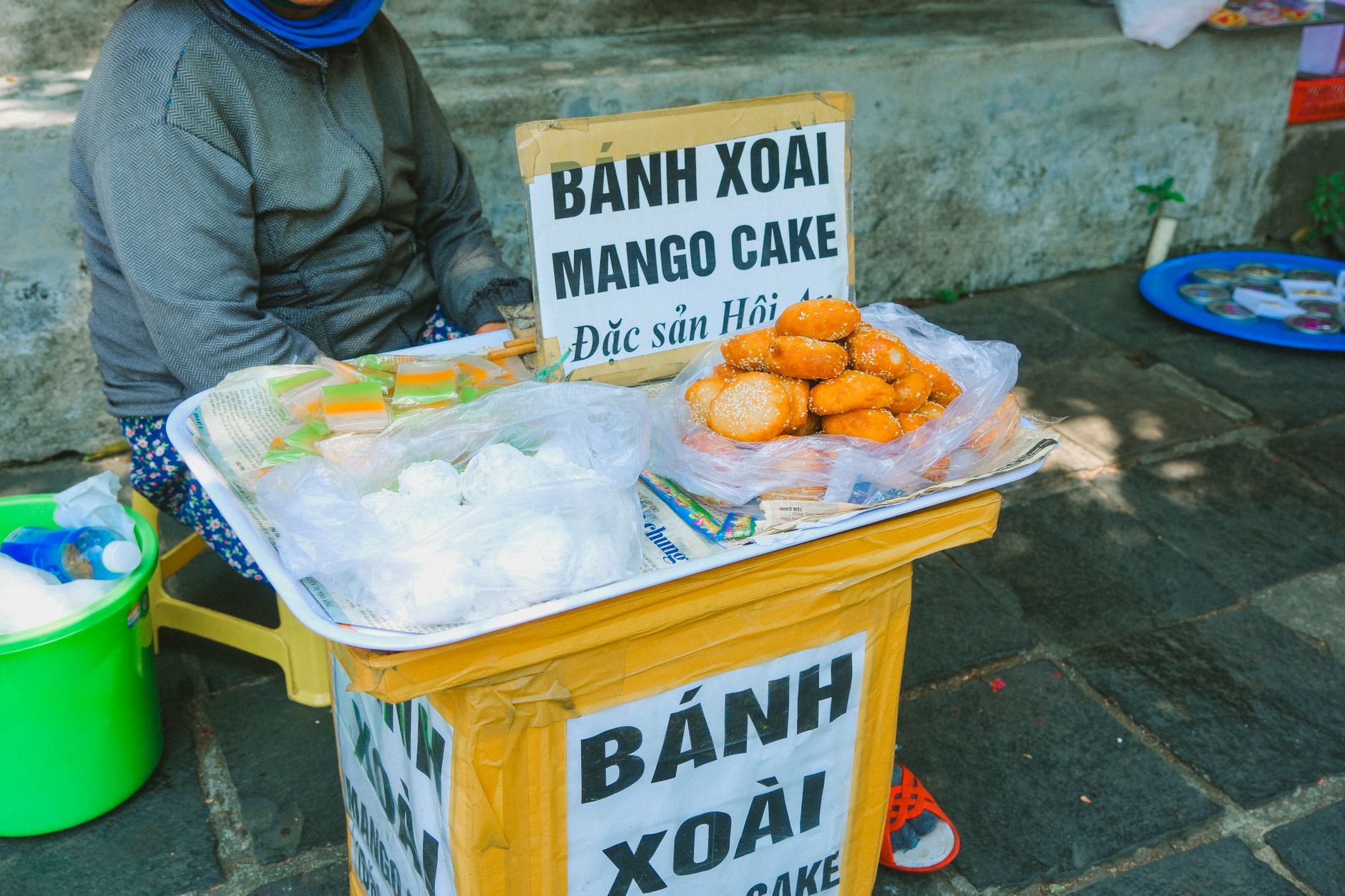
Though banh hoai is most famous from Hoi An, Dak Lak has its own version — a crispy, golden pancake made with rice flour, egg, and sometimes corn or shrimp, folded into a half-moon and served with fresh greens and a fish sauce dip. The texture is lighter and less oily than southern banh xeo.
Cost: 25,000–40,000 VND for one.
Com Tam (Broken-Rice Bowls)
Broken-rice grains served with grilled pork, an egg, and pickled vegetables. It's a southern staple, but you'll find it everywhere in Dak Lak too. The local twist: some stalls add a small portion of "sac nhan" (mince and offal), which adds depth. Lunch-time prices run 30,000–50,000 VND.
Where to Eat: Markets vs. Restaurants
Buon Ma Thuot Central Market (Cho Buon Ma Thuot)
The main market in Dak Lak's largest city, Buon Ma Thuot, buzzes in the early morning (5–8 AM). The ground floor sells fresh produce and meat; the upper food stalls serve "com tam," "pho," grilled fish, and soups. A full breakfast or lunch runs 40,000–80,000 VND. Look for stalls with queues of workers and students — that's your signal.
No English signage; point at what you want or use Google Translate. The market closes by 2 PM.
Banh My Stalls Along Nguyen Hue Street (Buon Ma Thuot)
Nguyen Hue is the main commercial strip. Mid-morning (9–11 AM), vendors set up banh mi carts with baguettes, pâté, cold cuts, and pickled vegetables. Cost: 20,000–35,000 VND. The pâté here is often made in-house and less fatty than Hanoi versions.
Nha Hang Xuan Phuong (Local Favorite)
A no-frills, family-run restaurant on Ly Thuong Kiet Street (ask your hotel for the exact address — it moves or reopens under new names frequently). Specializes in "thit nuong dak lak" and "com lam." Mains run 60,000–120,000 VND. Closed by 9 PM. No tourists; tables packed with families and office workers.
Roadside Stalls Between Buon Ma Thuot and Lak
If you venture toward Lak village (about 50 km southeast) to visit the nearby coffee plantations or ethnic villages, look for stalls selling "com lam," grilled fish, and sticky rice around lunch. Quality and price are unpredictable, so eat only if the stall is busy with locals.
Photo by Nguyen Truong Khang on Pexels
Street Food & Snacks
Banh Cuon (steamed rice rolls): Soft rolls of rice paper filled with pork, mushroom, and herbs. Served with a fish sauce dip. 15,000–25,000 VND. Best in the morning at the central market.
Goi Cuon (fresh summer rolls): Rice paper rolls with shrimp, pork, herbs, and vermicelli. 20,000–30,000 VND. A lighter option; found at markets and casual lunch spots.
Nem Cuon (fried spring rolls): Crispy rolls served with pickled vegetables and dipping sauce. 25,000–40,000 VND. Available throughout the day.
Sticky Rice with Grilled Corn: Vendors sell this as a snack in the late afternoon. 10,000–15,000 VND. Sweet and filling.
Coffee Culture
Dak Lak is a major coffee-producing region, so coffee culture is strong. Most "ca phe sua da" (iced Vietnamese coffee with condensed milk) costs 15,000–20,000 VND at a street stall; 25,000–35,000 VND at a café. Egg coffee is less common here than in Hanoi, but some cafés offer it. Ask for "ca phe trung" if you want to try.
For a more immersive experience, visit a small plantation or a "quan ca phe" (coffee shop) in a residential neighborhood. Locals spend hours nursing a single cup, so the pace is slow and the atmosphere is local.

Photo by Hoàng Giang on Pexels
What to Avoid
Tourist-trap pho restaurants on the main streets of Buon Ma Thuot. Pho isn't a Dak Lak specialty, so restaurants aimed at tourists often serve mediocre bowls at inflated prices (100,000+ VND). If you want pho, eat at a humble corner stall (40,000 VND) or skip it.
Ice: Tap water in Dak Lak is generally safe, but ice from street vendors isn't always made from filtered or boiled water. Stick to sealed water bottles or hot drinks.
Unfamiliar jungle meat sold at night markets: venison and wild boar are common, but verify the source. Eat these only at established restaurants with a reputation.
Practical Notes
Buon Ma Thuot is the hub for eating in Dak Lak. Restaurants close early (8–9 PM), so plan lunch between 11 AM–1 PM and dinner between 5–7 PM. Markets are liveliest 5–10 AM. Most small stalls don't take card payments; carry cash in 50,000 and 100,000 VND notes. If you're eating raw or undercooked meat (tiet canh, rare beef), choose places where locals eat and the turnover is high. No one speaks English in casual eateries, so a translation app or a photo of the dish helps.
Last updated · May 29, 2026 · independently researched, never sponsored.